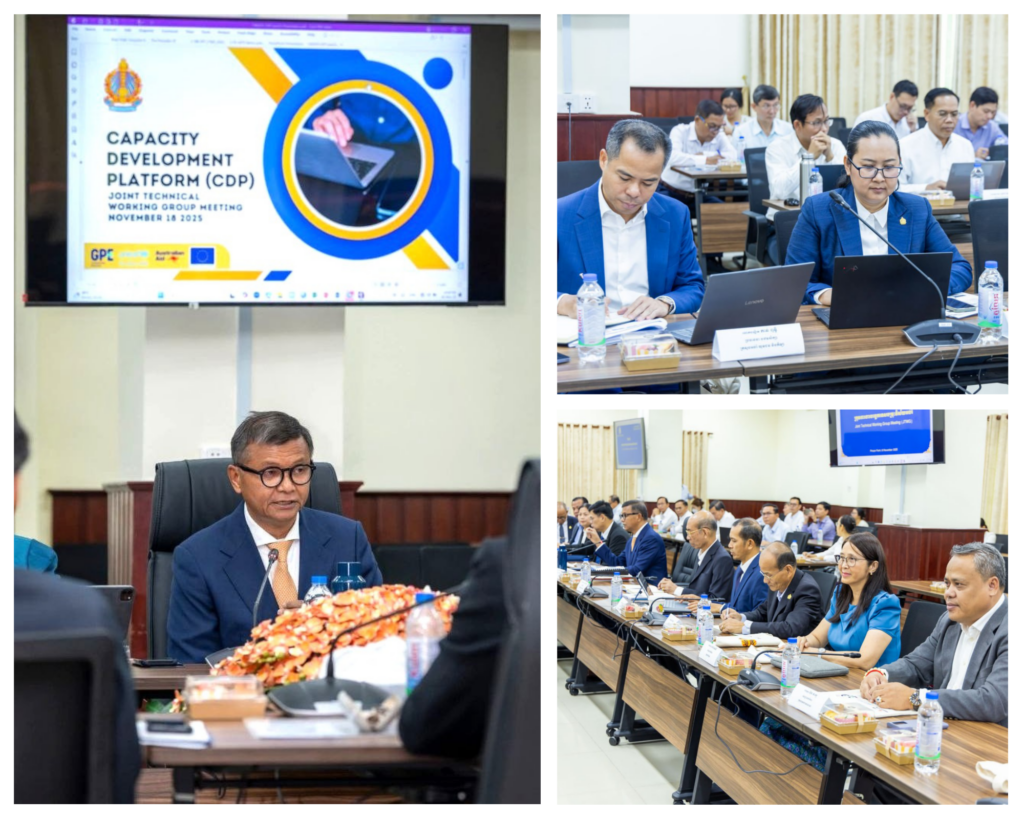
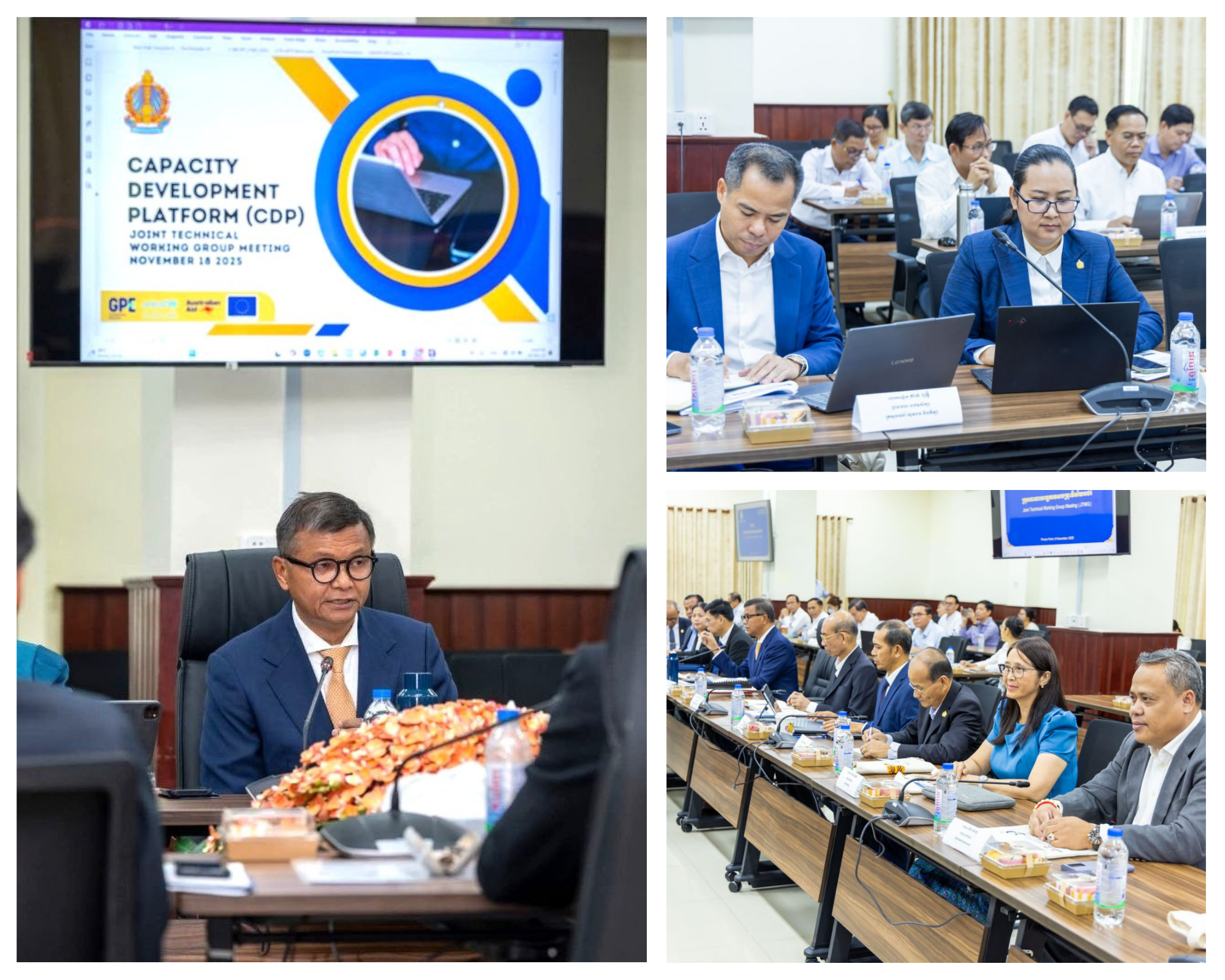
The Ministry of Education, Youth, and Sport (MoEYS) of Cambodia, in a landmark collaboration with UNICEF and World Education, has officially inaugurated the Capacity Development Platform (CDP), a comprehensive digital ecosystem designed to modernize teacher training across the kingdom. Launched in November 2025, the CDP represents a pivotal shift in how the Cambodian government approaches professional development, moving away from fragmented, localized workshops toward a centralized, scalable, and digitally integrated system. This initiative, co-designed by World Education—a JSI initiative—is specifically engineered to address the geographical and technological challenges inherent in Cambodia’s educational landscape, ensuring that even educators in the most remote provinces have access to high-quality pedagogical resources and certification pathways.
A Strategic Milestone in Digital Transformation
The launch of the CDP is not merely a technical upgrade but a strategic response to the evolving needs of the 21st-century classroom. Funded through a multi-lateral partnership including the Global Partnership for Education (GPE), the European Union (EU), and the Australian Department of Foreign Affairs and Trade (DFAT), the platform serves as the backbone of Cambodia’s digital education strategy. By centralizing professional development, MoEYS aims to standardize the quality of instruction nationwide, ensuring that a student in a rural school in Ratanakiri receives the same standard of teaching as one in Phnom Penh.
For years, teacher training in Cambodia faced significant hurdles, including high costs of in-person logistics, inconsistent messaging across different training modules, and a lack of formal tracking for professional growth. The CDP resolves these issues by providing a unified portal where teachers can access accredited courses, earn professional development credits, and eventually upgrade their formal qualifications. This shift to a digital-first model is expected to drastically reduce the administrative overhead of the Ministry while providing real-time data on teacher competencies and training gaps.
Chronology of Development: From Concept to National Rollout
The journey toward the November 2025 launch began years earlier, rooted in the MoEYS’s "Education Strategic Plan" and the "Digital Economy and Social Policy Framework 2021–2035." The development process was marked by several critical phases that ensured the platform was fit for purpose.
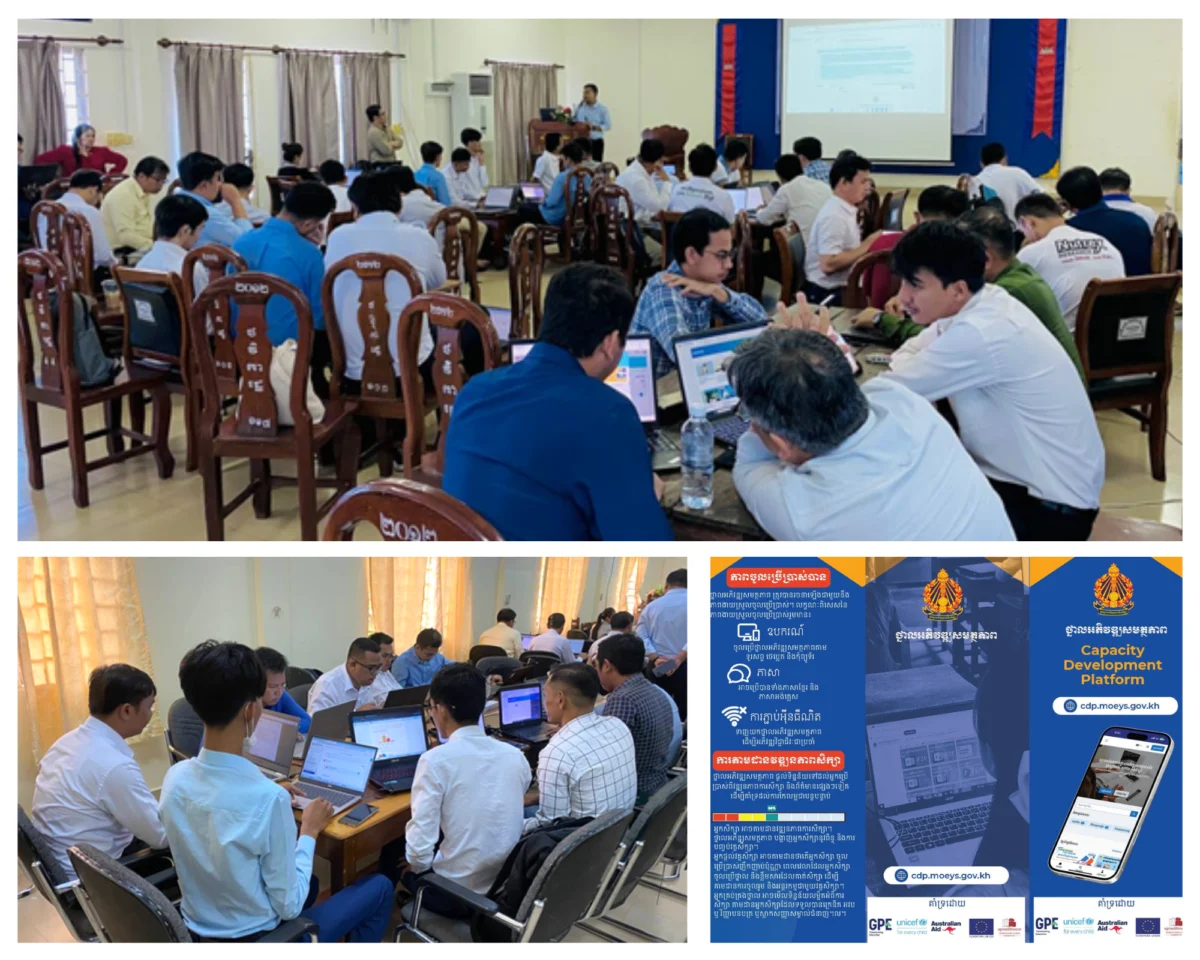
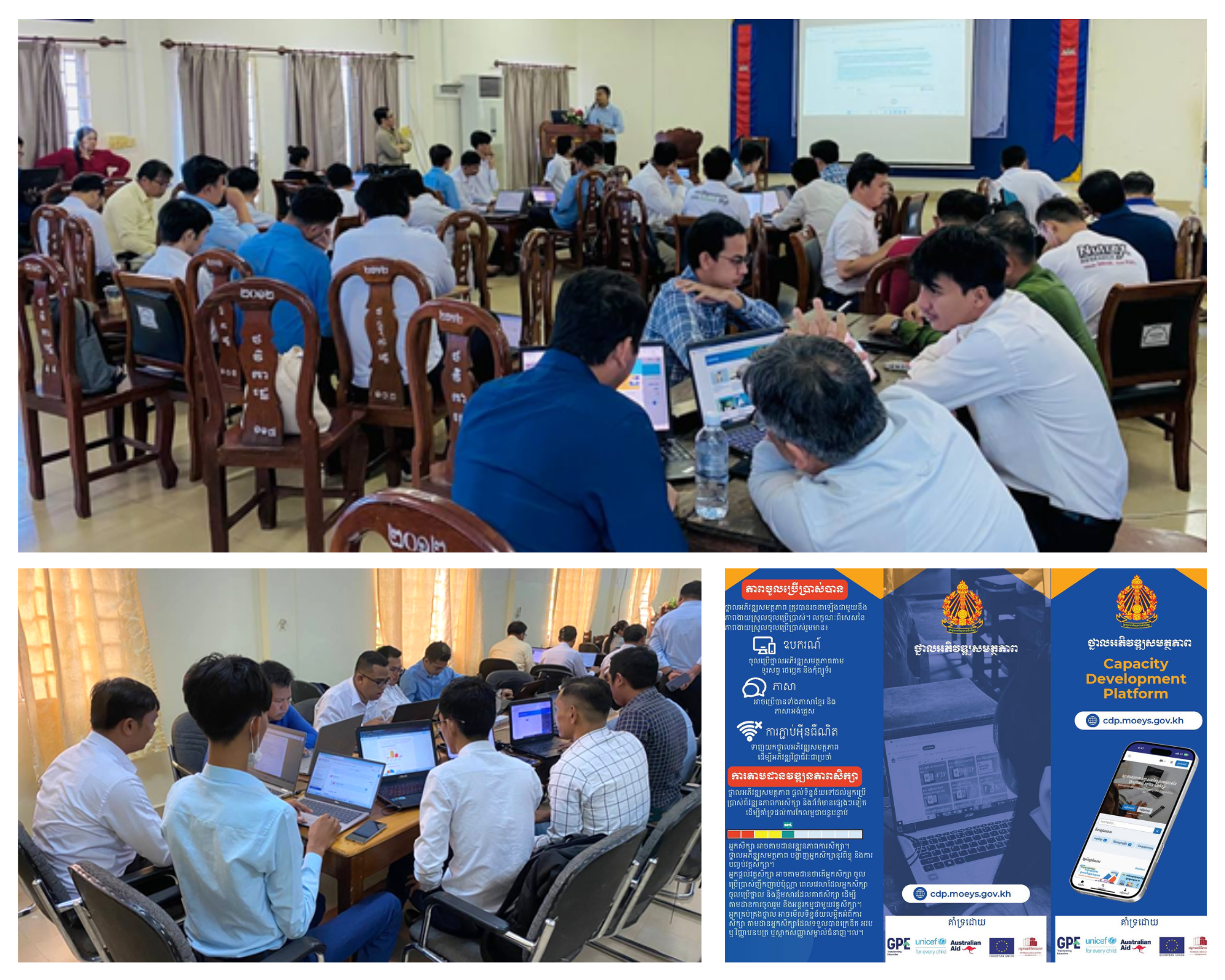
In early 2025, specifically during intensive workshops held on May 5–6 and May 19–20, MoEYS staff and educators participated in co-design sessions facilitated by World Education. These workshops were essential in identifying the "human-centered" requirements of the platform. Designers looked at the specific constraints of the Cambodian context, such as varying levels of digital literacy among older educators and the prevalence of smartphone usage over laptop or desktop computers.
By mid-2025, the platform entered a pilot phase, where early grade reading modules and Information and Communication Technology (ICT) courses were tested among a select group of schools. This iterative process allowed the technical team to optimize the platform for low-bandwidth environments—a crucial feature for teachers working in areas with unstable internet connectivity. The final transition occurred in late 2025, when World Education officially handed over the technical and security management of the CDP to the Ministry’s Department of Digital Transformation, marking the beginning of full government ownership and long-term sustainability.
Technical Innovation: Designing for the Last Mile
One of the most significant achievements of the CDP is its technical architecture, which prioritizes accessibility and user experience (UX). Unlike many Western-designed educational platforms that require high-speed fiber optics, the CDP was built with "lightweight" protocols. This allows the platform to function effectively on 3G and 4G mobile networks, which are the primary means of internet access for most Cambodians.
Furthermore, the platform follows a "smartphone-first" philosophy. Recognizing that many teachers may not own personal computers, the CDP is fully responsive and optimized for mobile browsers and apps. This design choice ensures that professional development can happen anytime and anywhere—whether during a break in the school day or at home in the evening.
The integration of the platform into existing national systems is another technical highlight. The CDP is not a standalone website; it is linked to the national teacher management database. When a teacher completes a course on the platform, their credits are automatically updated in their official personnel file. This linkage is vital for career progression, as these credits are now a mandatory component of the national in-service teacher qualification upgrading program.
Impact by the Numbers: Rapid Adoption and National Reach
Since its inception, the CDP has seen an unprecedented rate of adoption among the Cambodian teaching workforce. Data released at the launch event indicates that the platform has already reached a critical mass of users:
- Registered Users: Over 44,000 educators have created profiles on the CDP, representing nearly half of the nation’s total primary and secondary teaching force.
- Course Enrollments: More than 23,000 educators have enrolled in at least one accredited course, with a high completion rate reported for the initial modules.
- Curriculum Breadth: The platform currently hosts a diverse portfolio of courses, including specialized training in early grade reading (EGR) and the application of Artificial Intelligence (AI) in lesson planning.
- Geographic Coverage: Users are spread across all 25 provinces, with significant engagement from remote districts in provinces like Siem Reap and Preah Vihear.
These numbers suggest that there was a significant latent demand for digital learning tools among Cambodian teachers. The ability to earn credits toward salary increases and promotions has served as a powerful incentive for enrollment, aligning individual career goals with national educational standards.
Perspectives from Leadership and the Frontline
The political and social significance of the CDP was underscored by H.E. Dr. Hang Chuon Naron, Deputy Prime Minister and Minister of MoEYS. During the launch ceremony, he emphasized that the platform is a "transformative step" that empowers educators with the tools and knowledge necessary to improve student outcomes. His statement reflects a broader government commitment to "Quality Teacher Education," which is viewed as the cornerstone of Cambodia’s human capital development.
On the ground, the impact is already being felt in classrooms. Mrs. Proeut Sanh, a primary school teacher from Kralanh District in Siem Reap Province, shared her experience with the ICT course. She noted that the digital tools and AI training provided through the CDP have allowed her to create more interactive lesson plans, making her students "more active and participatory." This anecdotal evidence suggests that the platform is successfully bridging the gap between theoretical training and classroom practice.
International partners have also voiced their support. Representatives from UNICEF and the European Union noted that the CDP serves as a model for other developing nations looking to digitize their education sectors. By focusing on government ownership and local capacity building rather than permanent reliance on international consultants, Cambodia has created a sustainable template for digital governance.
Analysis: Implications for the Future of Cambodian Education
The long-term implications of the Capacity Development Platform extend beyond simple teacher training. The CDP represents a fundamental shift in the "governance of knowledge" within Cambodia. By creating a centralized repository of high-quality, vetted educational content, the MoEYS is effectively democratizing access to information.
However, the success of the CDP also brings new challenges. As the platform scales, the Department of Digital Transformation will need to ensure robust cybersecurity measures to protect the data of tens of thousands of civil servants. Additionally, there is a constant need for content creation. To maintain momentum, the Ministry must continue to produce engaging, high-quality modules that keep pace with global educational trends, such as STEM education and climate change awareness.
Furthermore, the "blended learning" approach—combining digital modules with in-person instruction—will be the true test of the system. While the digital platform provides the "what" of teaching, the "how" often requires peer-to-peer interaction and mentorship. The Ministry’s plan to use the CDP as a prerequisite for in-person workshops is a sophisticated way to ensure that face-to-face time is used for high-level discussion rather than basic information delivery.
Conclusion and Path Forward
As Cambodia looks toward 2030, the Capacity Development Platform will be a central pillar of its quest to become an upper-middle-income country. A highly skilled, digitally literate teaching force is essential for producing a workforce capable of competing in the global digital economy.
World Education continues to support this transition by developing new modules aimed at meeting mandatory national standards. The focus is now shifting toward specialized pedagogical tracks and leadership training for school principals. With the infrastructure now firmly in place, the focus for the coming years will be on deepening the quality of content and ensuring that every teacher in Cambodia, regardless of their location, has the opportunity to grow, learn, and inspire the next generation of Cambodian citizens. The CDP is more than just a website; it is a digital promise to the educators of Cambodia that their professional growth is a national priority.