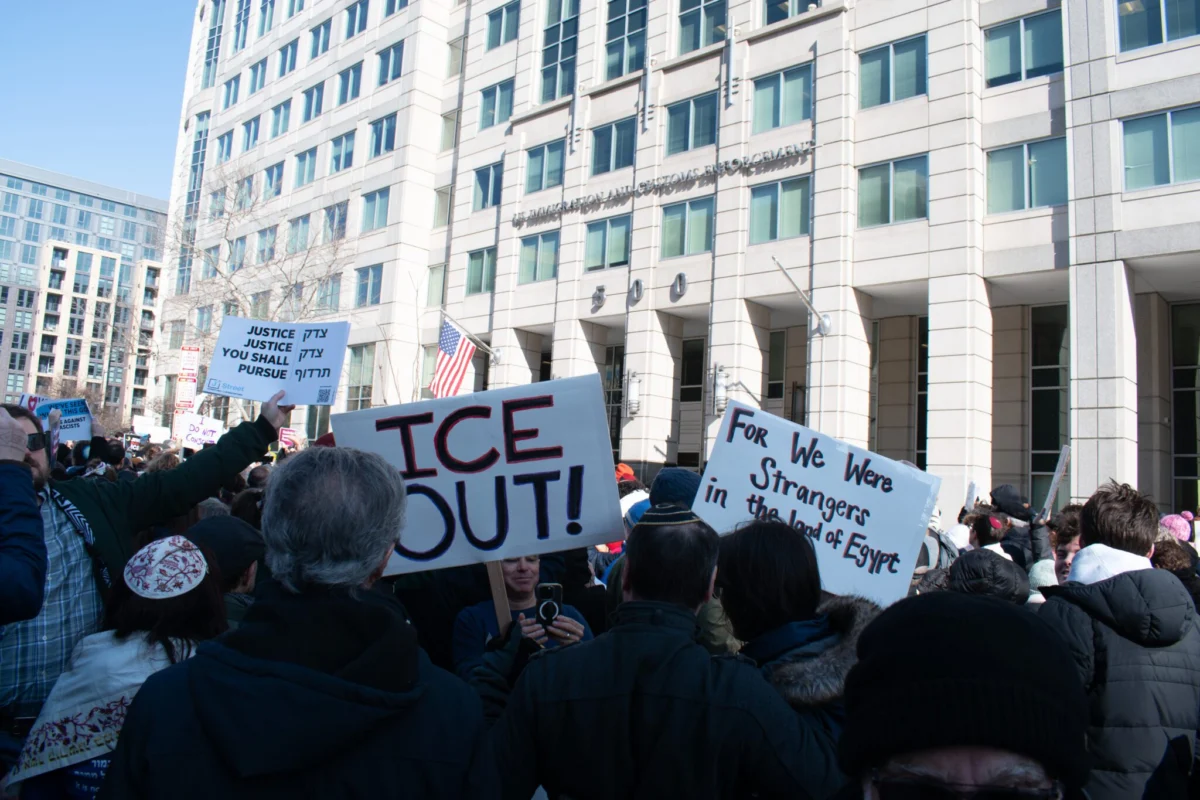
March 11, 2026 – In a significant display of moral and ethical commitment, more than 1,100 Jewish clergy members from across the denominational spectrum in the United States have united to declare their unwavering support for refugees, asylum seekers, and immigrants. This broad coalition, encompassing Orthodox, Conservative, Reform, Reconstructionist, and unaffiliated rabbis and cantors, has issued a powerful statement affirming that their advocacy is rooted in core Jewish values and the lived historical experience of the Jewish people.
The initiative, spearheaded by a consortium of Jewish social justice organizations, highlights a deep-seated belief that the principles of dignity, humanity, and the rights of all individuals are not merely abstract ideals but actionable imperatives. The clergy’s unified stance comes at a critical juncture, as debates surrounding immigration policy and the treatment of displaced populations continue to be prominent in national discourse.
A Historical Imperative: The Memory of Migration
The statement explicitly draws upon the indelible memory of Jewish migration and persecution throughout history. "The American Jewish community carries the memory of what it means to flee, to seek refuge, to need a place of safety," the clergy assert. This profound connection to the refugee experience, deeply embedded in Jewish texts and traditions, compels them to act. Citing foundational biblical passages, the statement underscores the commandment to "not wrong or oppress the stranger, for you were strangers in the land of Egypt" (Exodus 22:20), and to "love one another as yourself" (Leviticus 19:34).
This historical context is crucial for understanding the depth of the clergy’s commitment. Generations of Jewish people have experienced displacement, antisemitic persecution, pogroms, and the desperate search for sanctuary. From the exodus from ancient Egypt to the flight from Nazi Germany and the Soviet Union, the narrative of the Jewish people is intrinsically linked to the experience of being a stranger and a refugee. This shared trauma, they argue, creates a unique moral obligation to extend compassion and protection to those currently seeking safety and a better life.
Religious and Ethical Foundations for Advocacy
The statement meticulously outlines the religious and ethical underpinnings of their position, quoting key verses from the Torah that advocate for justice and equitable treatment for all who reside within a community, regardless of their origin.
- "You shall not wrong or oppress the stranger, for you were strangers in the land of Egypt." (Exodus 22:20)
- "You shall love one another as yourself." (Leviticus 19:34)
- "There shall be one law for you and for the resident stranger." (Numbers 15:15)
These scriptural imperatives, the clergy contend, form the bedrock of Jewish ethical engagement with the world. They interpret these verses as a direct call to uphold the rights of the stranger and to ensure that legal and social systems are just and compassionate. The statement also emphasizes the inherent human dignity of every person, a principle they believe is fundamental to Jewish identity. "To be a Jew is to insist on the inherent human dignity of every person," the clergy declare, adding, "To be a Jew is to advocate for law to be just, compassionate, and fair, and cry out when power is wielded with cruelty."
A Call to Action and Broader Implications
The initiative is not merely a statement of belief but also a call to action. The clergy invite their peers to join the statement and encourage their congregants and networks to engage in advocacy for refugees and immigrants. A dedicated online platform has been established for clergy to add their names, with periodic updates showcasing the growing list of signatories.
The sheer number of participating clergy—over 1,100—represents a significant mobilization within the American Jewish community. This collective voice carries substantial moral weight and signals a robust commitment to social justice issues that resonate deeply with the community’s historical and religious identity. The signatories come from diverse geographical locations across the United States, reflecting a nationwide consensus on this issue within the rabbinate.
The implications of this unified clergy statement are multifaceted. Firstly, it provides a strong moral compass for Jewish communities grappling with the complexities of immigration. Secondly, it amplifies the voices of those advocating for more humane and just immigration policies, contributing to the broader national conversation. Thirdly, it serves as a powerful example of how religious institutions can and should engage with pressing social and humanitarian concerns, drawing upon their foundational values to inform public discourse and policy.
Background and Support Networks
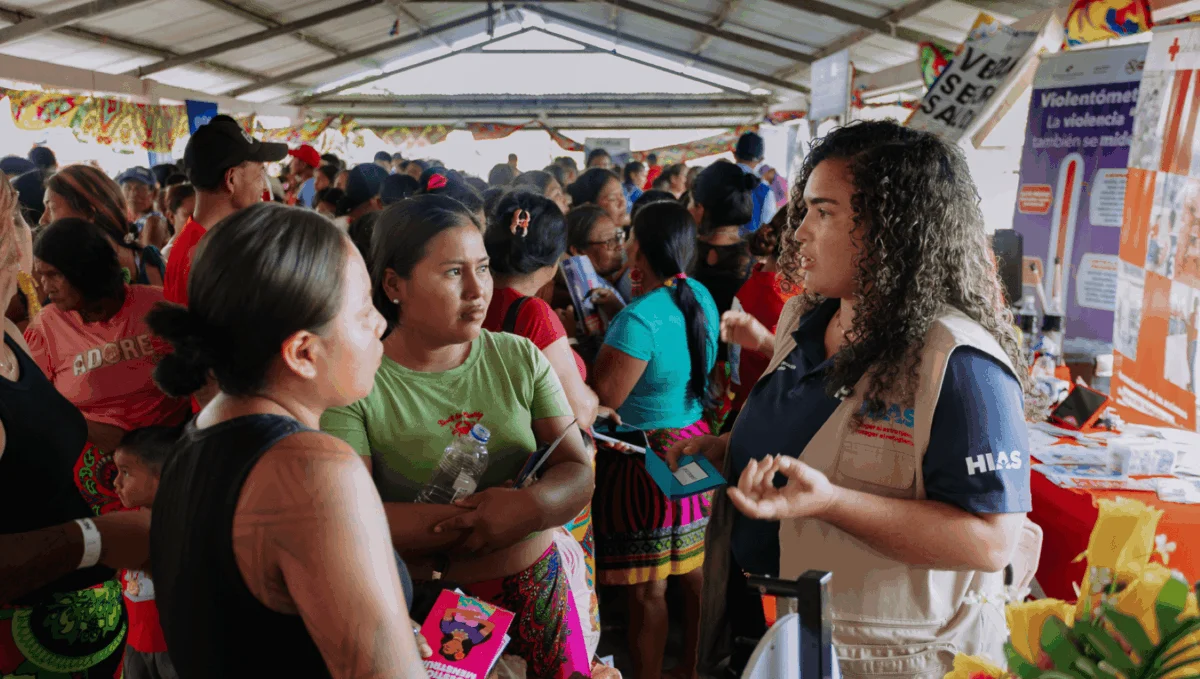
This initiative is supported by a coalition of prominent Jewish organizations dedicated to social justice and refugee advocacy. These include HIAS (formerly the Hebrew Immigrant Aid Society), T’ruah: The Rabbinic Call for Human Rights, and the Religious Action Center of Reform Judaism (RAC), among others. These organizations have been instrumental in organizing the clergy, providing resources, and facilitating the dissemination of the statement and accompanying video.
The video, titled "America’s Jewish Clergy Speak Out for Immigrants," features several prominent rabbis and cantors articulating their commitment to welcoming and protecting refugees and asylum seekers. Their testimonies are interwoven with historical imagery and contemporary footage, creating a compelling visual narrative that underscores the urgency of their message.
The clergy’s involvement is a testament to the ongoing evolution of Jewish engagement with social justice. Historically, Jewish organizations have played a vital role in advocating for immigrants and refugees, reflecting a tradition of mutual aid and solidarity. This current effort represents a contemporary manifestation of that long-standing commitment, adapted to the challenges and opportunities of the 21st century.
Data and Demographics of Support
The list of participating clergy includes individuals from all 50 states and the District of Columbia, indicating a truly national reach. The signatories represent a wide array of congregational sizes and affiliations, from large urban temples to smaller rural congregations, further underscoring the broad consensus within the rabbinate.
While specific demographic data on the religious affiliations of all signatories is not detailed in the initial announcement, the broad denominational spectrum mentioned suggests representation from:
- Reform Judaism: A movement known for its emphasis on social justice (Tikkun Olam – repairing the world).
- Conservative Judaism: A movement that balances tradition with contemporary concerns, often engaging in social action.
- Reconstructionist Judaism: A movement that views Judaism as a civilization and emphasizes evolving traditions and social responsibility.
- Orthodox Judaism: While historically more varied in its engagement with social justice issues, the inclusion of Orthodox clergy signifies a growing commitment to humanitarian concerns within this segment of the community.
- Unaffiliated Clergy: Including those who may not formally align with a specific movement but are active in rabbinic leadership and community engagement.
The sheer volume of over 1,100 signatories is particularly noteworthy. This represents a substantial portion of active U.S. Jewish clergy, suggesting a deep and widespread concern about immigration policies and the welfare of displaced persons.
A Unified Call to Moral Leadership
The coordinated effort by over 1,100 U.S. Jewish clergy to support refugees and immigrants is a powerful demonstration of moral leadership grounded in historical experience and religious conviction. By invoking their heritage and sacred texts, these religious leaders are not only advocating for a specific policy outcome but are also reminding society of the universal values of compassion, justice, and human dignity. Their unified voice serves as a beacon, urging a more humane and just approach to those seeking refuge and a better life. The initiative underscores the enduring relevance of Jewish tradition in addressing contemporary global challenges.