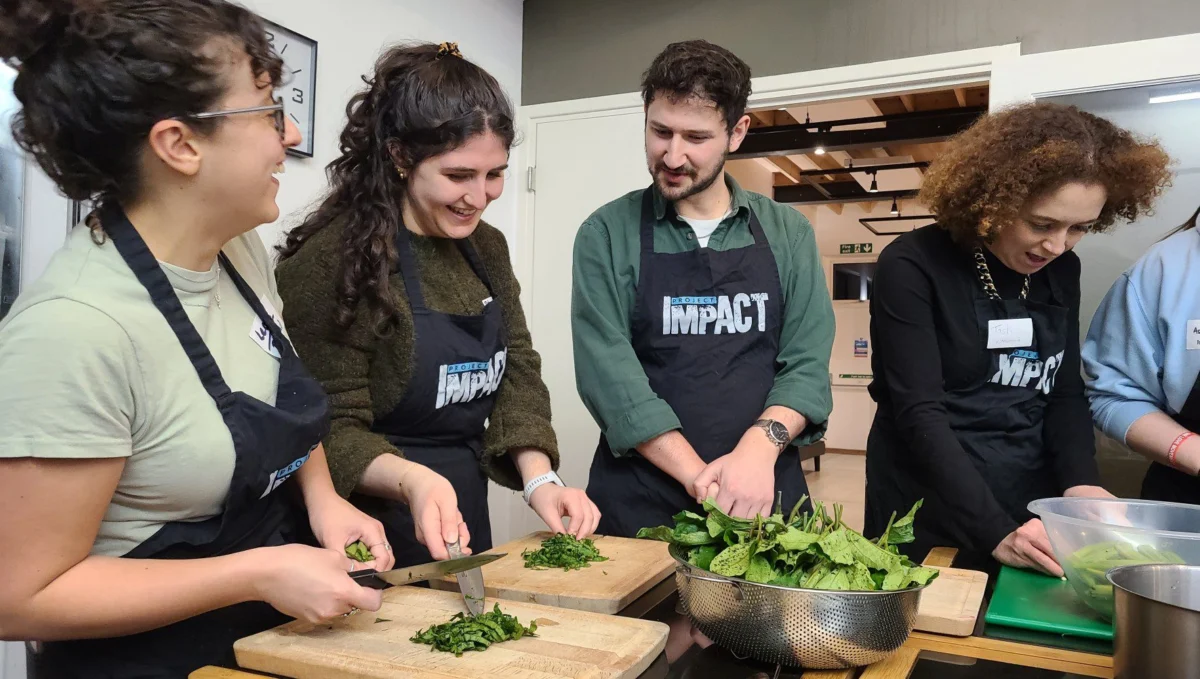
As Passover approaches, HIAS, a global Jewish humanitarian organization, is issuing a powerful call to action, urging individuals to connect the ancient story of liberation with the contemporary plight of refugees and displaced persons. In a reflection penned by Rabbi-in-Residence Sarah Bassin, HIAS emphasizes that the traditional Passover question, "Why is this night different from all other nights?" serves as a profound prompt for remembrance and action, particularly in light of the escalating global displacement crisis. This year, the message resonates with renewed urgency, as millions worldwide face forced migration due to conflict, persecution, and climate change.
The Enduring Significance of Passover Symbols
The Passover seder, a ritual meal commemorating the Israelites’ exodus from slavery in ancient Egypt, is rich with symbolic elements that directly mirror the experiences of those forced to flee their homes. The bitter herbs, or maror, represent the bitterness of oppression, while the matzah, unleavened bread baked in haste, symbolizes the urgency of flight. The salt water, into which participants dip vegetables, evokes the tears shed by those forced to leave everything behind. Finally, the act of reclining during the meal signifies the attainment of freedom and safety, a moment of rest after enduring hardship.
"These aren’t just symbols," Bassin writes. "They’re the architecture of displacement itself – fear, flight, grief, and the aching hope for sanctuary." This framing imbues the Seder’s rituals with a contemporary relevance, urging participants to move beyond a purely historical recollection to a visceral understanding of the challenges faced by refugees today. The question, "Why is this night different?" is thus not merely an intellectual exercise but an invitation to open one’s heart and mind to the shared human experience of seeking refuge.
A Modern Exodus: The Global Displacement Crisis
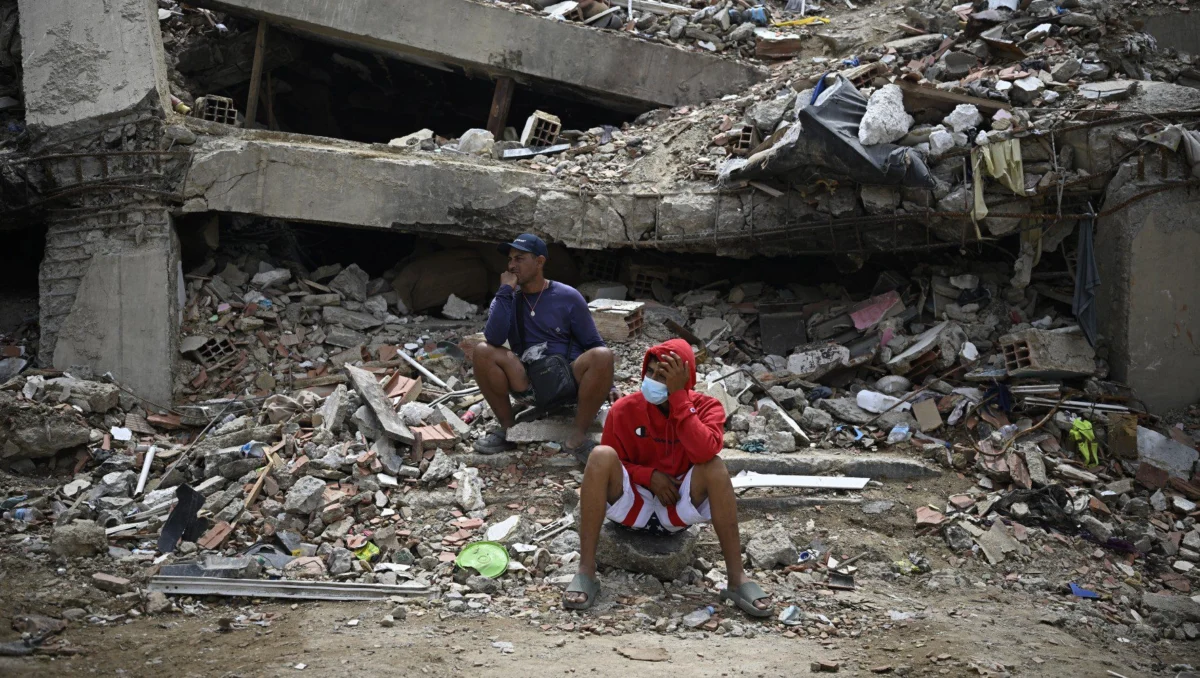
The imperative for action highlighted by HIAS is grounded in stark global realities. As of the end of 2023, the United Nations High Commissioner for Refugees (UNHCR) reported a record 110 million forcibly displaced people worldwide. This figure includes refugees, asylum seekers, internally displaced persons (IDPs), and others forced to flee their homes. The drivers of this displacement are multifaceted, ranging from protracted conflicts in regions like Ukraine, Sudan, and Syria, to political instability, persecution based on ethnicity or religion, and the increasingly devastating impacts of climate change, which exacerbates resource scarcity and triggers environmental migration.
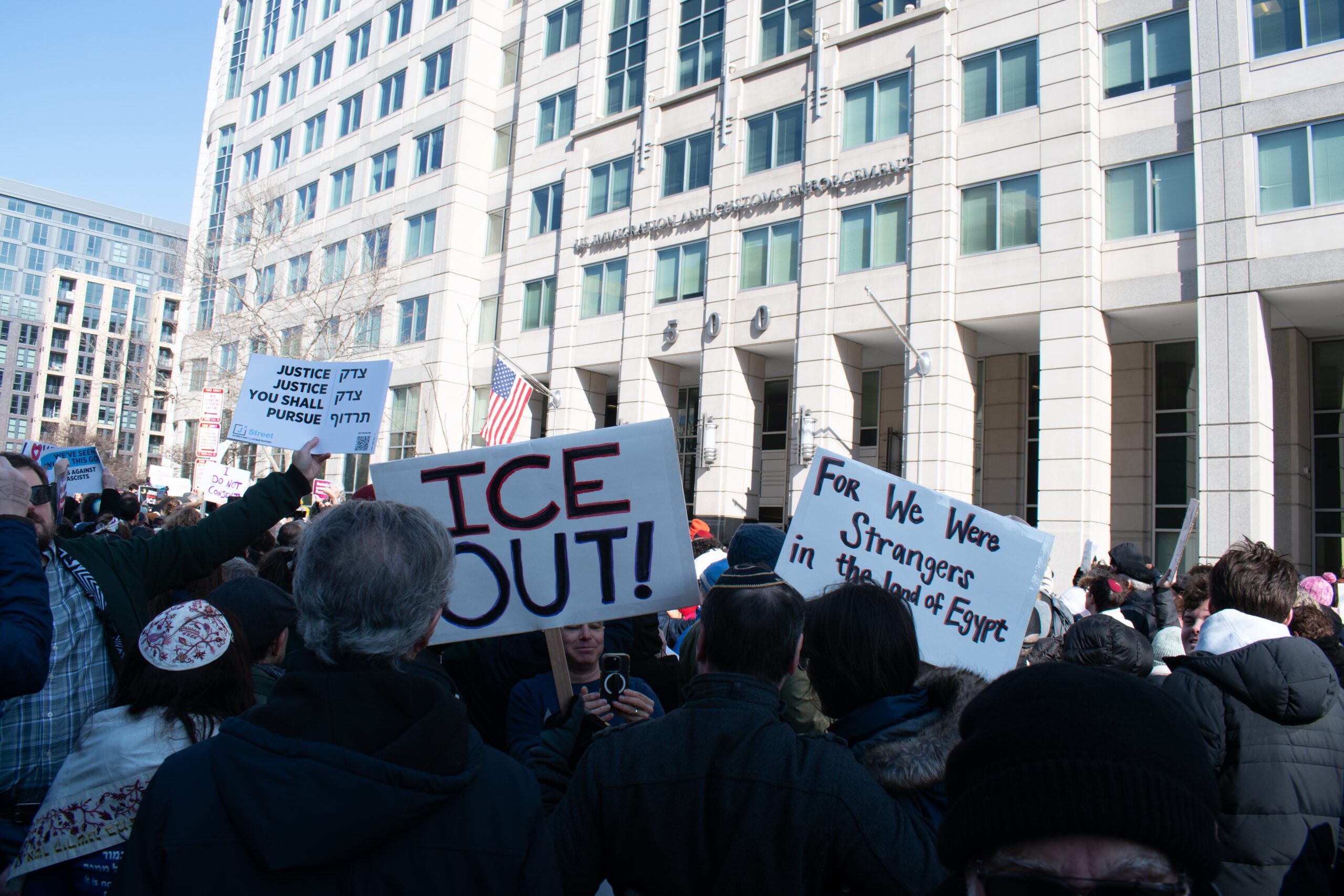
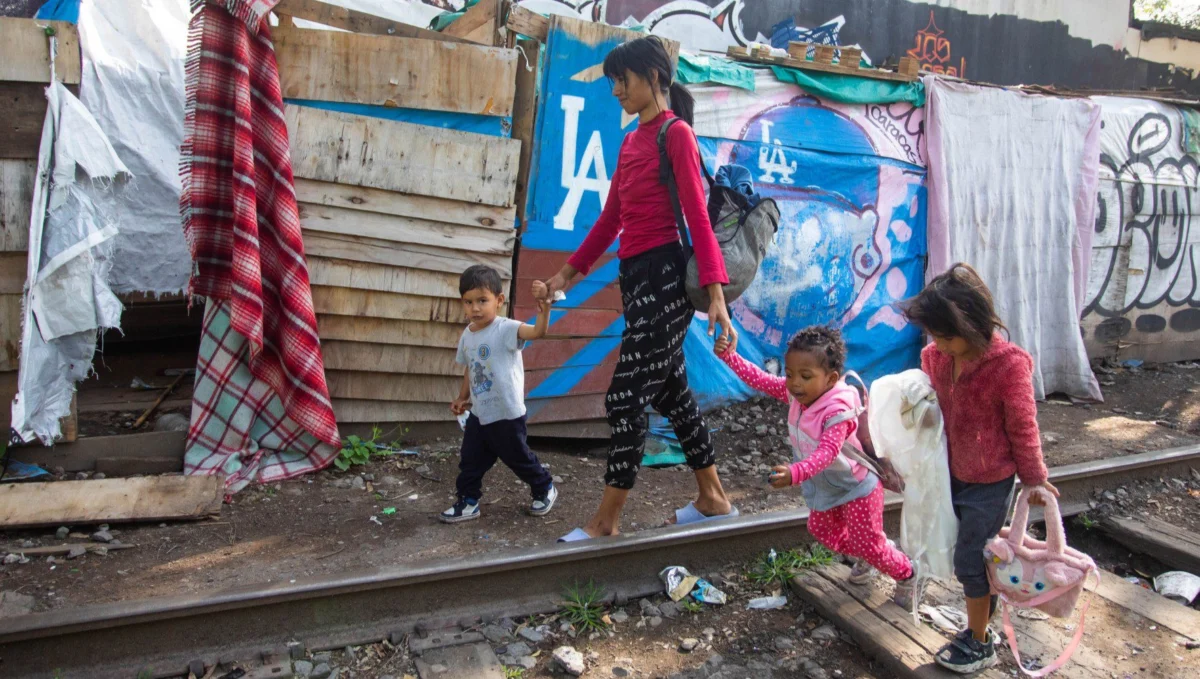
The journey of a refugee is fraught with peril. Families are often forced to leave behind homes, livelihoods, and loved ones with little more than the clothes on their backs. They face dangerous routes, exploitation by smugglers, and the trauma of witnessing violence and loss. Upon arrival in new countries, they encounter bureaucratic hurdles, cultural barriers, and often, a climate of suspicion and xenophobia. The process of seeking asylum can be lengthy and arduous, with many living in uncertainty for years, unable to work, integrate, or plan for their futures.
The Haggadah’s Mandate: "In Every Generation…"
The Passover Haggadah contains a pivotal commandment that lies at the heart of HIAS’s advocacy: "In every generation, everyone is obligated to see themselves as though they personally left Egypt." Bassin underscores that this is not an abstract call for empathy but a direct mandate for responsibility. It compels individuals to actively connect their own freedom and security to the struggles of those who are still seeking it.
This commandment serves as a powerful counterpoint to the prevailing narratives of fear and exclusion that often dominate discussions around immigration and refugee resettlement. It reminds us that our own history is intertwined with the experience of being strangers in a foreign land, and that our liberation was, in part, made possible by the compassion of others. This historical memory, HIAS argues, should fuel a reciprocal obligation to extend that same compassion to those in need today.
HIAS’s Role and the Urgency of Support
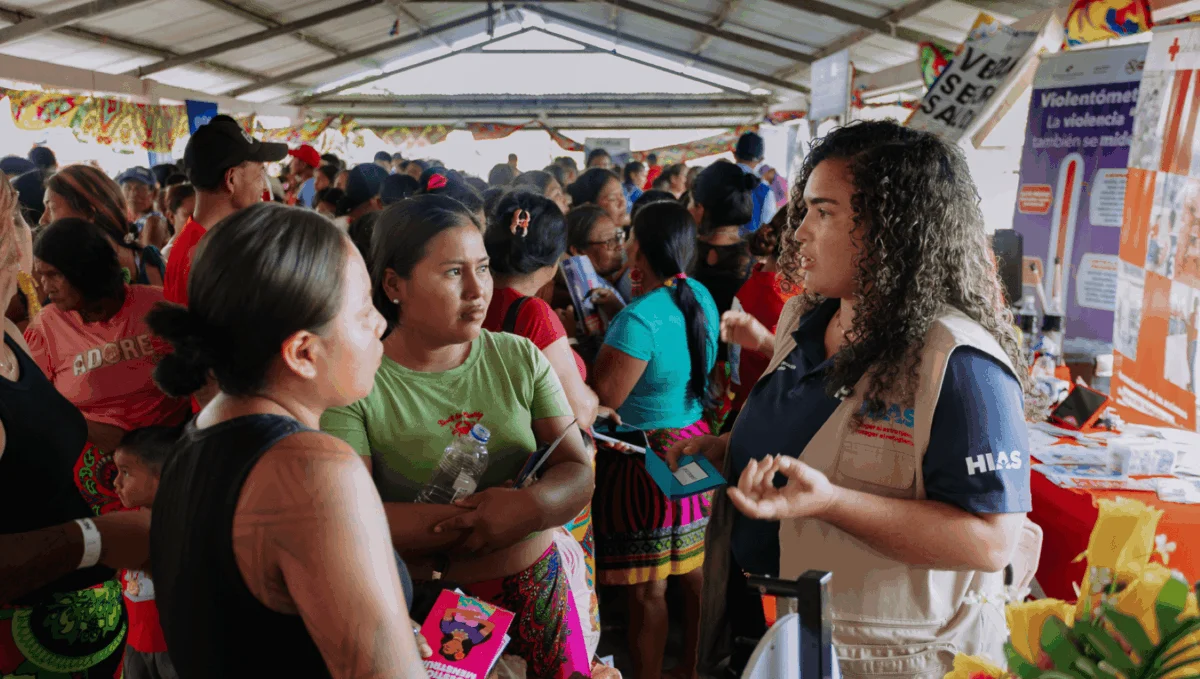
HIAS has been at the forefront of assisting refugees and displaced persons for over a century, building upon its Jewish roots to provide vital humanitarian aid and legal services. The organization works to ensure that refugees are not only safe but also have the opportunity to rebuild their lives with dignity. This includes providing legal assistance to navigate asylum claims, offering psychosocial support to help individuals cope with trauma, and facilitating integration into new communities.
The current global context presents unprecedented challenges. As Bassin notes, "Refugees, asylum seekers, and displaced people are facing increasing xenophobia, shrinking protections, and political winds that threaten to erase their dignity and their rights." In many parts of the world, borders are hardening, asylum systems are strained, and anti-immigrant sentiment is on the rise. This creates a critical need for organizations like HIAS to advocate for humane policies and to provide direct assistance to those most vulnerable.

A Call to Action: Beyond Symbolism
The Passover message from HIAS is clear: remembrance without action is incomplete. The organization urges individuals to translate the lessons of the Seder into tangible support for refugees and immigrants. This can take many forms, including:
- Donations: Financial contributions to organizations like HIAS directly fund essential services and advocacy efforts. The article explicitly calls for donations, stating, "Now more than ever, your support is needed to help refugees and displaced people rebuild their lives."
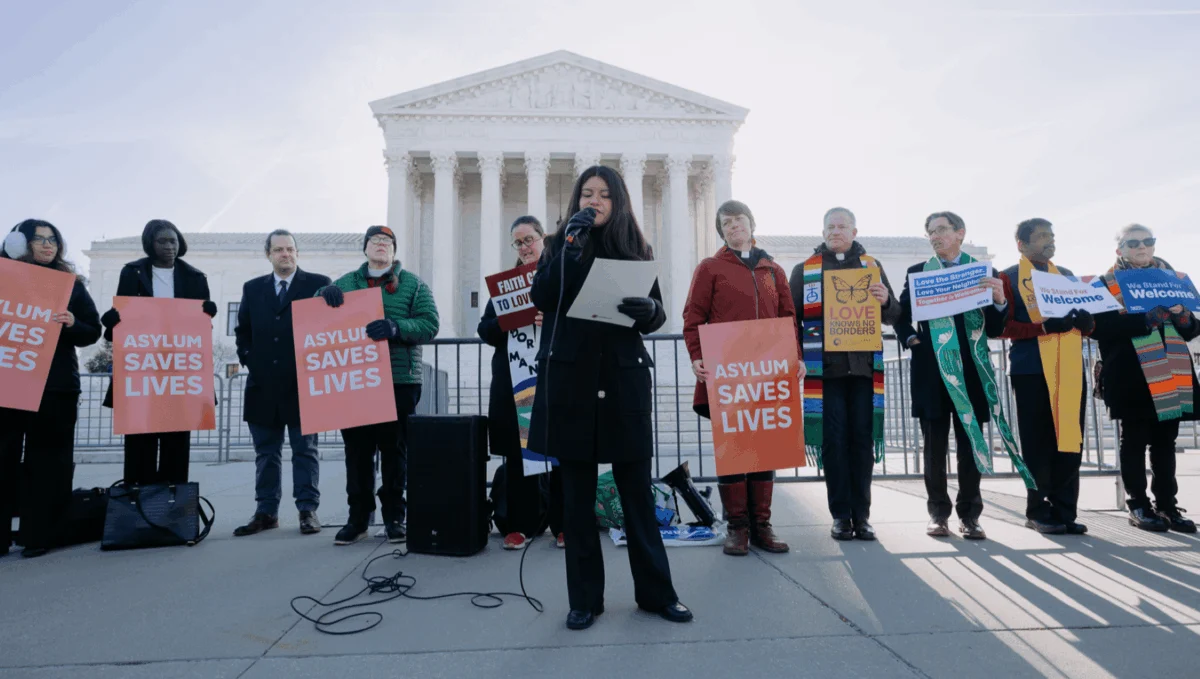
- Advocacy: Engaging with elected officials to support policies that protect refugees and asylum seekers, and to oppose discriminatory legislation. This can include contacting representatives, signing petitions, and participating in public awareness campaigns.
- Volunteering: Offering time and skills to local refugee resettlement agencies or community organizations that support immigrants. This can involve tutoring, providing job search assistance, or simply offering companionship and a welcoming presence.
- Education and Awareness: Sharing information about the realities of displacement and the importance of welcoming refugees within one’s own community. This can involve hosting discussions, sharing articles, and challenging misinformation.
The accompanying video from HIAS features a related news item titled "Seven Ways You Can Take Action for Immigrants," further underscoring the organization’s commitment to providing concrete avenues for engagement. This suggests a strategic approach to empowering individuals to make a meaningful difference in the lives of displaced populations.
Broader Implications and the Future of Welcome
The implications of the current global displacement crisis extend far beyond the immediate humanitarian concerns. The rise of xenophobia and nationalism poses a threat to international cooperation and the principles of human rights that have underpinned global stability since World War II. As countries become more insular, the ability to address complex global challenges like climate change, pandemics, and economic instability is diminished.
The Passover narrative, with its emphasis on liberation and the commandment to welcome the stranger, offers a powerful counter-narrative. It reminds us that our own prosperity and security are intrinsically linked to the well-being of others. By choosing compassion over fear, and by actively working to support refugees and immigrants, we not only uphold our moral obligations but also contribute to a more just, equitable, and ultimately, more secure world for all.
As Bassin concludes, "This Passover, as we ask why this night is different, we already know. It’s different because we do not let ourselves get distracted. Because we choose to remember. Because we choose to act. Because you choose to be with us." This sentiment encapsulates the spirit of the season and the vital mission of organizations like HIAS, calling on each individual to play a part in rewriting the stories of those who have been forced from their homes, transforming despair into hope and displacement into a new beginning.