Before the advent of modern medical paradigms, Indigenous Peoples across the globe cultivated sophisticated systems of health and healing. These practices, honed over generations through deep ecological understanding and communal ceremonies, prioritized well-being, illness treatment, and the alleviation of suffering. Now, through Cultural Survival’s Indigenous Youth Fellowship Program, three young Indigenous women are spearheading a critical initiative to reconnect their communities with this invaluable ancestral knowledge, focusing on the vital roles of women in traditional medicine, midwifery, and holistic care.
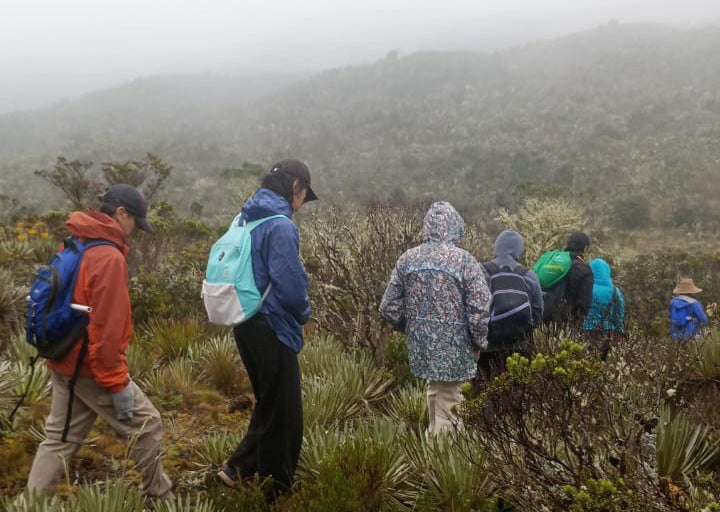
The fellows, hailing from the Muisca communities of Colombia, the Ngäbe people of Costa Rica, and the Kichwa Otavalo of Ecuador, are actively working to re-establish pathways once walked by their maternal ancestors. By centering the lifeways and wisdom of women, they are ensuring that traditional knowledge surrounding midwifery, menstruation, herbalism, and the broader spectrum of womanhood becomes accessible and relevant once more. This effort is not merely about preservation; it is a dynamic process of revitalization, empowering current and future generations with practices deeply rooted in their cultural identities and connection to the land.
Muisca Resilience: Reclaiming Feminine Medicine in Colombia
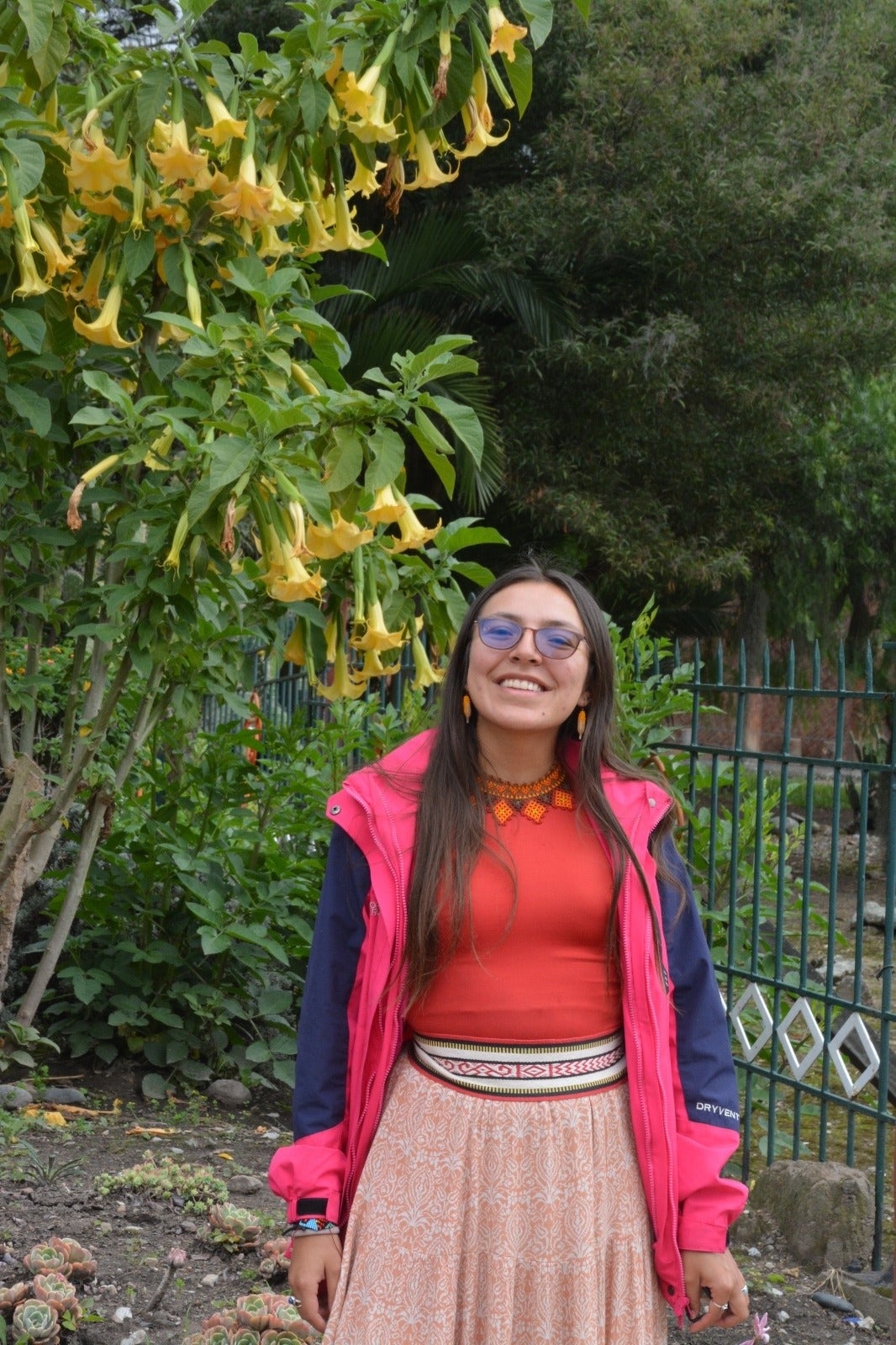
Gabriella Garibello Daza, a 2025 Youth Fellow from the Muisca nation in what is now Bogotá, Colombia, embodies this spirit of reclamation. Her academic background in literature from Javeriana University, coupled with her co-founding of the "Tinzi" (meaning "to bloom") Indigenous collective and her leadership in the Bosa Native Language Revitalization Program, has provided her with a robust foundation for community engagement. These experiences have consistently guided her efforts in fostering discussions on cultural identity, health, oral traditions, and Indigenous education. Currently, she is immersed in an apprenticeship, deepening her understanding of Muisca ancestral medicine and midwifery.
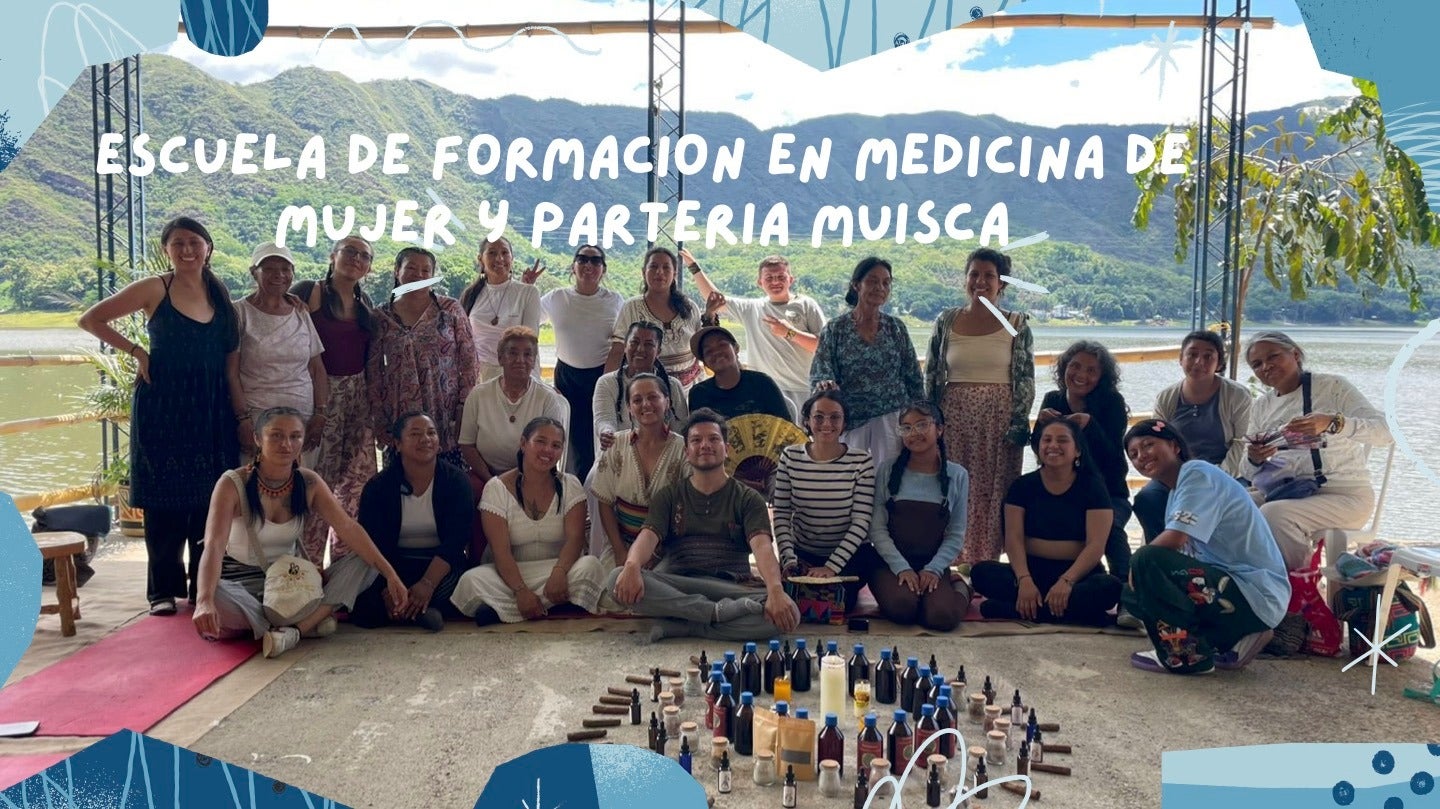
Under the umbrella of the Cultural Survival Indigenous Youth Fellowship, Gabriella, supported by co-coordinators Erika Samantha Galeano, Wendy Lorena Díaz Pachón, and Deina Catherin Tovar, established the "Escuela de Formación en Medicina Natural de Mujer y Partería Tradicional Muisca" (School of Training in Natural Medicine for Women and Traditional Muisca Midwifery). This initiative, named after a pre-existing educational structure, underscores the profound significance of reintegrating Indigenous identities through robust community building and the vital exchange of knowledge.
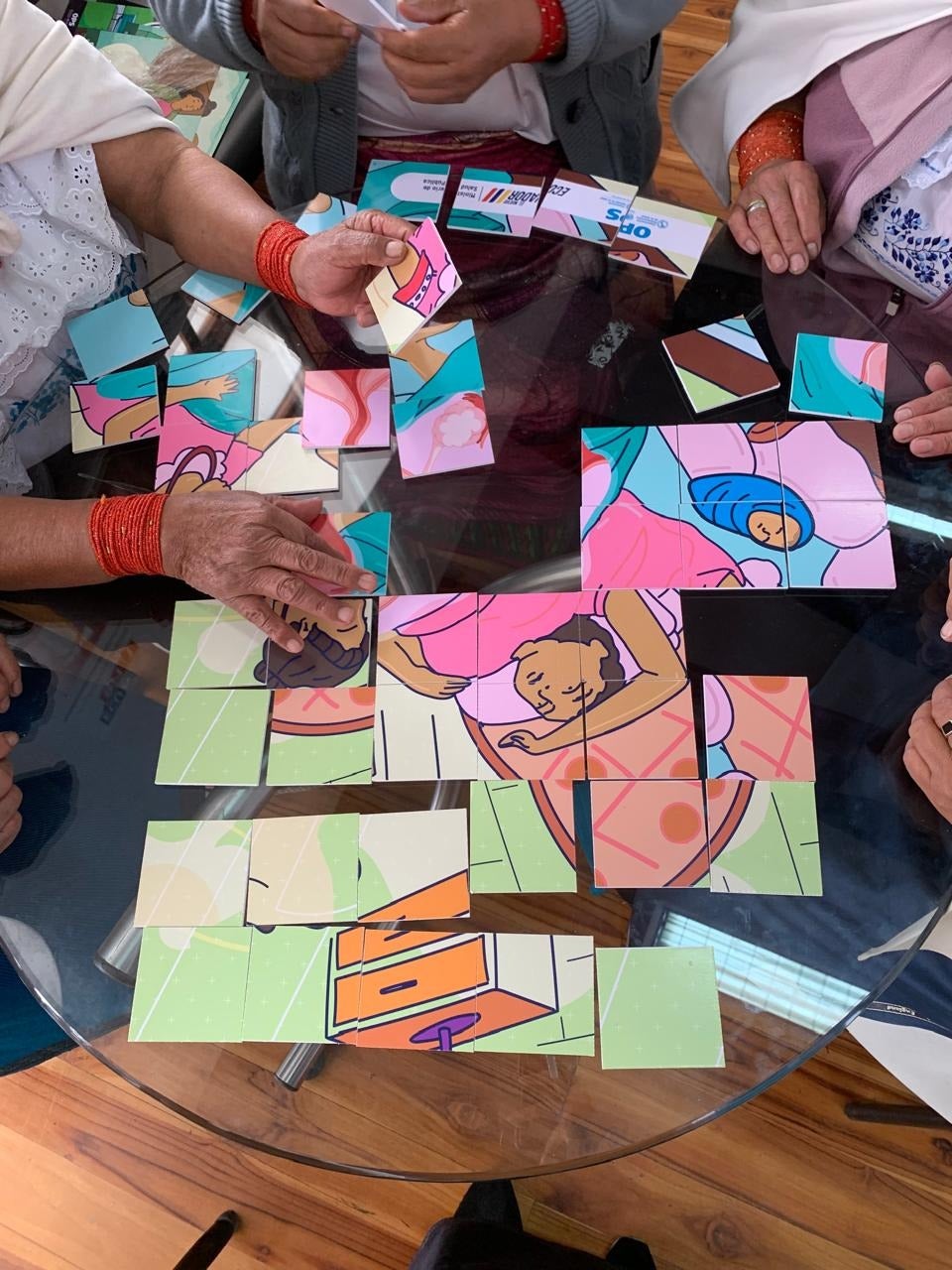
The project’s core mission was to empower Muisca women through preventative care, fostering their physical, emotional, and spiritual well-being. Gabriella notes a pervasive challenge: "Women in these communities are usually caring for others, but they don’t often have the time to care for themselves." To address this, over an eight-month period, twenty participants from four Muisca communities convened monthly for intensive knowledge transfer sessions. The program was structured around four interconnected spirals: Tasqua ("thought"), Quyca ("territory"), Puyky ("heart"), and Sie ("water"). Each spiral encompassed immersive capacity-building workshops, integrating diverse aspects of Muisca knowledge. Topics explored included the intricate relationship between weaving and well-being, understanding menstruation within lunar cycles, womb care practices, traditional massage techniques, therapeutic baths and steams, and the application of herbal medicine.
The project culminated in a profound realization for Gabriella: her capacity to hold space and facilitate healing for her community. This understanding has solidified her commitment to creating spaces by women, for women, recognizing that such interconnectedness is fundamental not only for learning and strengthening but also for profound healing. In this intergenerational transmission of knowledge, the women of the Muisca communities are pioneers, forging new paths while honoring ancient wisdom. "The path of a leader is in company and not individually," Gabriella shares. "It’s not about one person leading everything, it’s a shared responsibility." This philosophy of collective leadership and shared responsibility is a cornerstone of revitalizing traditional practices.
Bridging Worlds: Ngäbe Maternal Health in Costa Rica
Thalía Jiménez Tomás, a 2025 Youth Fellow from the Ngäbe Indigenous people of Costa Rica, is making significant strides in maternal health within her community. Residing in the Limón province, Thalía is a co-founder of the Meri Derikä Ngäbe Association (Ngäbe Women Leaders of Sixaola) and holds a degree in Local Management for Indigenous Peoples from the National Distance Education University (UNED). Her advocacy has been instrumental; in 2018, she played a pivotal role in the creation of Law Number 9710, which officially recognizes the identities of Indigenous and Tribal peoples and establishes protective procedures for their rights. For her extensive work with the Indigenous Women’s Organization and her tireless promotion of Ngäbe rights, Thalía was honored with the 2024 European Union’s Gender Equality award.
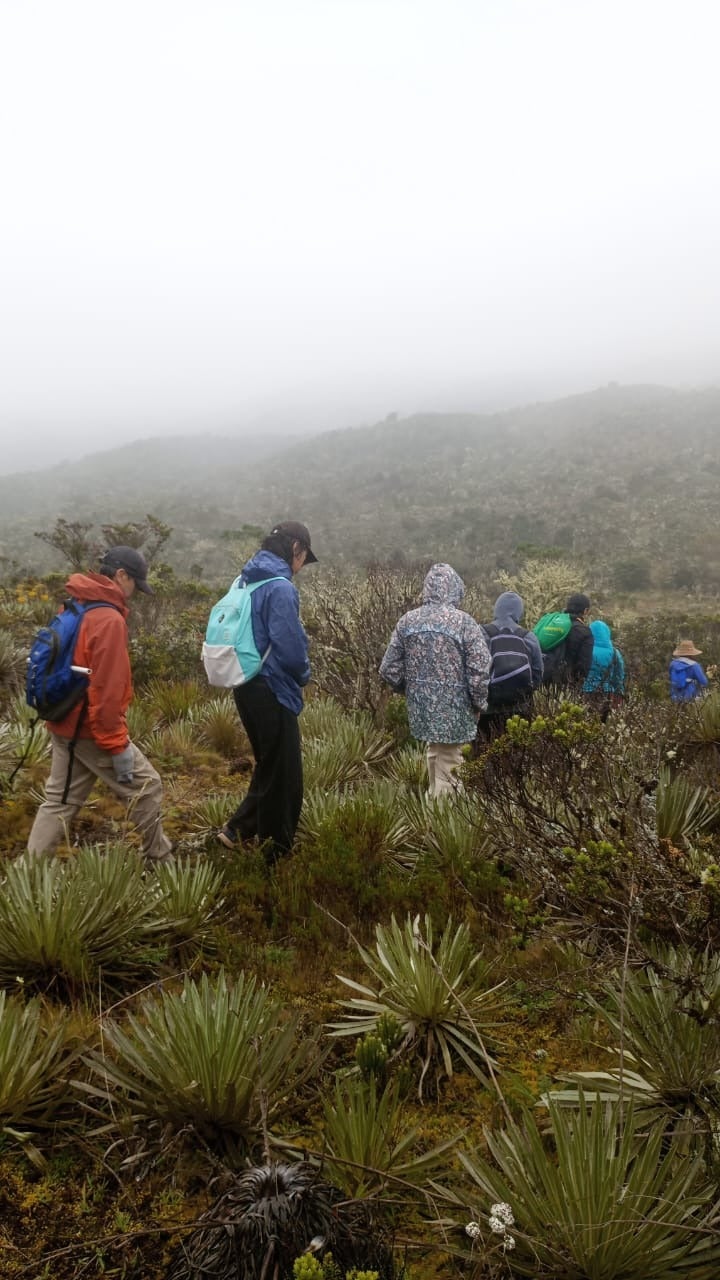
Her project, "Meritre krëgae Dean nain, migatrë gare monsotre ngäbere (Maternal Health as a Vision in Ngäbe Youth)," aimed to facilitate the recovery and integration of intercultural maternal health knowledge. This involved fostering dialogue between Ngäbe midwives, women, youth, and state-sanctioned healthcare providers.
Ngäbe women often face significant barriers in accessing medical care, primarily due to geographical distance and the associated travel challenges. Compounding these issues is a frequent language barrier when Ngäbe women seek care at healthcare centers for childbirth or other medical needs. This communication gap can lead to a situation where they may consent to treatments that are not aligned with their Indigenous cosmologies or simply do not comprehend the medical procedures being offered. While legal protections exist, communities are not always fully aware of their rights. Historically, many Ngäbe women have given birth at home. However, this practice can lead to complications when children are to be enrolled in school, as parents may lack birth certificates, leaving the state without documentation verifying the child’s residency within Ngäbe communities or their citizenship in Costa Rica. These lived experiences underscore the urgent need for initiatives like Thalía’s project.
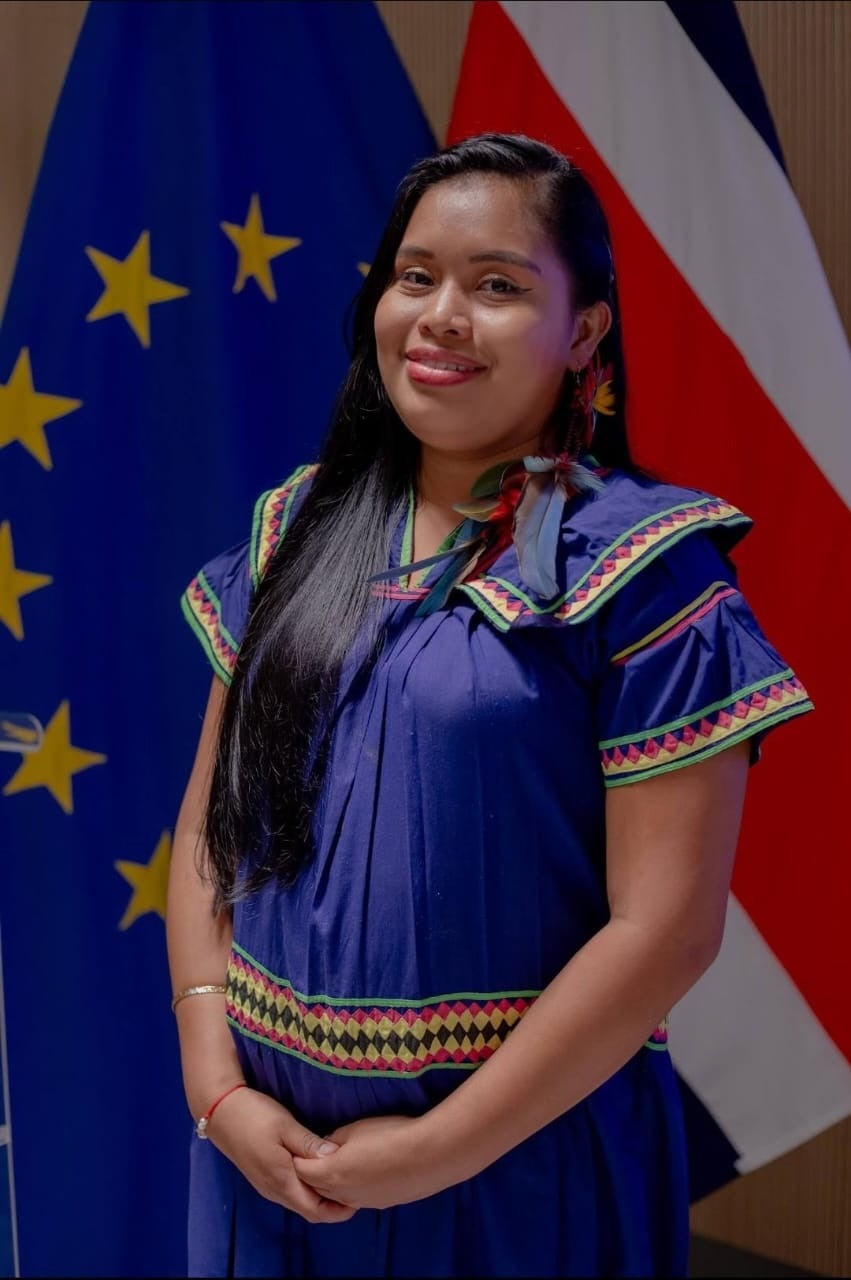
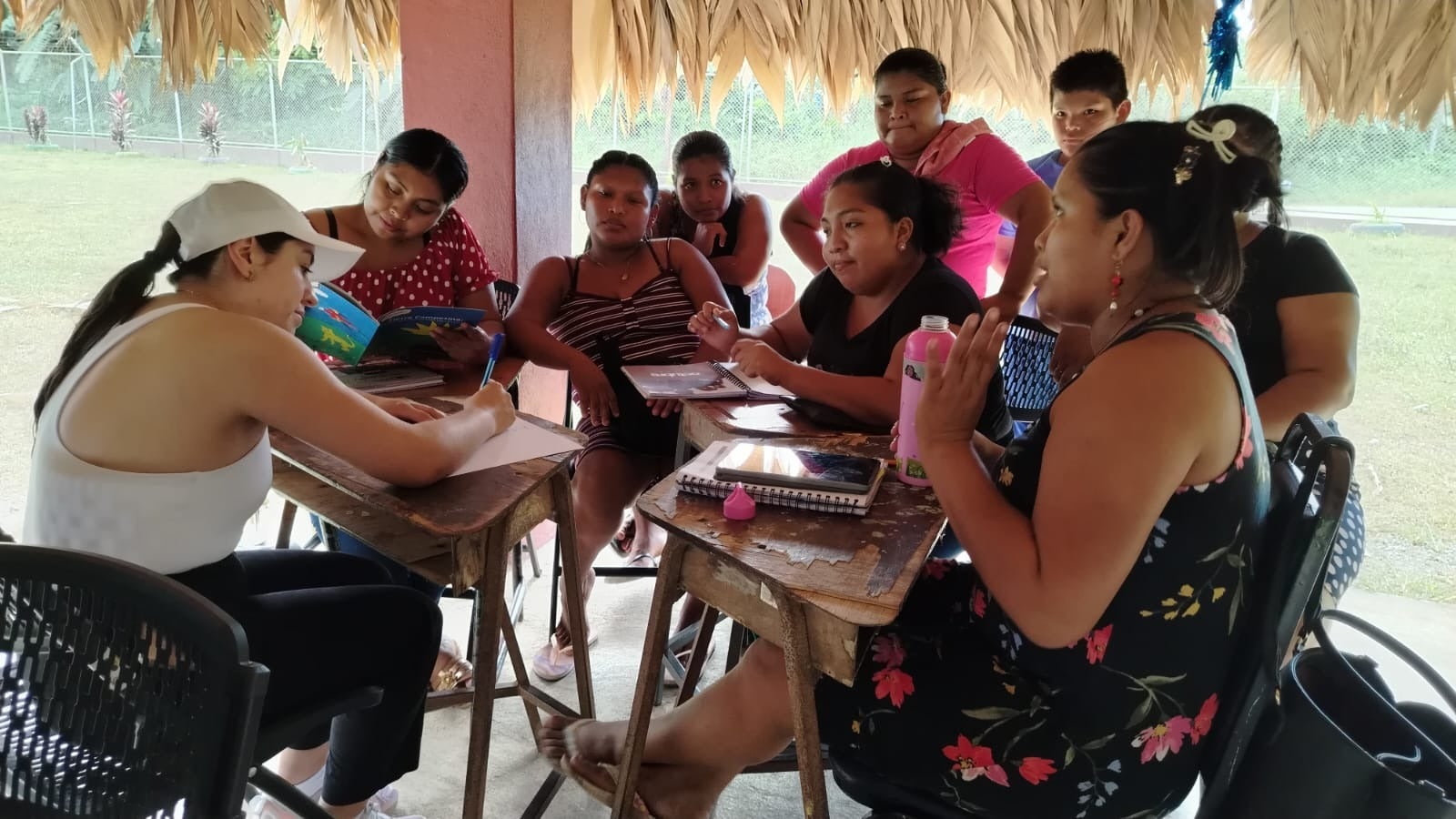
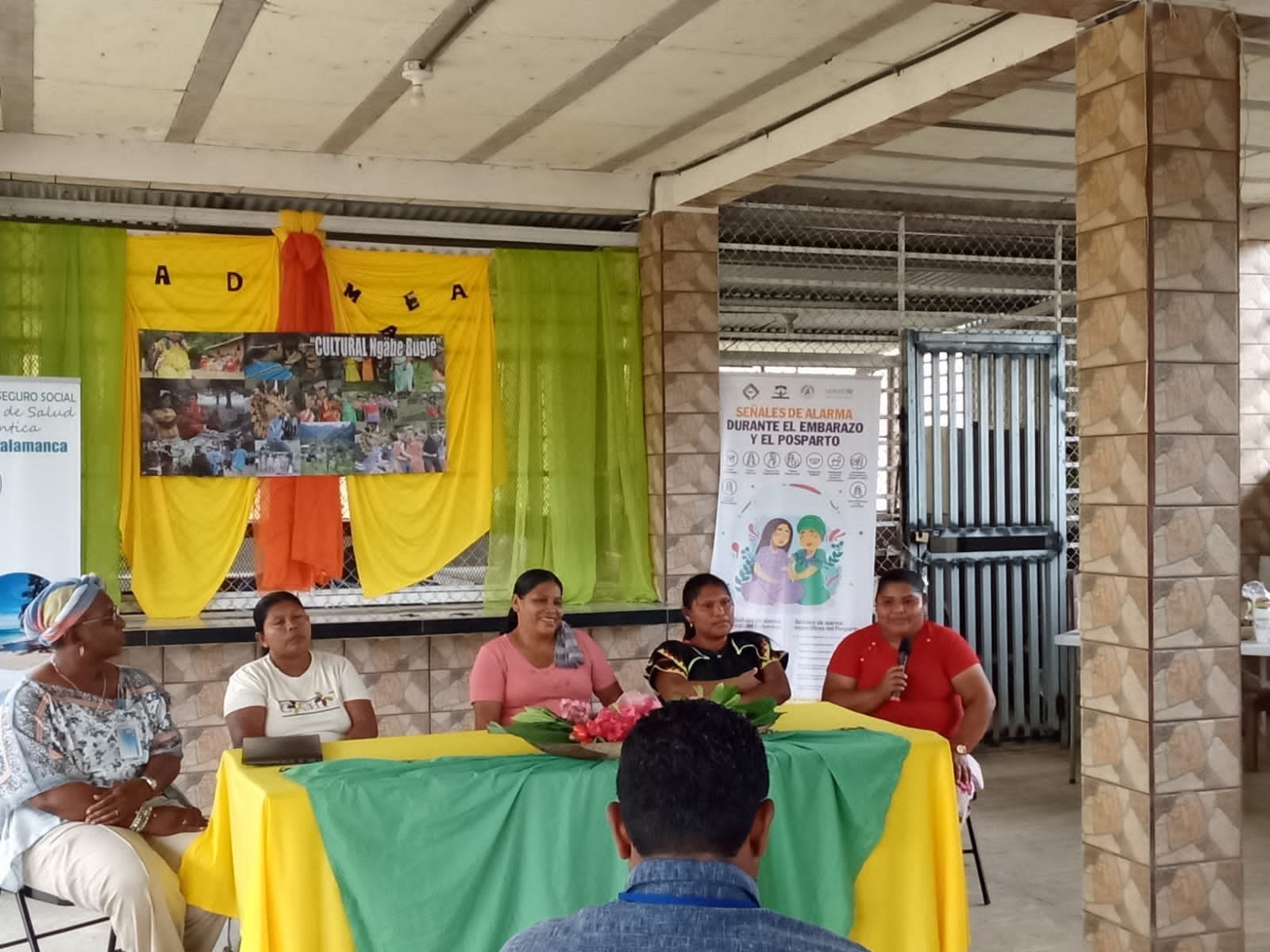
As a result of Thalía’s dedicated work, over 40 women across four Ngäbe communities have benefited. The project provided access to vital knowledge exchange sessions and medicinal herbs. Crucially, it facilitated direct dialogue with health officials, including obstetricians, enabling Ngäbe women to advocate for their specific needs and receive information that resonates with their cultural worldview. The positive impact of this initiative has been recognized beyond the community, with the University of Costa Rica reaching out to request a workshop, acknowledging the project’s innovative approach to intercultural healthcare.
Thalía views her involvement in this project as a profound honor, particularly the opportunity to collaborate with Cultural Survival. "These borders were placed by the States, yet the connections women had amongst themselves already existed," she reflects. Driven by the project’s success, Thalía is actively campaigning to secure state-recognized territory where the Ngäbe people can establish a permanent and recognized home. She expresses deep concern that living outside of ancestral territories can lead to the gradual disintegration of Indigenous identities and the erosion of traditional practices. To ensure that her people do not forget their origins and their inherent sense of self, Thalía continues her advocacy with unwavering determination.
Preserving Kichwa Otavalo Wisdom: The Yuyaykuna Initiative in Ecuador
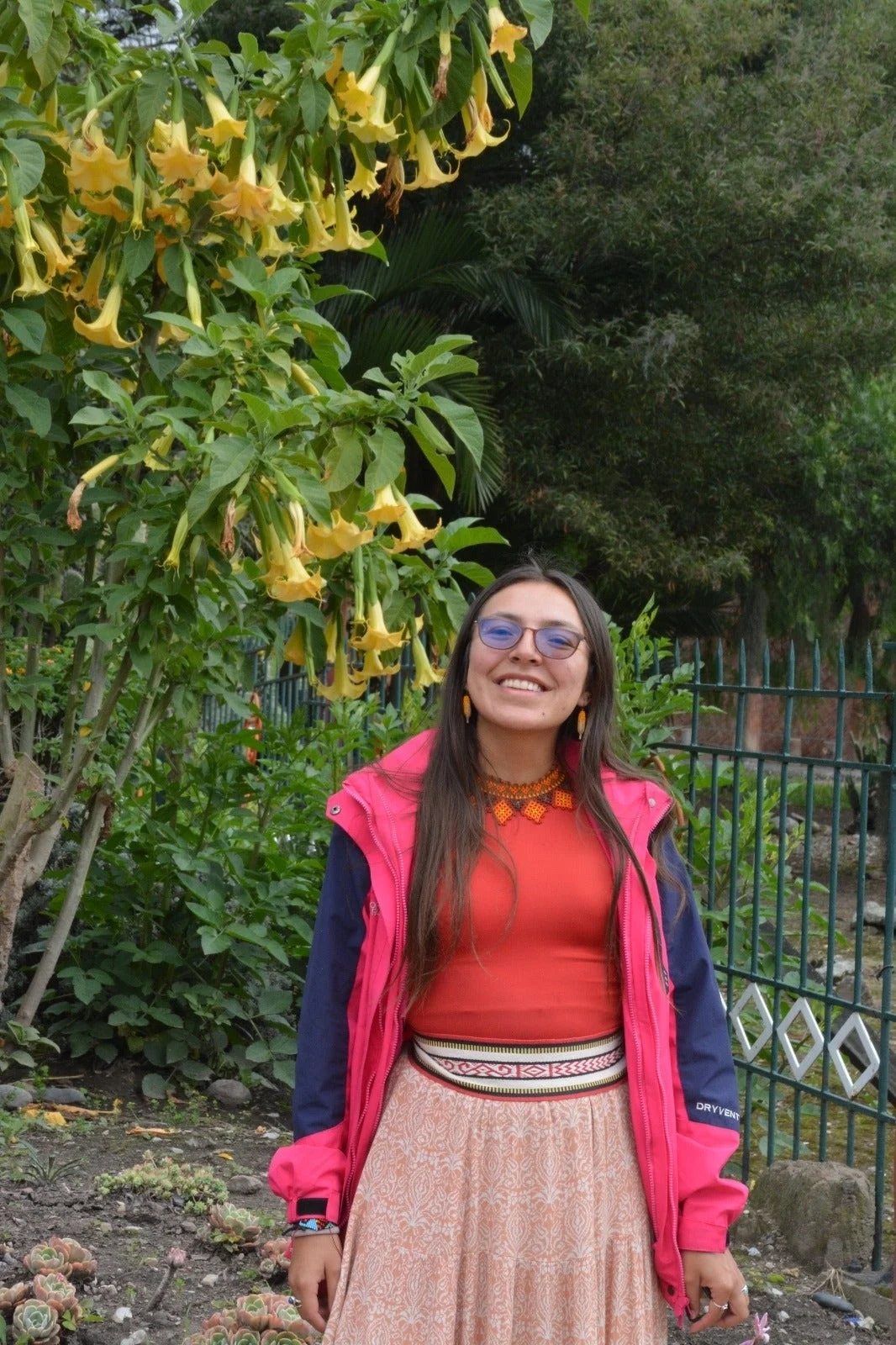
Cenia Kaina Córdova Pichamba, a 2025 Youth Fellow from the Kichwa Otavalo people of Ecuador, is dedicated to preserving the rich tapestry of ancestral knowledge within her community. Hailing from Peguche, Imbabura, Cenia holds a degree in Arts and Humanities and has pursued further education in Anthropology, research, and cultural heritage. Her community, Doctor Miguel Egas Cabezas Peguche, is comprised of several Indigenous communities. The region is historically known for its textile workshops, often viewed through an archaeological lens as a relic of the past. Elders have voiced significant concerns regarding the erosion of cultural identity, and while the younger generation offers hope, crucial culturally significant customs are at risk of being lost.
One such tradition under threat is the practice of childbirth. Locating experienced midwives has become increasingly challenging due to the advanced age of practitioners, language barriers, memory loss, and a notable absence of documented ancestral knowledge. Recognizing these obstacles, Cenia’s project, "Yuyaykuna" (meaning "knowledge" in Kichwa), was conceived as a deliberate and intentional response, aiming to create lasting positive change within her community. "Yuyaykuna," Cenia explains, "is an initiative to compile and recognize Indigenous science and knowledge." The project asserts that Indigenous knowledge is not merely folklore but an integral component of everyday life.
The core of Yuyaykuna’s methodology has been meticulous record-keeping. This involved documenting and collecting oral histories through interviews with Kichwa midwives, creating photographic archives to complement these narratives, and producing compelling portraits of the midwives and the medicinal plants they utilize. Through carefully curated photography, Yuyaykuna seeks to dismantle harmful stereotypes often associated with Indigenous figures, initiating a crucial dialogue about the impact of recognizing identity and the multifaceted ways it is constructed.
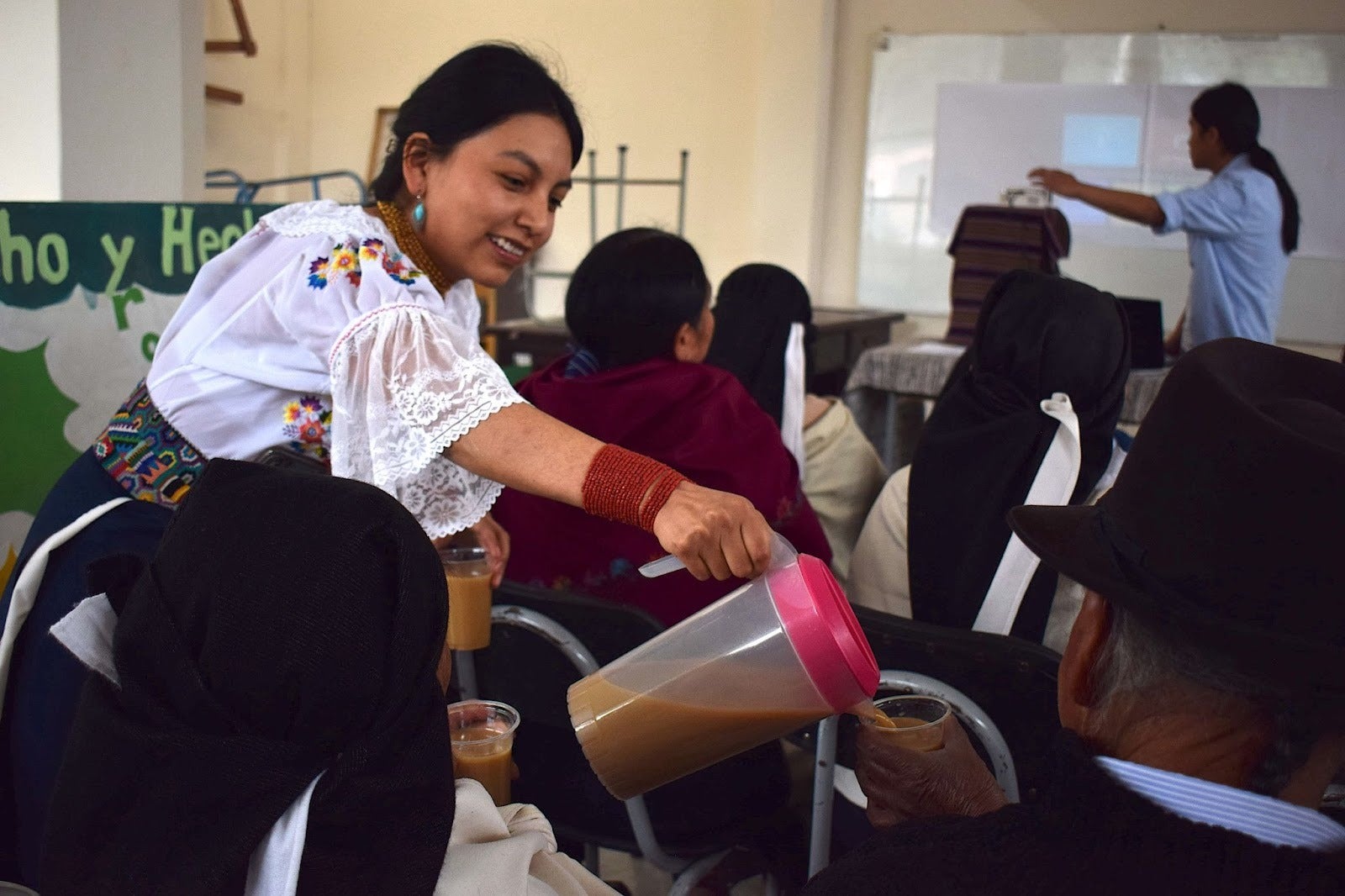
Following the documentation phase, Cenia organized a significant gathering of ten midwives. This event provided a platform for knowledge exchange, critical feedback, and mutual reinforcement of their shared experiences. Both midwives and a medical doctor specializing in obstetrics delivered presentations, exploring pathways to bridge traditional customs with modern medical practices. The gathering also fostered a sense of community and shared purpose, with communal meals prepared using traditional Kichwa recipes, reinforcing cultural continuity. All attendees received certificates of training completion, acknowledging their contributions and ongoing learning.
Despite living in the same city, the midwives who participated in the gathering often come from diverse cultural backgrounds and practice distinct customs. Nonetheless, the Yuyaykuna initiative successfully fostered a supportive network among Indigenous Kichwa women and midwives, demonstrating the power of shared goals and mutual respect.
The extensive data collected throughout Cenia’s project will be compiled into a photobook, a vital tool for safeguarding ancestral knowledge. By leveraging visual documentation, Cenia aims to counter the homogenizing effects of globalization, which poses a significant threat to the erasure of Kichwa history and unique ways of knowing. By disseminating the project’s findings back to the community, Cenia seeks to ensure the longevity of her traditional customs and strengthen the enduring presence of her cultural identity.
Broader Implications and Future Directions
The work undertaken by these three Indigenous Youth Fellows represents a critical intervention in the ongoing struggle to preserve and revitalize Indigenous knowledge systems. In a world increasingly dominated by Western biomedical models, these initiatives highlight the inherent value and efficacy of traditional healing practices. The projects demonstrate a clear understanding that health and well-being are not solely physical but encompass spiritual, emotional, and communal dimensions, deeply interwoven with cultural identity and ecological connection.
The intergenerational transmission of knowledge is a recurring theme, emphasizing the importance of empowering youth to become custodians of their heritage. By centering women, these fellows are reclaiming and reinforcing vital roles that have historically been marginalized or overlooked in broader societal narratives. The success of their projects, evidenced by community engagement, institutional recognition, and the creation of tangible resources like documented knowledge and community networks, offers a powerful model for other Indigenous communities facing similar challenges.
The long-term implications of these initiatives are substantial. By re-establishing accessible pathways to traditional healing knowledge, these fellows are contributing to greater community resilience, improved health outcomes, and a strengthened sense of cultural pride. Furthermore, their work challenges dominant narratives about Indigenous peoples, positioning them not as passive recipients of historical legacies but as active agents of cultural preservation and innovation. The continued support and amplification of such youth-led initiatives are crucial for ensuring that the wisdom of Indigenous Peoples continues to flourish for generations to come.