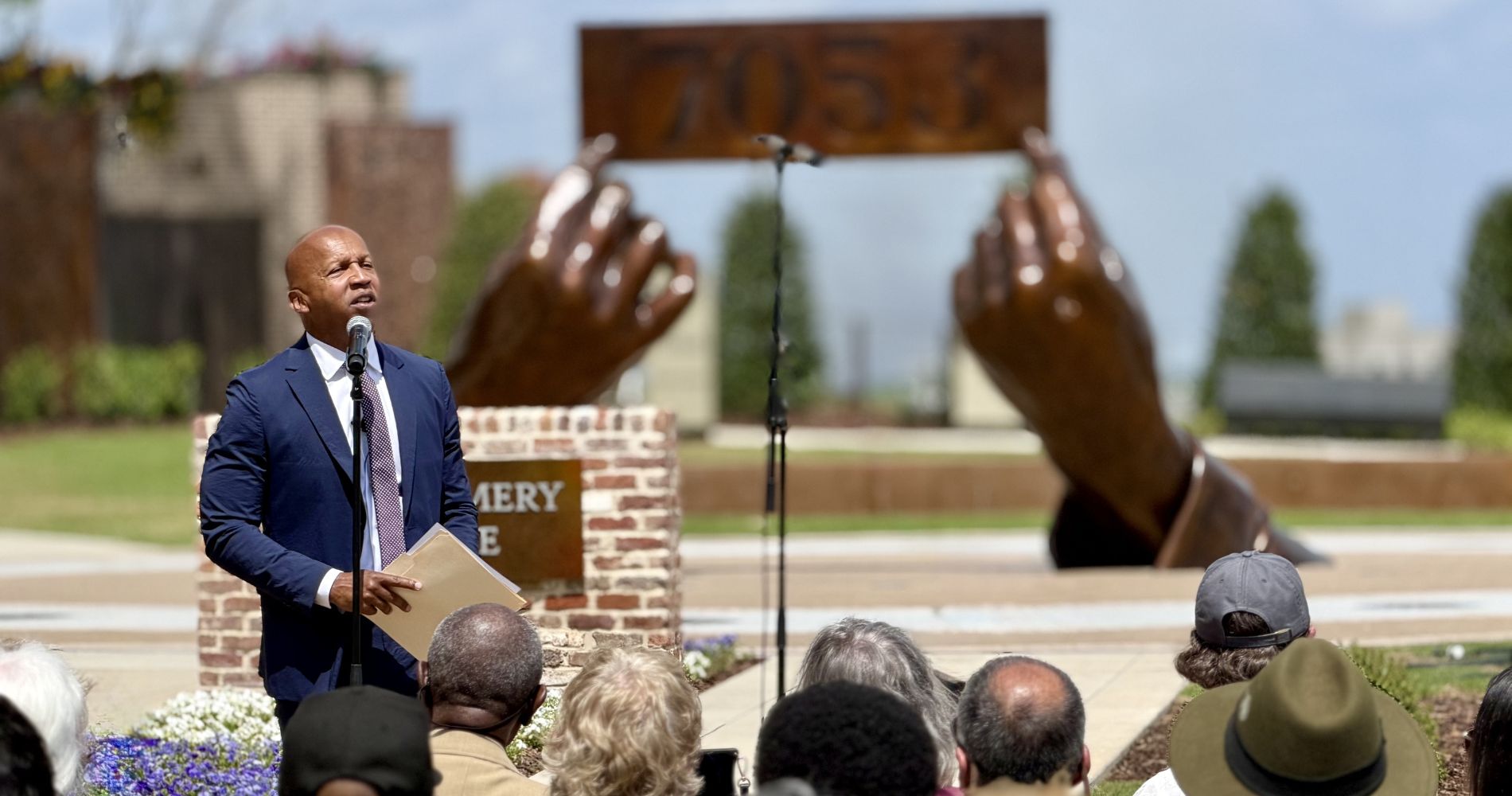
More than 300 individuals gathered in downtown Montgomery today for the official dedication of Montgomery Square, the newest educational site established by the Equal Justice Initiative (EJI). Situated adjacent to the Elevation Convening Center and Hotel, the site, which opened earlier this month, is specifically devoted to chronicling the profound period from 1955 to 1965, a decade EJI has designated "The Montgomery Decade That Changed the World." This pivotal era saw Black residents of Montgomery demonstrate extraordinary courage and unwavering determination in their stand against systemic racial injustice, igniting a movement that fundamentally reshaped not only the United States but also reverberated across the globe.
A New Chapter in EJI’s Legacy Sites
Montgomery Square expands upon EJI’s existing network of "Legacy Sites," which include the critically acclaimed Legacy Museum: From Enslavement to Mass Incarceration and the National Memorial for Peace and Justice, both located in Montgomery. These sites collectively serve as powerful educational institutions, compelling visitors to confront America’s history of racial injustice, from the transatlantic slave trade to mass incarceration, and to understand its enduring legacy. The new Square focuses intensely on the Montgomery-centric events that catalyzed the modern Civil Rights Movement, offering a granular look at the local struggles that garnered national and international attention. By dedicating a specific site to this decade, EJI aims to provide a deeper, more immersive understanding of the sacrifices made and the victories achieved by those on the front lines of the movement in Alabama’s capital city. This focus underscores Montgomery’s unique and indelible role as the crucible of the civil rights struggle, where local acts of defiance blossomed into a nationwide quest for equality.
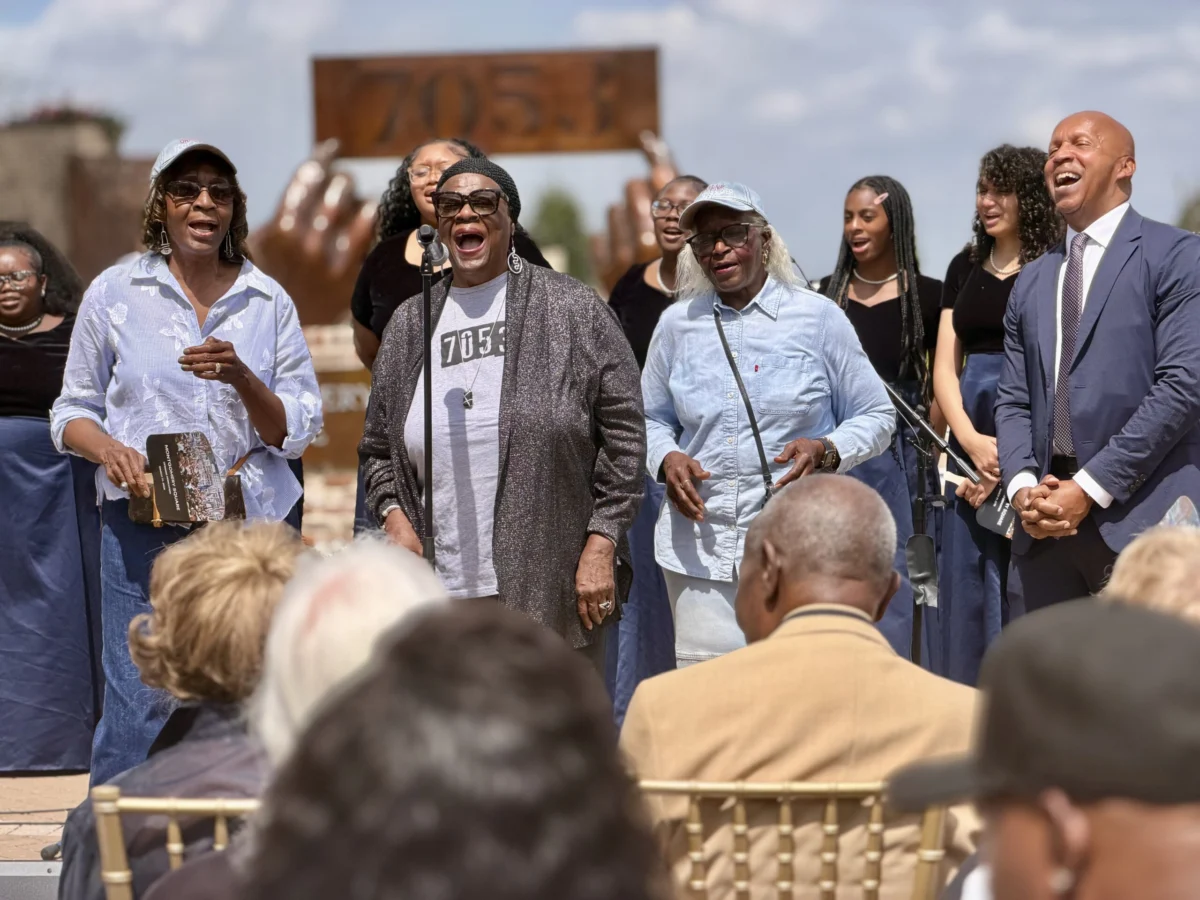
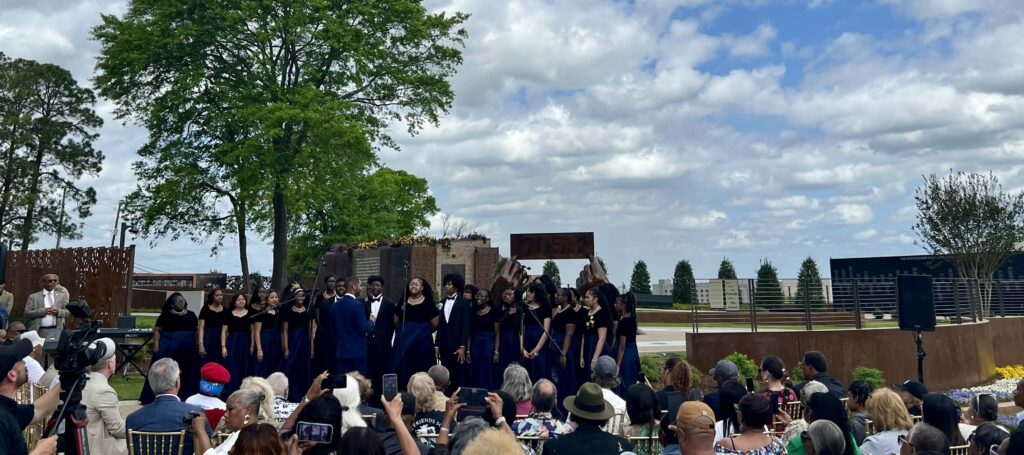
The dedication ceremony itself was a moving tribute to both the past and the future. The event celebrated the next generation of Montgomery activists and leaders, featuring a poignant performance by the Booker T. Washington Magnet High School’s choir, under the direction of the award-winning Milton Williams. Their harmonies filled the space, symbolizing the continuity of the struggle and the passing of the torch to younger generations.
Official Acknowledgment and Community Affirmation
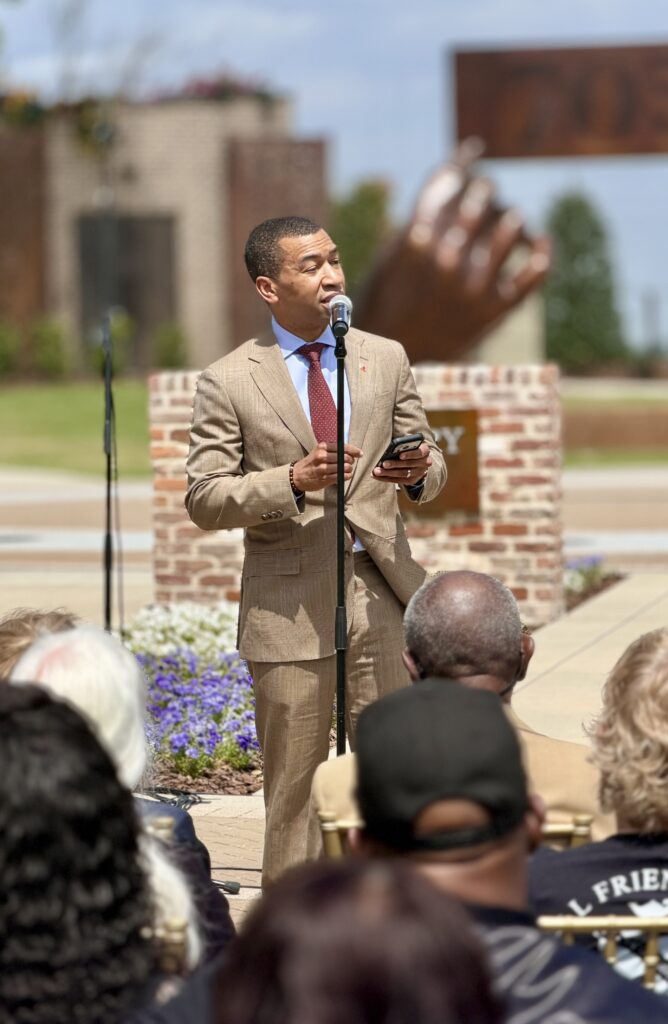
Montgomery Mayor Steven Reed, the city’s first Black mayor, delivered remarks on behalf of the city council, underscoring the profound significance of the occasion. "I wouldn’t be here without all of the people who helped change this city," Mayor Reed stated, acknowledging the historical debt owed to the civil rights pioneers. His presence and words carried particular weight, representing the tangible progress achieved through decades of activism and a testament to the transformative power of the movement that Montgomery Square now commemorates.
Mayor Reed articulated the broader impact of the site, telling the audience, "Your presence affirms the significance of this moment. It reminds us that what we commemorate today reaches far beyond our city limits. It speaks to all who believe in truth, reflection, and unifying power of community." He further expressed gratitude to EJI for its instrumental role in transforming Montgomery into a globally recognized destination for education on America’s racial injustice history and its complex legacy. This recognition from the city’s highest office highlights the deep integration of EJI’s work into Montgomery’s civic identity and its evolving narrative. The city, once a symbol of entrenched segregation, is now actively embracing its role as a beacon of historical truth and reconciliation, largely through EJI’s efforts.
Unveiling the Montgomery Memory Project
A highlight of the dedication was EJI Director Bryan Stevenson’s announcement of the new Montgomery Memory Project (MMP). This ambitious initiative aims to record video interviews with community members who lived in the Montgomery area between 1955 and 1965 and possess personal memories of that tumultuous time. The project seeks to capture firsthand accounts, ensuring that the voices and experiences of ordinary people who lived through extraordinary times are preserved for future generations.
Stevenson revealed that a number of esteemed Montgomery residents have already shared their invaluable stories with the MMP team, with excerpts from their interviews showcased on the Montgomery Square website. Many of these brave individuals were in attendance at the dedication, where Stevenson publicly acknowledged and thanked them for their willingness to share their profound experiences and reflections. The project is an open invitation, encouraging anyone who lived through "The Montgomery Decade That Changed the World" to participate. Interested individuals can contact the MMP team at 334-269-1803 or via email at [email protected] for more information. This initiative serves as a crucial historical undertaking, moving beyond official records and academic analyses to capture the deeply personal narratives that bring history to life, giving voice to those whose stories might otherwise be lost.
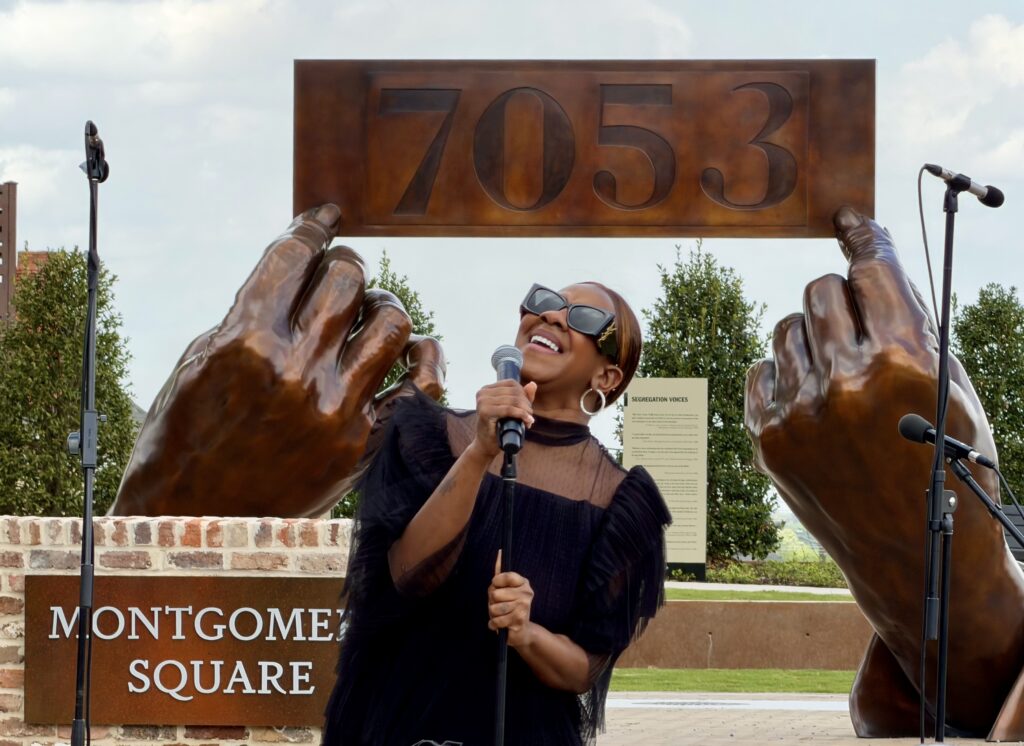
The dedication ceremony culminated with a powerful performance by Grammy and Stellar Award-winning gospel artist Le’Andria Johnson. Her rendition brought the crowd to its feet, joining her in a resounding chorus of "We Shall Overcome," a timeless anthem of the Civil Rights Movement that encapsulated the spirit of resilience and hope present at the event.
Honoring the Courage and Tenacity of Montgomery’s Black Community: A Historical Recount
Bryan Stevenson’s address meticulously detailed the history illuminated at Montgomery Square, painting a vivid picture of the pervasive racial violence and degradation that characterized life for Black residents in mid-20th century Alabama. He spoke of the often-overlooked police violence against Black women in the 1940s and the brutal killings of Hilliard Brooks and two other Black men on city buses in the 1950s, crimes for which no one was ever held accountable. These incidents underscored a system designed to deny justice and maintain racial hierarchy through terror.
The city buses, Stevenson emphasized, were not merely a mode of transportation but unavoidable arenas of daily humiliation, violence, and degradation. By 1955, the Black community had reached its breaking point. Stevenson recounted the critical precursors to the Montgomery Bus Boycott: the arrest of 15-year-old Claudette Colvin in March 1955 for refusing to surrender her bus seat, followed by three more Black women who similarly defied segregation laws and faced arrest. These acts of individual courage laid the groundwork for a collective uprising.
Then, on December 1, 1955, in the shadow of the brutal murder of 14-year-old Emmett Till just months prior—a lynching that galvanized national outrage—Rosa Parks was asked to give up her seat. "Like the women before her, she said no, and was arrested," Stevenson recounted. This moment, he explained, was the catalyst for "something unprecedented." While individual acts of resistance had occurred, an organized, sustained resistance on this scale had never been successfully mounted.
The subsequent Montgomery Bus Boycott, lasting an extraordinary 382 days, saw Black residents walk, carpool, and organize alternative transportation rather than submit to segregated buses. This monumental act of collective nonviolent resistance birthed the modern Civil Rights Movement. It demonstrated the power of unity and economic withdrawal, ultimately leading to a Supreme Court ruling that declared bus segregation unconstitutional. The boycott’s success galvanized a decade of activism, from sit-ins at segregated lunch counters to "swim-ins" at whites-only pools, and countless nonviolent demonstrations, including the historic March on Washington in 1963.
By 1965, Stevenson elaborated, civil rights organizers had shifted their focus to the fundamental right to vote, a right systematically denied to Black citizens across the South. He highlighted staggering statistics: "No Black people had been allowed to register to vote in Lowndes or Wilcox counties; only 2% of eligible Black voters had managed to register in Dallas County; and even with all of the activism in Montgomery, only 17% of eligible Black voters were allowed to vote there." These figures starkly illustrate the pervasive and violent voter suppression tactics that necessitated further action.
This systemic disenfranchisement led to the iconic events in Selma, Alabama, where voting rights activists organized. On March 7, 1965, a peaceful march from Selma to Montgomery was brutally attacked by state troopers and local law enforcement on the Edmund Pettus Bridge, an event known as "Bloody Sunday." Despite being "beaten and bruised and bloodied," Stevenson affirmed, "they did not give up." Their resilience spurred national outrage and drew thousands more to join subsequent marches. Eventually, thousands completed the 54-mile journey to Montgomery, marching right down the street that borders Montgomery Square. Just months after the Rev. Dr. Martin Luther King Jr. famously declared to marchers at the Capitol that it would not be long before they secured the right to vote, President Lyndon B. Johnson signed the Voting Rights Act into law on August 6, 1965, forever changing the landscape of American democracy. "For every person in this country," Mr. Stevenson concluded, "America became more just, a nation more committed to equality, to liberty, and to justice."
"We’ve Come Too Far to Turn Around Now": A Call to Continued Action
Montgomery Square, Stevenson passionately articulated, stands as a testament to "the spirit, the lives, the courage, and the tenacity of all the Black people in this community who, together, changed our nation." Beyond mere remembrance, the site also serves as a potent declaration: "We’ve also come here today," he continued, "to say to America that we’ve come too far to turn around now."
This powerful statement directly addresses contemporary challenges, particularly the ongoing efforts to restrict access to historical narratives and educational materials. Stevenson’s remarks implicitly referenced recent legislative actions in various states concerning book banning and the selective erasure of American history, especially concerning race and civil rights. He asserted that "once again, here in Montgomery, we have to be the community that says no" to such attempts.
Montgomery, once a bastion of segregation, has now, through EJI’s dedicated work, become a global leader in educating the public about the enduring legacy of slavery and racial injustice. "Montgomery has become the city in this country that is doing the most to educate people about the legacy of slavery," Stevenson emphasized. He stressed the imperative to "lift our nation up" by confronting historical truths rather than suppressing them. The site’s presence serves as a constant reminder that understanding the past is essential for building a more just future.
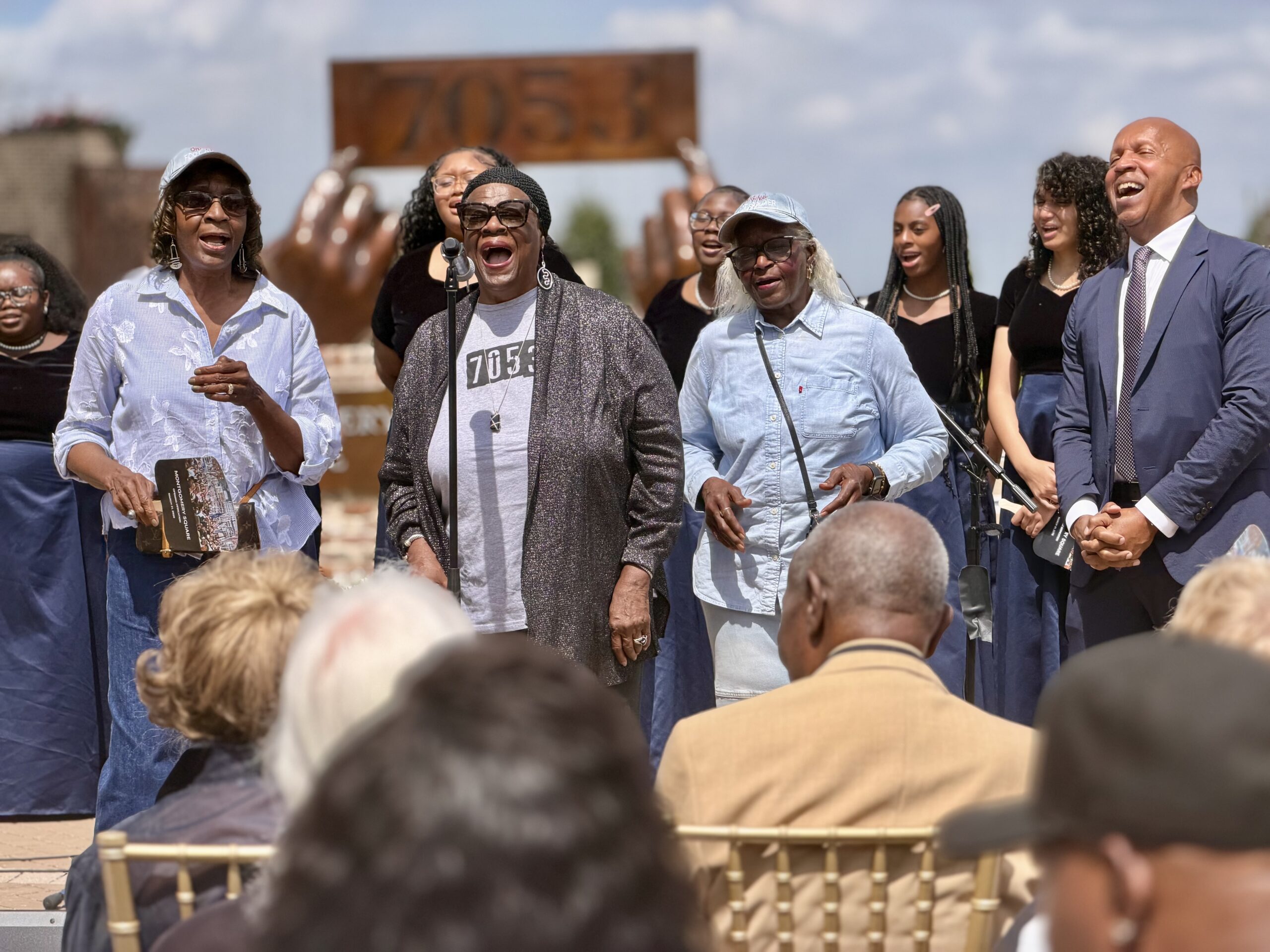
The program concluded with a deeply symbolic act: Stevenson invited the Booker T. Washington choir to join him, alongside Dr. Jeanette Howard-Moore and Ms. Margaret Howard, courageous foot soldiers from Selma, and Dr. Viola Bradford. Together, they led everyone in a freedom song, linking arms and singing "Ain’t Gonna Let Nobody Turn Me ‘Round." This collective act mirrored the unity and determination of the civil rights architects themselves, underscoring that the fight for justice, truth, and equality is an ongoing endeavor, deeply rooted in the past but ever-present in the contemporary moment. Montgomery Square is not just a museum; it is a living monument and a call to continuous action, ensuring that the lessons of the "Decade That Changed the World" resonate profoundly for generations to come.