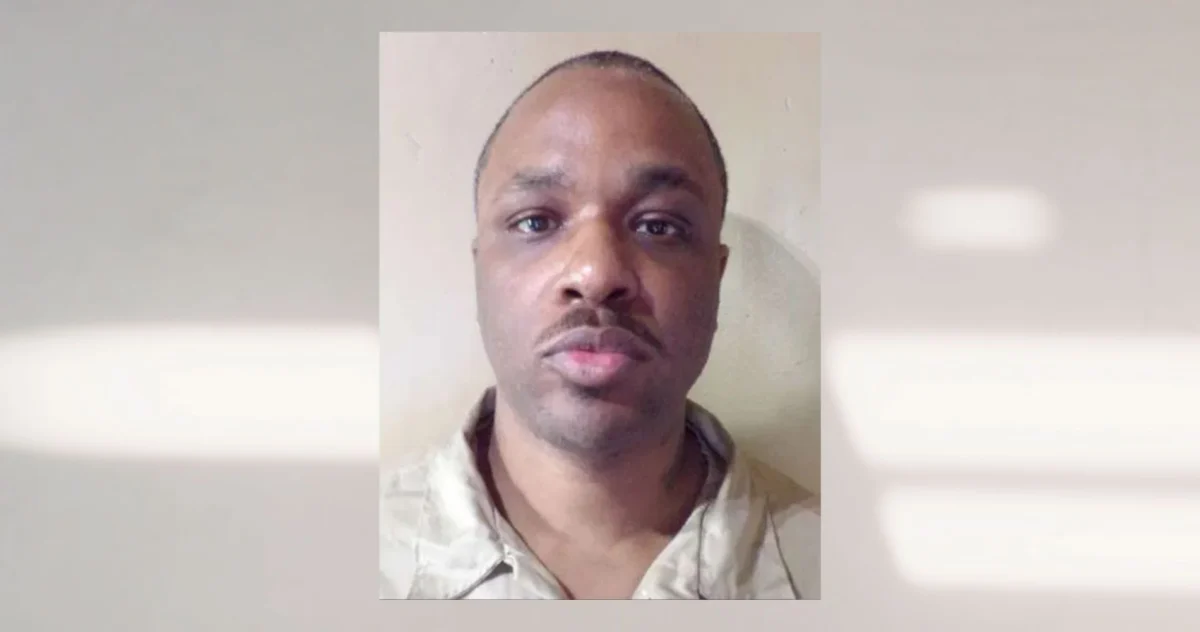
The United States Supreme Court has declined to review the State of Alabama’s appeal, effectively upholding a federal appeals court decision that grants Michael Sockwell, 63, a new trial. This pivotal development comes 36 years after Sockwell was sentenced to death by a Montgomery judge, a sentence that emerged from a trial marred by significant racial discrimination in jury selection and a judicial override of the jury’s sentencing recommendation. The high court’s refusal to intervene marks a critical juncture in a decades-long legal battle, underscoring the enduring challenges of racial bias within the American justice system and the vital role of federal oversight in ensuring constitutional protections.
The Genesis of a Decades-Long Legal Battle: The 1988 Crime and Initial Conviction
Michael Sockwell’s journey through the criminal justice system began in 1988, when he was charged in connection with the killing of a Montgomery sheriff’s deputy. Prosecutors alleged that the crime was orchestrated by the deputy’s wife. The case quickly garnered significant public attention in Montgomery, a city with a complex history of racial tensions and legal struggles. Sockwell, a Black man, faced capital murder charges, a designation that carried the potential for the death penalty.
His trial commenced in 1990, and from its outset, it was plagued by issues that would later become the core of his appeal. During the critical jury selection phase, then-Assistant District Attorney Ellen Brooks, a prominent figure in the Montgomery County District Attorney’s office, engaged in practices that raised immediate red flags regarding racial bias. Brooks struck a staggering 80% of the qualified Black prospective jurors. Perhaps most damning was her admission that she struck one Black man explicitly because he shared the "same race, sex, and age" as the defendant, Michael Sockwell. Such an explicit acknowledgment of race as a factor in jury exclusion directly contravenes established legal precedent designed to prevent discriminatory jury composition.
Despite these troubling practices, Mr. Sockwell was convicted of capital murder. Following his conviction, the jury deliberated on sentencing and voted 7-5 to impose a sentence of life without parole. However, in a practice that was then permissible in Alabama, the trial judge chose to override the jury’s verdict, imposing the death penalty instead. This judicial override became a secondary, yet equally significant, point of contention in Sockwell’s long appeals process, highlighting a controversial aspect of Alabama’s capital punishment system that would eventually be abolished.
A Chronology of Key Events in the Sockwell Case
- 1988: Michael Sockwell is charged in the killing of a Montgomery sheriff’s deputy.
- 1990: Sockwell’s trial takes place. Assistant District Attorney Ellen Brooks strikes 80% of qualified Black prospective jurors. Sockwell is convicted of capital murder. The jury votes 7-5 for life without parole, but the trial judge overrides this recommendation and sentences Sockwell to death.
- 1986 (Contextual): The U.S. Supreme Court issues its landmark ruling in Batson v. Kentucky, establishing a framework to challenge racially discriminatory jury selection. This ruling would become central to Sockwell’s appeals.
- 2017 (Contextual): Alabama becomes the last state to eliminate judicial override in capital cases, ending a practice that allowed judges to impose death sentences even when juries recommended life.
- Summer 2023: After more than three decades on Alabama’s death row, the Eleventh Circuit Court of Appeals grants Michael Sockwell a new trial, finding that prosecutors violated his right to a fair trial by illegally striking potential jurors based on their race.
- November 2023: A federal judge directs prosecutors to prepare for a new trial by March 18, 2024, or release Mr. Sockwell from prison.
- January 2024 (Approximate): The State of Alabama petitions the U.S. Supreme Court to review the Eleventh Circuit’s decision.
- February 2024 (Monday): The U.S. Supreme Court declines to review the case, solidifying the Eleventh Circuit’s order for a new trial.
- March 18, 2024: Deadline for prosecutors to initiate a new trial or release Michael Sockwell.
The Pervasive Issue of Racial Discrimination in Jury Selection
The core of Michael Sockwell’s successful appeal rests on the unconstitutional exclusion of Black jurors, a practice known as a Batson violation. The 1986 Supreme Court decision in Batson v. Kentucky held that prosecutors cannot use peremptory challenges to exclude potential jurors solely on account of their race. This ruling was a significant, albeit imperfect, step toward addressing a long history of racial bias in jury composition, particularly in the American South. Prior to Batson, and in some cases even after, prosecutors often used pretextual reasons to strike Black jurors, thereby creating all-white or nearly all-white juries in cases involving Black defendants, especially in capital cases.
The Eleventh Circuit Court of Appeals, in its comprehensive review, meticulously documented the pattern of racial discrimination by Assistant District Attorney Ellen Brooks. The court observed that Brooks had a "significant history of striking jurors in a racially discriminatory manner right before and during Sockwell’s trial in 1990." This was not an isolated incident. Both of Alabama’s appellate courts had previously identified multiple instances of Brooks striking Black jurors in violation of Batson. The federal court explicitly stated that "Brooks purposefully struck Black jurors in the cases she prosecuted," both before and after the Batson decision.
Moreover, the court’s findings extended beyond Brooks, indicating a systemic issue within the Montgomery County District Attorney’s office. The ruling noted that Bruce Maddox, another prosecutor in the office, also engaged in racially discriminatory striking of Black jurors. Maddox’s practices were so egregious that the Alabama Supreme Court repeatedly "chastised him for necessitating costly retrials by continuing to strike potential Black jurors for ‘whimsical, ad hoc excuses’ that the court had previously rejected." This pattern suggests a culture within the office that either condoned or actively engaged in practices that undermined the fairness and impartiality of jury selection.
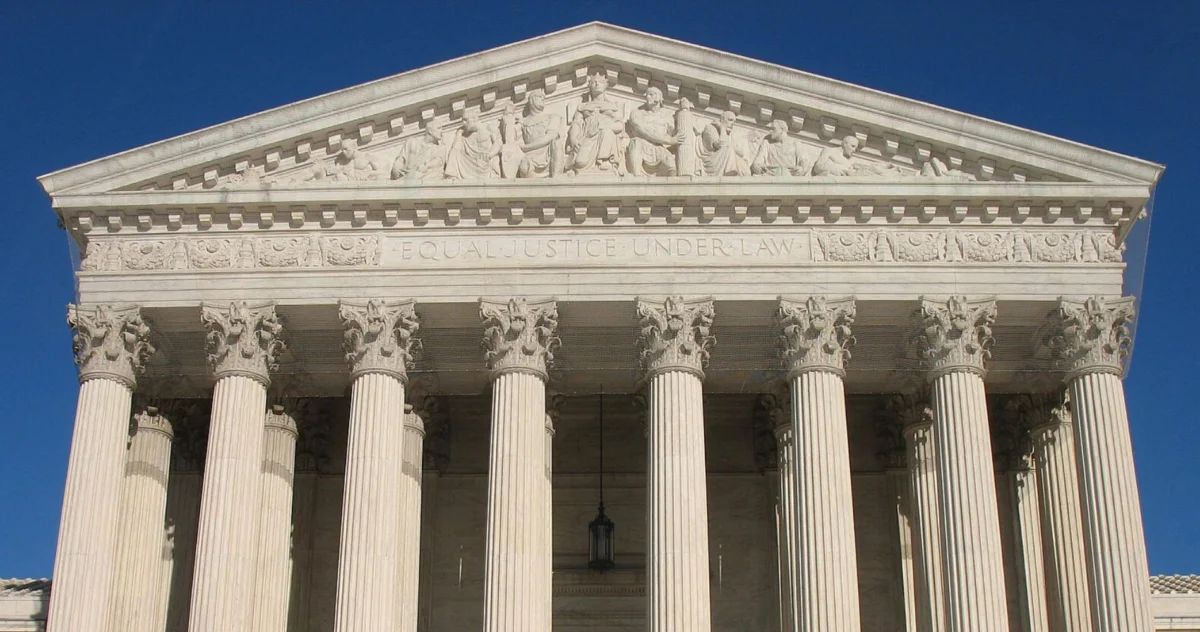
In Mr. Sockwell’s trial, Ms. Brooks struck eight of the 10 Black jurors called to serve. The Eleventh Circuit, comparing the reasons she provided for striking Black jurors with her reasons for not striking white jurors who shared similar characteristics, concluded there was a "substantial likelihood of race-based considerations in the exercise of those strikes." This careful comparative analysis is a standard method used by courts to detect pretextual explanations for jury strikes. The "overwhelming evidence in this record," as the federal appeals court declared, led them to conclude that the prosecutor’s racially discriminatory strikes violated Mr. Sockwell’s rights under the Equal Protection Clause, thereby granting him habeas relief. The court’s unequivocal statement, "Equal justice under law requires a criminal trial free of racial discrimination in the jury selection process," serves as a powerful reminder of fundamental constitutional principles.
The Role of Federal Courts and the Supreme Court’s Non-Action
The decision by the Eleventh Circuit Court of Appeals to grant Michael Sockwell a new trial underscores the critical role of federal courts in upholding constitutional rights, particularly when state appellate processes fail to adequately address systemic injustices. Federal habeas corpus petitions allow individuals incarcerated by states to challenge their detention in federal court on constitutional grounds. In cases like Sockwell’s, where racial bias infected a foundational aspect of the trial, federal intervention becomes a last resort for justice.
The State of Alabama, seeking to preserve the original conviction and sentence, petitioned the U.S. Supreme Court for a writ of certiorari, requesting that the high court review the Eleventh Circuit’s decision. The Supreme Court’s decision to decline this review is highly significant. While a denial of certiorari does not constitute a ruling on the merits of the case, it effectively leaves the lower court’s decision in place. In this instance, it means the Eleventh Circuit’s finding of unconstitutional racial discrimination in jury selection stands, and Michael Sockwell’s right to a new, fair trial is affirmed. This non-action by the Supreme Court sends a clear message that the federal appeals court’s analysis and conclusions regarding the Batson violations were sound and warrant no further review.
The Controversial Practice of Judicial Override in Alabama
Beyond the egregious Batson violations, Michael Sockwell’s case also drew attention to Alabama’s historically controversial practice of judicial override. When the jury in Sockwell’s trial voted 7-5 to impose a sentence of life without parole, the trial judge chose to disregard this recommendation and instead imposed the death penalty. This practice, where a judge could override a jury’s sentencing recommendation in capital cases, made Alabama an outlier among U.S. states.
For decades, Alabama judges routinely overrode jury verdicts of life and imposed the death penalty. This practice was heavily criticized by legal scholars, civil rights organizations like the Equal Justice Initiative (EJI), and human rights advocates, who argued that it undermined the jury’s role, particularly in imposing the ultimate punishment. Critics highlighted that judges, often influenced by political pressures, were more likely to impose death sentences than juries, especially when a jury had shown mercy. Data from the EJI showed that from 1976 to 2016, Alabama judges overrode jury life verdicts to impose death in 101 cases, while overriding death verdicts to impose life in only nine cases. This stark imbalance fueled concerns about fairness and due process.
In 2017, after years of intense advocacy and scrutiny, Alabama finally became the last state in the nation to eliminate judicial override, a legislative change that marked a significant reform in its capital punishment system. While this reform came too late to prevent Sockwell’s original death sentence, it remains a critical backdrop to his case, illustrating a period when Alabama’s justice system allowed judges immense power in capital sentencing, often against the will of the jury.
The Road Ahead: A New Trial or Release
With the Supreme Court’s decision now finalized, the focus shifts to the practical implications for Michael Sockwell. In November, a federal judge had already directed prosecutors to make plans for a new trial by March 18, 2024, or release Mr. Sockwell from prison. This directive provides a clear deadline and a stark choice for the Montgomery County District Attorney’s office.
A spokesperson for the Montgomery County District Attorney’s office told the Associated Press that the office intends to retry the case but declined additional comment. The decision to retry a case that is 36 years old presents significant challenges. Memories fade, witnesses may be deceased or unavailable, and evidence may be difficult to reassemble. Prosecutors will face the complex task of reconstructing a case from nearly four decades ago, all while adhering to the constitutional standards that were so profoundly violated in the initial proceedings.
For Michael Sockwell, this ruling offers a profound opportunity for justice, albeit one that has been agonizingly delayed. After spending over half his life on death row, facing the ultimate penalty under a cloud of unconstitutional bias, he will now have the chance to be tried by a jury selected without racial discrimination. His legal team, likely from organizations dedicated to wrongful convictions or capital defense, will be preparing for what will undoubtedly be a challenging, but hopeful, new chapter. The implications of this case extend beyond Sockwell, serving as a powerful reminder of the persistent need for vigilance against racial bias in the justice system and the enduring importance of constitutional safeguards.
Broader Implications and the Pursuit of Justice
Michael Sockwell’s case is more than an individual victory; it is a testament to the long, arduous fight for racial justice within the American legal system. It highlights several critical issues:
- The Enduring Legacy of Racial Bias: Despite decades of legal precedent like Batson v. Kentucky, racial discrimination in jury selection persists. Sockwell’s case, stemming from a 1990 trial, underscores how deeply entrenched such biases were and how long it can take for them to be corrected.
- The Importance of Federal Review: The Eleventh Circuit’s intervention, and the Supreme Court’s subsequent affirmation by declining review, demonstrates the indispensable role of federal courts in acting as a check on state judicial processes to protect fundamental constitutional rights. Without this federal oversight, Sockwell might have remained on death row indefinitely.
- Accountability for Prosecutorial Misconduct: The explicit findings against Ellen Brooks and Bruce Maddox send a strong message about the need for accountability for prosecutors who engage in discriminatory practices. While the immediate consequence is a new trial for Sockwell, such findings contribute to a broader conversation about ethical prosecutorial conduct.
- The Human Cost of Delayed Justice: Thirty-six years is an immense period for anyone to spend incarcerated, let alone on death row, under an unconstitutional sentence. Sockwell’s experience epitomizes the profound human cost of a justice system that is slow to correct its errors, particularly when those errors are rooted in racial discrimination.
- Ongoing Reform Efforts: The case reinforces the arguments made by advocates for criminal justice reform, who consistently point to racial disparities and systemic flaws as reasons for reevaluating practices like capital punishment and ensuring robust due process protections at every stage of a trial.
As Michael Sockwell prepares for a new trial, or potentially his release, his case will continue to serve as a powerful cautionary tale and a beacon for those who champion the principle that justice delayed should not be justice denied, especially when the fundamental fairness of a trial is compromised by the insidious stain of racial discrimination. The path ahead will be complex, but for Sockwell, it represents the first true opportunity for a trial free from the unconstitutional biases that defined his original conviction and decades on death row.