February 27, 2026
Refugees and asylum seekers currently in the United States are navigating an increasingly uncertain environment, where fluctuating policies and unpredictable systems significantly impact their safety and stability. Many individuals who sought refuge in the U.S. are now encountering formidable obstacles, including a reduction in accessible legal pathways, complex bureaucratic processes, and a severe lack of secure housing options. As these individuals strive to recover and rebuild their lives, they face heightened vulnerability and a profound sense of uncertainty about their future.
For over a century, HIAS has been a steadfast advocate for refugees. However, the current landscape presents unprecedented challenges. As domestic resettlement systems face significant strain and breakdown, the HIAS team is working tirelessly to address emergencies, witness profound hardship, and adapt its strategies in real-time. The organization is committed to ensuring that no individual facing these challenges is left to navigate them alone. Urgent questions arise daily: What are the most critical needs of refugees and asylum seekers at this juncture? How is HIAS effectively responding to these immediate and pressing demands? Amidst this prevailing chaos and uncertainty, HIAS is dedicated to providing rapid, life-saving support at every stage, committed to meeting the most urgent needs with unwavering resolve.
Shifting Needs Amidst Evolving Resettlement Dynamics
A frequently posed and critical question is: "Who is HIAS helping right now if fewer refugees are arriving?" While the number of formal refugee arrivals may fluctuate or pause, the underlying need for support does not diminish; it simply transforms. HIAS continues to provide essential assistance to displaced individuals within the United States. This includes a diverse group, such as individuals granted asylum, those seeking protection under Temporary Protected Status (TPS), and others navigating complex immigration legal processes.
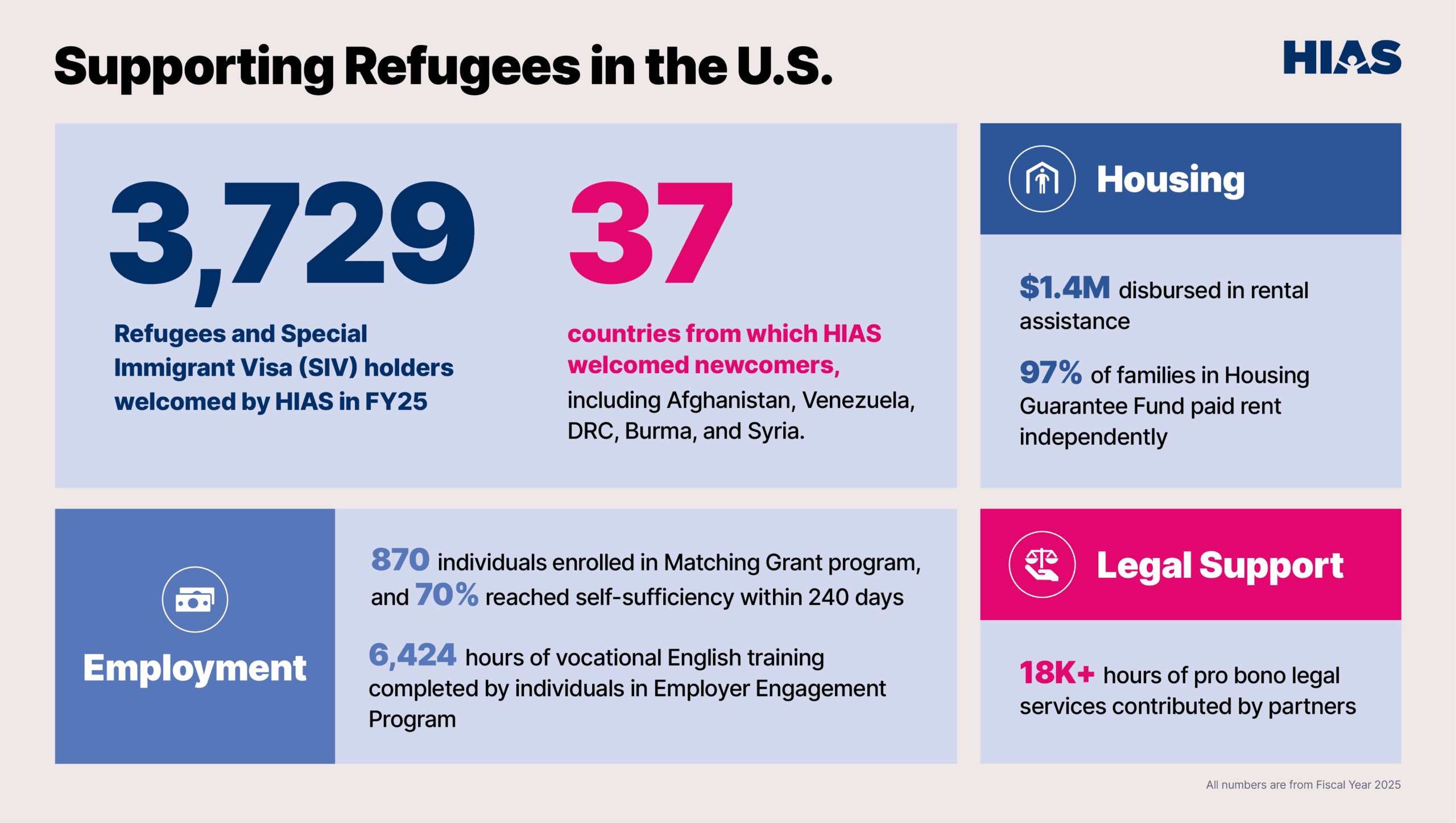
During the most recent fiscal year, despite significant administrative hurdles designed to impede refugee resettlement efforts, HIAS successfully welcomed 3,729 refugees and individuals holding Special Immigrant Visas (SIVs). Notably, this cohort included 1,545 Afghans, many of whom arrived under particularly challenging circumstances. Beyond direct resettlement, HIAS provided short-term case management services to over 6,000 displaced individuals and offered pro bono legal representation to more than 1,300 refugees, asylum seekers, and immigrants. These figures underscore the persistent demand for services, even when overall arrival numbers are affected by policy shifts.
The Immediate Needs of New Arrivals
Upon their arrival in the United States, refugees and asylum seekers require immediate and multifaceted assistance. This includes securing safe and stable housing, accessing adequate food and essential supplies, obtaining necessary medical care and health screenings, facilitating school enrollment for children, and providing transportation and community orientation services. However, these immediate needs are intrinsically linked to often complex and demanding legal and administrative procedures.
Newcomers require crucial support in obtaining vital documentation, applying for work authorization, understanding their eligibility for various benefits, and grasping their legal rights and obligations. This is precisely where HIAS’s trauma-informed case management becomes indispensable. This approach recognizes the profound psychological impact of displacement and persecution, ensuring that services are delivered with sensitivity, patience, and a deep understanding of the challenges faced by survivors.
HIAS’s Role in Supporting Refugees Through the U.S. Refugee Admissions Program (USRAP)
HIAS plays a pivotal role in providing initial resettlement support for refugees and SIV holders through an extensive national network of local partner organizations. In Fiscal Year 2025, HIAS collaborated with 29 local affiliates across the country, delivering comprehensive and trauma-informed services tailored to the unique needs of each community.
The scope of initial resettlement support encompasses a wide array of critical services. These include ongoing case management, cultural orientation programs designed to help newcomers adapt to American society, assistance with navigating complex benefit systems and eligibility requirements, support in accessing healthcare services, facilitating school enrollment for children, and providing guidance on family reunification processes. Furthermore, HIAS is committed to fostering long-term self-sufficiency through employment readiness training and direct assistance in securing meaningful employment.
Addressing Disruptions in Resettlement and Support Systems
When refugee arrival systems are paused or funding is reduced, the repercussions are felt immediately and acutely by families. Newcomers can lose vital connections with caseworkers, essential guidance that navigates them through complex systems, crucial financial support that prevents homelessness, structured orientation programs that enhance safety, and indispensable services during their most vulnerable initial months in a new country.
In response to these systemic disruptions, HIAS has proactively expanded programs designed to provide rapid stabilization for families. These initiatives include enhanced housing support, community sponsorship programs that leverage local networks, and the development of virtual services that can reach individuals regardless of their geographical location. This adaptive strategy reflects HIAS’s commitment to ensuring continuity of care even in the face of administrative and policy challenges.
Innovative Solutions for Housing Stability
Securing stable housing remains one of the most significant barriers for refugees and asylum seekers. This challenge is amplified for families who may lack a credit history, rental history, or possess limited income, especially when coupled with sudden changes in their legal status. HIAS has implemented several innovative housing programs specifically designed to prevent eviction and homelessness.
The Ms. L Settlement Housing Assistance Program provides crucial housing support to families who have endured the profound trauma of forced separation at the border and are now rebuilding their lives. In 2025 alone, this program offered critical housing assistance to 396 families, comprising 1,329 individuals, and disbursed $1.4 million in rental assistance.
The Housing Guarantee Fund addresses the immediate challenge faced by newly arrived refugees who are often denied housing due to the absence of Social Security numbers, established credit history, or immediate employment. In 2025, HIAS backed leases for 227 refugee families (877 individuals) through this fund. The program’s success is evident in the fact that over 97% of these families were able to independently cover their rent, with the fund primarily serving as a crucial guarantee to secure housing agreements.
Emergency Housing Assistance has also been a critical component of HIAS’s response. Over the past year, the organization provided $135,000 in urgent rental aid to refugees and SIV holders. Furthermore, HIAS’s network of resettlement partners played a vital role in distributing these funds, helping to stabilize numerous newcomer households facing immediate housing crises.
The Significance of "Virtual Resettlement"
The concept of "virtual resettlement" has emerged as a critical innovation to address the challenges faced by newcomers who settle in areas with limited or no direct access to traditional resettlement offices. This often occurs when individuals reunite with family members in smaller towns or rural areas.
HIAS’s Virtual Program for Initial Resettlement (PIR) offers structured remote support during a newcomer’s critical first 90 days in the U.S. This program provides comprehensive assistance, including remote case management, virtual orientation sessions covering essential aspects of life in the U.S., access to online resources for benefits and services, and ongoing virtual check-ins to address emerging needs. This model effectively expands the reach of resettlement support, ensuring that individuals can access vital assistance regardless of their geographic location.
Empowering Newcomers Through Employment and Career Development
Employment is fundamental to achieving stability and self-sufficiency for refugees and asylum seekers. However, the process of finding work in a new country can be fraught with difficulties, particularly when policies shift and a climate of fear prevails. HIAS offers a range of employment and career development programs designed to address these challenges.
The Matching Grant program is a cornerstone of HIAS’s economic empowerment initiatives. This program assists newly arrived families in achieving self-sufficiency rapidly through targeted job referrals, comprehensive budgeting support, and integrated wraparound case management. From October 2024 through December 2025, HIAS enrolled 272 households (870 individuals) in this program, achieving an impressive self-sufficiency rate of 70% within 240 days.
Refugee Career Pathways is another vital program that assists internationally experienced professionals in re-entering skilled employment. This program provides individualized coaching, support for credential evaluation, training opportunities, and robust job readiness preparation. In FY25, 57 clients participated in this program, completing 1,333 hours of job readiness training and receiving direct financial support for educational advancement and career development.
The Employer Engagement Program fosters crucial partnerships with employers to develop workplace-based training programs. These initiatives are designed to enhance both English language proficiency and job-specific skills. In 2025, 80 participants successfully completed 6,424 hours of vocational English training across multiple training sites, demonstrating a tangible pathway to improved employment prospects.
The Indispensable Role of Legal Services
For individuals fleeing persecution, access to legal representation is not merely a procedural step; it is often the decisive factor in ensuring family unity over separation, stability over detention, and safety over deportation. HIAS provides critical, free legal services through two primary avenues.
Direct Immigration Legal Services are offered in the New York City and Washington D.C. metropolitan areas. Through these services, HIAS assists hundreds of clients with urgent legal needs, including asylum applications, work authorization requests, green card processing, family reunification petitions, and crucial legal consultations. These efforts are instrumental in helping newcomers navigate complex legal pathways and foster their integration and long-term stability in the United States.
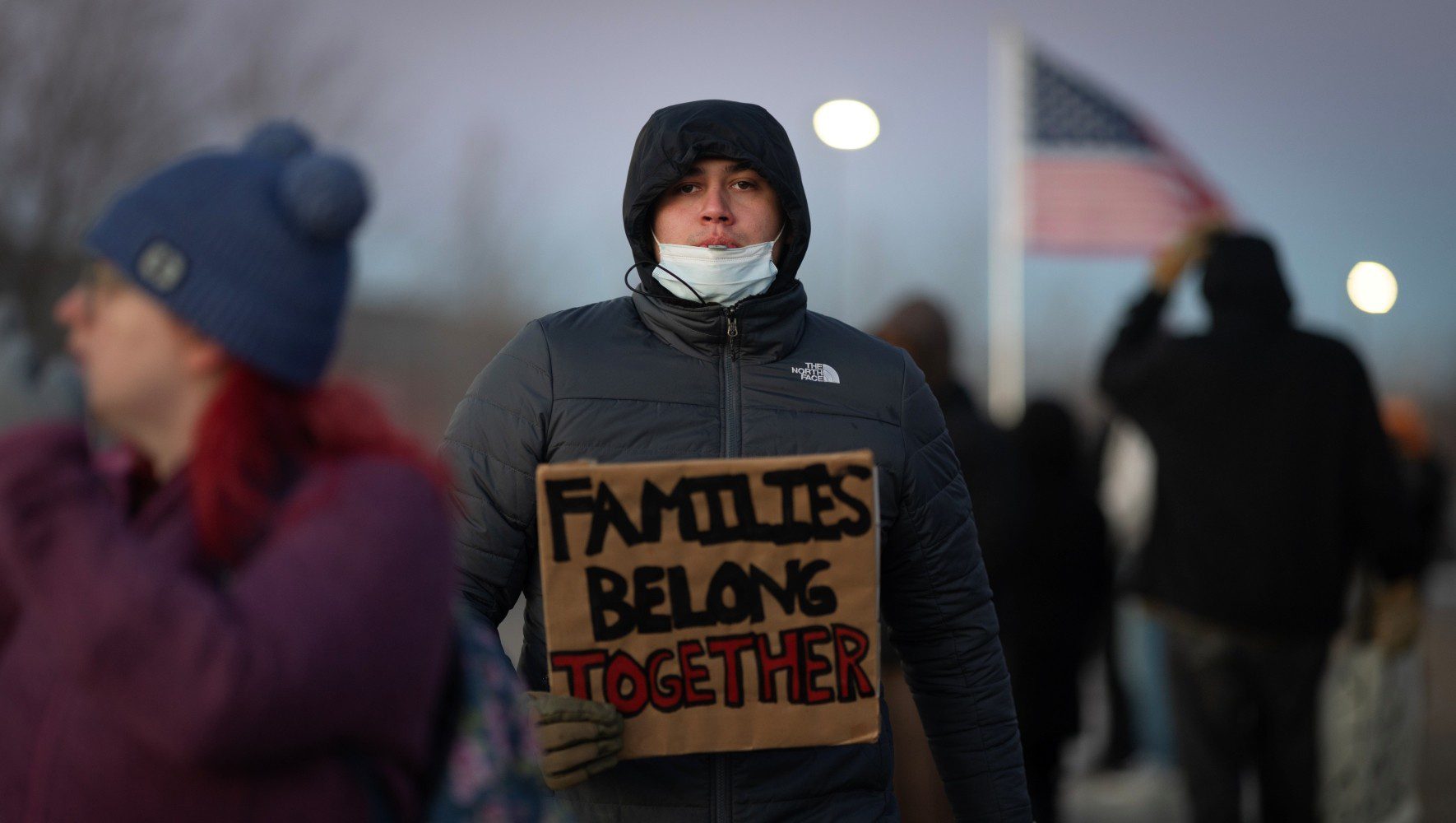
The HIAS Pro Bono Network, operating nationwide, mobilizes a dedicated network of volunteer attorneys. These legal professionals generously donate their time and expertise to represent refugees, asylum seekers, and other displaced individuals navigating the intricate landscape of U.S. immigration law. In FY2025, pro bono partners contributed over 18,000 hours of legal services, representing an estimated value of $18.6 million, underscoring the profound impact of this collaborative legal support.
Fostering Mental Health, Family Wellness, and Long-Term Integration
The process of resettlement extends far beyond immediate survival needs. Many newcomers arrive in the U.S. having experienced profound trauma and then face a new set of stressors, including social isolation, pervasive uncertainty, experiences of discrimination, and ongoing fear. HIAS is deeply committed to supporting long-term integration and mental health care through its Preferred Communities program.
This program provides essential technical guidance and oversight to HIAS’s resettlement partners across the nation. Key services include comprehensive case management that addresses complex psychosocial needs, direct therapeutic interventions and counseling to support mental well-being, volunteer support programs that foster community connection, and dedicated benefits navigation to ensure access to available resources.
In FY25, HIAS’s resettlement network provided intensive case management to 1,093 clients and distributed direct cash assistance to over 2,600 clients for urgent needs such as housing, food, medical care, and transportation. Furthermore, HIAS offers integrated wraparound social services for legal clients in the greater New York City and metropolitan Washington D.C. areas. These services include case management, therapy, volunteer support, and benefits navigation. In 2025, HIAS social services actively supported 182 clients facing increasingly complex needs. This involved expanding resilience workshops, enhancing safety planning initiatives, and forging new partnerships to address the rising levels of fear and instability experienced by vulnerable populations.
Engaging with HIAS’s Work in the United States
HIAS’s programs within the United States are comprehensive, encompassing refugee resettlement, housing assistance, legal services, employment support, integration initiatives, and community-based welcoming efforts. All these endeavors are firmly rooted in a trauma-informed, client-centered approach that prioritizes the dignity and well-being of each individual. As the external environment continues to evolve, HIAS remains agile and adaptive, consistently developing new resources, innovative service models, and strategic partnerships to ensure the safety and support of displaced people.
Individuals interested in learning more about HIAS’s vital work in the United States or in taking action to support their mission are encouraged to visit the organization’s website at hias.org/take-action. Through collective effort and unwavering commitment, HIAS continues to uphold its legacy of providing refuge and fostering hope for those seeking a new beginning.