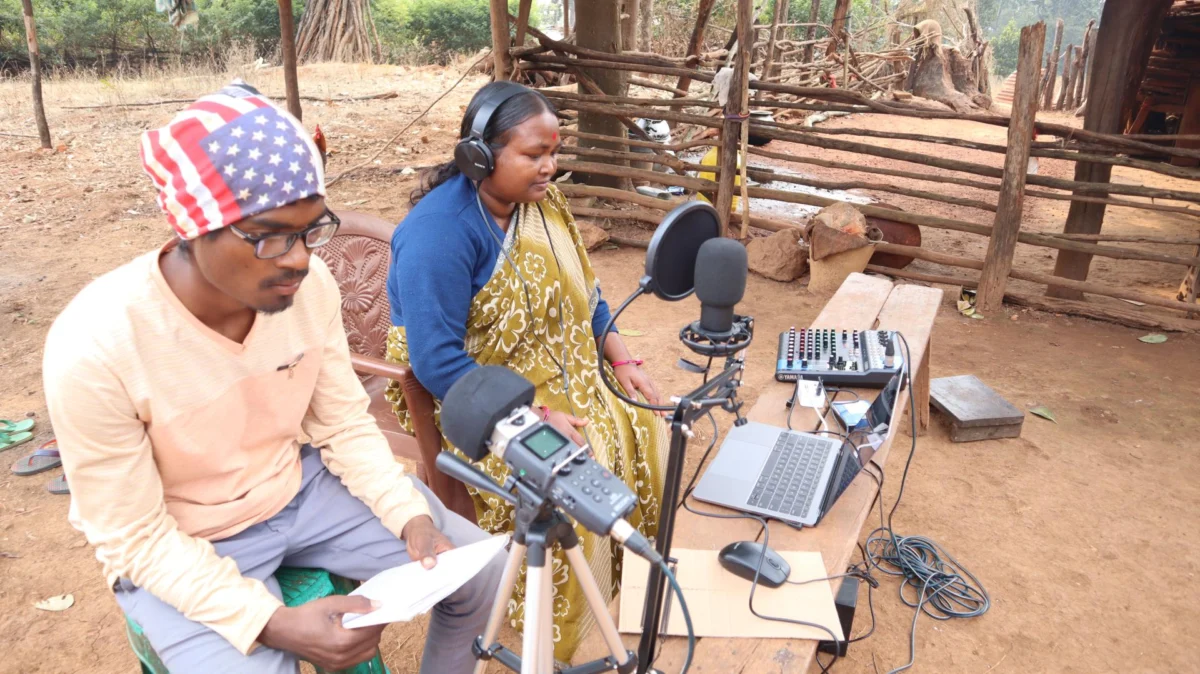
In the verdant, mist-shrouded hills of Netarhat, Jharkhand, a region historically rich in natural resources and cultural heritage, a powerful new narrative is resonating beyond the rustling leaves and ancient valleys. It is the amplified voice of the Asur Adivasi Mobile Radio (AAMR), a pioneering community media initiative that is serving as a vital conduit for information, education, and cultural preservation for the Asur Indigenous community. In a landscape increasingly dominated by the rumbling of heavy machinery and the stark realities of industrial extraction, AAMR is cutting through the silence, offering a beacon of hope and a platform for resistance against the encroaching threats of mining, deforestation, and displacement.
For the Asur people, one of India’s most marginalized tribal communities, AAMR represents a significant turning point in their ongoing struggle for self-determination and the protection of their ancestral lands. By leveraging the pervasive reach of radio and fostering empowered community leadership, this initiative is actively raising awareness about the multifaceted impacts of mining operations and development projects on their traditional way of life. Local markets, once primarily hubs for commerce, have transformed into vibrant forums for dialogue and collective action, while digital spaces are increasingly being utilized to amplify their message, fostering both resistance against what they term “development aggression” and a profound sense of cultural pride.
"Through the activities of AAMR, we learned that our voices can reach beyond our villages," shares Asinta Asur, an AAMR leader from Jobhipat. Her words encapsulate the profound empowerment that this initiative has brought to the community. "The radio has given us strength and a platform to speak about our land, our forests, and our rights." This sentiment underscores the critical role AAMR plays in bridging the information gap and empowering individuals to articulate their concerns on a broader stage.
Addressing a Trifecta of Challenges
The genesis of the Asur Adivasi Mobile Radio project was rooted in addressing a critical trifecta of interconnected challenges that have been systematically eroding the foundations of Asur life:
- Erosion of Traditional Land Rights: The relentless pursuit of mineral wealth in the Netarhat region has led to widespread mining activities, often disregarding established customary land rights and traditional governance structures. This has resulted in deforestation, ecological degradation, and the dispossession of ancestral territories, disrupting the very basis of the Asur livelihood and cultural identity. Data from the Ministry of Mines indicates a significant increase in mining leases granted in Jharkhand over the past decade, with a particular focus on areas rich in coal, iron ore, and bauxite – resources often found in or near Adivasi territories.
- Youth Migration and Human Trafficking: Economic marginalization, exacerbated by land alienation and limited opportunities, has fueled a disturbing trend of youth migration from Asur communities. This often exposes young people to exploitative labor practices and the insidious threat of human trafficking, particularly in urban centers and industrial areas. Reports from the National Crime Records Bureau (NCRB) consistently highlight Jharkhand as a state with a significant number of missing persons, a considerable portion of whom are women and children, often victims of trafficking.
- Endangered Asur Language: The Asur language, a vital repository of their history, knowledge, and worldview, faces the imminent threat of extinction. With fewer young speakers and limited avenues for its transmission, the language’s erosion parallels the gradual disappearance of cultural practices and traditional knowledge systems. The Registrar General of India’s census data has identified several tribal languages, including those spoken by smaller communities like the Asur, as critically endangered, with dwindling speaker populations.
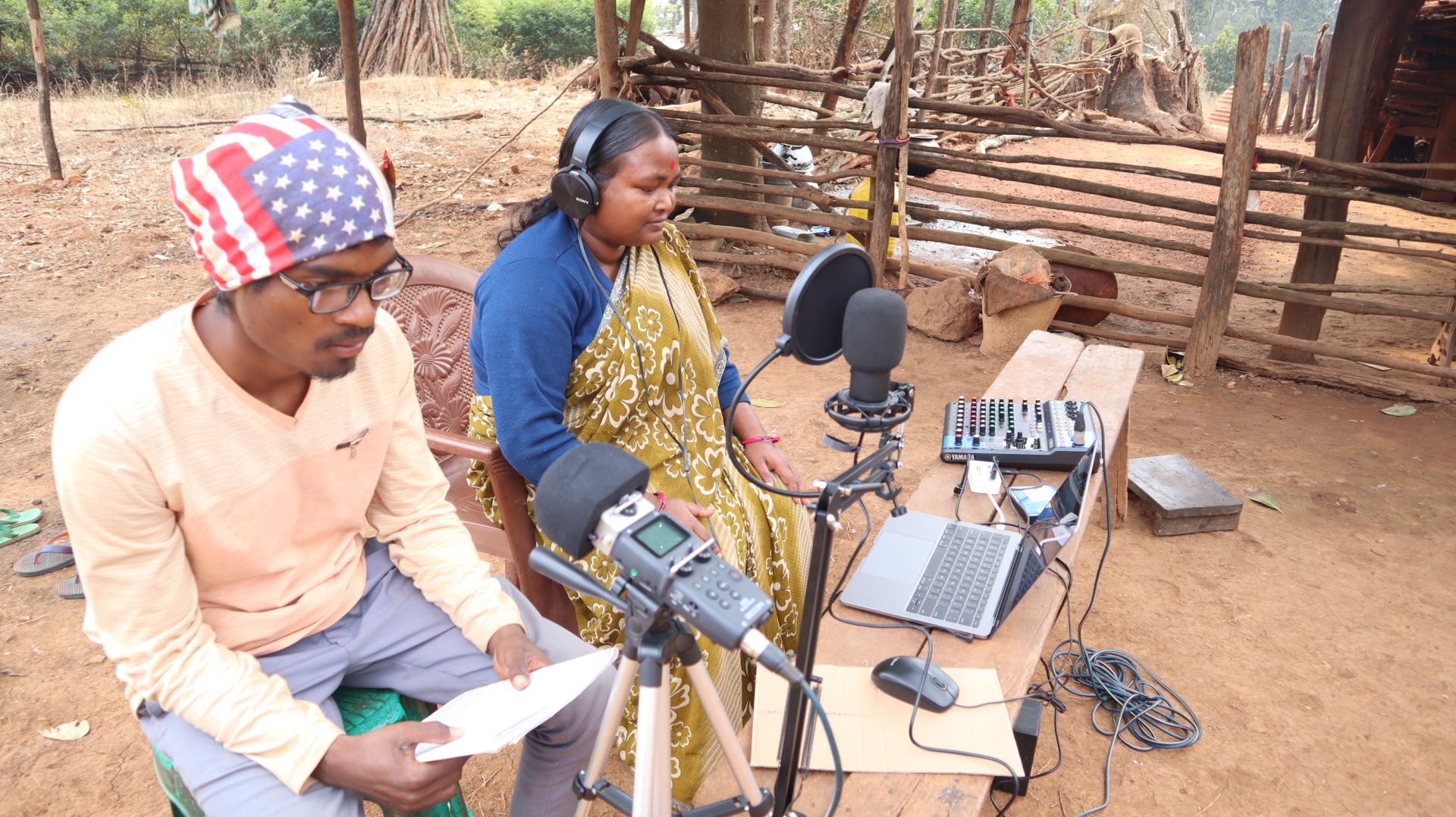
The AAMR initiative directly confronts these challenges by integrating technical training in radio broadcasting with comprehensive lessons on constitutional rights. This dual approach aims to equip a new generation of Asur individuals with both the skills to communicate effectively and a deep understanding of their legal protections, fostering a cadre of informed and empowered land defenders.
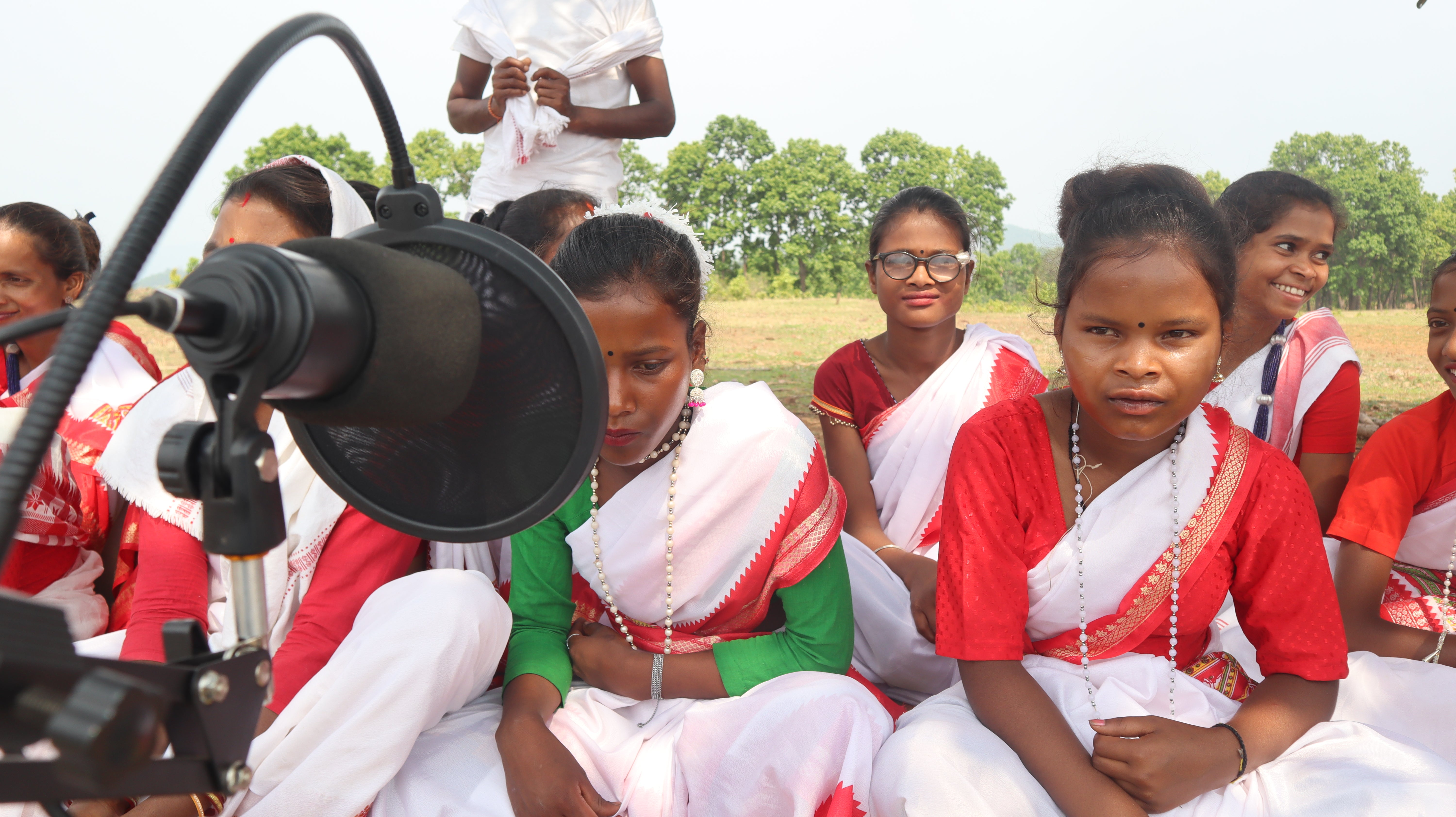
Voices of Empowerment: Training the Next Generation of Broadcasters
The impact of this training is vividly illustrated by the experiences of young participants like Vivek Asur, a trainee and youth broadcaster from Sakhuapani. His journey reflects a transformation from hesitation to confidence. "Earlier I was hesitant, but after this training, I can now record and broadcast radio programs myself," Vivek states, his voice resonating with pride. "I feel proud that our Asur language is being heard in the markets and even online." This sentiment highlights the project’s success in democratizing media production and ensuring that the Asur language is not only preserved but actively celebrated and disseminated.
The radio programs produced by AAMR serve as invaluable educational tools, offering insights into legal rights and providing a crucial platform for diverse voices within the community. Barnabas Toppo, an AAMR volunteer from Lupungpat, recounts an eye-opening experience: "This was the first time I understood how mining is connected to our rights in the Constitution. I feel more confident to speak up in the village council." This newfound understanding of their constitutional rights empowers individuals to engage more effectively in local governance and advocate for their community’s interests.
The initiative has also been instrumental in fostering greater participation of women in public discourse. Sushma Asur, a respected community leader from Sakhuapani, notes the transformative effect on gender dynamics: "The Radio gave us courage to stand together against mining. Now we women can speak in the meetings; [it’s] not just the men [who] can participate and speak." This signifies a significant shift towards greater inclusivity and empowerment, enabling women to voice their perspectives and contribute to decision-making processes that affect their lives.
A Cultural Renaissance: Bridging Generational Divides
Beyond its role in political advocacy and land rights, AAMR is playing a pivotal role in the preservation of Asur culture, a cultural heritage that many fear is on the precipice of being lost. The broadcast of traditional Indigenous songs over market speakers serves as a powerful bridge, connecting Elders who are the custodians of ancestral knowledge with the younger generation tasked with carrying it forward. Ajay Asur, an Elder from Sakhuapani, expresses the profound emotional impact of this cultural revival: "When I hear the songs of our ancestors on the radio, I feel that our traditions are alive again. The young people are learning what we had almost forgotten." This intergenerational transmission of cultural heritage is crucial for maintaining the continuity and vibrancy of Asur identity.
Furthermore, AAMR offers a compelling alternative to the perilous and exploitative labor often found in local mines. Bhikha Asur, a volunteer from Jobhipat, shared how his involvement with the radio project redirected his aspirations: "Working with the radio saved me from going to the mines for daily wage work. Now I am using my energy to create programs for our community." Similarly, Shradhanand Kerkett of Lupungpat, who once considered migrating for work, now feels a strong sense of purpose and belonging: "I now feel my place is here… serving my community." These narratives highlight the project’s success in fostering local employment, retaining skilled individuals within their communities, and redirecting their energies towards constructive community development.
Reaching National Airwaves: A Testament to Indigenous Resilience
The significant impact and unique programming of Asur Adivasi Mobile Radio have not gone unnoticed. The initiative has garnered attention from mainstream media and state institutions, a testament to its authenticity and reach. All India Radio and Ranchi Doordarshan have extended invitations to the AAMR team to share their radio programs. This represents a landmark achievement, marking the first time that songs in the Asur language and stories of the Asur people have been broadcast on national public media platforms. This exposure is invaluable in raising broader public awareness about the Asur community’s existence, culture, and struggles.
Sustaining the Voice: Challenges and Enduring Commitment
Despite these remarkable successes, the Asur Adivasi Mobile Radio initiative faces ongoing challenges, most notably financial instability. The sporadic nature of funding often necessitates that dedicated volunteers, who are the backbone of the project, return to precarious daily wage labor to sustain their livelihoods. This reality underscores the vulnerability of community-led initiatives in resource-constrained environments.
However, the unwavering commitment of the Asur community remains a powerful driving force. For Elders like Ropani Asur, the simple act of hearing the radio broadcast in their own language is a profound assurance of cultural continuity. "For years I was worried that our language would disappear," she shares with heartfelt emotion. "Hearing the radio in Asur makes me feel our grandchildren will remember who we are." This sentiment reflects the deep-seated desire to pass on their heritage to future generations.
A Lifeline of Resistance and Survival
As the Asur people continue to navigate the complex challenges posed by increasing industrialization and the persistent threat of displacement, Asur Adivasi Mobile Radio stands as a powerful exemplar of Indigenous-led media’s resilience and effectiveness. Melan Asur, an Elder from Jobhipat, articulates the vital importance of the station: "Radio is our lifeline to organize and unite our Asur community. Every day we face violence from the state and from dikus (outsiders). Mining, deforestation, displacement, and human trafficking are tearing our lives apart. With deep gratitude, we thank Cultural Survival for standing with us and supporting our Asur Adibasi Mobile Radio – our voice of resistance and survival."
The story of AAMR is a compelling narrative of empowerment, cultural affirmation, and determined resistance. It demonstrates how, even in the face of overwhelming odds, Indigenous communities can harness innovative tools and collective action to protect their lands, preserve their cultures, and forge a more just and sustainable future. The rhythmic broadcast from Netarhat is more than just a radio program; it is a testament to the enduring spirit of the Asur people and a powerful call for solidarity and support.