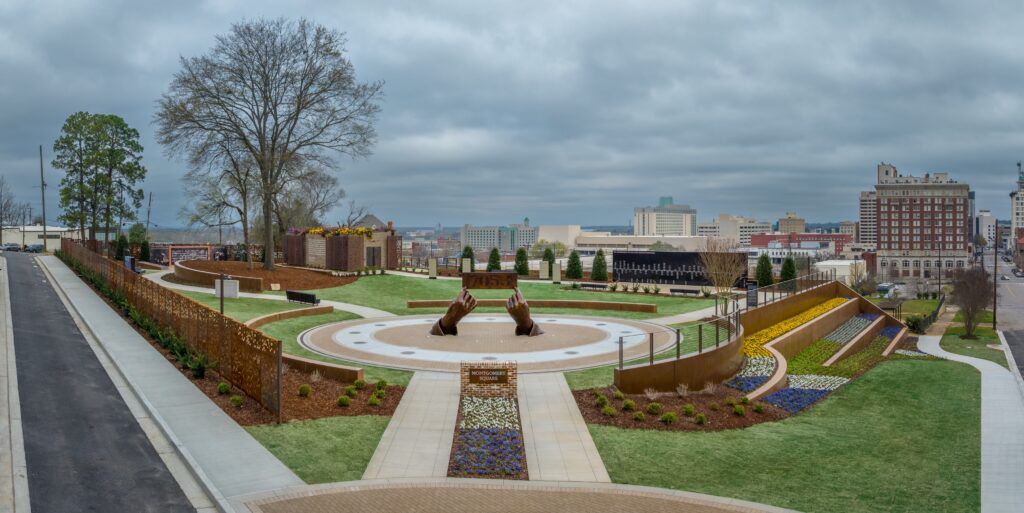
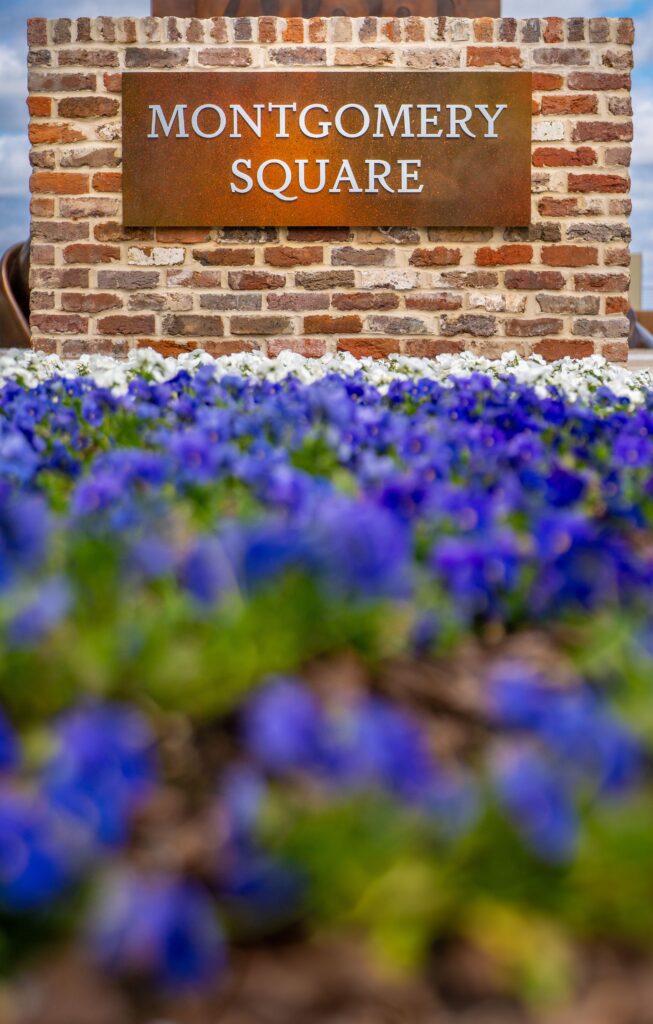
Montgomery, Alabama – The Equal Justice Initiative (EJI) has proudly announced the grand opening of Montgomery Square, a transformative new site dedicated to the critical decade from 1955 to 1965, a period often referred to as "the Montgomery decade that changed the world." This outdoor interpretive space, meticulously designed to immerse visitors in the struggles and triumphs of the Civil Rights Movement, stands as a profound testament to the extraordinary courage and unwavering determination of Black residents who rose against systemic racial injustice in Montgomery, igniting a movement that reverberated across the United States and far beyond its borders.
The launch of Montgomery Square significantly expands EJI’s celebrated network of Legacy Sites, which already includes the profound Legacy Museum, the solemn National Memorial for Peace and Justice, and the inspiring Freedom Monument Sculpture Park. Each of these sites is animated by the deeply held conviction that there is immense power in place – a belief that understanding history is most potent when experienced on the very ground where it unfolded. Strategically located adjacent to the new Elevation Convening Center and Hotel, at the summit of Montgomery Street, the Square occupies hallowed ground. This exact thoroughfare witnessed tens of thousands of freedom marchers on March 25, 1965, as they completed the arduous and historic Selma to Montgomery March, a pivotal moment in the fight for voting rights.
A Deep Dive into the Heart of the Movement
Visiting Montgomery Square offers more than just a historical overview; it provides an unparalleled opportunity to literally walk in the footsteps of the courageous women, men, and children whose unwavering bravery and resolve, often in the face of violent opposition, ultimately led to the landmark passage of the Voting Rights Act of 1965. EJI Director Bryan Stevenson articulated the profound significance of this new endeavor, stating, "We are extremely excited to open this site, which explores how Montgomery created a new chapter for democracy and justice in America. The movement birthed by Montgomery’s residents in 1955, culminating in a triumphant march in 1965, changed the cultural, legal, social, and economic landscape of this nation." His words underscore the site’s mission to illuminate Montgomery’s foundational role in ushering in an era of greater democracy and opportunity for all Americans.
The narrative presented at Montgomery Square is enriched through a powerful fusion of art and historical documentation. Acclaimed artists Hank Willis Thomas and Basil Watson contribute evocative sculptures that capture the spirit of the era, while archival photography from the period vividly illustrates the deeply researched historical context. These artistic and documentary elements work in concert to tell the story of Montgomery’s pivotal role, making the abstract concepts of history tangible and emotionally resonant for contemporary audiences.
A cornerstone of the visitor experience is Heroes Hall, an indoor space where new documentary films are screened, bringing to life the voices and experiences of the movement’s leaders and unsung heroes. These films feature compelling accounts from iconic figures such as Claudette Colvin, Rosa Parks, E.D. Nixon, Jo Ann Robinson, Fred D. Gray, John Lewis, Jo Ann Bland, Sheyann Webb Christburg, Amelia Boynton Robinson, and Lynda Blackmon Lowery. The Hall also includes invaluable interviews and speeches from the Reverend Dr. Martin Luther King Jr., offering direct access to the thoughts and philosophies that guided the movement.
Tracing the Arc of Justice: The Montgomery Decade (1955-1965)
To fully grasp the magnitude of the events commemorated at Montgomery Square, it is essential to understand the socio-political landscape of Montgomery prior to 1955. For decades, Montgomery, like much of the American South, operated under the oppressive system of Jim Crow laws, which enforced racial segregation and disenfranchisement. Black residents faced systemic discrimination in housing, employment, education, and public accommodations. Public transportation, particularly the city buses, served as a daily reminder of this humiliation, with rigid segregation ordinances dictating where Black passengers could sit, often forcing them to enter through the front door, pay, and then re-enter through the back door, sometimes even being left behind if the bus departed too soon.
1955: The Spark Ignites
The seeds of resistance were sown years before, but 1955 proved to be the tipping point. In March, 15-year-old Claudette Colvin refused to give up her seat on a segregated bus, leading to her arrest. Though her case did not become the movement’s rallying cry, it laid crucial groundwork. Then, on December 1, 1955, Rosa Parks, a seamstress and NAACP activist, made her courageous stand, refusing to surrender her seat to a white passenger. Her arrest galvanized the Black community. Four days later, on December 5, 1955, the Montgomery Bus Boycott began. Organized by the Montgomery Improvement Association (MIA), led by the then-young and relatively unknown Reverend Martin Luther King Jr., the boycott called for Black citizens to refuse to ride city buses. This collective action, which lasted an unprecedented 381 days, demonstrated immense solidarity and resilience. Approximately 40,000 African American residents, constituting roughly 75% of the bus system’s ridership, participated, walking, carpooling, or riding in volunteer-driven taxis, enduring economic hardship and threats of violence.
1956: Legal Victory and End of Segregation
The boycott’s legal challenge culminated in Browder v. Gayle. Filed in federal court on February 1, 1956, by attorney Fred D. Gray, the case directly challenged the constitutionality of bus segregation laws. On June 5, 1956, a three-judge federal panel ruled that bus segregation violated the Fourteenth Amendment. After appeals, the U.S. Supreme Court upheld this decision on November 13, 1956. On December 20, 1956, the federal order to desegregate Montgomery’s buses was served, and the boycott officially ended the following day, marking a monumental victory against Jim Crow.
Early 1960s: Escalation and Broader Impact
The success of the Montgomery Bus Boycott inspired similar actions nationwide and propelled Martin Luther King Jr. to national prominence. The late 1950s and early 1960s saw the emergence of student-led sit-ins and the Freedom Rides, which aimed to desegregate interstate transportation. Montgomery, unfortunately, became a focal point for extreme violence during the Freedom Rides in May 1961. Integrated groups of riders faced brutal attacks by white mobs at the Greyhound bus station, with local police notably absent or complicit, highlighting the deep-seated resistance to integration that persisted despite legal victories. These harrowing events, broadcast nationally and internationally, brought increased federal intervention and drew global attention to the systemic racial violence in the South.
1965: The March for Voting Rights
The decade culminated in the monumental Selma to Montgomery Marches in March 1965. Despite the passage of the Civil Rights Act of 1964, which outlawed segregation, pervasive discrimination continued, particularly in voter registration. In Dallas County, Alabama, where Selma is located, only about 2% of eligible Black voters were registered. Activists, including those from the Southern Christian Leadership Conference (SCLC) and the Student Nonviolent Coordinating Committee (SNCC), initiated a campaign for voting rights. On March 7, 1965, approximately 600 marchers attempting to cross the Edmund Pettus Bridge in Selma were brutally attacked by state troopers and local law enforcement, an event known as "Bloody Sunday." Two days later, a second march, led by Dr. King, was turned back at the bridge. Finally, under federal protection, the third march began on March 21, 1965, with thousands walking the 54 miles from Selma to Montgomery. By the time they reached the Alabama State Capitol on March 25, their numbers had swelled to an estimated 25,000. This powerful demonstration directly pressured Congress to pass the Voting Rights Act, signed into law by President Lyndon B. Johnson on August 6, 1965, which outlawed discriminatory voting practices.
The Landscape of Remembrance: Features of Montgomery Square
Montgomery Square provides a meticulously detailed historical account through its various installations. A massive timeline intricately maps out this momentous decade, commencing with the widespread and constant humiliation and threats of violence that Black residents endured on segregated city buses for decades leading up to the Montgomery Bus Boycott. Adjacent pillars display actual segregation laws, illustrating the rigid and extensive system of racial segregation that characterized the era—a system so pervasive it even barred Black and white people from engaging in simple activities like playing checkers together.
The site unflinchingly documents the relentless, often violent opposition from tens of thousands of white residents who organized to uphold racial segregation in Montgomery. Visitors can read the stark words of faith leaders, elected officials, journalists, and prominent members of the Montgomery establishment who publicly vowed to "forever stand like a rock against social equality, intermarriage, and mixing of the races in the schools." These historical documents serve as a stark reminder of the immense societal forces that civil rights activists bravely confronted.
At the heart of Montgomery Square stands a giant, venerable oak tree, a silent, living witness to the unfolding history. This tree stood sentinel as thousands of Black people walked the city’s streets to end segregation in 1955, and as tens of thousands risked their lives to end Black disenfranchisement in 1965. Its presence serves as a powerful natural monument, connecting visitors to the enduring legacy of the struggle.
Art as Commemoration and Inspiration
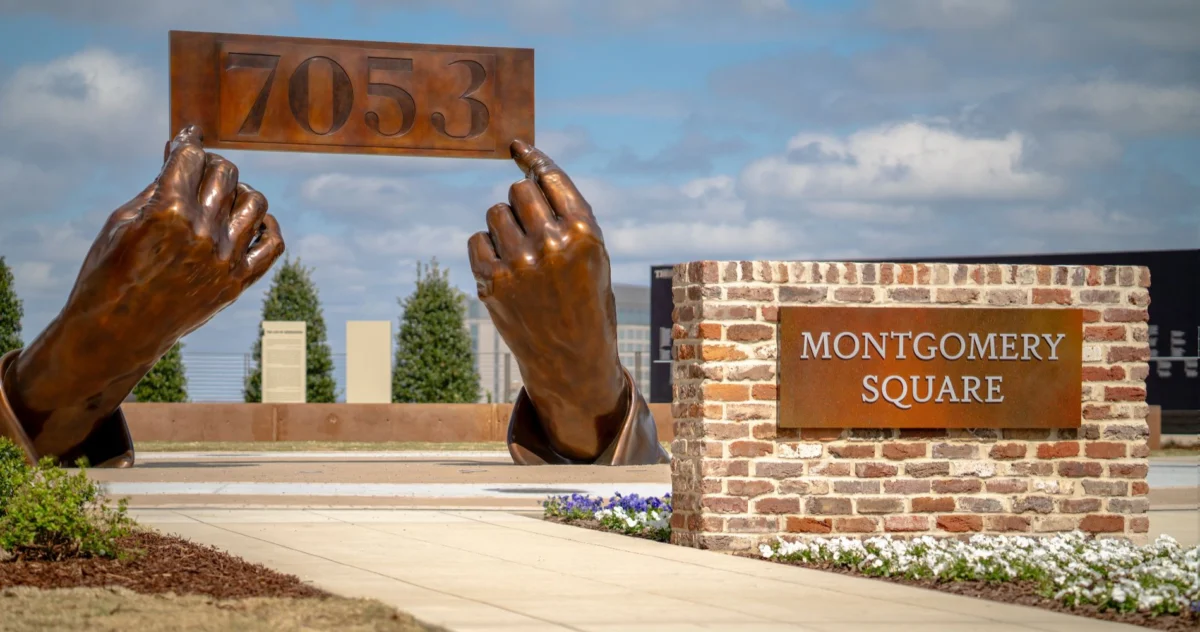
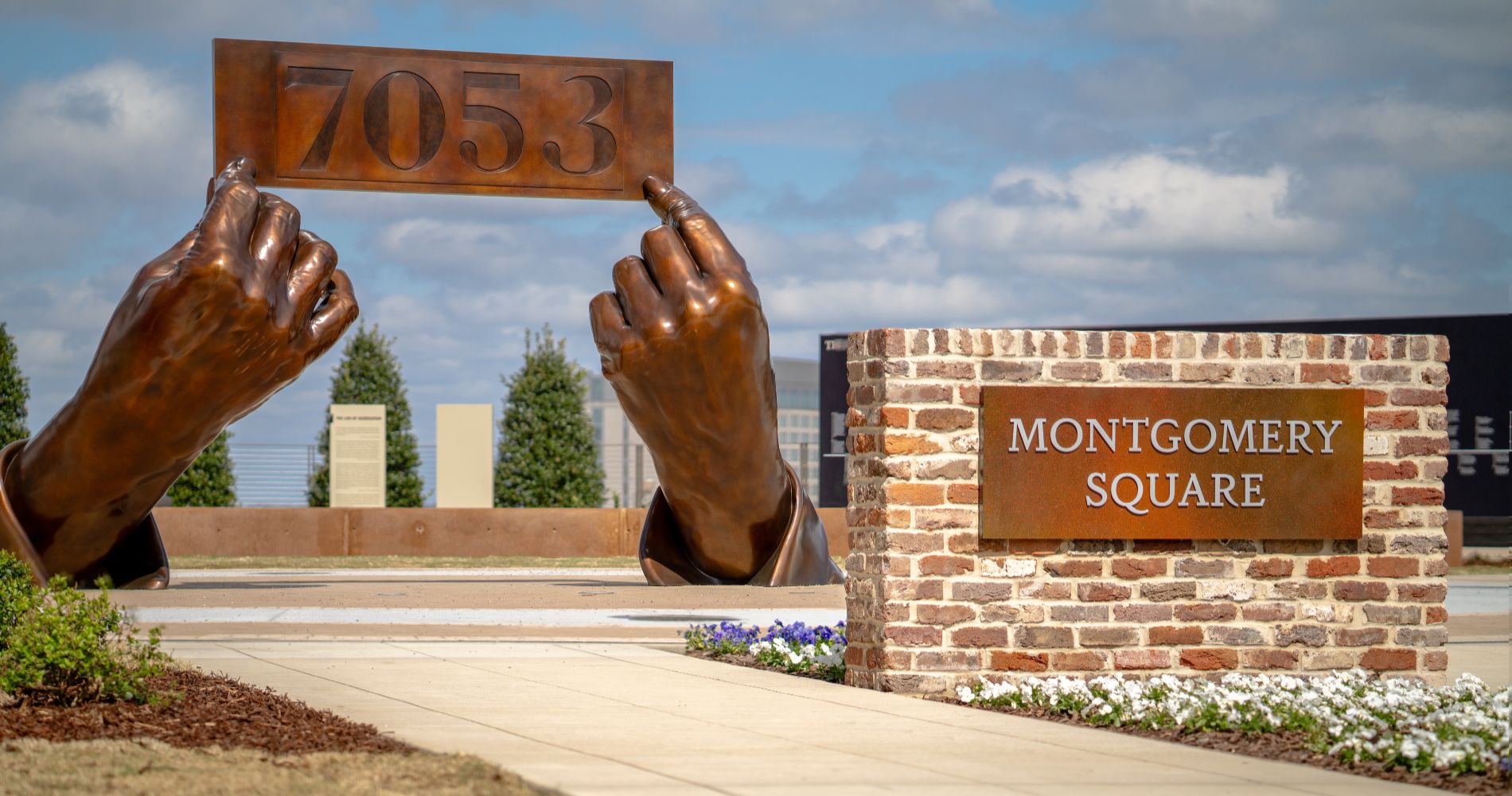
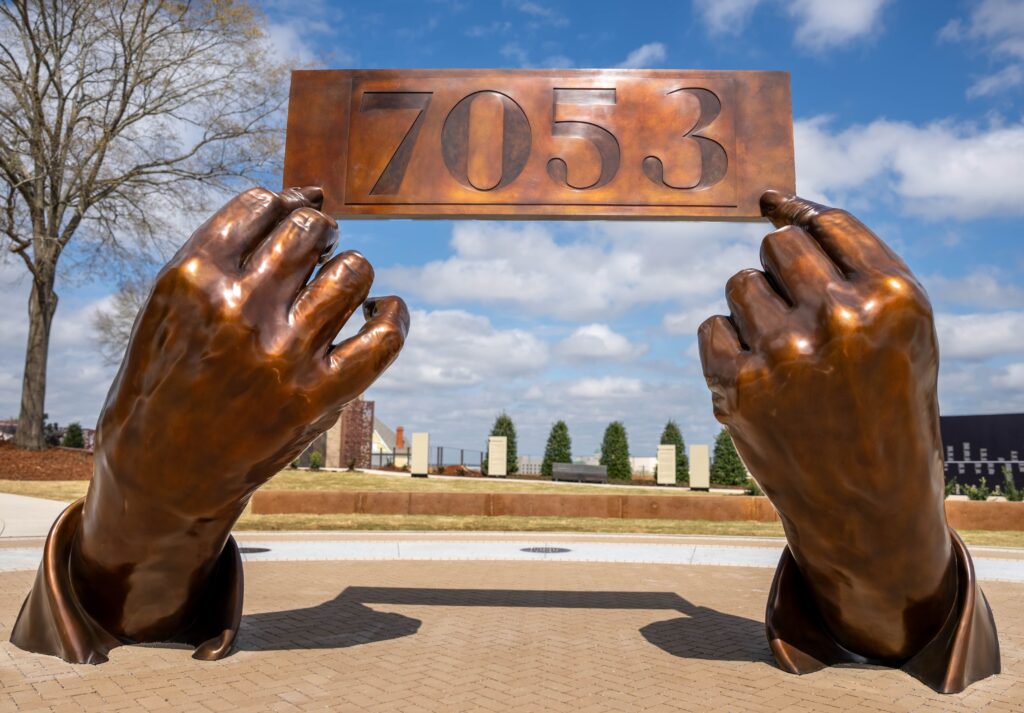
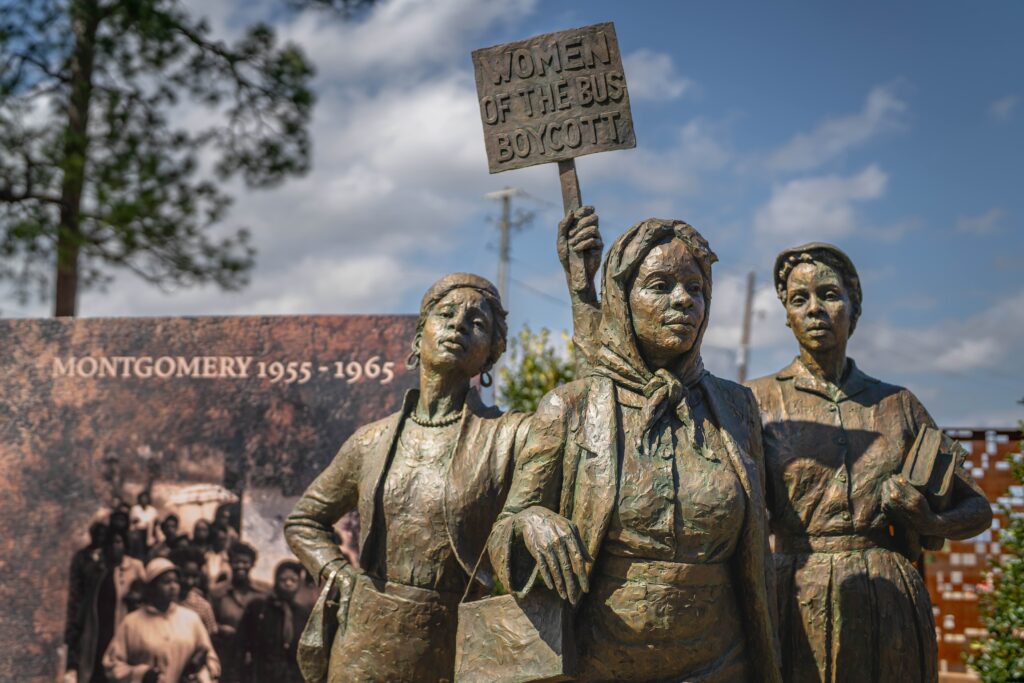
The artistic contributions at Montgomery Square are particularly impactful. Hank Willis Thomas’s sculpture, for instance, transforms the historically degrading experience of an arrest number into a badge of honor, symbolizing the defiant courage of those who were jailed for justice. Basil Watson’s sculpture powerfully depicts proud participants in the Montgomery Bus Boycott, capturing the quiet dignity and collective strength of a community that sustained a year-long protest. These works are not merely decorative; they are integral to the site’s storytelling, evoking the emotional and psychological dimensions of the struggle.
Underpinned by Rigorous Research and Educational Outreach
The physical design and narrative of Montgomery Square are the culmination of hundreds of hours of painstaking research conducted by EJI. This extensive work is further presented in their new report, The Montgomery Decade That Changed the World: 1955 to 1965, available alongside the comprehensive Montgomery Square website. These resources delve into the often-overlooked historical context and shed light on the unsung heroes of this transformative decade in Montgomery, ensuring that their contributions are no longer forgotten.
Bryan Stevenson emphasized the crucial educational role of the site and its accompanying materials: "This history needs to be studied and understood by every American. We are proud to make learning about this critical decade more accessible to everyone at Montgomery Square."
Broader Impact and Implications
The opening of Montgomery Square carries significant implications for education, heritage tourism, and the ongoing national dialogue on racial justice.
Educational Value: The site serves as an invaluable educational resource for students, educators, and historians. By making this complex history accessible and tangible, it fosters a deeper understanding of the Civil Rights Movement’s origins, strategies, and profound impact. It offers a crucial counter-narrative to sanitized versions of history, confronting visitors with the realities of systemic injustice and the courage required to dismantle it.
Heritage Tourism and Economic Impact: Montgomery Square complements the existing EJI Legacy Sites, solidifying Montgomery’s position as a pivotal destination for civil rights tourism. This growing sector not only educates visitors but also contributes significantly to the local economy, creating jobs and stimulating growth. Local officials and tourism bureaus are expected to welcome the increased visitor flow, recognizing the site’s potential to draw national and international attention.
National Dialogue on Racial Justice: In an era of continued debates surrounding racial equity and justice, Montgomery Square provides a powerful platform for reflection and conversation. It reminds Americans of the persistent struggle for fundamental human rights and the transformative power of collective action. By highlighting the historical roots of contemporary issues, the site encourages a more informed and empathetic engagement with ongoing challenges. The EJI’s consistent message, reiterated by Stevenson, is that confronting the past is essential for building a more just future.
Global Influence: The Montgomery Bus Boycott and the broader Civil Rights Movement inspired liberation struggles worldwide. Montgomery Square implicitly reinforces this global legacy, demonstrating how localized acts of resistance can spark movements that transcend national borders and influence the pursuit of human rights universally.
Montgomery Square is now open to the public from 9 am until 6 pm, Wednesday through Monday. Admission is free, and no ticket is required, ensuring that this vital piece of American history is accessible to all. The EJI extends an invitation to individuals from all walks of life to join them in Montgomery, to "experience the power of confronting injustice in this place, fueled by the deep knowledge gained at the Legacy Sites," and to engage with a history that continues to shape the world.