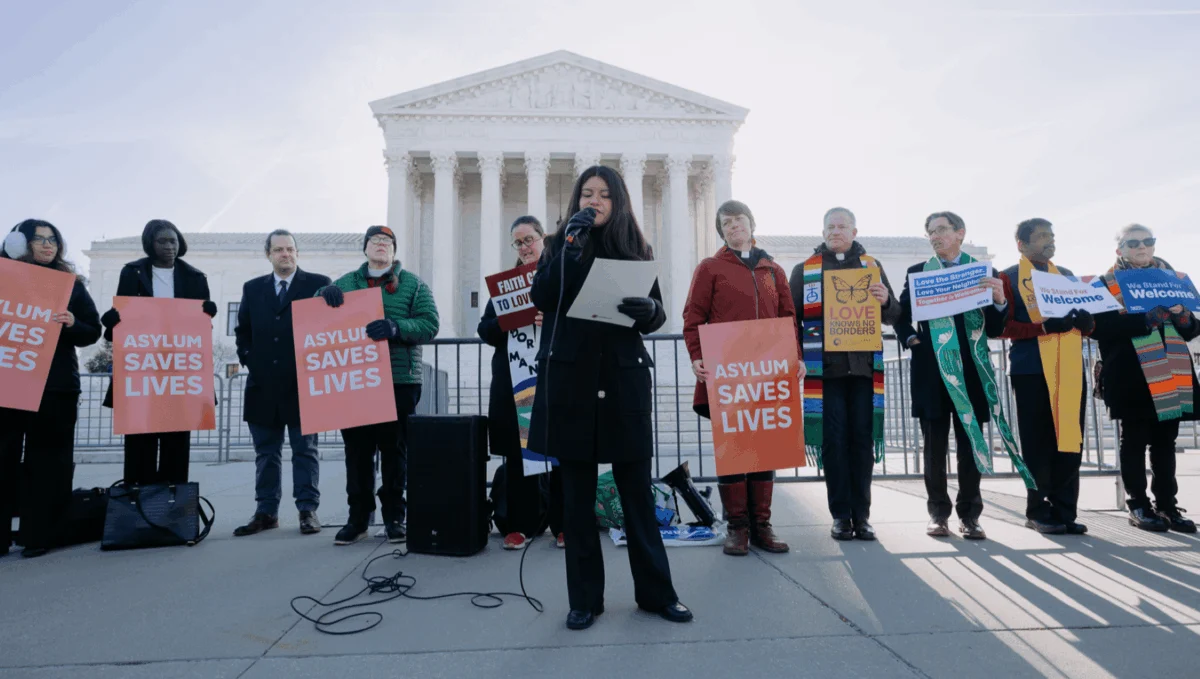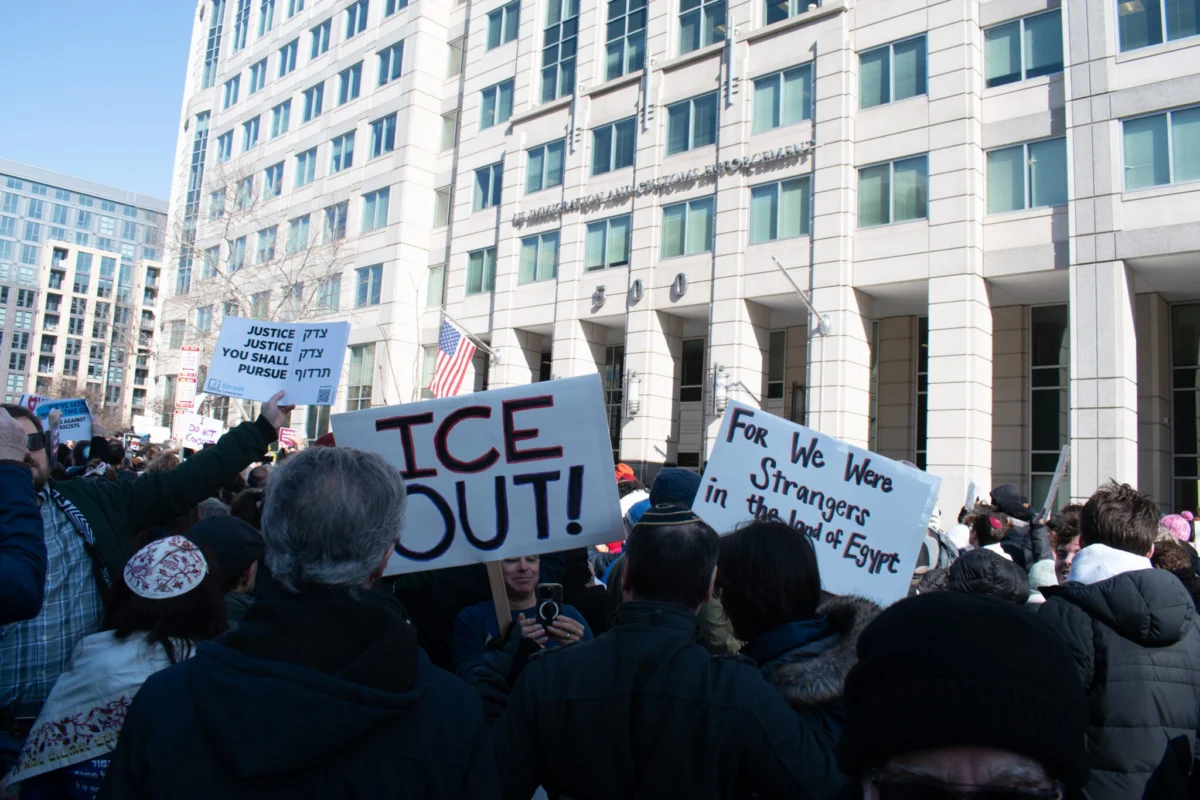
On March 11, 2026, a significant declaration emerged from the American Jewish community as over 1,100 Jewish clergy, representing a broad spectrum of denominations, publicly united in their unwavering support for refugees, asylum seekers, and immigrants. This collective stance underscores a deep-seated commitment to core Jewish values, emphasizing the responsibility to uphold the dignity, humanity, and rights of all individuals within the nation’s borders. The initiative, spearheaded by prominent Jewish organizations advocating for immigrant and refugee rights, signifies a powerful moral voice within the ongoing national discourse on immigration policy.
Historical Echoes and Moral Imperatives
The clergy’s statement is rooted in the profound historical memory of the Jewish people, a history intrinsically linked to fleeing persecution, seeking refuge, and the essential need for a safe haven. This lived experience of migration, woven into the fabric of Jewish identity, informs their understanding of the biblical commandment: "You shall not wrong or oppress the stranger, for you were strangers in the land of Egypt" (Exodus 22:20). This foundational text, alongside other guiding principles such as "You shall love one another as yourself" (Leviticus 19:34) and the call for a unified law for both native-born and stranger (Numbers 15:15), serves as a powerful ethical framework.
The signatories assert that to be Jewish is to recognize the inherent human dignity of every person and to advocate for a justice system that is compassionate and fair. They draw a direct line from ancient texts to contemporary challenges, highlighting that in every generation, the Jewish soul is "marked by the memory of migration." This memory, they contend, now calls for courage to "reclaim and recenter our moral compass" and to embody the ancient plea of the stranger: "I am a resident and stranger with you." The statement serves as a direct appeal to national leaders, urging them not to "wrong or oppress the stranger."
A Mobilization of Faith and Advocacy
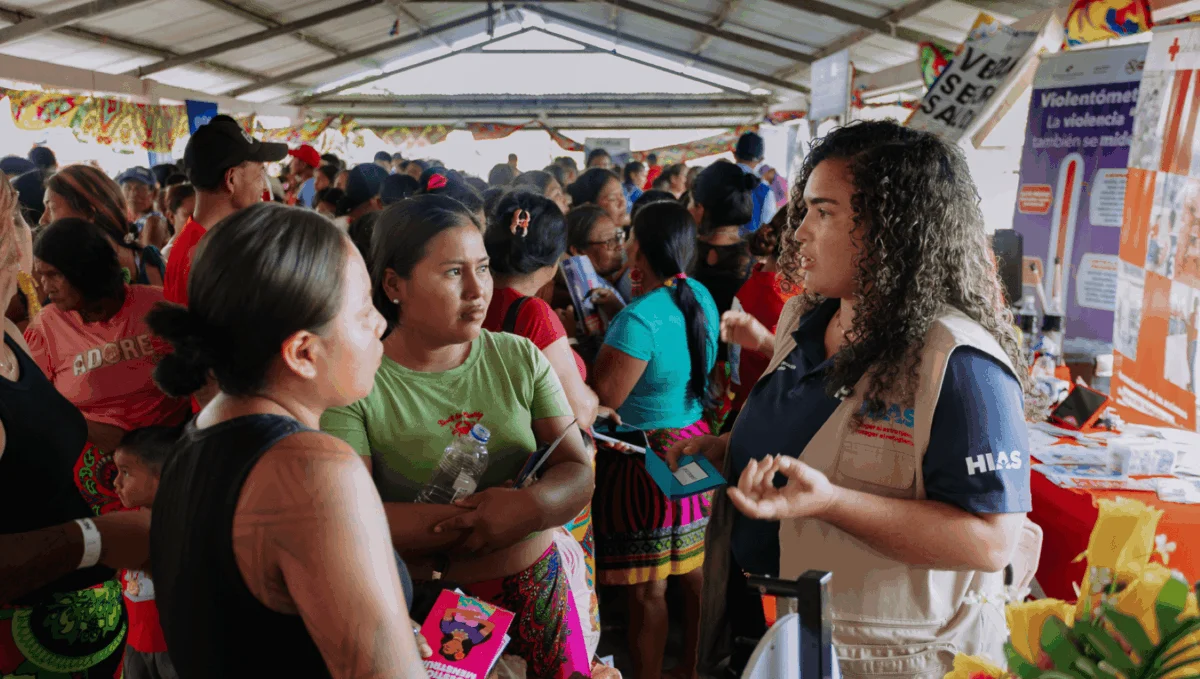
The initiative behind this broad clergy statement is not a spontaneous reaction but a deliberate effort to leverage the moral authority of religious leaders to influence public policy and perception. Organizations such as HIAS (formerly the Hebrew Immigrant Aid Society), a leading Jewish organization that has been assisting refugees and immigrants since its founding in 1881, have been instrumental in galvanizing this support. HIAS has a long history of advocacy, tracing its roots back to aiding Jewish immigrants fleeing pogroms in Eastern Europe.
The release of the statement coincided with a period of heightened debate and policy shifts regarding immigration in the United States. In the years leading up to 2026, the nation had witnessed significant fluctuations in refugee admissions, increased border securitization, and complex legislative battles over asylum processes. This context makes the unified voice of the Jewish clergy particularly resonant, offering a counter-narrative grounded in humanitarianism and historical empathy.
The video accompanying the statement, titled "America’s Jewish Clergy Speak Out for Immigrants," features diverse voices from across the denominational spectrum, including Reform, Conservative, Reconstructionist, and Orthodox rabbis, as well as cantors and other Jewish religious leaders. This breadth of participation is crucial, demonstrating that support for immigrants is not confined to any single theological or political wing of American Judaism.
Data and Context: The Landscape of Immigration
The statement’s emergence occurs against a backdrop of significant global displacement and evolving immigration patterns. According to United Nations High Commissioner for Refugees (UNHCR) data, by the end of 2025, the number of forcibly displaced people worldwide had surpassed 100 million for the first time in recorded history, a figure driven by protracted conflicts, climate crises, and economic instability. The United States, as a major global power and a nation built by immigrants, remains a primary destination for those seeking refuge and opportunity.
In the preceding years, the U.S. had seen fluctuating numbers of asylum applications, with surges often linked to crises in neighboring countries or distant conflict zones. Policy debates frequently centered on the capacity of the asylum system to process claims efficiently and humanely, the conditions at the border, and the integration of newcomers into American society. Economic analyses often highlight the contributions of immigrants to the labor force, innovation, and cultural enrichment, while also acknowledging the challenges associated with managing large-scale migration flows.
Broader Implications and Future Trajectory
The unified stance of over 1,100 Jewish clergy carries significant weight, not only within the Jewish community but also in the broader American interfaith and political landscape. It signals a clear moral opposition to policies perceived as inhumane or discriminatory and a strong affirmation of the United States’ historical role as a haven.
This collective action is likely to embolden other faith-based organizations and advocacy groups to reinforce their own commitments to immigrant and refugee rights. It also provides a moral and ethical anchor for political discussions, reminding policymakers of the human dimension of immigration. The continuous updating of the list of signatories, as invited by the organizing bodies, suggests an ongoing commitment to sustained advocacy.
The implications of such a broad coalition extend to the shaping of public opinion and the potential for legislative action. By grounding their arguments in deeply held religious and historical values, these clergy members aim to foster greater empathy and understanding among the wider populace. Their message is clear: the welcoming of the stranger is not merely a political issue, but a fundamental moral imperative rooted in the very essence of their faith and identity. As the nation continues to grapple with complex immigration challenges, the voice of these 1,100+ Jewish clergy stands as a powerful testament to the enduring principles of compassion and human dignity.