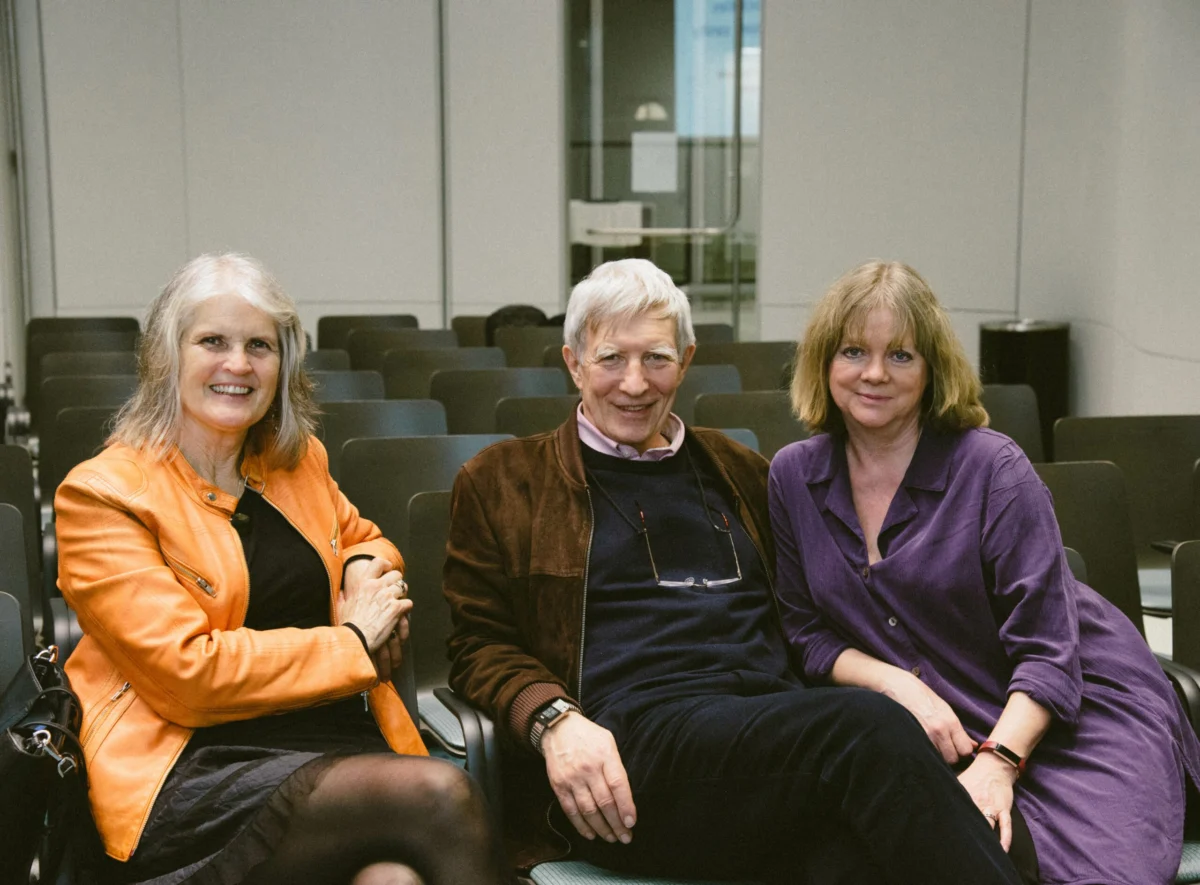
The upcoming publication of Professor Kate Pickett’s latest work, The Good Society, marks a significant milestone in the contemporary discourse on social reform and economic restructuring. Scheduled for a formal digital launch on Wednesday, February 4, 2026, the event brings together a panel of the United Kingdom’s most prominent voices in social justice, environmental advocacy, and public policy. Joining Professor Pickett are George Monbiot, the celebrated environmental journalist and author; Caroline Lucas, the former leader of the Green Party and longtime Member of Parliament; and Baroness Ruth Lister of Burtersett, a leading academic and peer known for her extensive work on poverty and citizenship.
The launch event, set to commence at 6:00 pm, aims to address the systemic barriers that currently hinder the realization of a more equitable and functional society. Professor Pickett, a world-renowned epidemiologist and co-author of the seminal work The Spirit Level, argues in her new book that the myriad crises facing the United Kingdom—ranging from stagnating health outcomes and a crumbling social care infrastructure to educational disparities and environmental degradation—are not isolated phenomena. Instead, she posits that they share a singular, foundational root: the profound and growing level of inequality within the nation.
A Vision for Structural Transformation
In The Good Society, Pickett transitions from the diagnosis of societal ills, which characterized her previous collaborations with Richard Wilkinson, to a prescriptive framework for change. The book asserts that creating a "Good Society" is a tangible political choice rather than an unattainable utopia. By utilizing a wealth of evidence-based research and comparative international data, Pickett demonstrates that societies with narrower gaps between the rich and the poor consistently outperform more unequal nations across nearly every metric of human flourishing.
The central thesis suggests that inequality acts as a "pollutant" in the social fabric, increasing status anxiety, eroding social trust, and placing immense pressure on public services. The launch event will serve as a forum for Pickett and her guests to dissect these themes, offering a roadmap for how the UK might pivot toward a model that prioritizes the collective well-being of its citizens over narrow economic indicators.
Contextual Background: The Evolution of Inequality Research
The release of The Good Society follows nearly two decades of influential research by Professor Pickett. In 2009, The Spirit Level: Why More Equal Societies Almost Always Do Better revolutionized the way policymakers viewed income distribution. It provided statistical evidence that for developed nations, the overall level of inequality was a better predictor of social problems—such as homicide rates, infant mortality, and obesity—than the average per capita income.
Since then, the global landscape has shifted. The COVID-19 pandemic, the subsequent cost-of-living crisis, and the accelerating climate emergency have all exacerbated existing fissures in the social contract. The Good Society arrives at a moment when the public appetite for systemic change appears to be at a peak. The presence of George Monbiot, who has long argued for the "internalization" of environmental costs and the end of neoliberal hegemony, suggests that Pickett’s new work will bridge the gap between social equity and ecological sustainability.
Similarly, the involvement of Caroline Lucas highlights the book’s relevance to the "Green New Deal" movement, which seeks to address economic inequality and climate change as interconnected issues. Baroness Lister’s participation ensures that the discussion remains grounded in the realities of social policy and the legislative hurdles required to enact meaningful welfare reform.
The Evidence Base: Inequality and Public Outcomes
Supporting the claims made in The Good Society is a vast array of longitudinal data. According to recent reports from the Office for National Statistics (ONS) and the Marmot Review, the gap in healthy life expectancy between the wealthiest and most deprived areas of the UK has continued to widen. In some regions, the difference in life expectancy exceeds a decade, while the difference in "healthy life years" is even more pronounced.
Professor Pickett’s research indicates that these outcomes are not merely the result of individual lifestyle choices but are dictated by the "wider determinants of health." These include housing quality, job security, and the psychological impact of living in a highly hierarchical society. The book argues that by narrowing the income gap through progressive taxation, strengthened labor rights, and expanded universal basic services, the state can reduce the burden on the National Health Service (NHS) and improve the general resilience of the population.
In the realm of education, data from the Department for Education consistently shows a "disadvantage gap" that begins in early childhood and persists through university entry. Pickett argues that an education system focused on imagination and creativity, rather than rigid testing and competition, is only possible in a society where the stakes of "falling behind" are not so catastrophically high.
Chronology of the Equality Movement and Key Milestones
The trajectory leading to the publication of The Good Society can be traced through several key developmental phases in social advocacy:
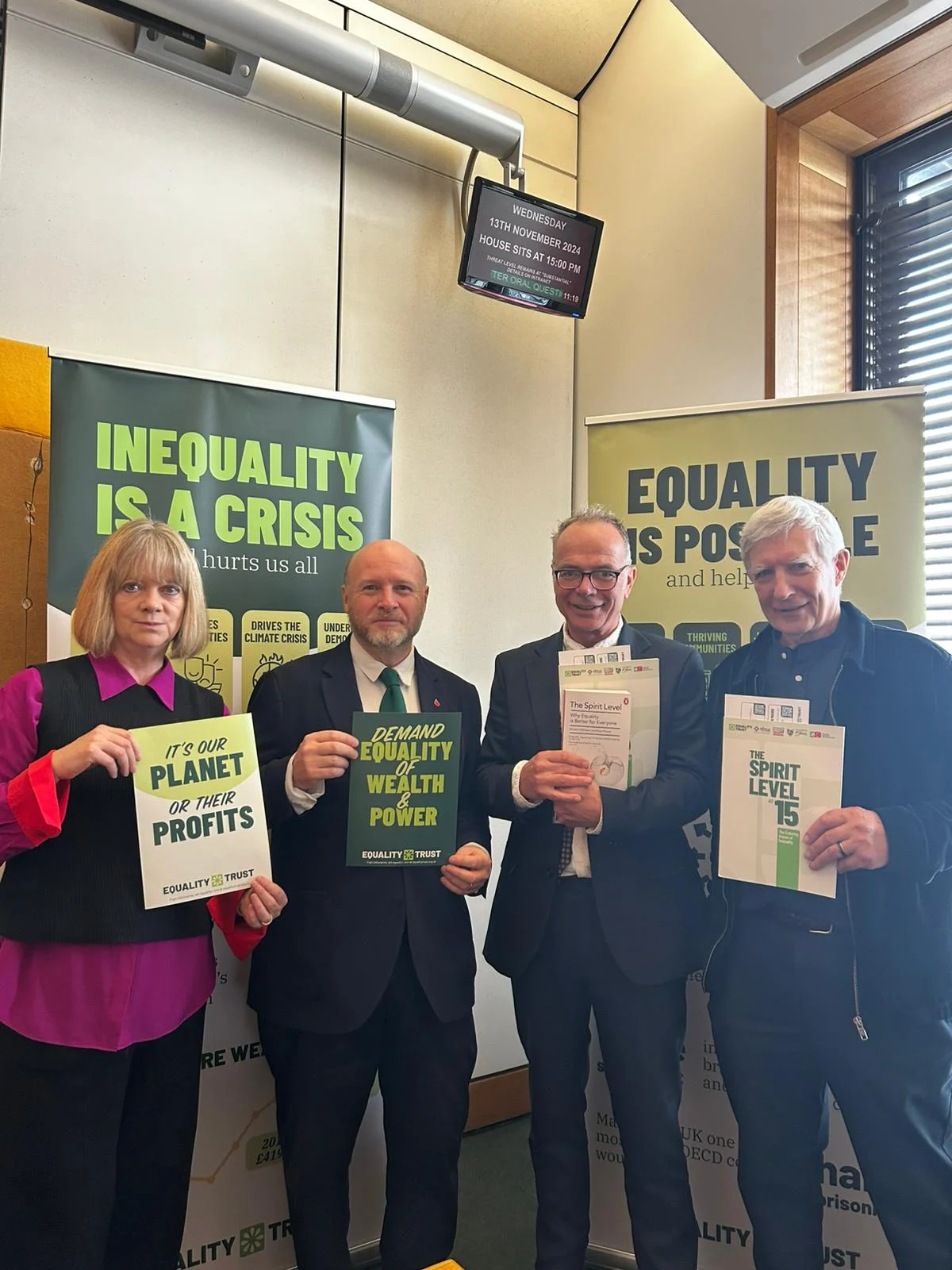
- 2009: The Spirit Level Publication: Richard Wilkinson and Kate Pickett publish their groundbreaking research, establishing the "Equality Trust" to advocate for evidence-based policy changes.
- 2014: The Piketty Phenomenon: Thomas Piketty’s Capital in the Twenty-First Century brings the economics of wealth inequality into the mainstream global consciousness.
- 2018: The Inner Level: Pickett and Wilkinson release a follow-up work focusing on the psychological impact of inequality, specifically how it drives anxiety and depression.
- 2020-2022: The Pandemic Effect: The global health crisis exposes the fragility of unequal societies, as low-income workers face higher mortality rates and economic instability.
- 2024-2025: Policy Shift Proposals: Various think tanks and political factions begin incorporating "Wellbeing Economy" metrics into their manifestos, setting the stage for Pickett’s latest synthesis.
- February 2026: Launch of The Good Society: The book is released as a definitive guide for the next generation of social and economic policy.
Analysis of Implications: A Political Choice
The core message of the February 4 launch is that the current state of the nation is not an inevitability of globalization or technological progress, but a result of specific policy decisions. Professor Pickett’s vision involves a multi-pronged approach to reform:
- Public Health and Prevention: Moving away from a "reactive" health service toward one that prioritizes the social conditions that prevent illness.
- Social Care and Wellbeing: Redesigning care systems for the elderly and disabled so that they are judged on emotional and social outcomes rather than just fiscal efficiency.
- Criminal Justice: Shifting the focus from punitive measures to rehabilitation and the prevention of the social conditions—such as poverty and lack of opportunity—that foster crime.
- Environmental Stewardship: Recognizing that the climate crisis cannot be solved without addressing the "consumption gap" and ensuring that the transition to a green economy is socially just.
Experts in the field suggest that The Good Society could serve as a foundational text for a "post-growth" or "circular" economy. By decoupling the idea of progress from GDP growth and re-linking it to the equitable distribution of resources, Pickett provides a framework that addresses both the social and the planetary boundaries of the 21st century.
Official Responses and Anticipated Impact
While the book is yet to be fully debated in the legislative chambers, early reactions from the academic community and civil society groups have been overwhelmingly positive. The Equality Trust, which has long championed Pickett’s research, stated that the book provides the "missing link" between identifying the problems of inequality and implementing the solutions.
Political analysts suggest that the launch event, featuring figures like Lucas and Baroness Lister, will likely influence the policy platforms of opposition parties and cross-party committees. The emphasis on "wellbeing" as a primary metric of national success mirrors shifts seen in countries like New Zealand and Scotland, where "Wellbeing Budgets" have begun to replace traditional fiscal statements.
As the launch date approaches, the organizers have invited members of the public, policymakers, and the media to join the online forum. The event is expected to draw a significant international audience, reflecting the global relevance of the UK’s struggle with social cohesion and economic disparity.
Conclusion and Event Details
The launch of The Good Society represents more than just a book release; it is a call to action for a fundamental re-evaluation of the British social contract. By bringing together voices from across the spectrum of environmentalism, social policy, and epidemiology, the event promises to offer a comprehensive look at how a fairer society can be constructed.
Interested participants are encouraged to sign up for the virtual event, which will take place on Wednesday, February 4, 2026, at 6:00 pm. The discussion will include a presentation by Professor Pickett, followed by a panel debate and a Q&A session. As the nation grapples with the complexities of the mid-2020s, The Good Society offers a timely reminder that a healthier, safer, and greener future is within reach, provided there is the political will to choose it.