As anti-immigrant rhetoric and antisemitism surge across the United Kingdom and globally, a burgeoning cohort of Jewish university students is forging a powerful counter-narrative by championing the rights and dignity of refugees and asylum seekers. A pioneering initiative, co-led by HIAS+JCORE and the Union of Jewish Students (UJS), is equipping these young advocates with the knowledge and skills to dismantle misinformation, confront hateful discourse, and cultivate a robust network of support for individuals seeking safety.
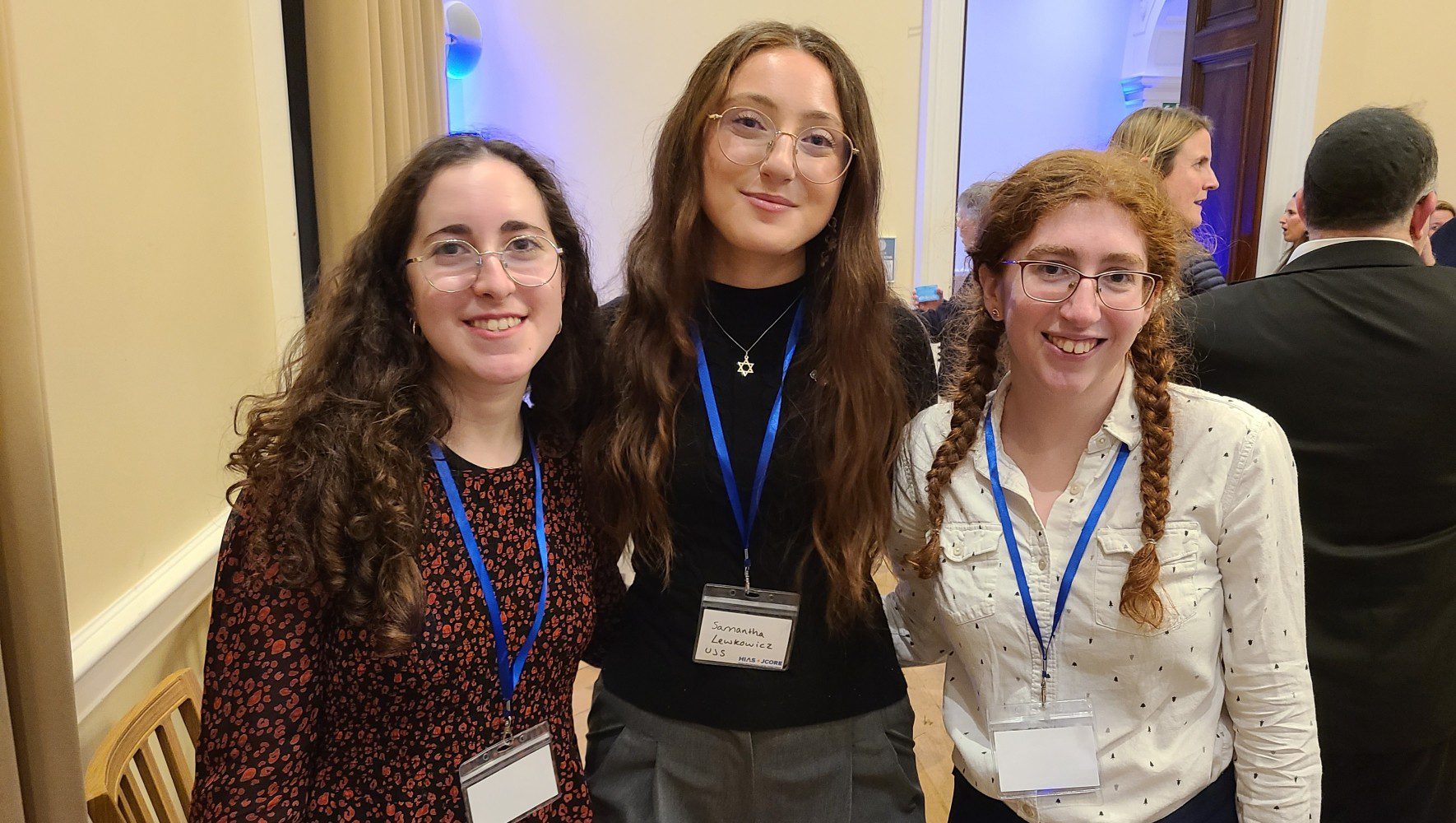
The impetus for this vital program, the Student Refugee Ambassador Program (SRAP), was ignited by the profound impact of direct engagement. Samantha Lewkowicz, a recent graduate of the University of East Anglia and a former Sabbatical Officer for Social Action and Holocaust Education at UJS, described her pivotal experience. "Hearing directly from young refugees and asylum seekers at a HIAS+JCORE event last summer truly inspired me to take action," Lewkowicz stated. This personal conviction fueled her advocacy to establish a program that would galvanize Jewish university students across the U.K.
"We developed this program and weren’t sure there would be any interest, but then 50 students signed up," Lewkowicz recalled, highlighting the program’s immediate success. "I know how busy students are. Trying to get them involved in anything is a challenge, let alone something where you’re devoting your free time to advocating for refugees and asylum seekers." The overwhelming response underscores a deep-seated desire among young people to engage with pressing social issues, even amidst demanding academic schedules.
Fostering Jewish Values and Refugee Advocacy
The Student Refugee Ambassador Program, now concluding its inaugural year, has demonstrably empowered participants to become effective advocates for refugees. At its core, SRAP artfully bridges Jewish values and historical experiences with contemporary advocacy for displaced populations. "With this program, we provide students with knowledge about refugees, but also we teach them to be proud of being Jewish," explained Yael Peleg, HIAS+JCORE’s Community Engagement Director. "They understand our responsibility as Jews and our commitment to creating communities of welcome." This dual focus on identity and action is crucial in fostering a generation that sees advocacy not as an obligation, but as an integral expression of their heritage.
Peleg further elaborated on the program’s pedagogical approach, stating, "We equip ambassadors with the ability to challenge discrimination and hateful rhetoric around refugees and asylum seekers. When they are out with their friends and the topic comes up, they now have the tools to speak out with facts and evidence-based information." This emphasis on equipping students with verifiable data and reasoned arguments is essential in combating the often emotionally charged and factually inaccurate narratives that dominate public discourse on immigration.
A Year of Learning, Engagement, and Empowerment
Throughout the academic year, SRAP participants engaged in a comprehensive curriculum designed to deepen their understanding of the complexities of asylum systems and the lived realities of refugees. A significant component involved direct learning from refugees themselves, offering firsthand accounts of the challenges they face within the U.K.’s current asylum system. This immersive experience provided invaluable context, moving beyond statistics and policy debates to humanize the plight of those seeking sanctuary.
Furthermore, the program facilitated crucial engagements with policymakers. Students met with Members of Parliament and other key experts to advocate for policies that uphold the rights and protections of individuals fleeing violence and persecution. These meetings served not only to educate lawmakers but also to empower the student ambassadors, demonstrating that their voices can influence political discourse.
"Ambassadors are amazed at how much they’ve learned. There is so much misinformation about refugees and asylum seekers," Sam noted. "It can be daunting to advocate when the media is very negative towards refugees. But knowing there are people at high levels who are making progress gives students the courage to speak up." This sentiment highlights the program’s success in building confidence and resilience among young advocates who are often navigating a challenging public opinion landscape.
Personal Journeys and Shared Histories
The personal journeys of the SRAP participants often illuminate the deep-seated connection between the Jewish community and the refugee experience. Phoebe, a master’s student at King’s College London, originally from Maryland in the United States, found the program to be a full-circle experience. Her father’s dedication to resettling Afghan refugee families in their home community in Maryland had instilled in her a profound sense of responsibility. "It’s important to me that we as the Jewish community reach out because so many of us are descended from refugees ourselves," Phoebe shared. "I grew up hearing about how my own great grandparents came to the U.S. to escape persecution under the Russian Empire, as well as stories from my friends and neighbors about their own experiences in more recent times because where I’m originally from is one of the most diverse areas in the country, with a high immigrant and refugee population."
Phoebe’s lived experience in both the U.S. and the U.K. has provided her with a stark perspective on the detrimental effects of anti-immigrant policies and rhetoric. She observed the struggles of refugees her father assists in the U.S., who face diminished humanitarian aid and increased bureaucratic obstacles, alongside the constant threat of ICE raids and deportation. Simultaneously, she witnessed the U.K. grappling with similar policy debates that could significantly impact refugees and asylum seekers.
"There’s a lot of overlap between the rise of xenophobia and antisemitism in the U.S. and the U.K. right now, and that’s why it’s important to me to have these conversations with people in both countries, so we can work towards combating it together," Phoebe articulated, emphasizing the transnational nature of these challenges and the need for collaborative solutions.

Addressing the Growing Need for Advocacy
With the escalating global displacement crisis, the need for dedicated advocates has never been more pronounced. The United Nations High Commissioner for Refugees (UNHCR) reported in mid-2023 that the number of people forcibly displaced worldwide had surpassed 110 million, a figure that continues to climb. This escalating reality underscores the urgency and importance of initiatives like SRAP.
HIAS+JCORE and UJS are committed to the continued expansion of the program, with plans to sustain it for at least the next two academic years. The overarching goal is to cultivate a new generation of leaders equipped to address displacement issues and inspire greater community engagement with refugee causes.
"My hope is that the SRAP graduates will take their knowledge and share it with others," Yael shared. "Our voices aren’t loud enough at the moment. We need advocates for refugees, and my aspiration is that SRAP will grow in numbers from year to year, creating student grassroots advocacy on campuses." This vision of expanding grassroots advocacy reflects a strategic approach to building sustainable support networks for refugees.
A Call for Welcoming Communities
In an era marked by increasing xenophobia and antisemitism in the United Kingdom, the United States, and across the globe, advocating for displaced populations can be a challenging endeavor. However, the stark reality is that more people than ever are seeking safety and require essential assistance.
"There is still so much more advocacy work to be done for refugees and asylum seekers, and this program is only the beginning of achieving a society where refugees and asylum seekers feel welcomed in our communities," Sam reflected. "People fleeing war and persecution just want an opportunity to start over with their families. They are regular people just like us who want a normal life. They deserve the same respect as everyone else." This concluding sentiment encapsulates the fundamental human rights and inherent dignity that the SRAP program seeks to champion, advocating for a world where all individuals, regardless of their origin or circumstances, are met with compassion, respect, and the opportunity to rebuild their lives. The program’s success lies not only in the skills imparted but in fostering a deeper understanding of shared humanity and the moral imperative to support those in need.