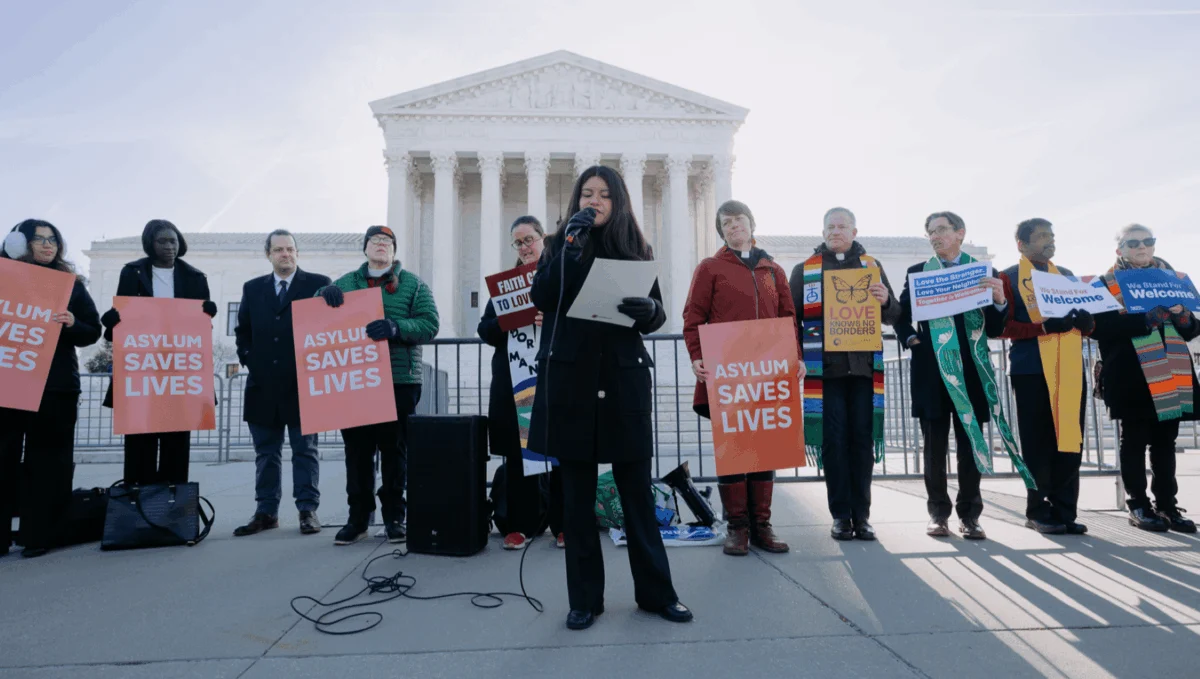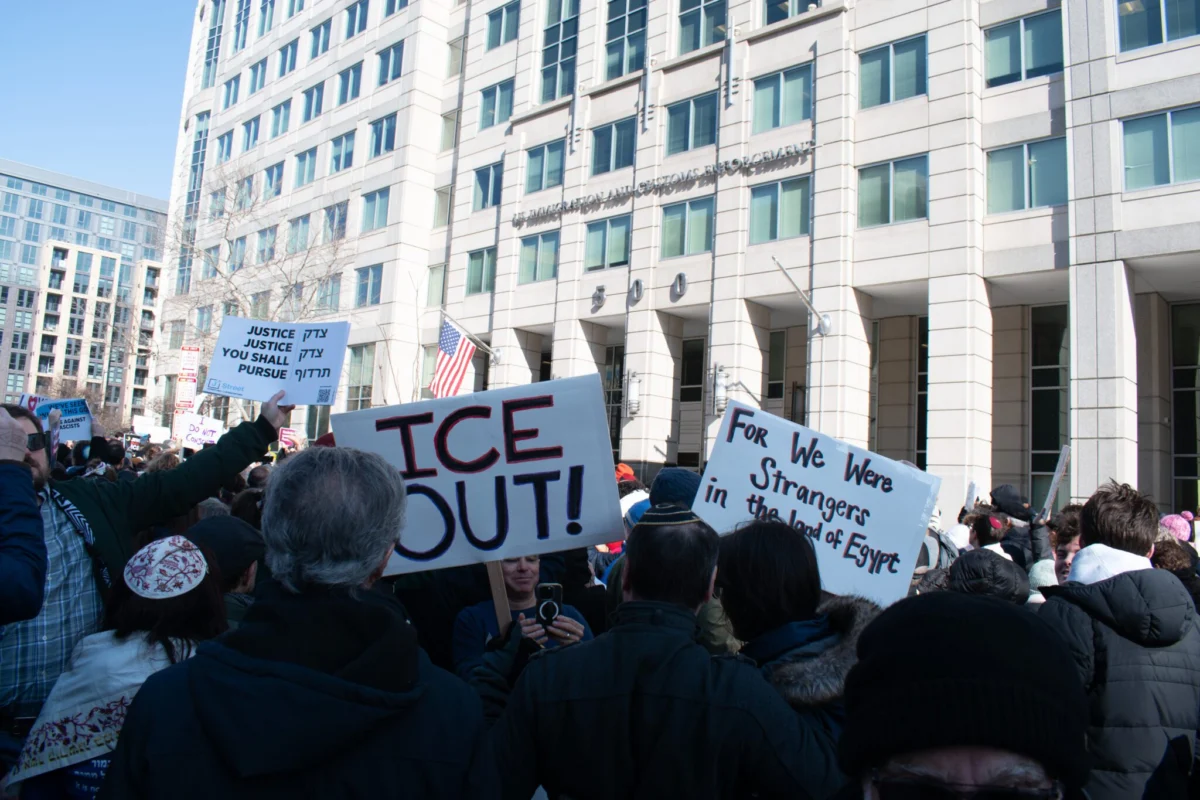
On March 11, 2026, a significant coalition of over 1,100 U.S. Jewish clergy, representing the full spectrum of Jewish denominations, issued a powerful joint statement in solidarity with refugees, asylum seekers, and immigrants. The declaration underscores a profound commitment to core Jewish values, asserting a collective responsibility for the dignity, humanity, and rights of all individuals residing within the United States. This unified stance, amplified by a released video featuring prominent Jewish religious leaders, highlights a deeply rooted tradition of welcoming the stranger, informed by centuries of Jewish history and sacred texts.
Historical Echoes and Moral Imperatives
The statement opens by directly referencing foundational Jewish texts, including Exodus 22:20: "You shall not wrong or oppress the stranger, for you were strangers in the land of Egypt." This commandment, alongside Leviticus 19:34 ("You shall love one another as yourself") and Numbers 15:15 ("There shall be one law for you and for the resident stranger"), serves as the bedrock of the clergy’s conviction. The signatories emphasize that Jewish tradition and historical experience provide an undeniable call to action.
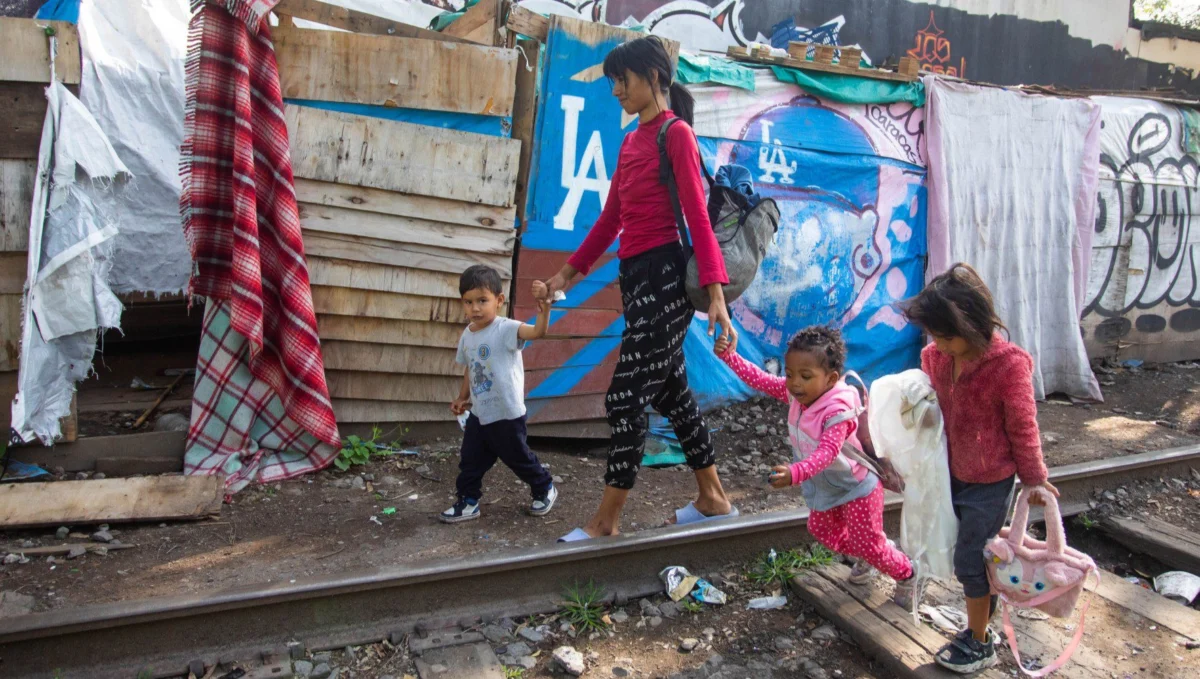
The contemporary statement draws a direct line from the Jewish people’s own history of migration and displacement to the current plight of refugees and asylum seekers. "The American Jewish community carries the memory of what it means to flee, to seek refuge, to need a place of safety," the statement reads. This collective memory, described as a "marking by the memory of migration," compels the clergy to advocate for policies and a societal ethos that upholds the rights of those seeking sanctuary. The declaration asserts that "to be a Jew is to insist on the inherent human dignity of every person" and to "advocate for law to be just, compassionate, and fair."
A Broad Coalition of Faith Leaders
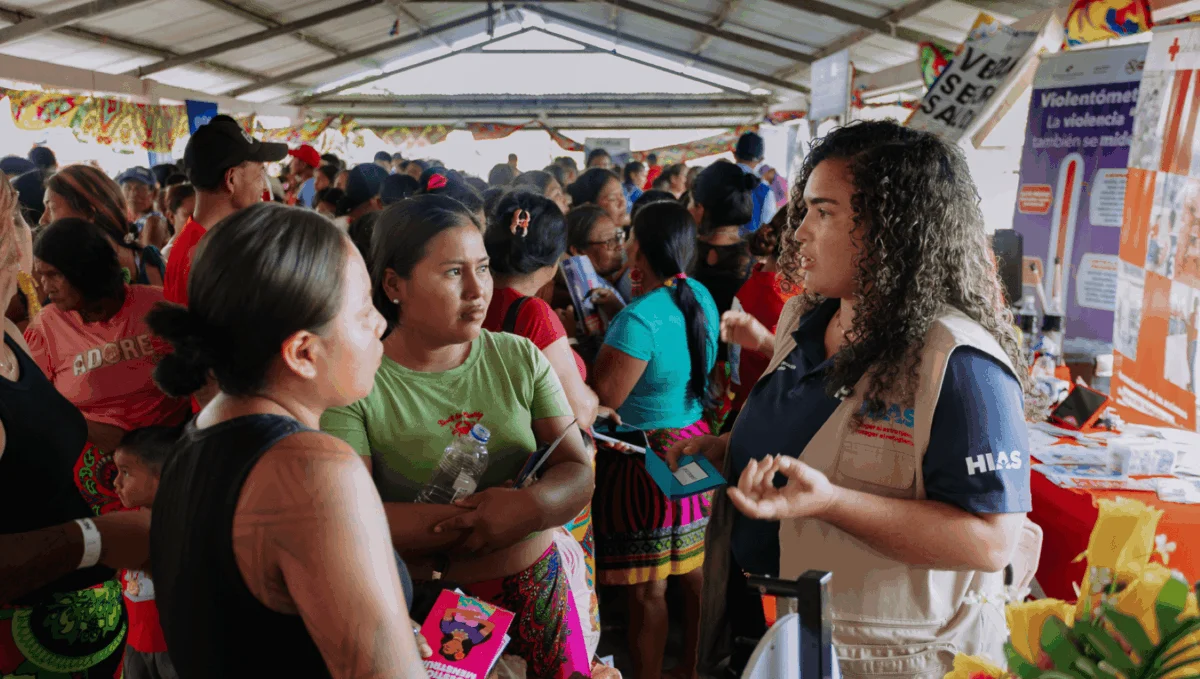
The initiative, coordinated in part by HIAS (formerly the Hebrew Immigrant Aid Society), a leading refugee resettlement agency with deep historical ties to Jewish immigration, has garnered support from a remarkably diverse group of Jewish clergy. The list of signatories includes Rabbis and Cantors from Reform, Conservative, Reconstructionist, Orthodox, and Renewal movements, as well as unaffiliated clergy. This denominational breadth is a testament to the widespread consensus within American Judaism regarding the ethical imperative to support vulnerable populations.
The sheer number of participants—over 1,100—signifies a powerful collective voice. This broad participation indicates that the issue transcends partisan politics and specific theological interpretations, resonating as a fundamental aspect of Jewish identity and values for a significant portion of American Jewish religious leadership. The release of a video accompanying the statement further amplifies their message, offering personal testimonies and calls to action from various clergy members, many of whom are actively involved in community outreach and advocacy.
Context and Broader Implications
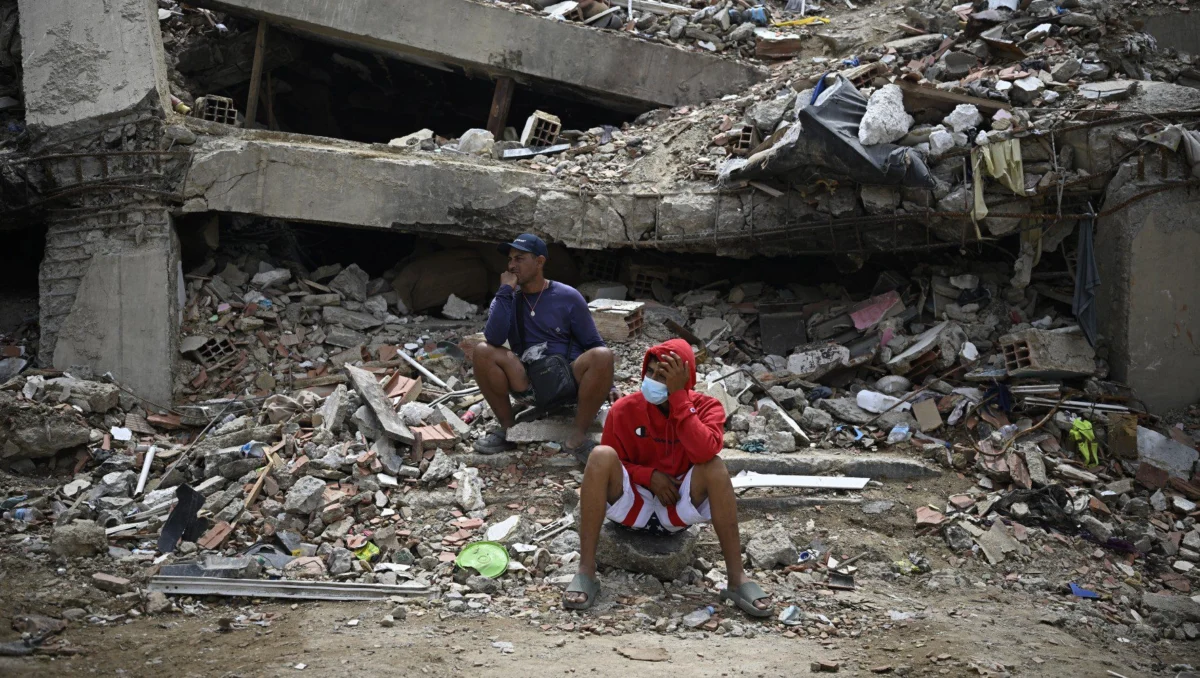
The statement’s release arrives at a critical juncture in national discussions surrounding immigration and refugee policies. While specific legislative debates are not detailed in the initial announcement, the timing suggests a response to ongoing policy debates and the humanitarian challenges faced by asylum seekers at U.S. borders and by refugees globally. The call for clergy to "bring the full weight of our voices and values as Jews and Americans to bring our humanity into a broken world" reflects a desire to influence public discourse and policy through moral leadership.
The implications of such a large-scale, cross-denominational endorsement are significant. It provides moral and ethical grounding for advocacy efforts, potentially influencing lawmakers and the broader public. By framing the issue through the lens of deeply ingrained religious values, the Jewish clergy aim to elevate the conversation beyond purely political or economic arguments, emphasizing the human element and the ethical responsibilities inherent in a just society.
Furthermore, the statement serves as a model for other faith communities seeking to engage in similar advocacy. The organized nature of the initiative, including a clear call to action for other clergy to join the statement, suggests a strategic approach to leveraging religious leadership for social change. The inclusion of a link to HIAS for clergy to submit their names indicates a pathway for ongoing engagement and coalition-building.
A Legacy of Welcoming
The Jewish tradition’s emphasis on welcoming the stranger is not merely a theoretical concept but a lived experience woven into the fabric of Jewish history. From the biblical narrative of the Israelites’ exodus from Egypt and their subsequent journey through the wilderness, to the mass migrations of Eastern European Jews to the United States in the late 19th and early 20th centuries, the experience of being a "stranger" has shaped Jewish identity and communal memory.
Organizations like HIAS have played a pivotal role in facilitating Jewish involvement in refugee advocacy for over a century. Founded in 1881 to assist Russian Jews fleeing pogroms, HIAS has since expanded its mission to serve refugees of all backgrounds, reflecting the evolving understanding of Jewish responsibility within a global context. The current statement by U.S. Jewish clergy is a powerful contemporary iteration of this long-standing commitment.
The list of participating clergy, spanning numerous states and cities across the nation, demonstrates the widespread geographical reach of this sentiment. Their commitment to acting on these values implies a willingness to engage in various forms of advocacy, including public statements, community organizing, and potentially direct support for refugee and immigrant services.
The Path Forward: Action and Advocacy
The statement concludes with a direct invitation to action: "Join us in taking action for refugees and immigrants and share this video with your networks." This call to collective action signifies that the clergy’s statement is not merely a declaration of principles but a catalyst for tangible engagement. The organized nature of the initiative, with a clear mechanism for clergy to add their names and for the list to be updated periodically, suggests a sustained effort rather than a one-time event.
The broader implications of this unified clergy statement extend to the national conversation on immigration. By speaking with a singular, moral voice, the Jewish religious leadership aims to:
- Humanize the debate: Shifting the focus from abstract policy to the lived experiences of individuals seeking refuge.
- Strengthen advocacy efforts: Providing a moral and ethical foundation for organizations working with refugees and immigrants.
- Inspire wider engagement: Encouraging other faith communities and individuals to consider their roles in supporting vulnerable populations.
- Influence policy: Applying moral pressure on lawmakers to consider the ethical dimensions of immigration and refugee policies.
As the nation grapples with complex issues surrounding migration, the unified voice of over 1,100 U.S. Jewish clergy serves as a potent reminder of the enduring power of faith-based values in shaping a more compassionate and just society. Their commitment, rooted in ancient texts and modern experience, calls for a renewed dedication to welcoming and protecting those in need, echoing the timeless imperative to care for the stranger among us.