Fon remembers the gnawing exhaustion that propelled him forward, even as his body screamed for rest. His future, a fragile thread, hung precariously with every step taken across thirteen countries. This arduous pilgrimage, a testament to his desperate search for safety, included navigating the perilous Darién Gap, a notorious stretch of jungle and swamp that has claimed countless lives. By the time he reached the United States in 2023, Fon was living with a disability, reliant on a wheelchair and crutches. The physical toll was immense, but the emotional scars from the trauma he endured, the profound grief for what he had lost, and the ever-present fear of what might still unfold were equally debilitating. "The pain in my country was scarier than the Darién Gap," Fon shared. "On my way to the U.S. I was conscious I could die on the journey. I didn’t come to the U.S. looking for a new life. I came looking for safety."
Fon’s arrival in the United States marked the beginning of a long and complex process of seeking protection. The following year, he was granted asylum, a pivotal moment that offered him legal status and prevented his forced return to a country where he faced danger. However, as is often the case for individuals who have endured years of uncertainty and displacement, Fon soon discovered that securing legal status was merely the initial step in a far more intricate journey of rebuilding a life.
"Rebuilding a life in the U.S. often means navigating systems that are confusing even for citizens and nearly impossible when you are recovering from trauma, living with a disability, and separated from your family," explained Beyenech Taye, Fon’s HIAS Clinical Case Manager. This sentiment underscores the multifaceted challenges faced by many asylum seekers, where legal victory is often just the prelude to a complex array of social, economic, and emotional hurdles.
The Lingering Shadow of Separation and Systemic Gaps
While Fon found refuge in the United States, his wife and children remained in Cameroon. His wife, an outspoken activist advocating for the rights of people with disabilities, had become a target due to her advocacy work and was forced into hiding. The urgency of reuniting his family weighed heavily on Fon, adding another layer of profound stress to his already precarious situation. HIAS’s legal team began working diligently with Fon to petition for his wife and children to join him, initiating the process toward family reunification, a critical component of healing and stability for displaced individuals.
For Fon, the inability to bring his family to safety was a constant source of anguish. He had reached a haven, but his loved ones had not. As he awaited progress on their case, the challenges of establishing a life in the U.S. intensified. Fon was referred to HIAS’s social services team in July 2024, experiencing significant financial and emotional strain as he strove to rebuild his life. He had become disconnected from essential refugee resettlement services and was unsure how to re-engage with them. Compounding his difficulties, his SNAP benefits were reduced, and he struggled to afford rent. Furthermore, an administrative error on his immigration documents created a significant barrier, preventing him from renewing his driver’s license or applying for healthcare, essential tools for self-sufficiency and well-being.
The most immediate crisis Fon faced was the urgent need for a new battery for his wheelchair. The several-hundred-dollar cost was beyond his financial reach, directly impacting his ability to travel to work. Missing work meant a loss of income, which in turn led to falling behind on rent payments. This cascading effect of seemingly small problems highlights the precariousness of life for many asylum seekers, where a single unmet need can have far-reaching consequences.
"This is the reality many asylees face: the moment protection is granted, the world expects you to be ‘fine.’ But the barriers don’t disappear, they multiply," Beyenech Taye observed. This statement encapsulates the critical gap between the granting of legal status and the attainment of true stability and well-being.
HIAS, widely recognized for its robust legal services for asylum seekers and those seeking protection, distinguishes itself by extending support beyond legal representation. "For people like Fon, the greatest threats to safety often come from the gaps between systems: between immigration paperwork and healthcare access, between a work permit and stable housing, between surviving trauma and having the tools to keep going," Beyenech elaborated. This holistic approach is crucial in addressing the complex, interconnected challenges that displaced individuals confront.
A Multifaceted Approach to Rebuilding Lives
Working collaboratively with Beyenech and the HIAS social services team, Fon began to systematically address the crises that threatened his stability and future. Beyenech provided essential resources for food and other basic necessities, offered Lyft vouchers to facilitate transportation to appointments, and connected Fon with the ENDependence Center of Northern Virginia, a vital community resource and advocacy center for individuals with disabilities.
In conjunction with HIAS’s legal team, Beyenech actively advocated on Fon’s behalf and guided him through the process of rectifying errors on his immigration documents. This diligent effort eventually enabled Fon to correct his paperwork, obtain a state-issued ID card, and enroll in health insurance, marking significant milestones toward self-sufficiency. Through HIAS’s support, he was also able to apply for financial assistance to repair his wheelchair, a critical step in regaining his mobility and independence. Furthermore, HIAS’s Asylee Outreach Project Manager played a pivotal role in helping Fon reconnect with refugee resettlement services, securing employment support and ensuring the renewal of essential benefits.
"These steps may sound small. But for people navigating the immigration system, small steps can be the difference between stability and collapse," Beyenech emphasized, underscoring the profound impact of seemingly minor interventions in the lives of vulnerable individuals.
The journey, however, was far from over. A devastating call from Cameroon shattered Fon’s fragile peace: his wife had been kidnapped. This news plunged Fon into an even deeper state of distress, exacerbating the immense stress he was already under as he navigated the complexities of life in the U.S., fought to stay afloat, and worried about his children’s safety on another continent. In this critical moment, HIAS connected him with a HIAS social work student who provided crucial emotional support and equipped him with coping mechanisms to manage his fear, anxiety, and distress. "Waiting for papers while taking care of my family back home was scary," he recalled, his voice etched with the lingering trauma of that period.
Fon’s personal narrative is deeply individual, yet it resonates with the experiences of countless refugees, asylum seekers, and asylees in the United States. Their long journeys do not conclude upon arrival or even upon being granted legal protection; the path to true safety and stability is often arduous and protracted.
HIAS’s U.S. programs are designed to provide comprehensive support, guiding displaced individuals from crisis to stability. This includes essential immigration legal services, pro bono representation, case management, mental health support, and targeted programs that facilitate access to housing, employment services, and crucial benefits. For Fon, this wraparound approach meant that he did not have to face the most challenging chapters of his life in isolation. It meant having dedicated support to rectify administrative errors that threatened to derail his entire future, assistance in getting to vital appointments, access to healthcare, and the unwavering encouragement to keep moving forward, even while his family remained in peril.
A Family Reunited: The Culmination of Resilience and Support
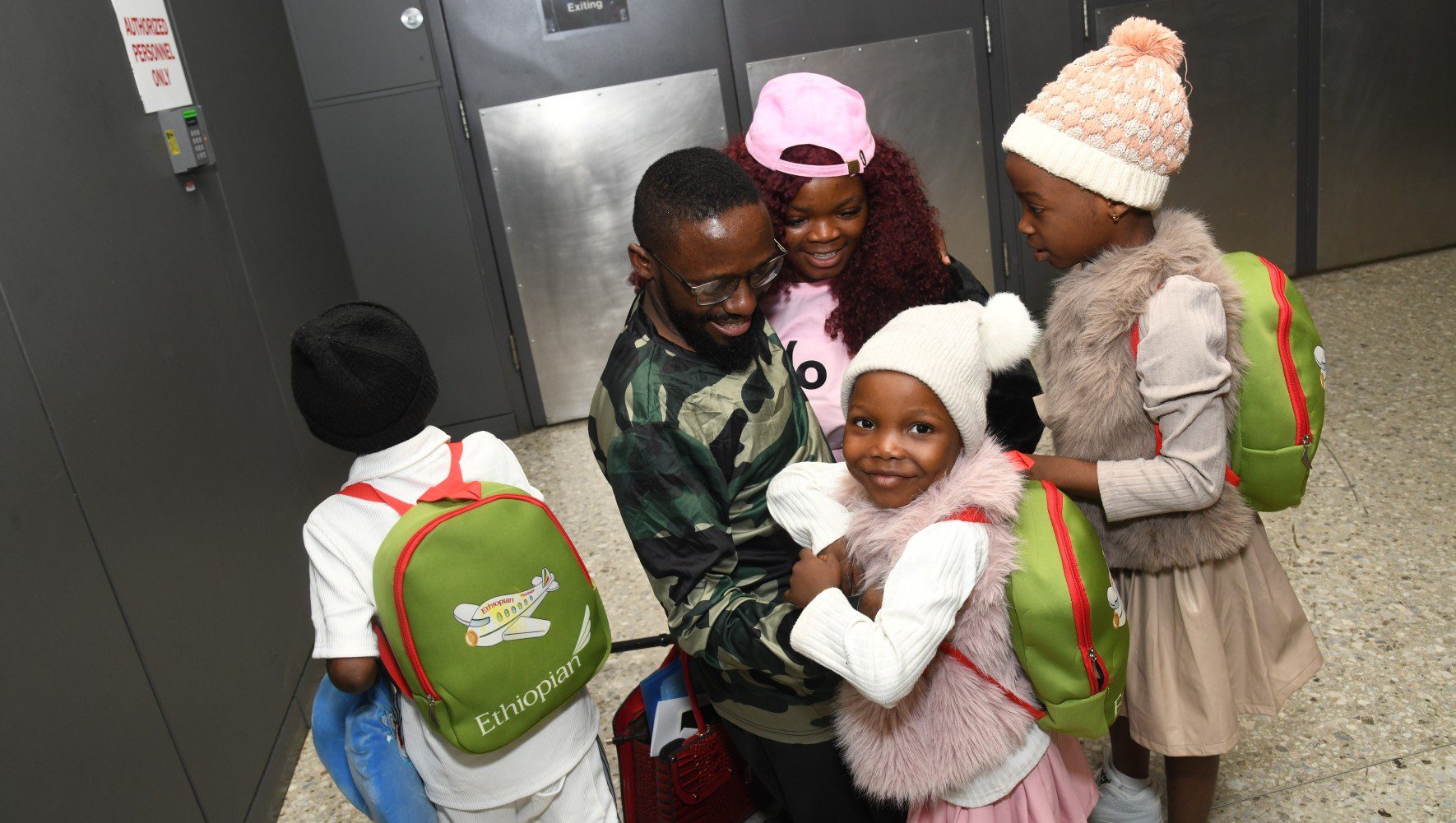
In early December 2025, after years marked by separation and profound uncertainty, Fon’s family was finally reunited in the United States. The emotional weight of this reunion was immense. "Getting [my family] here clears all my pain. Facing immigration challenges while having HIAS support me is a shoulder I won’t forget," Fon stated, his words a testament to the enduring impact of consistent and compassionate assistance.
Today, HIAS continues to support the family as they embark on the process of rebuilding their lives. This ongoing support includes navigating school enrollments for the children, identifying essential community resources, and ensuring they can access the benefits necessary for healing and achieving long-term stability.
"There is a misconception that once someone reaches the U.S., they are safe. But safety is not just the absence of danger. It is housing. It is healthcare. It is legal protection. It is community. It is the ability to keep your family together," Beyenech added. This comprehensive definition of safety highlights the interconnectedness of various factors that contribute to genuine well-being and resilience.
Fon’s story, therefore, is more than a personal triumph; it is a powerful illustration of the critical need for integrated support systems that address the multifaceted needs of displaced individuals. It underscores the fact that true safety is achieved when individuals are not only protected from harm but are also empowered with the resources and community support necessary to thrive and rebuild their lives, knowing that even when the ground shifts beneath them, there will be a steadfast presence to help them stand.