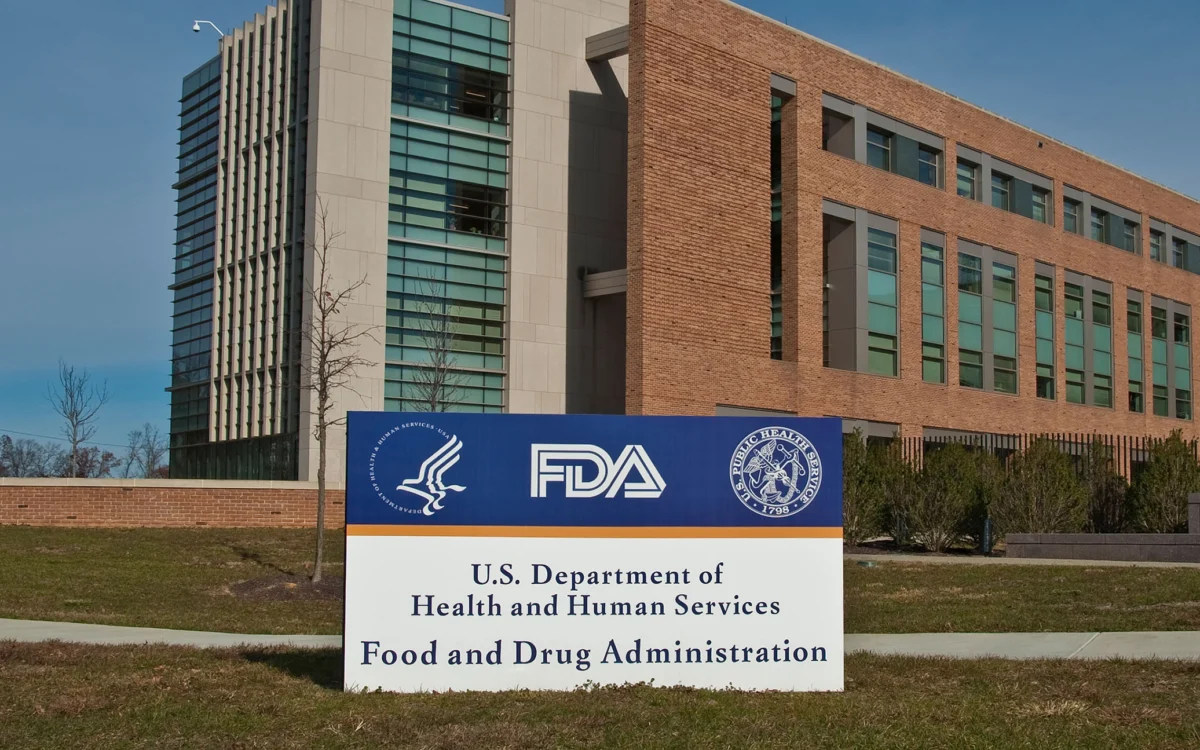
The U.S. Food and Drug Administration (FDA) has officially withdrawn its approval for Wellcovorin, the branded formulation of leucovorin, marking a significant turn in the complex and often contentious history of this decades-old medication. This decision, announced via a posting in the Federal Register, comes at the request of GSK Plc, the pharmaceutical company that held the patent for Wellcovorin. The move effectively halts GSK’s ability to market the drug for a specific, recently approved indication, though it is not expected to impact the availability of generic leucovorin for patients.
The story of leucovorin’s journey through regulatory approvals and public discourse has been particularly unusual, marked by a late-stage endorsement by Trump administration officials for autism treatment, followed by a targeted FDA approval for a related condition. Leucovorin, a derivative of folic acid, has a long-established history in medicine, primarily serving as a crucial adjunct therapy in cancer treatment. Its role has been to mitigate the toxic side effects of certain chemotherapy drugs, particularly methotrexate, by replenishing the body’s folate levels. This established therapeutic use has been documented and recognized by the FDA for many years, forming the bedrock of its initial approval.
A Complex History: From Chemotherapy Support to Autism Speculation
The timeline of leucovorin’s regulatory and public profile reveals a dramatic shift in recent years. For decades, leucovorin’s primary and widely accepted application was in oncology. It functions as a “rescue” agent, administered after high-dose methotrexate chemotherapy. Methotrexate, while effective against various cancers, can also damage healthy cells, particularly those in the bone marrow and gastrointestinal tract. Leucovorin bypasses the metabolic block created by methotrexate, providing a direct source of reduced folate to healthy cells, thus protecting them from the drug’s destructive effects. This application has been a cornerstone of treatment protocols for diseases such as osteosarcoma, acute lymphoblastic leukemia, and certain lymphomas.
The narrative surrounding leucovorin took an unexpected turn in September of the previous year when officials within the Trump administration publicly championed its potential as a treatment for autism spectrum disorder (ASD). This endorsement, made without prior extensive clinical trials or a new FDA approval specifically for autism, generated significant public interest and hope among families affected by autism. The administration’s pronouncements suggested a belief that leucovorin could address what they termed "cerebral folate deficiency" (CFD), a rare condition characterized by insufficient folate levels in the brain, which some proponents linked to autism.
Following these pronouncements, the FDA did, in fact, grant a new approval for leucovorin. In the month preceding the Federal Register notice, the agency approved its use for cerebral folate deficiency. This approval was significant because it opened a new therapeutic avenue for a condition that had previously lacked well-established pharmacological treatments. Crucially, GSK, holding the patent for Wellcovorin, was instrumental in this process. At the FDA’s request, the company had initiated the steps to seek approval for this specific indication. The approval of Wellcovorin for CFD was viewed as a procedural necessity to facilitate the broader availability of generic leucovorin for this newly recognized use.
GSK’s Request and the FDA’s Withdrawal
The current development stems from GSK’s proactive request to withdraw the approval of Wellcovorin for cerebral folate deficiency. According to the Federal Register posting, GSK initiated this request, leading to the FDA’s subsequent action. This withdrawal means that GSK can no longer market Wellcovorin for the treatment of CFD. However, the FDA has clarified that this withdrawal does not impact the availability of generic leucovorin for patients diagnosed with cerebral folate deficiency. The generic versions of the drug, which are not tied to GSK’s specific Wellcovorin patent, remain accessible to those who require them for this indication.
An FDA spokesperson emphasized this distinction, stating that GSK’s action "does not affect the availability of generic leucovorin for patients with CFD, or the labeling of leucovorin products." This suggests that while the branded product’s specific marketing rights for CFD are relinquished, the therapeutic substance itself, in its generic form, continues to be available. The FDA’s role in this instance appears to be facilitating a market adjustment based on the patent holder’s strategic decision.
The statement from GSK further elaborated on the company’s perspective. GSK indicated that it does not currently manufacture or sell Wellcovorin, nor its generic equivalents. The company asserted that the label changes made to Wellcovorin were intended to "help enable generics already on market to add this new indication to their labelling." This statement implies that GSK’s pursuit of the CFD approval was, in part, a mechanism to ensure that generic manufacturers could readily incorporate this new indication onto their product labels, thereby broadening access to the treatment without GSK itself needing to actively produce and market the drug. This strategic maneuver highlights the intricate interplay between patent law, regulatory pathways, and market dynamics in the pharmaceutical industry.
Implications and Future Considerations
The withdrawal of Wellcovorin’s approval for cerebral folate deficiency, driven by GSK’s request, raises several points for consideration. Firstly, it underscores the complex relationship between pharmaceutical companies, regulatory bodies, and the availability of treatments. While the FDA’s approval granted a new therapeutic possibility, the patent holder’s strategic decision has altered the landscape for the branded product.
Secondly, the distinction between branded and generic drug availability is critical here. The FDA’s assurance that generic leucovorin remains available for CFD patients is a vital point for those affected by this rare condition. It suggests that the core therapeutic benefit of leucovorin for CFD is not being jeopardized by the withdrawal of the branded product’s specific indication. However, it may lead to a reduction in marketing and awareness efforts specifically tied to Wellcovorin for CFD, potentially necessitating increased efforts from generic manufacturers and patient advocacy groups to disseminate information about the drug’s availability and efficacy for this condition.
Thirdly, the episode highlights the challenges in navigating the scientific and regulatory pathways for conditions like cerebral folate deficiency, particularly when they intersect with public discourse and political influence. The initial endorsement of leucovorin for autism by Trump administration officials, while raising awareness, also placed significant pressure on the FDA to act. The subsequent approval for CFD, while grounded in medical rationale for a specific deficiency, became intertwined with the broader, and often speculative, autism treatment discussions. The withdrawal of the branded approval could be seen as a recalibration, allowing the therapeutic use of leucovorin for CFD to proceed primarily through generic channels, potentially de-emphasizing any lingering association with broader autism claims that lacked robust, independent scientific consensus.
The long-term impact on research into leucovorin and cerebral folate deficiency remains to be seen. While generic availability ensures continued access, the strategic decisions of patent holders can influence the investment in further clinical trials or the development of next-generation therapies. The FDA’s role remains to ensure the safety and efficacy of approved drugs, and in this case, it has facilitated a market adjustment based on the actions of a pharmaceutical company, while safeguarding patient access to the generic form of the medication. This event serves as a case study in the dynamic and often complex evolution of drug approvals and market access, particularly when public perception and established medical uses converge in unexpected ways.