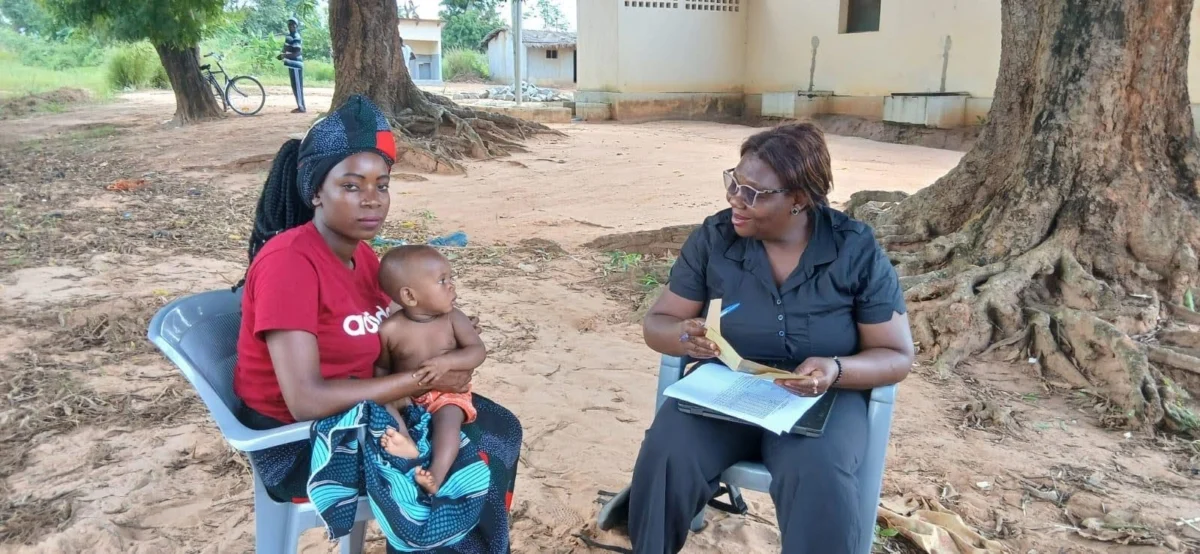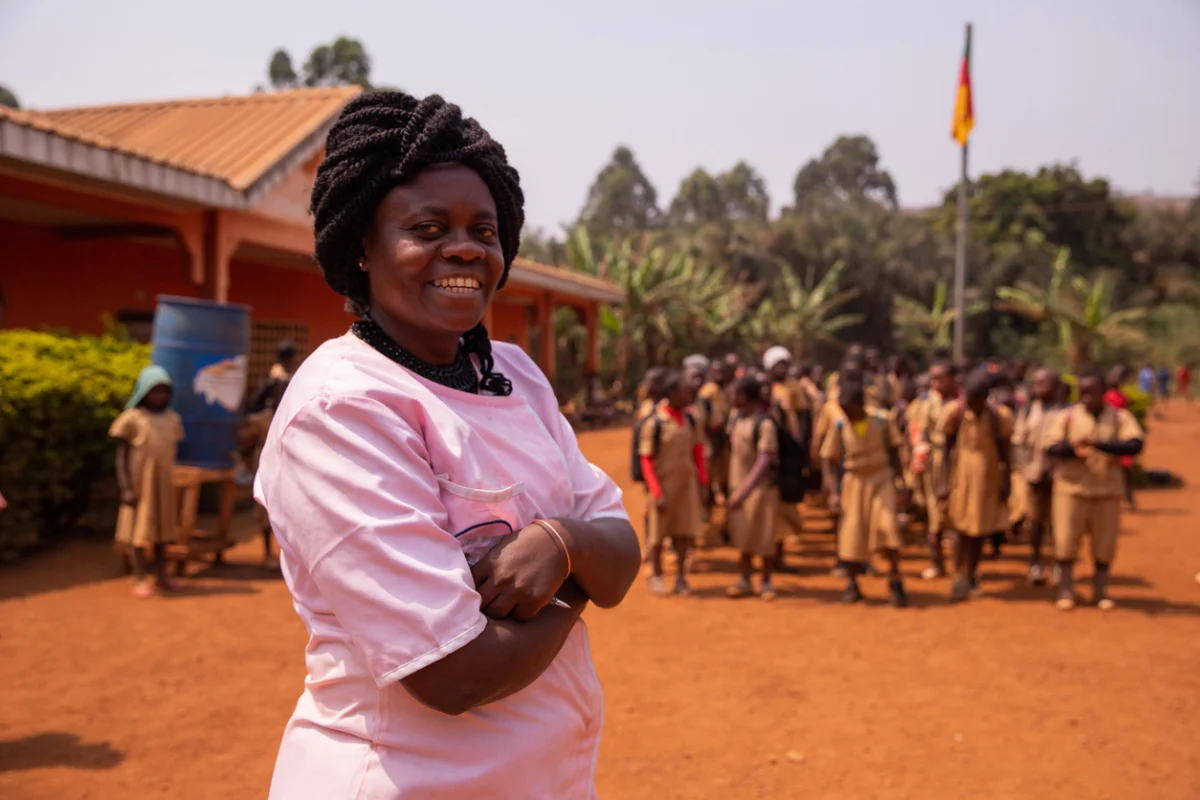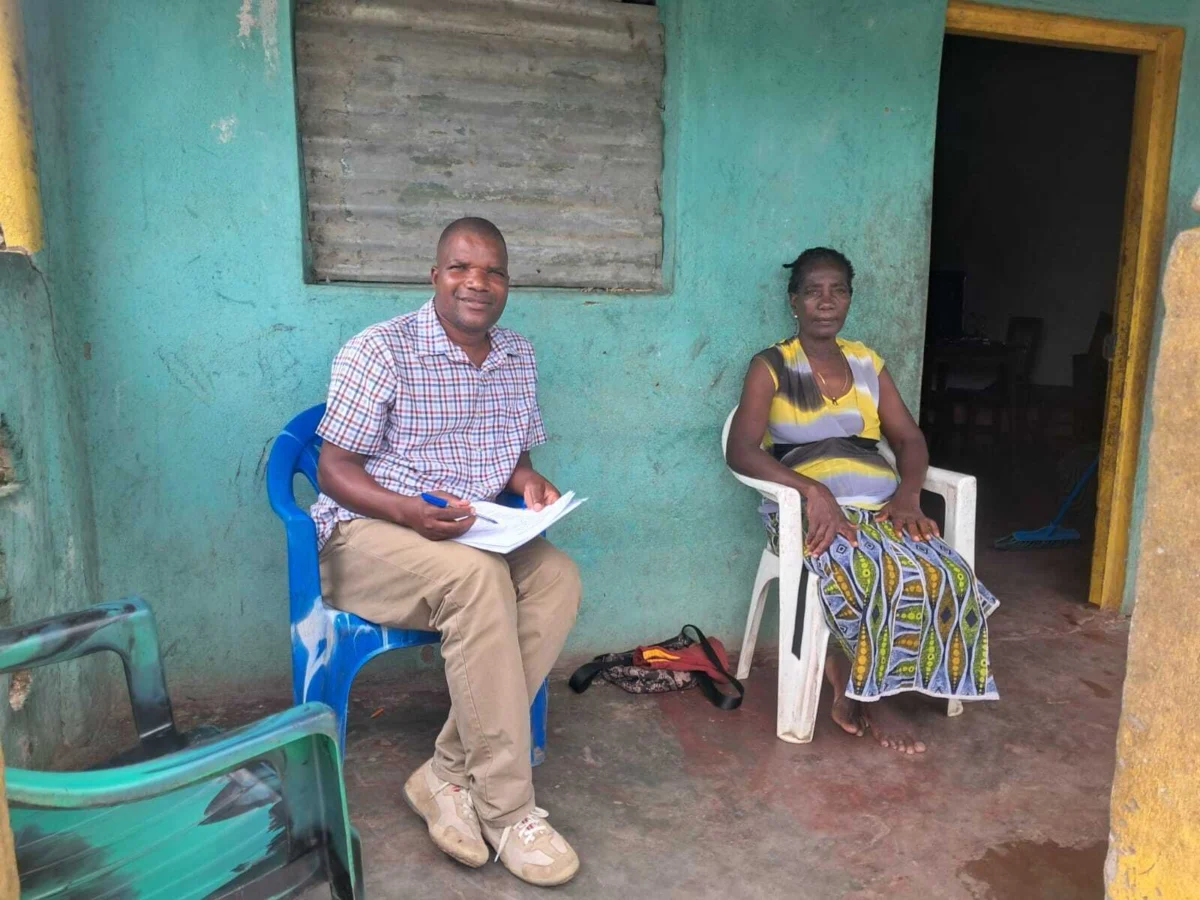
The Government of Mozambique’s National Youth Institute has formally appointed World Education, an initiative of JSI Research & Training Institute, Inc. (JSI), to lead the Eu Sou Capaz Technical Assistance and Training Activity. This strategic partnership, supported by the World Bank, represents a significant milestone in the broader Empowering Adolescent Girls to Earn and Read (EAGER) vision, a multi-country effort spanning Mozambique, Zimbabwe, and Madagascar. The primary objective of this activity is to scale and refine government-led interventions designed to dismantle the complex social, economic, and behavioral barriers that contribute to high school dropout rates among adolescent girls in Mozambique.
The Eu Sou Capaz (I Am Capable) program is a cornerstone of Mozambique’s national strategy to improve gender parity in education and economic participation. By awarding this technical assistance mandate to World Education, the National Youth Institute aims to leverage international expertise in human-centered design and social behavior change to ensure that enrollment in schools translates into long-term academic and personal achievement. The initiative focuses on two critical pillars: the systemic strengthening of educational retention mechanisms and the implementation of transformative life-skills training that empowers girls to navigate the challenges of adolescence within their specific socio-cultural contexts.
The Regional Context and the EAGER Strategic Vision
The Eu Sou Capaz Technical Assistance and Training Activity does not operate in a vacuum. It is an integral component of the World Bank’s EAGER project, a massive regional undertaking aimed at addressing the disproportionately high rates of educational attrition among girls in East and Southern Africa. In Mozambique, the challenges are particularly acute. Data from the World Bank and various United Nations agencies indicate that while primary school enrollment has seen steady increases, secondary school completion remains a significant hurdle for girls. Factors such as early marriage, teenage pregnancy, and the domestic labor burden often force girls out of the classroom before they can acquire the skills necessary for economic independence.
The EAGER vision recognizes that these issues are interconnected across borders. By implementing a harmonized strategy across Mozambique, Zimbabwe, and Madagascar, the World Bank and its partners aim to create a regional framework for adolescent empowerment. This involves not only financial investment but also the sharing of best practices and data-driven methodologies. World Education’s role in this framework is to provide the technical backbone for Mozambique’s specific implementation, ensuring that the National Youth Institute has the tools and training necessary to manage a project of this magnitude effectively.
Addressing the "Invisible Barriers" Through Human-Centered Design
Obert Darara, JSI’s World Education Country Lead in Mozambique, emphasizes that the success of Eu Sou Capaz hinges on understanding the lived realities of the girls the program intends to serve. "Eu Sou Capaz is about more than access—it is about removing the invisible barriers that stop girls from thriving," Darara stated. "By integrating social and behavior change with human-centered design, we are supporting the National Youth Institute to redesign systems around girls’ realities, ensuring enrollment leads to achievement."
Human-centered design (HCD) is a methodology that prioritizes the perspective of the end-user—in this case, adolescent girls—in the development of solutions. In the context of Mozambique’s education system, this means identifying the specific points of friction that cause a girl to drop out. These are often "invisible" to traditional policy-making: a lack of menstrual hygiene management facilities, the fear of gender-based violence on the walk to school, or the subtle but powerful influence of community elders who may prioritize domestic duties over education.
By utilizing HCD, World Education and the National Youth Institute can tailor interventions that are culturally resonant and practically viable. This approach moves beyond the simple provision of textbooks or uniforms, focusing instead on the holistic environment in which a girl lives and learns.
Root Causes: Socio-Cultural Norms and Gender-Based Violence
The Eu Sou Capaz model is designed to tackle the root causes of school dropout and teenage pregnancy, which are frequently rooted in harmful socio-cultural norms. In many rural Mozambican communities, traditional gender roles are deeply entrenched. Girls are often viewed through the lens of their future roles as wives and mothers, which can lead to early marriage—a primary driver of educational attrition. According to UNICEF, Mozambique has one of the highest rates of child marriage in the world, with nearly half of girls married before the age of 18.
Furthermore, gender-based violence (GBV) remains a pervasive threat that undermines a girl’s ability to remain in school. Whether it occurs within the home, in the community, or even within educational institutions, GBV creates a climate of fear and instability. The Eu Sou Capaz initiative incorporates community mobilization efforts to change the narrative around these issues. By engaging with men, boys, and community leaders, the program seeks to foster a more supportive environment for girls’ education.
Material support also plays a crucial role. For families living in extreme poverty, the indirect costs of education—such as transportation, uniforms, and supplies—can be prohibitive. Eu Sou Capaz provides targeted material assistance to alleviate these financial pressures, ensuring that economic hardship does not become a reason for a girl to lose her seat in the classroom.
The Role of Community Leadership: The Mapping Tool Pilot
A critical element of the technical assistance provided by World Education is the development and deployment of the Community Leader Mapping Tool. Recently piloted in the Sofala province, this tool is designed to identify and engage the key influencers within a community who can either facilitate or hinder a girl’s education.
During the pilot, World Education personnel, including Alberto Domingos, conducted intensive one-on-one interviews with community leaders. These leaders—including traditional chiefs, religious figures, and local government officials—hold significant sway over local norms and family decisions. The mapping tool allows the project to categorize these leaders based on their current support for girls’ education and develop tailored engagement strategies to bring them on board as advocates for the Eu Sou Capaz goals.
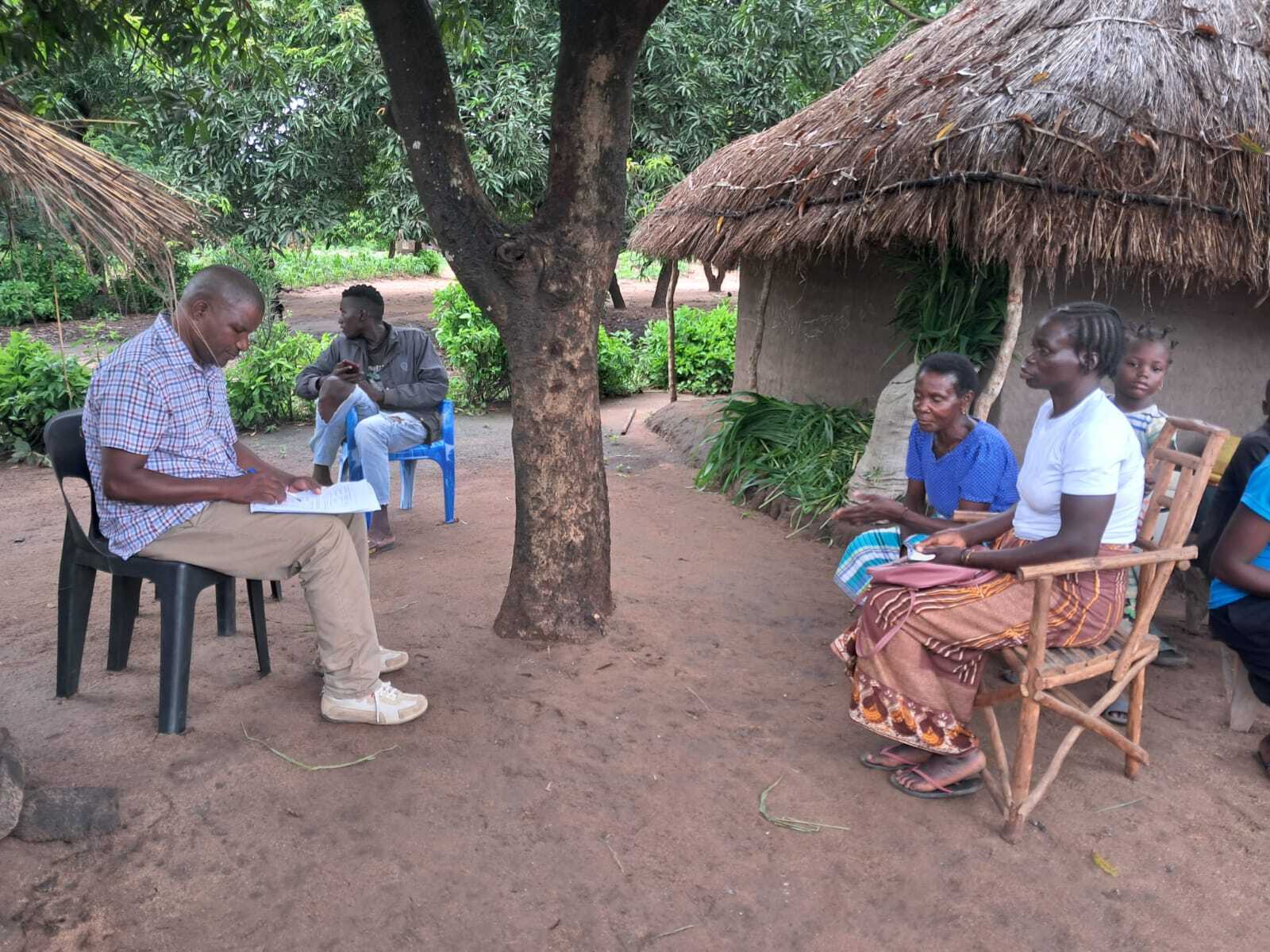
By securing the buy-in of these gatekeepers, the program ensures that its interventions are not seen as external impositions but as community-led improvements. This localized approach is essential for the sustainability of the project, as it builds a foundation of local ownership that can persist long after the formal technical assistance period ends.
A Legacy of Impact: World Education’s 15-Year Track Record
The selection of World Education for this activity is rooted in its extensive history of delivering results in the region. Over the past 15 years, the organization has refined a data-driven model for adolescent empowerment that has demonstrated measurable success. To date, World Education’s regional impact includes:
- Support for over 1,000 schools: Enhancing the capacity of educational institutions to provide a safe and inclusive environment for girls.
- Empowerment of 250,000 girls: Providing direct services, life-skills training, and educational support to a quarter of a million adolescent girls across the region.
- Capacity building for 400 community-based organizations (CBOs): Strengthening the local infrastructure of NGOs and community groups to ensure that support systems are available at the grassroots level.
This history of engagement provides World Education with a deep understanding of the Mozambican context. The organization’s ability to scale interventions while remaining responsive to the unique needs of different provinces—from the coastal regions of Sofala to the northern border areas—is a key asset for the National Youth Institute.
Economic and National Implications of the Eu Sou Capaz Initiative
The implications of the Eu Sou Capaz project extend far beyond the classroom. There is a well-documented correlation between female education and national economic growth. According to the World Bank, every additional year of secondary school for a girl can significantly increase her future earning potential. When girls stay in school, they are more likely to enter the formal workforce, contribute to the tax base, and invest in the health and education of their own future children.
Furthermore, keeping girls in school is one of the most effective ways to reduce maternal and infant mortality rates. Educated women are more likely to seek prenatal care, have fewer and healthier children, and ensure their children are vaccinated. In a country like Mozambique, which faces significant public health challenges, the "Eu Sou Capaz" initiative serves as a vital public health intervention as much as an educational one.
By reducing the rates of teenage pregnancy and early marriage, the program also helps to break the cycle of intergenerational poverty. When a girl is empowered to delay marriage and complete her education, she gains the agency to make decisions that benefit her entire family and community.
Strengthening Government Systems for Long-Term Sustainability
A primary focus of the technical assistance provided by World Education is "systems strengthening." This means that the goal is not just to run a successful project for a few years, but to build the capacity of the Mozambican government to manage these interventions independently.
World Education is working closely with the National Youth Institute to develop robust monitoring and evaluation frameworks. By using data-driven insights, the government can identify which interventions are most effective and allocate resources accordingly. This focus on institutional capacity development ensures that the "Eu Sou Capaz" model becomes a permanent fixture of Mozambique’s social fabric.
The partnership also emphasizes policy development. The lessons learned from the pilot programs and the implementation of the Community Leader Mapping Tool will inform national policies regarding adolescent health and education. This ensures that the impact of the EAGER vision is codified into law and government procedure.
Future Outlook: Scaling Success Across Mozambique
As the Eu Sou Capaz Technical Assistance and Training Activity moves forward, the focus will remain on scalability and responsiveness. The pilot phases have provided valuable data on how to engage community leaders and how to tailor life-skills curricula to the specific needs of Mozambican youth. The next phase involves rolling these strategies out on a national level, reaching thousands more girls in every province.
The collaboration between the National Youth Institute, the World Bank, and World Education represents a modern model for international development—one that is led by the host government, supported by international expertise, and grounded in the actual needs of the community. By focusing on both the visible and invisible barriers to education, Mozambique is taking a decisive step toward a more equitable and prosperous future for all its citizens.
World Education continues to invite partnerships across various sectors to advance these educational outcomes. Through applied research, program design, and policy development, the organization remains committed to the belief that when girls are given the tools to succeed, they don’t just change their own lives—they change the world. The "Eu Sou Capaz" initiative is a testament to that belief, providing a roadmap for empowerment that is as ambitious as the girls it serves.