The United Nations Headquarters in New York will serve as the venue for the 26th session of the United Nations Permanent Forum on Indigenous Issues (UNPFII) from April 20 to May 1, 2026. This pivotal international gathering will convene under the critical theme: "Ensuring Indigenous Peoples’ Health, Including in the Context of Conflict." The session arrives at a time when Indigenous communities worldwide face escalating health disparities, exacerbated by environmental degradation, climate change, and the devastating impacts of armed conflicts.
Established by resolution 2000/22 of the UN Economic and Social Council on July 28, 2000, the UNPFII emerged from decades of persistent advocacy by Indigenous leaders demanding greater inclusion and representation within the United Nations system. Since its inaugural meeting in 2002, the Forum has convened annually, providing a vital platform for Indigenous Peoples to articulate their concerns, influence policy development across various UN bodies, and advocate for the effective implementation of Indigenous rights at local, national, and international levels. Over its 25-year history, the UNPFII has demonstrably contributed to the global discourse on Indigenous rights, evidenced by the commissioning of over 65 comprehensive studies and reports, and the publication of more than 60 influential documents. Members of the Forum have actively participated in drafting policy frameworks for UN agencies and have submitted numerous recommendations to other UN bodies, shaping the trajectory of international action concerning Indigenous Peoples.
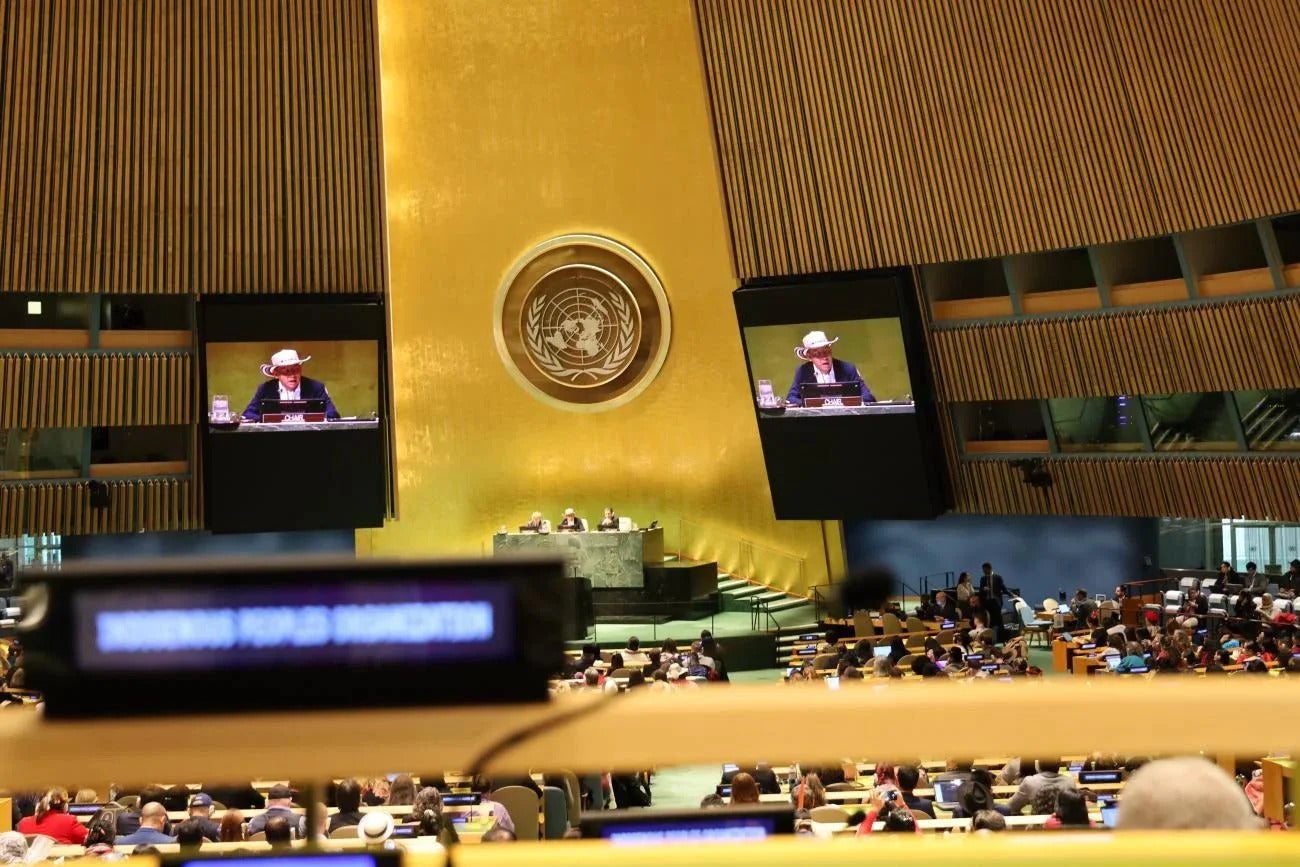
The theme for the 26th session underscores a pressing global reality. Indigenous communities, often situated in ecologically sensitive and resource-rich territories, are disproportionately affected by both environmental crises and armed conflicts. These situations not only lead to displacement, loss of cultural heritage, and severe human rights violations but also have profound and lasting impacts on physical and mental health. The intersection of Indigenous health and conflict is a complex issue, encompassing challenges such as limited access to healthcare services in volatile regions, the psychological trauma of violence and displacement, the impact of environmental contamination on traditional food sources, and the disruption of cultural practices vital for well-being.
Historical Context and the Evolution of the UNPFII
The establishment of the UNPFII marked a significant milestone in the recognition of Indigenous Peoples’ rights and their distinct contributions to global governance. Prior to its creation, Indigenous voices were often marginalized in international forums. The Permanent Forum was conceived as a high-level advisory body to the Economic and Social Council (ECOSOC), providing expert advice and recommendations on Indigenous issues. Its mandate is to address issues concerning the economic and social development, culture, environment, education, health, and human rights of Indigenous Peoples.
Over the years, the UNPFII has evolved into a critical nexus for dialogue, partnership, and action. Its annual sessions bring together representatives from Indigenous communities globally, alongside government officials, UN agencies, academics, and civil society organizations. The networking and alliances forged during these sessions are considered invaluable by many participants. These connections, often initiated in formal settings but solidified through informal exchanges in hallways and during side events, are crucial for advancing the global Indigenous rights movement. The shared experiences, strategic discussions, and the building of personal relationships among delegates, UN representatives, funders, and state officials are frequently cited as the bedrock upon which tangible progress is built.
The Health Crisis Facing Indigenous Peoples
The focus on Indigenous Peoples’ health, particularly in conflict zones, highlights a critical global health challenge. Data consistently shows that Indigenous populations worldwide experience poorer health outcomes compared to non-Indigenous populations. Factors contributing to this disparity are multifaceted and include historical and ongoing discrimination, socio-economic marginalization, lack of access to culturally appropriate healthcare services, environmental degradation of their ancestral lands, and the impacts of assimilationist policies.
The World Health Organization (WHO) has repeatedly acknowledged the significant health inequities faced by Indigenous Peoples. For instance, in many regions, Indigenous communities bear a higher burden of infectious diseases, chronic conditions like diabetes and cardiovascular disease, and mental health issues. The COVID-19 pandemic further exposed and exacerbated these vulnerabilities, with Indigenous populations in many countries experiencing disproportionately higher rates of infection, hospitalization, and mortality.
When conflict erupts in or near Indigenous territories, these pre-existing health vulnerabilities are amplified. Displacement disrupts access to traditional medicines and healthcare facilities. Violence inflicts physical injuries and deep psychological trauma, leading to increased rates of post-traumatic stress disorder, anxiety, and depression. The destruction of infrastructure, including healthcare facilities, and the disruption of supply chains further cripple the ability of communities to respond to health emergencies. Moreover, environmental damage resulting from conflict, such as the contamination of water sources or the destruction of forests, directly impacts the health and well-being of communities reliant on these natural resources.
Key Issues on the Agenda and Engagement Opportunities
The 26th session is poised to delve into these critical issues through a series of formal discussions, panel debates, and side events. The theme’s emphasis on conflict underscores the urgent need to address the specific health challenges faced by Indigenous Peoples in regions affected by war, civil unrest, and political instability. This includes exploring the impact of conflict-related sexual violence, the health consequences of forced displacement and resettlement, and the challenges of providing essential healthcare services in active conflict zones.
Beyond the formal proceedings, the UNPFII actively encourages broad participation and engagement from Indigenous Peoples and their allies. Several avenues are available for individuals and organizations to contribute to the discussions and amplify Indigenous voices:
1. Amplifying Voices Through Social Media:
Recognizing the power of digital platforms, Indigenous communities and their supporters are encouraged to share their perspectives on pressing issues affecting their communities. This can be done by creating short videos and posting them across various social media channels, including Instagram, TikTok, Threads, Bluesky, LinkedIn, and Facebook, using a comprehensive set of hashtags: #UNPFII, #UNPFII25, #WeAreIndigenous, #Proud2BIndigenous, #SomosIndigenas, and #NousSommesAutochtones. Sharing photographs from current and past UNPFII sessions using these hashtags can further enhance visibility and foster a sense of global solidarity.
2. Live Streaming of Proceedings:
For those unable to attend in person, the UNPFII offers live streaming of its official sessions. The opening ceremony, scheduled for Monday, April 20, 2026, at 11:00 AM EST, will be broadcast live on webtv.un.org, providing a direct channel to witness the commencement of the Forum’s critical deliberations.
3. Attending UNPFII Side Events:
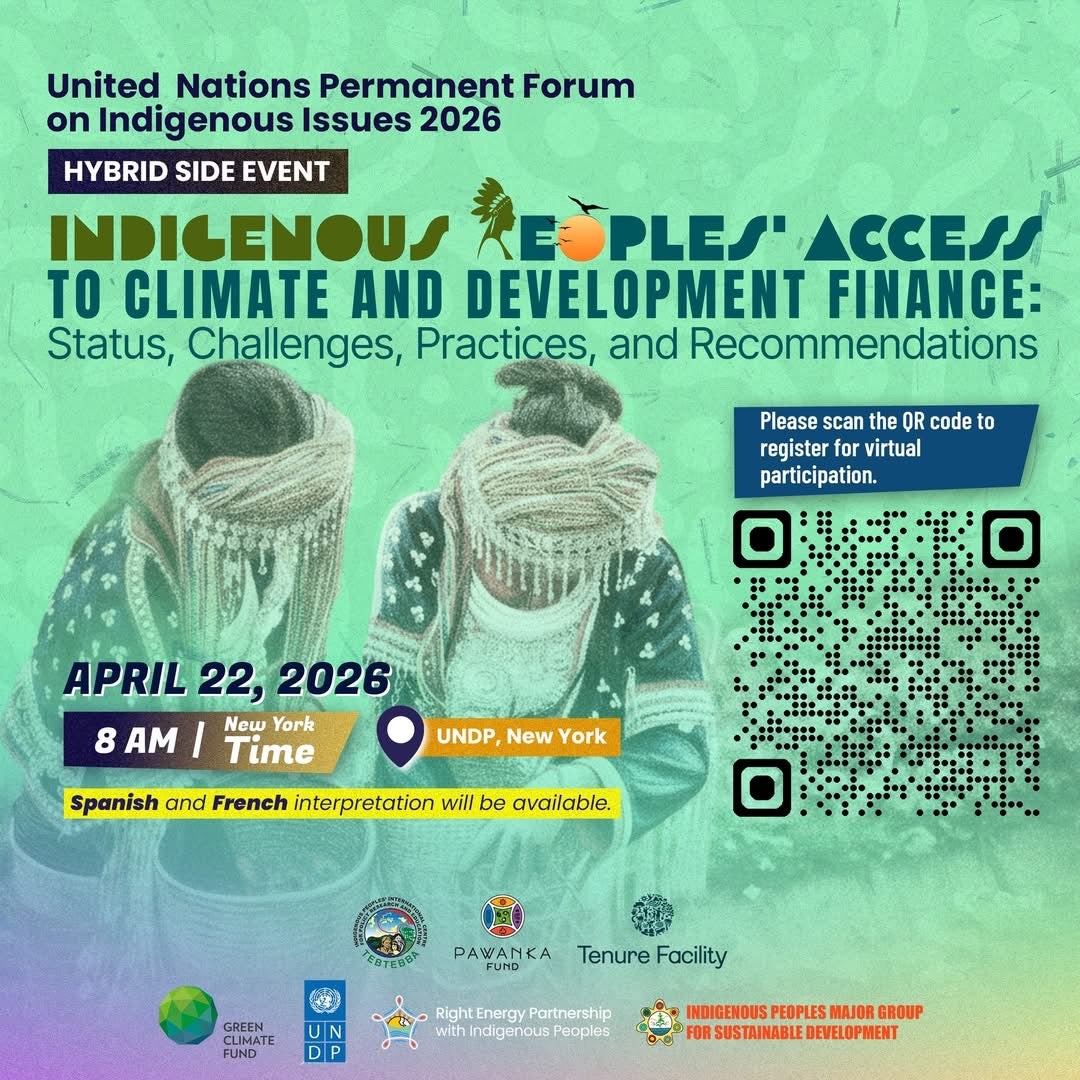
The UNPFII provides a platform for a variety of side events, often organized by Indigenous organizations and their partners, which delve into specific thematic areas. These events offer deeper insights and opportunities for engagement. For example, scheduled for Wednesday, April 22, 2026, from 10:00 AM to 11:15 AM in Room CR-5 at UN Headquarters, a side event titled "Reprisals Against Indigenous Human Rights Defenders: The Misuse of Security and Restrictive Legislation" will be hosted by the International Committee of Indigenous Peoples of Russia, with discussions in English and Russian.
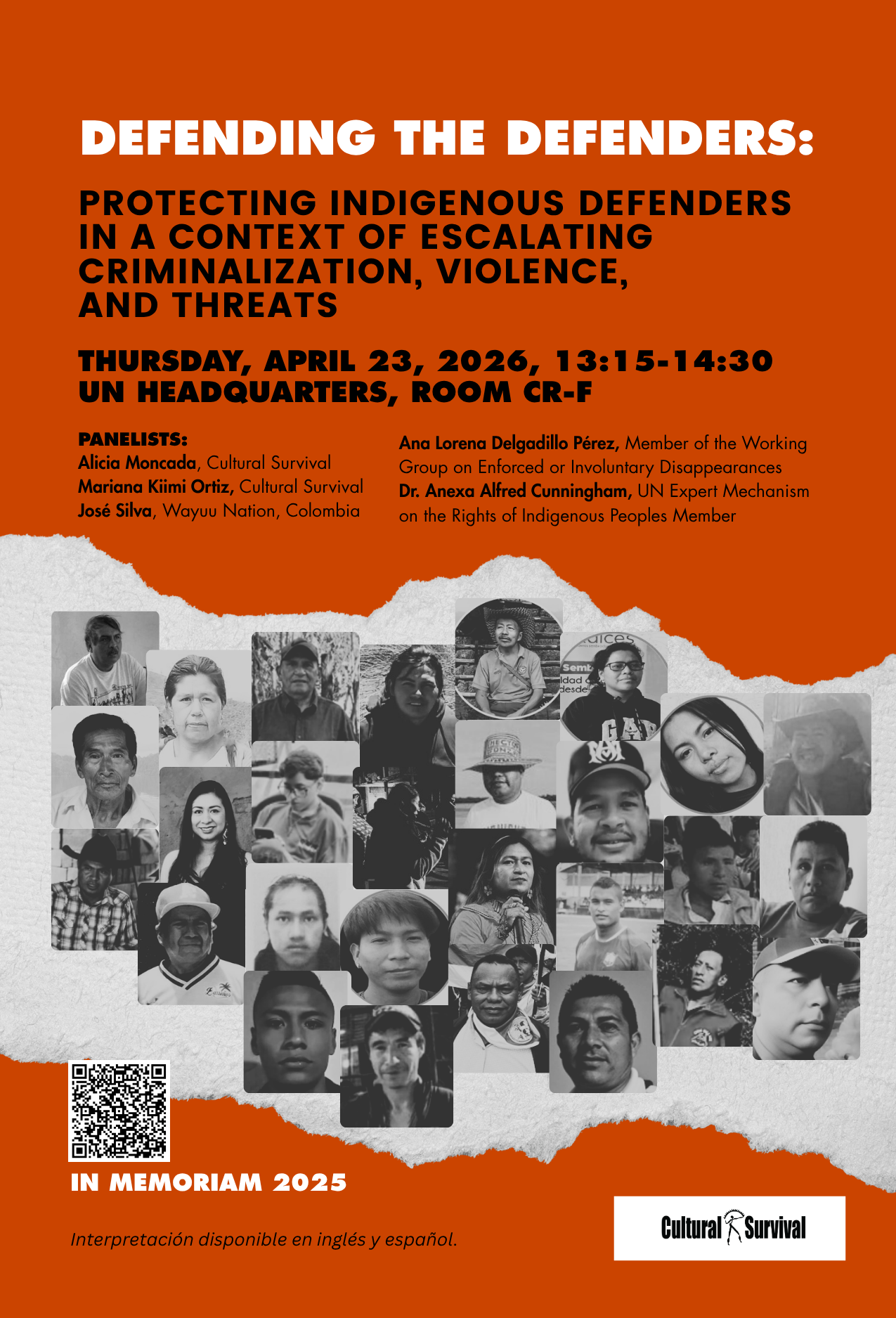
Another significant side event, "Defending the Defenders: Protecting Indigenous Defenders in a Context of Escalating Criminalization, Violence, and Threats," is slated for Thursday, April 23, 2026, from 13:15 to 14:30 in Room CR-F at UN Headquarters. This event, organized by Cultural Survival, will feature a moderated discussion with Indigenous defenders and civil society organizations. It aims to highlight the escalating threats faced by those who protect their territories and natural resources, emphasizing the disproportionate representation of Indigenous defenders, particularly women, among victims of criminalization, violence, and threats. The discussion will focus on amplifying Indigenous voices, sharing testimonies on protection needs, and showcasing community-led strategies. This event will be conducted in English and Spanish.
4. Engaging with the Indigenous Media Zone:
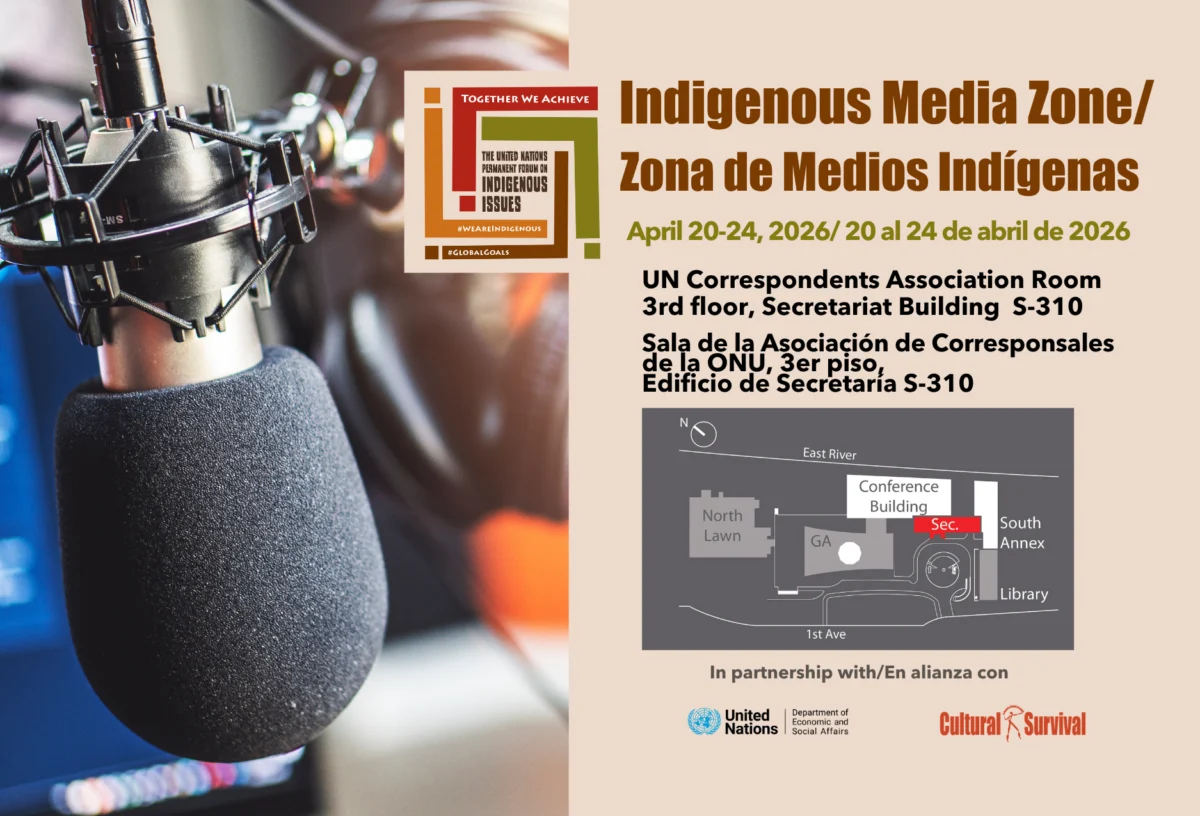
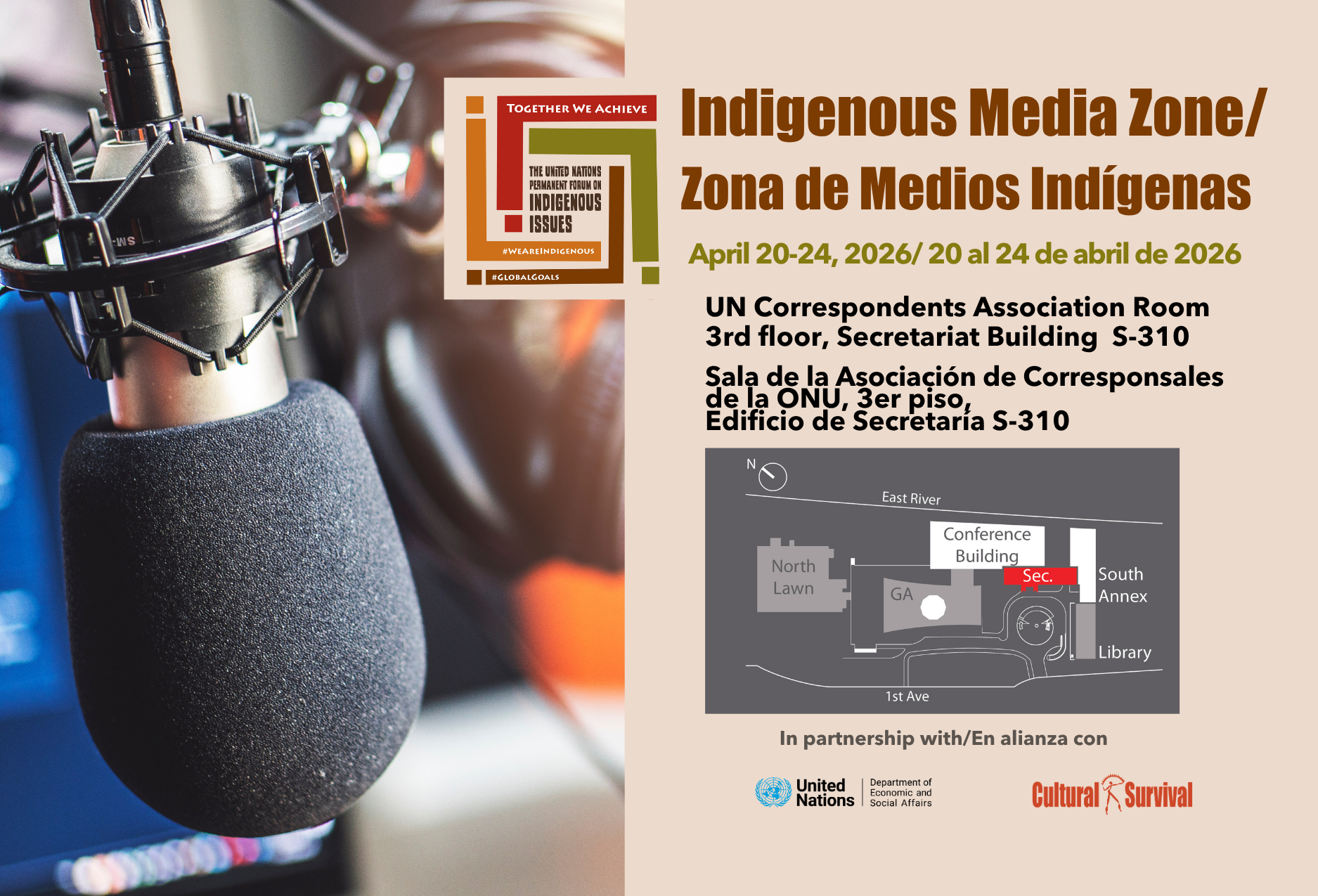
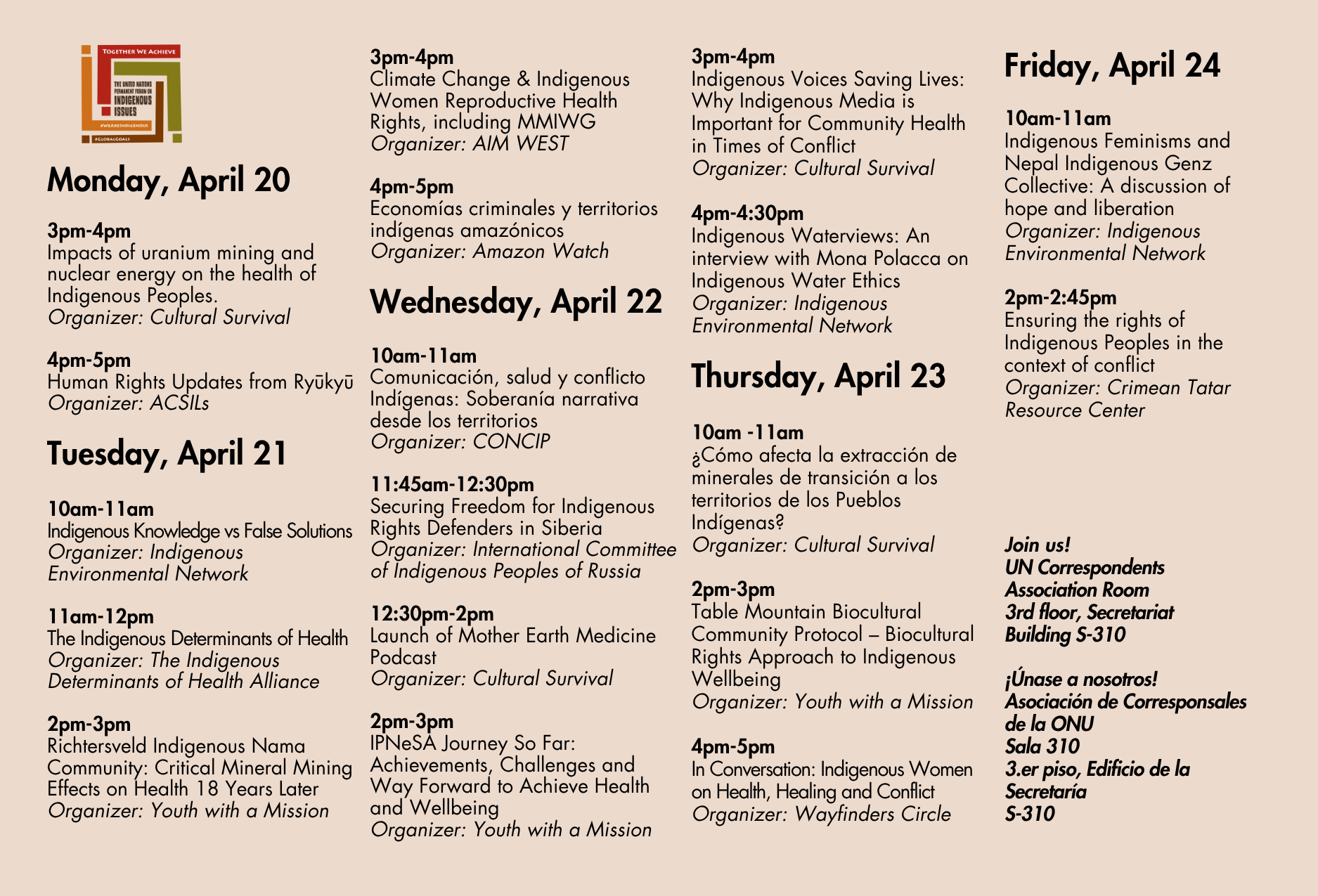
A dedicated Indigenous Media Zone will be established during the 25th session, running from Monday to Friday, April 20-24, 2026, from 9:00 AM to 6:00 PM EST in the UN Correspondents Association Room (3rd floor, Secretariat building, S-310). Organized by the Secretariat of the Permanent Forum (SPFII) and the Department of Global Communications (DGC) in partnership with Cultural Survival, this zone will serve as a hub for Indigenous media, journalists, and platforms. It will facilitate reporting on the session from Indigenous worldviews, perspectives, and languages, and host media events aligned with the session’s theme. In alignment with the International Decade of Indigenous Languages, the Media Zone will actively promote the participation of Indigenous media practitioners working in various Indigenous languages, fostering cross-cultural dialogue and understanding. Several panels and interviews will be livestreamed on facebook.com/culturalsurvival and www.youtube.com/@culturalsurvival1972. A preliminary schedule for the Indigenous Media Zone is available via a provided link.
5. Participating in Parallel Events:
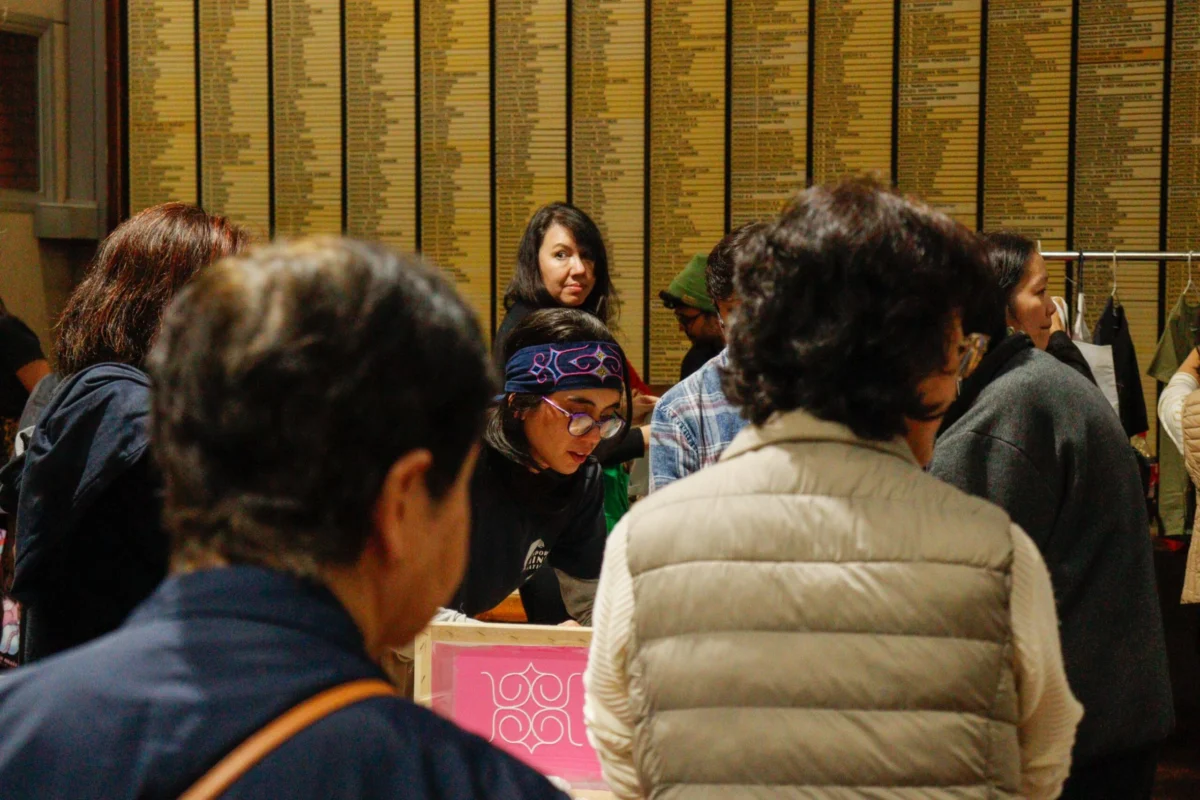
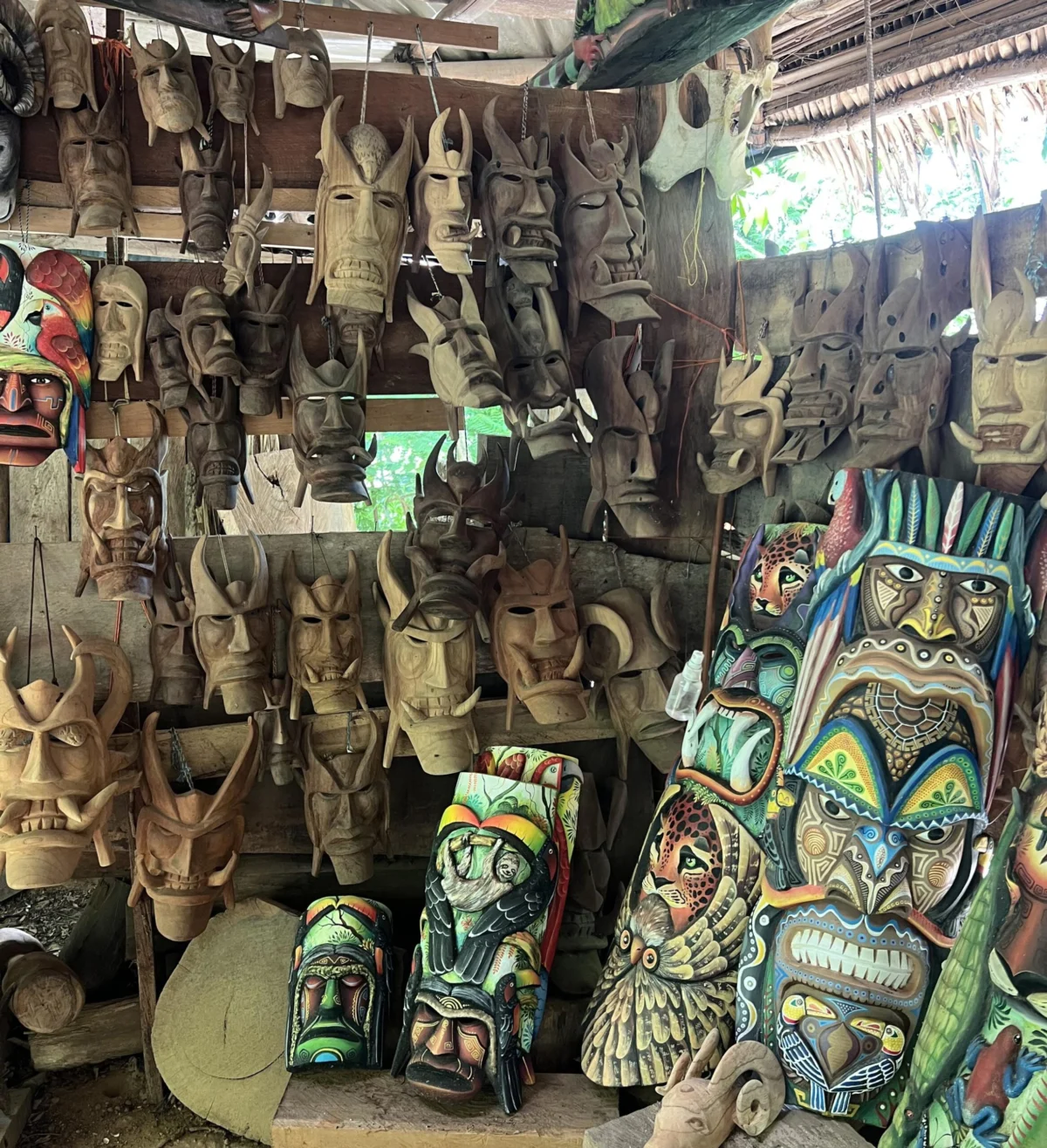
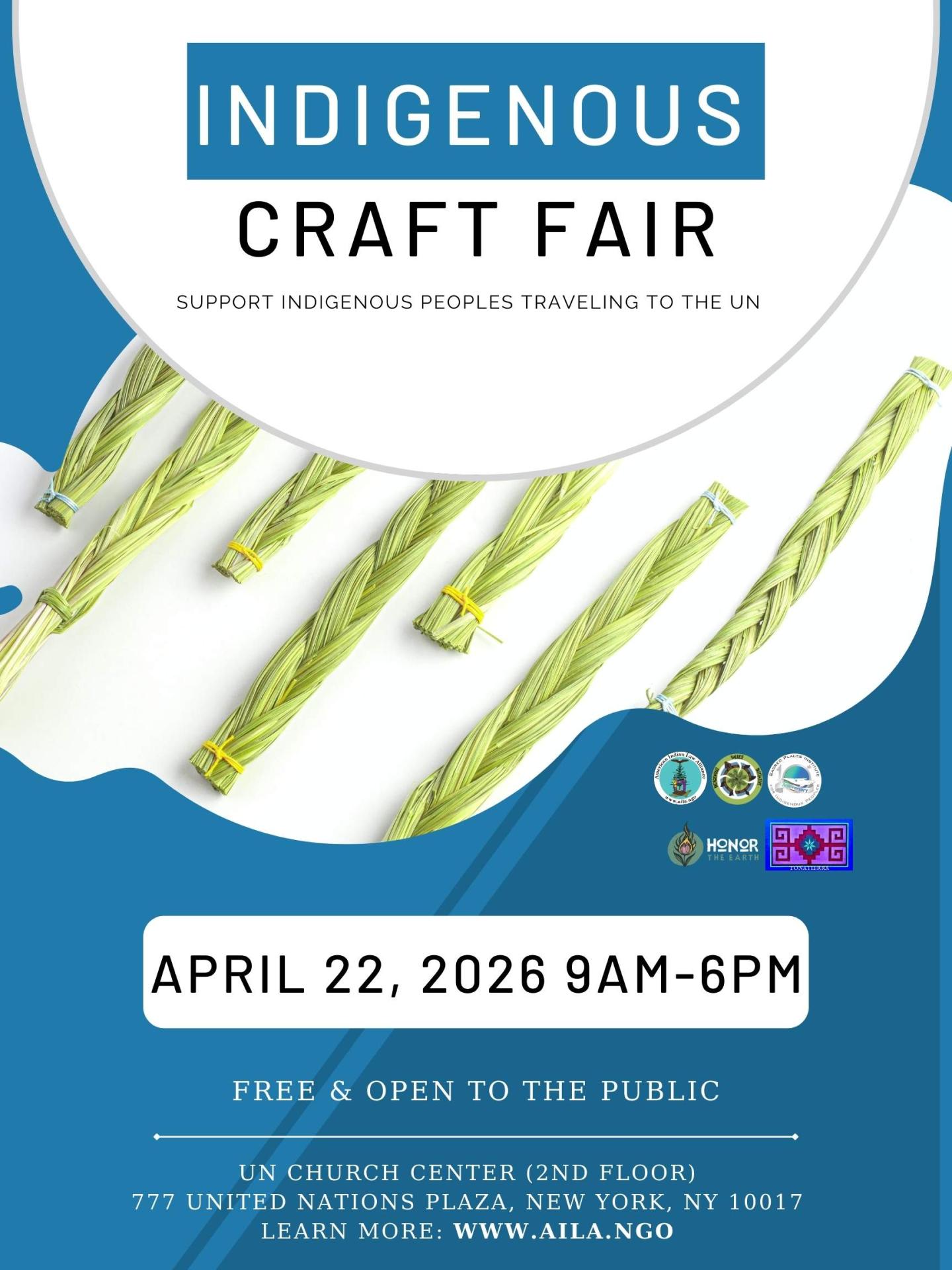
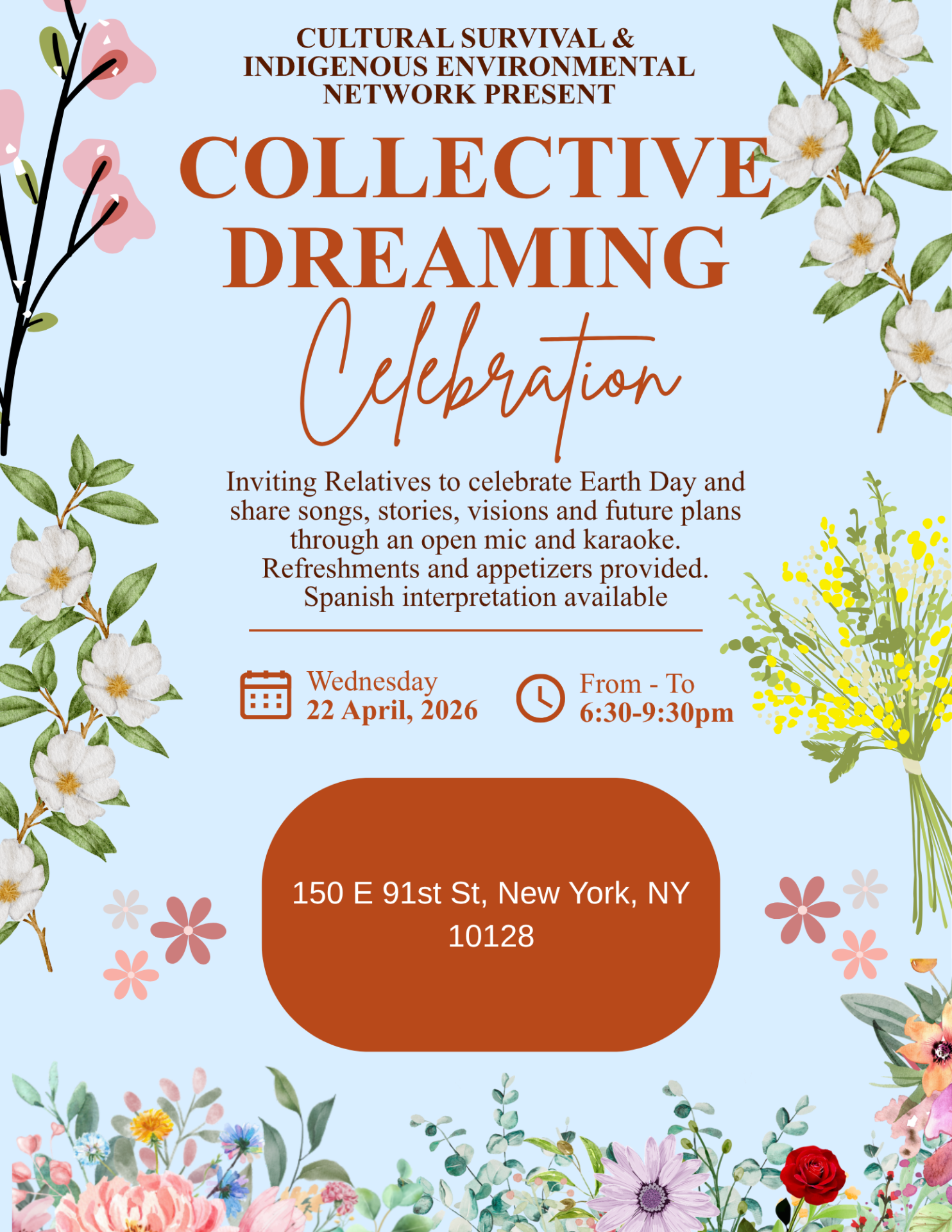
The UNPFII also hosts parallel events, many of which are open to the public, offering further opportunities for engagement and cultural exchange. One such event is the Indigenous Peoples Craft Fair, scheduled for Wednesday, April 22, 2026, from 9 AM to 4 PM at the UN Church Center (2nd Floor), located at 777 United Nations Plaza, New York, NY. This fair provides a platform for Indigenous artisans to showcase their cultural heritage through traditional crafts and offers the public a chance to connect with Indigenous cultures and support Indigenous economies.
Broader Implications and Future Directions
The outcomes of the 26th session of the UNPFII are anticipated to have significant implications for policy development and practical interventions concerning Indigenous health. The discussions are expected to generate concrete recommendations for UN agencies, member states, and other stakeholders on how to better support Indigenous communities facing health crises, particularly in conflict-affected regions. This may include advocating for increased funding for Indigenous-led health initiatives, strengthening early warning systems for health emergencies in Indigenous territories, and promoting the integration of traditional Indigenous knowledge and healing practices into mainstream healthcare systems.
The emphasis on Indigenous defenders is also crucial. The criminalization and violence faced by these individuals, who are often the frontline guardians of their lands and cultures, have direct and devastating impacts on community health. Addressing these threats is not only a matter of human rights but also a prerequisite for ensuring the well-being of Indigenous Peoples.
The UNPFII continues to be a vital mechanism for advancing the rights and well-being of Indigenous Peoples globally. As the world grapples with complex challenges, from health pandemics to armed conflicts and climate change, the platform provided by the Permanent Forum becomes increasingly indispensable for fostering dialogue, building consensus, and driving meaningful action towards a more just and equitable future for all Indigenous Peoples. The 26th session, with its focused theme, promises to be a critical juncture in this ongoing global effort.