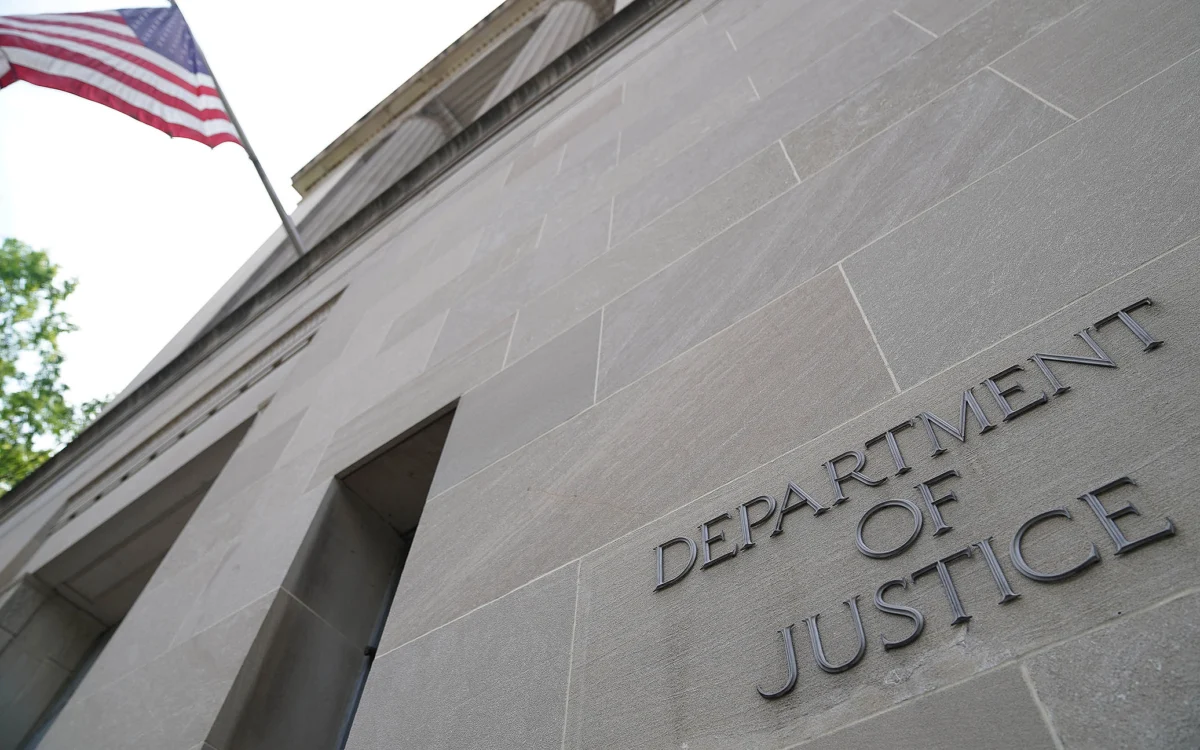
New regulations designed to significantly broaden the reach of the Americans with Disabilities Act (ADA) to encompass online platforms are slated to take effect later this month. However, a growing sense of unease is circulating among disability advocates, who fear that federal officials may be contemplating a delay in the implementation of these crucial rules. The U.S. Department of Justice finalized comprehensive regulations in 2024 that, for the first time, establish technical standards for websites and mobile applications under Title II of the ADA. These requirements are set to impact the online offerings of state and local governments, a broad spectrum of services that includes essential functions such as police departments, court systems, public hospitals, parks, libraries, transit agencies, school districts, and universities.
The impetus behind this landmark rule is the urgent need to dismantle the persistent digital barriers encountered by individuals with disabilities. As American society continues its rapid migration online, the absence of accessible digital infrastructure has effectively excluded a significant portion of the population from engaging with vital government services and information. The Department of Justice explicitly recognized this disparity in the 2024 rule, stating, "Just as stairs can exclude people who use wheelchairs from accessing government buildings, inaccessible web content and mobile apps can exclude people with a range of disabilities from accessing government services." This analogy powerfully illustrates the fundamental inequity that the new regulations aim to rectify.
A Digital Divide in Public Services
The implications of inaccessible government websites are far-reaching. These digital portals serve as critical gateways for citizens to access a myriad of essential services. From applying for state benefits and registering to vote to accessing mass transit schedules and obtaining vital public health information, the ability to navigate these online platforms is no longer a convenience but a necessity for full civic participation. The 2024 rule acknowledges this, underscoring that government websites are instrumental in enabling the public to conduct a wide range of transactions and access crucial information.
The phased implementation of the rule was designed to provide public entities with adequate time to prepare. Initially, the new standards were set to apply to state and local governments in areas with populations of 50,000 or greater, commencing on April 24. Public entities serving smaller populations were granted an additional year to achieve compliance. This staggered approach was intended to allow for a more manageable transition, particularly for smaller governmental bodies that might face greater resource constraints.
Signs of a Potential Reconsideration
Despite the approaching deadline, emerging indicators suggest that the Justice Department might be reconsidering certain aspects of the rule. Last spring, the agency signaled its intention to issue a notice of proposed rulemaking with the stated objective of "reconsidering whether some of the regulatory provisions imposed by the April 24, 2024 rule could be made less costly." This initial indication raised concerns among disability advocates, who viewed it as a potential precursor to weakening the regulations.
Further fueling these concerns, in February, the Justice Department reportedly submitted an interim final rule to the White House Office of Management and Budget (OMB), according to Jennifer Mathis, deputy director at the Bazelon Center for Mental Health Law. Mathis expressed a strong belief that this procedural step points toward a possible delay. "Given the timing of this and the fact that they decided to proceed with an interim final rule rather than the proposed rule they had initially planned, it seems very likely that this rule is designed to extend the impending deadline for larger entities coming into compliance with the rule," Mathis stated. She further suggested, "There may be other aspects of the rule that the department is trying to change as well."
The Justice Department has thus far declined to comment on the status of the rule. However, in recent weeks, the agency has engaged in meetings with a diverse array of stakeholders. Organizations such as the National Association of Counties and the National League of Cities have been actively advocating for an implementation delay, exemptions for entities with populations under 10,000, and other modifications. Their primary arguments center on the perceived financial burdens and technical challenges associated with full compliance.
Arguments for Delay and Advocate Opposition
The National Association of Counties articulated their position in a letter to the OMB, stating, "Counties strongly support the goals of accessibility. However, counties have encountered significant barriers in pursuing compliance." This sentiment reflects a broader concern among local government associations regarding the practicalities of meeting the new technical standards within the established timeframe.
As of early last week, the OMB indicated that its regulatory review process had concluded. The release of an interim final rule, and its potential impact on the April 24 deadline, remains uncertain.
In stark contrast to the calls for delay, disability advocates maintain that there is no justification for revisiting the 2024 rule. They emphasize that the established timeline has been sufficient for public entities to prepare. "Covered entities have had two years to come into compliance with the rule, and it is extremely troubling that the department would try to change or extend the rule just as it is about to go into effect," Mathis of the Bazelon Center asserted. "People with disabilities deserve better."
A Long Road to Accessibility
The history of the ADA’s online accessibility provisions underscores the extensive deliberation and public input that preceded the 2024 rule. In a letter to the Trump administration during the rule’s development, the National Federation of the Blind highlighted that the Justice Department first solicited feedback from state and local governments on the matter as far back as 2010. Furthermore, the agency sought public comment multiple times before the rule was ultimately finalized in 2024.
Mark A. Riccobono, president of the National Federation of the Blind, issued a strong statement opposing any reconsideration or delay. "There is no basis for reconsidering the website rule, which has already gone through fourteen years of consideration, public input, and adjustment, and which is based on a requirement in existence for nearly fifty years," Riccobono wrote. He further elaborated, "Additionally, public entities have had nearly thirty-six years to prepare for the requirements that were initially established in the ADA, clarified by the final rule, and have been actively requested by stakeholders on all sides." Riccobono concluded with a powerful warning: "Conversely, delaying or amending the regulation at this point would severely harm blind and other disabled Americans by denying us access to important civic information."
Broader Implications and the Path Forward
The potential delay of these accessibility rules carries significant implications for millions of Americans with disabilities. The ADA, enacted in 1990, aimed to ensure equal opportunity and full participation for individuals with disabilities. While the physical accessibility of public spaces has seen considerable progress, the digital realm has lagged behind. The 2024 rule was a critical step toward bridging this digital divide, recognizing that access to government services and information online is as fundamental as physical access to buildings.
The pushback from some local government groups, citing cost and technical hurdles, raises important questions about the balance between compliance requirements and the capacity of public entities. However, advocates argue that these challenges are not insurmountable and that the benefits of full digital inclusion far outweigh the costs of implementation. They point to the existence of established web accessibility standards, such as the Web Content Accessibility Guidelines (WCAG), which provide a clear roadmap for creating accessible websites and applications.
The current situation highlights a recurring tension in the implementation of civil rights legislation: the need for robust enforcement versus the practical challenges faced by regulated entities. The Justice Department’s apparent internal deliberations and engagement with various stakeholders underscore the complex interplay of these factors.
The ultimate decision regarding the effective date and scope of the 2024 ADA online accessibility rules will have a profound impact on the digital landscape of public services. For disability advocates, it represents a critical juncture in the ongoing struggle for equitable access. They remain steadfast in their conviction that any delay or watering down of these regulations would represent a significant setback, undermining years of progress and perpetuating the exclusion of individuals with disabilities from the essential functions of civic life in an increasingly digital world. The coming weeks will be crucial in determining whether the promise of equal digital access for all Americans will be realized as intended, or if further compromises will be made at the expense of those most impacted by digital inaccessibility.