The United States is grappling with a pervasive and deeply concerning crisis of Missing and Murdered Indigenous Women and Girls (MMIWG) and Missing and Murdered Indigenous People (MMIP). Statistics reveal a stark reality of undercounted violent crime, a systemic issue that has persisted for far too long without adequate attention or resolution. As of 2023, the scale of this tragedy is staggering, with over 5,800 American Indian and Alaska Native women reported missing. Disturbingly, a significant portion of these cases, a staggering 74%, involve children, underscoring the vulnerability of the youngest members of Indigenous communities.
The Scope of the Crisis: Alarming Statistics and Data Deficiencies
Further illuminating the depth of this crisis, a comprehensive 2018 study by the Urban Indian Health Institute examined 71 cities across the nation. This research identified 506 unique cases of violence against Indigenous people, with a grim breakdown: 56% of these cases were murders, and 25% involved missing persons. The study’s most alarming finding was the profound deficiency in official data collection. Over 75% of these identified cases were not recorded in federal databases, highlighting a critical failure in the systems designed to track and address violent crime. This lack of comprehensive data not only obscures the true extent of the problem but also severely hinders efforts to bring perpetrators to justice and provide closure for affected families. The Bureau of Indian Affairs (BIA) estimates that there are approximately 4,200 unsolved missing and murdered cases within its jurisdiction, a figure that likely represents only a fraction of the actual number.
Disproportionate Impact: A Community Under Siege
The statistics paint a clear and devastating picture: Indigenous people are disproportionately affected by violence compared to the general population. Indigenous women, in particular, face an exceptionally high risk of homicide. They are murdered at a rate ten times higher than the national average for their non-Indigenous counterparts. Homicide stands as the third leading cause of death for Native American and Alaska Native women and girls, a chilling testament to the pervasive violence they endure. The statistics suggest that approximately 84% of Indigenous women experience violence in their lifetime. A significant contributing factor to the undercounting of these crimes is the high rate of underreporting and misclassification. Many incidents are not officially recorded as violent crimes against Indigenous individuals, making it nearly impossible to ascertain the true scope of the crisis.
A Personal Mission: Advocacy in Action
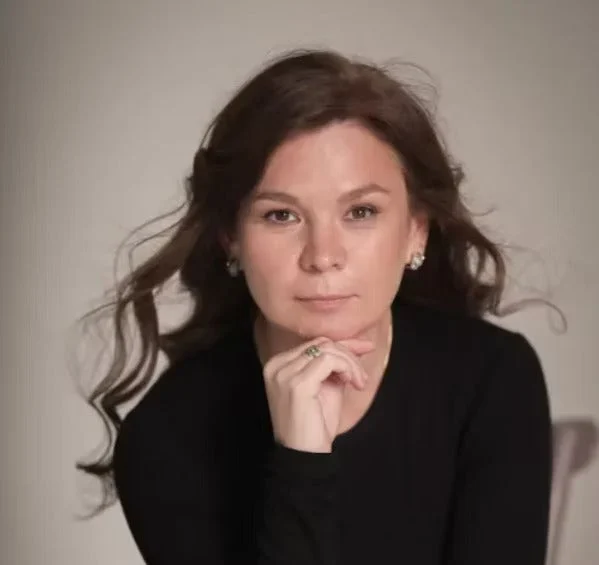
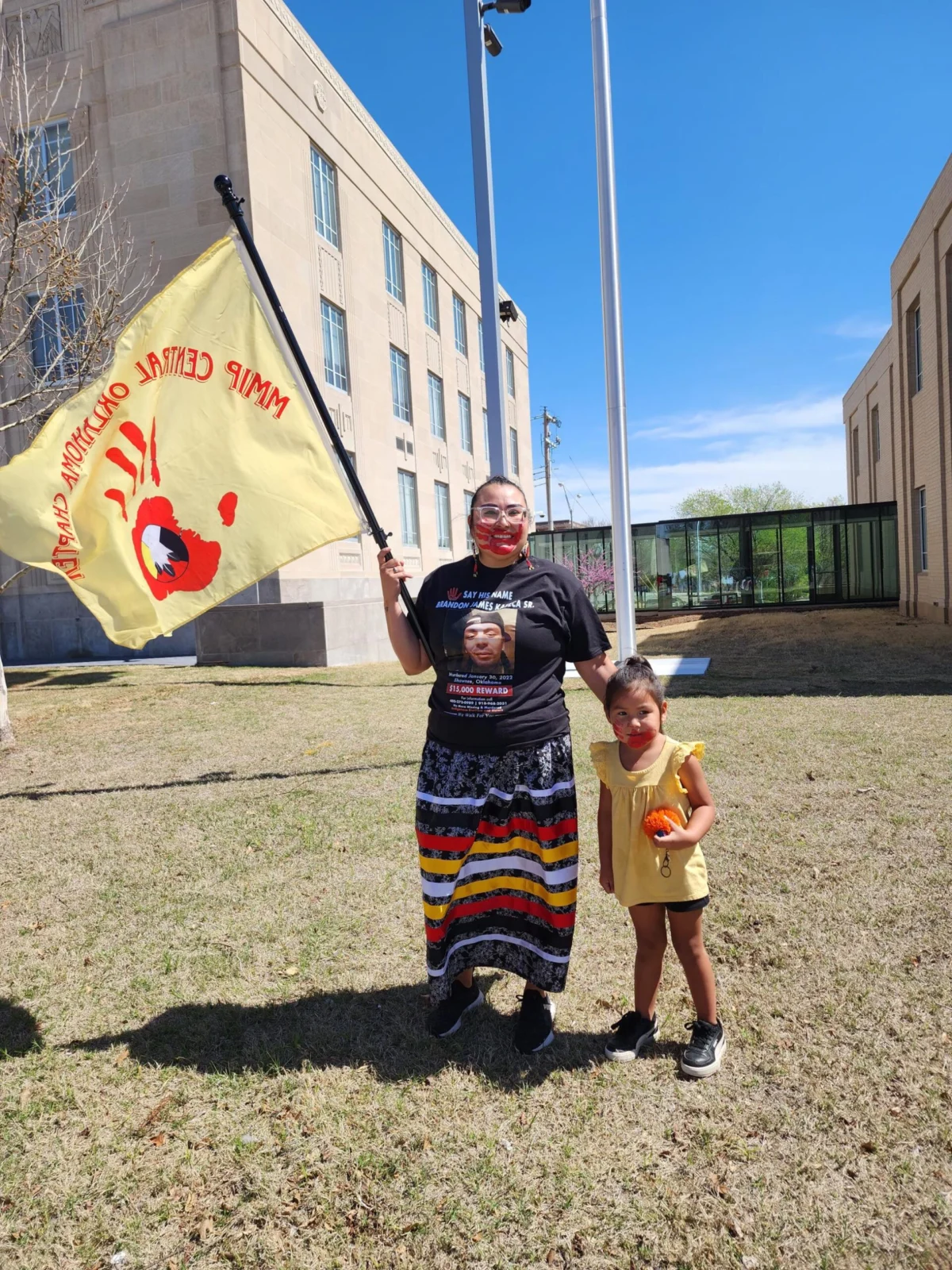
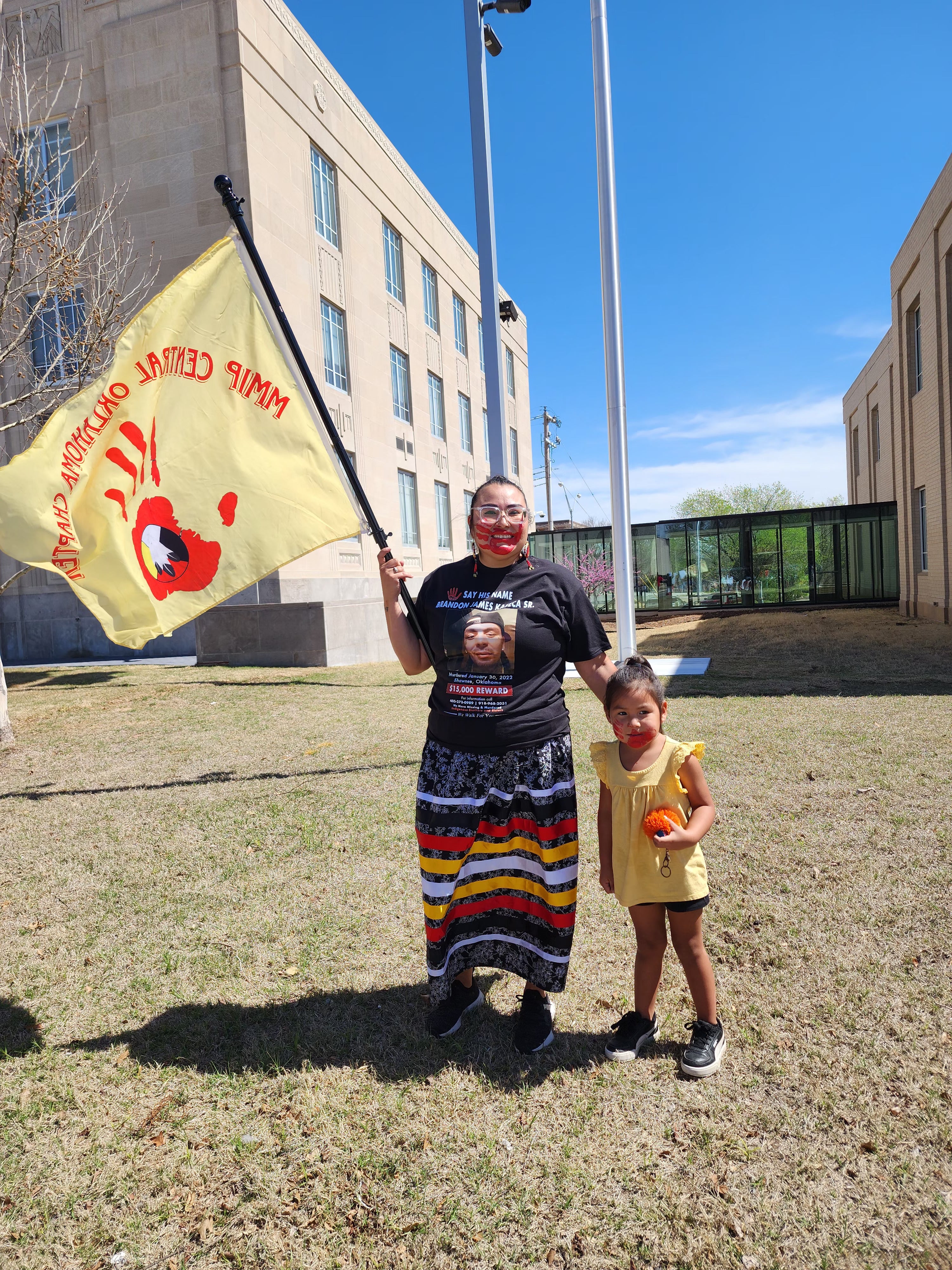
Christa McClellan, a member of the Prairie Band Potawatomi Nation, embodies the spirit of resilience and determination driving the fight against the MMIP epidemic. As the President of the Missing and Murdered Indigenous People Central Oklahoma Chapter, McClellan has dedicated herself to raising awareness and advocating for justice. Cultural Survival recently spoke with McClellan to gain insight into her vital work and the challenges she faces.
"I create justice flyers for our murder cases and distribute them when we have a missing person," McClellan explained, detailing the multifaceted nature of her advocacy. "I do a lot. I post everything on our social media—Facebook, Instagram, and TikTok. I talk with the families. I plan and speak at events." This relentless dedication involves not only direct outreach to families but also leveraging digital platforms to disseminate crucial information and amplify the voices of those affected.
The Roots of Involvement: A Personal Call to Action
McClellan’s commitment to the MMIP cause is deeply personal, rooted in a profound desire for justice for her own family. "My sister started her own advocacy in New Mexico; she’s been doing this far longer than I have," she shared, acknowledging the inspiration drawn from her sister’s pioneering efforts. However, the catalyst for her own intensified involvement came with the tragic loss of her cousin in 2022, whom she considered a brother. He was shot and killed on January 30, 2022. "We are still fighting for justice. We have not had any answers," McClellan stated, her voice reflecting the ongoing pain and frustration. "I made a promise to him that I wouldn’t stop until we got him justice." This solemn vow underscores the profound impact of these unsolved cases and the enduring commitment of families to seek accountability.
Dismantling Misconceptions: Challenging Stigma and Bias
One of the most significant hurdles in addressing the MMIP crisis, according to McClellan, is the pervasive and harmful misconceptions surrounding Indigenous people. "Many people feel that a lot of our Indigenous people are alcoholics and drug addicts, and that leads them not to want to look for them," she observed. This damaging stereotype often leads to a dismissive attitude towards missing Indigenous individuals, with assumptions that they are merely "out on a bender" or prone to disappearing and returning without intervention.
This bias extends to the treatment of youth, who are frequently labeled as "runaways" without acknowledging the potential for exploitation. "A lot of times our youth fall into sex trafficking, and they don’t see it as a crisis," McClellan stated. She contrasted this with the media attention and societal response typically afforded to missing or murdered Caucasian individuals. "It’s different when you have a person who is not a person of color; you can clearly see the difference because a Caucasian person is more likely to get their story and their face on the news and in newspapers, and more help when they go missing or even if they’re murdered."
This disparity in attention and assistance is deeply rooted in systemic prejudice. "When you have a Person of Color, regardless of whether they’re Indigenous or if they’re African-American, if they’re Hispanic, they are not treated the same," McClellan asserted. "They are less likely to be on the news or receive help of any kind." This lack of visibility and support perpetuates a cycle of neglect, reinforcing the perception that the lives of Indigenous people are less valuable. McClellan emphasized that this bias infiltrates even the criminal justice and court systems, overlooking the diverse realities and accomplishments of Indigenous individuals who are educated, entrepreneurial, and contributing members of society.
A Mission of Healing and Prevention: The MMIP Central Oklahoma Chapter’s Vision
The MMIP Central Oklahoma Chapter’s mission has evolved beyond merely searching for the missing and advocating for justice for the murdered. "When we first started, our mission was to help the families look for their missing and fight for justice for their murdered family members," McClellan explained. "Eventually, along the way, we realized that it’s not just about finding our missing Indigenous people, but about working for justice. We need to find a way to prevent all of this."
A core strategy in their prevention efforts is reconnecting Indigenous individuals with their cultural heritage. "One of the ways we try to do that is to pull them back into their cultures and be more involved, because it creates a bond that will help them get through whatever they’re going through," McClellan stated. She shared her personal journey of recovery from addiction, finding solace and healing through cultural immersion. "I can say that I am a recovering addict. I have gotten back into my culture, and it feels like healing and peace when you do."
The chapter actively organizes cultural events, such as gourd dances, which are described as healing ceremonies. Their vision extends to fostering a sense of community and belonging. "We want to create that circle for our families and our community. We don’t just focus on our MMIP families; we focus on the community as a whole. We want to do whatever we can to prevent further cases." McClellan acknowledged the daunting nature of the challenge but expressed optimism: "It seems like it’s almost impossible, but I think we can at least decrease numbers and make it not so high of a rate if we build that trust within the community and show them there is more to their lives than just the drinking, the drugging, the turmoil that we sometimes put ourselves in."
To reach a wider audience and embrace the diversity of Indigenous traditions, the chapter plans to expand its cultural programming beyond gourd dances to include stomp dances and powwows. They also host an annual honor walk and participate in various community events throughout the year, setting up at powwows to engage with the public and raise awareness.
Policy and Law Enforcement: A Call for Systemic Change
McClellan underscored the critical need for policy and law enforcement reforms to effectively address the MMIP crisis. A significant demand is the creation of a dedicated alert system specifically for Indigenous people. While Casey’s Alert, a statewide alert system enacted in Oklahoma, is intended to cover all races and ethnicities, McClellan highlighted its limitations. "The issue with that is it’s not used the way it should be," she stated. "It’s used when someone feels like somebody’s in danger, and it’s not normal for them to go missing."
She pointed out the infrequent use of the alert system, noting that despite its existence for several years, it has only been activated approximately six times, a stark contrast to the high number of missing persons. "I think we need a more effective alert," McClellan urged. "If everyone were alerted the way those alerts were meant to be, regardless of the urgency, we would have a lot easier time finding people because those alerts go out instantly and across the entire state at a time, compared to if we share on Facebook or social media, people will see it when they come across it." The immediate and widespread dissemination of information through a dedicated alert system is seen as a crucial step in increasing the chances of locating missing individuals.
Shifting Narratives: The Slow Pace of Change in Media Coverage
When asked about changes in the coverage of MMIP issues, McClellan expressed a disheartening lack of perceived progress. "I don’t see a change, and I think that could have a lot to do with our current administration in the White House," she speculated. McClellan believes that the emphasis on universal equality, while well-intentioned, inadvertently creates barriers to recognizing the specific crisis faced by Indigenous communities. "They’re not seeing that our people aren’t being treated equally. They’re just seeing that we’re trying to bring more attention to the crisis, and they’re not seeing the crisis, if that makes sense."
She emphasized the profound impact of direct engagement with affected families. "I suggest they talk to the families, especially the parents or children of missing persons or murder victims," McClellan urged. "If they speak to the families, they will see the impact that the cases have on people. It’s gut-wrenching. It’s alarming." McClellan’s personal experience as part of an MMIP family illustrates how the ongoing search for answers and justice keeps grief and emotions perpetually raw. She believes that witnessing this profound pain would evoke empathy and a deeper understanding of the urgency of the crisis in those outside of these deeply affected communities.
Community Support and Outreach: A Grassroots Endeavor
The MMIP Central Oklahoma Chapter relies heavily on community support to sustain its operations, as it is a grassroots organization. "We accept any type of donation," McClellan stated. "We are a grassroots organization, and if we don’t have money in our account, then it comes out of our pockets." She highlighted the personal financial strain on volunteers, many of whom are stay-at-home mothers or individuals who contribute their own funds to cover essential expenses such as flyer printing and travel costs.
"Flyers aren’t cheap," McClellan noted, explaining the significant reach of their efforts across the entire state of Oklahoma. "We cover the entire state of Oklahoma, so that’s gas money to get to where we need to go." The organization is also actively seeking volunteers to assist with their outreach efforts. "If you can’t commit to being a member, we don’t mind if you just want to be a volunteer. That works as well," she said.
The chapter maintains a strong presence on social media, with active Facebook and Instagram accounts under the name "Missing and Murdered Indigenous People Central Chapter." McClellan encourages individuals to support their work by sharing flyers and volunteering their time. "The best way to [volunteer] is if you see a flyer, share it. If you can come out and help whenever we put up flyers, it does wonders because we can cover a larger area," she urged. She described instances where her nine-year-old daughter and she were the only ones distributing flyers, underscoring the need for more community involvement to expand their reach. Volunteers are welcomed at all events, which are viewed not only as opportunities for outreach but also as vital healing ceremonies for community members to connect and find solace.