By Clemente Flores and Soledad Sede
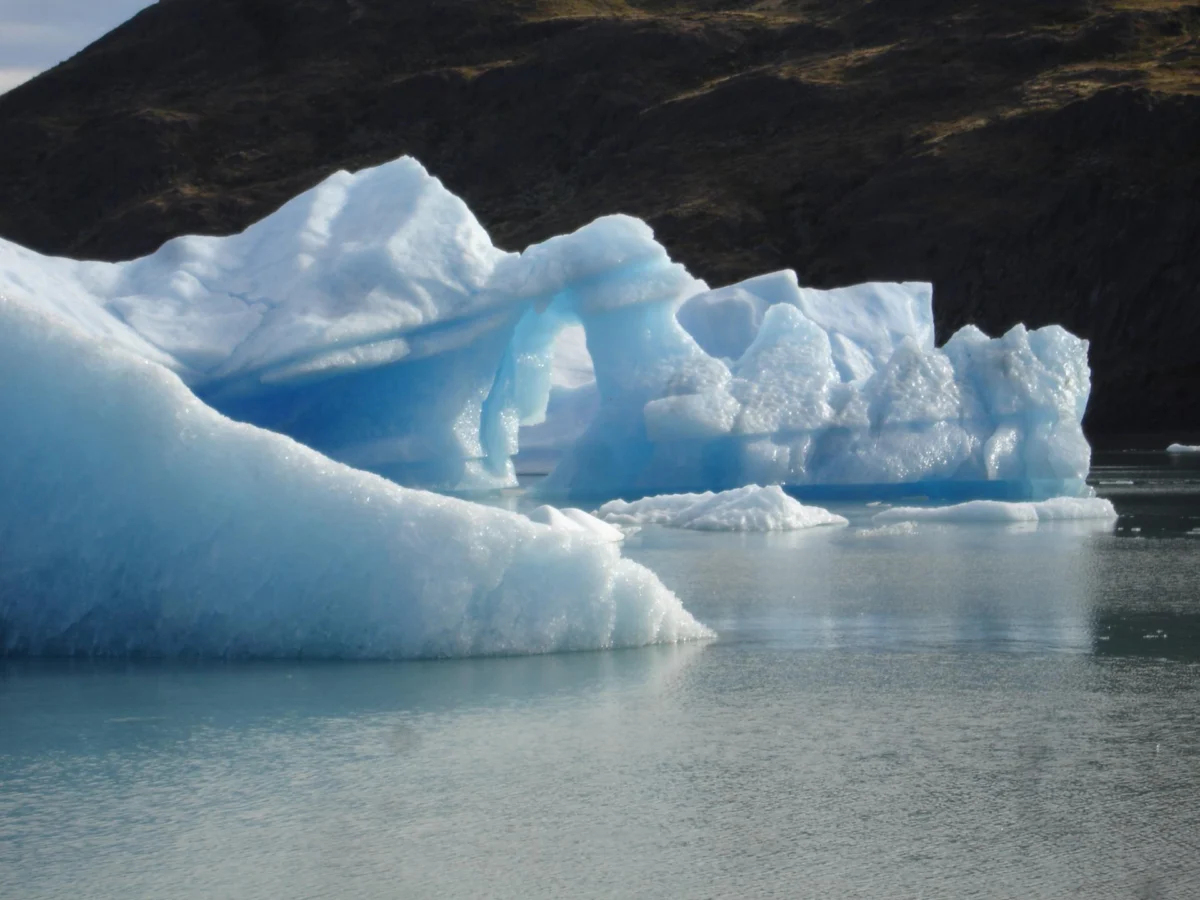
The recent reform of Argentina’s National Law on Minimum Standards for the Protection of Glaciers and the Periglacial Environment, approved by the National Congress, represents a significant regression in the nation’s environmental protection standards. Far from being a minor technical adjustment, this legislative change fundamentally alters the balance between models of development, potentially jeopardizing water security, the integrity of mountain ecosystems, and the enforceability of Indigenous Peoples’ rights. The law, originally enacted in 2010 after considerable political struggle, was designed to safeguard these vital high-mountain zones, recognizing their crucial role as strategic water reserves. Its amendment, however, signals a shift towards intensive exploitation, raising serious concerns among environmental advocates and Indigenous communities.
A Hard-Fought Victory Undermined
The original Glacier Law, enacted in 2010, was the culmination of years of advocacy and intense political conflict. An earlier attempt in 2008 was famously vetoed, a move widely attributed to pressure from the powerful mining sector. This initial hurdle underscored the inherent tension between economic interests, particularly extractive industries, and the imperative of environmental protection. The 2010 legislation established a clear prohibition on extractive activities within glaciers and the periglacial environment, a pioneering stance in the region that positioned Argentina as a leader in safeguarding these critical natural resources. The law’s framework was built upon the understanding that these environments are not merely inert landscapes but dynamic systems essential for water provision and ecological balance.
The periglacial environment, encompassing areas surrounding glaciers that are crucial for maintaining hydrological cycles and supporting unique biodiversity, was a key component of the original law’s protective scope. Its inclusion recognized that the health of glaciers is intrinsically linked to the broader mountain ecosystem. The original law aimed to provide a comprehensive buffer zone, ensuring that activities in proximity to glaciers would not compromise their stability or the availability of meltwater.
The Reform: Deregulation and Weakened Protections
The recently approved reform significantly alters central tenets of the 2010 law, primarily by narrowing the scope of protection for the periglacial environment and modifying the criteria for identifying areas that warrant safeguarding. A critical aspect of the reform is the increased latitude granted to provincial governments. Provinces can now more readily define their own protection zones and authorize economic activities in territories that were previously subject to more stringent federal regulations.
This decentralization of authority, critics argue, does not enhance legal certainty or improve the implementation of environmental regulations. Instead, it is likely to lead to a fragmentation of environmental protection standards across the country. This fragmentation could foster a regressive competition among provinces, each eager to attract extractive investments by offering less stringent environmental oversight. Such a scenario directly contravenes the principle of environmental non-regression, a cornerstone of modern environmental law.
This principle is deeply rooted in Argentina’s legal framework. Article 41 of the National Constitution establishes the right to a healthy environment and mandates that authorities ensure this right. The General Environmental Law (Law 25,675) further solidifies this by enshrining principles of prevention, precaution, and progressivity in environmental management. Moreover, Argentina’s international commitments, including the Escazú Agreement on access to information, public participation, and justice in environmental matters in Latin America and the Caribbean, and the Advisory Opinion OC-23/17 of the Inter-American Court of Human Rights, all underscore the obligation of states not to arbitrarily lower existing levels of environmental protection, especially concerning vital assets like water. The reform, by potentially diminishing protection for glaciers and their surrounding environments, appears to run counter to these fundamental legal and ethical obligations.
A Flawed Public Participation Process
The process leading to the reform’s approval has also drawn sharp criticism regarding the adequacy of public participation. The public hearing convened in the Chamber of Deputies, intended to gather input from citizens, took place at an advanced stage of the legislative process, specifically after the bill had already received preliminary approval. This timing significantly curtailed the ability of citizens to exert meaningful influence over the reform’s content.
While an impressive number of over 100,000 individuals registered to attend the public hearing, only a fraction, estimated between 360 and 400, were granted the opportunity to speak. This stark disparity highlights a substantial gap between the formal accessibility of the process and the actual conditions for citizen engagement. Environmental experts and advocates emphasize that public participation in environmental matters cannot be a mere formality or a symbolic gesture.
The Escazú Agreement, ratified by Argentina through Law 27,566, mandates that participation in environmental decision-making be open, inclusive, informed, timely, and effective. Restricting speaking opportunities to such a small segment of registered participants, especially on a bill of such profound socio-environmental significance and one that had already cleared initial legislative hurdles, raises serious questions about the procedural fairness and legitimacy of the reform. The objective, proponents of robust participation argue, is not simply to establish a channel for input but to ensure that genuine opportunities exist for citizens and potentially affected communities to influence public decision-making. This procedural deficiency, critics contend, weakens the democratic legitimacy of the reform and leaves it vulnerable to institutional and legal challenges.
The Absence of Indigenous Consultation: A Constitutional and International Breach
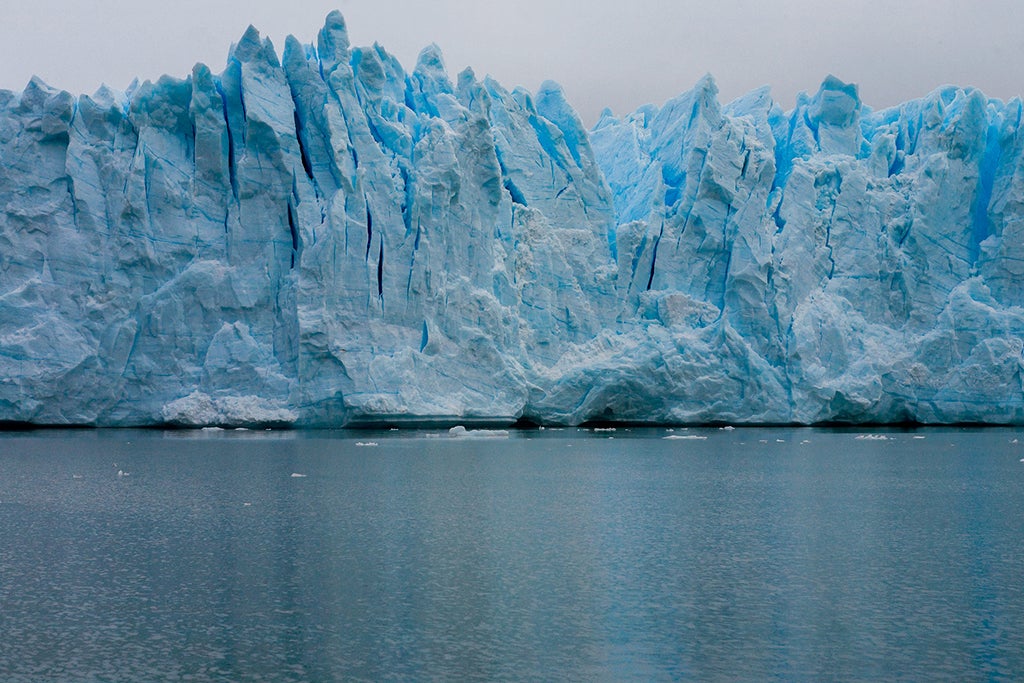
Perhaps the most serious omission in the reform process is the lack of a specific consultation and participation process with Indigenous peoples. Many Indigenous communities in Argentina reside in high-mountain territories, relying directly on glacial meltwater and the health of these ecosystems for their survival, cultural practices, and spiritual well-being. The weakening of glacial and periglacial protection directly impacts these territories, water sources, and traditional ways of life.
The 1994 Constitution of the Argentine Nation explicitly recognizes the ethnic and cultural pre-existence of Indigenous peoples and guarantees their right to participate in the management of their natural resources. Furthermore, International Labour Organization (ILO) Convention 169, which Argentina has ratified, obliges the state to conduct free, prior, and informed consultations with Indigenous peoples whenever legislative or administrative measures may directly affect them.
The amendment to the Glacier Law directly affects Indigenous territories in regions like Salinas Grandes and the Andean Puna basin. These are not abstract, uninhabited areas; they are living territories with deep historical, spiritual, and cultural significance, where Indigenous communities maintain intricate relationships with water and the mountains. Proceeding with such a significant legislative change without engaging these communities undermines not only the law’s legitimacy but also the state’s international responsibility. The absence of this consultation is not a minor political oversight but a potential violation of constitutional and international obligations, casting a shadow over the territorial legitimacy of the reform.
Legal Uncertainty and the Temporal Application of the Reform
A crucial and contentious aspect of the reform is its implication for ongoing projects. The amendment introduces significant legal uncertainty regarding projects that were initiated, are in process, or have received partial authorizations under the previous, more protective regime. The central question is whether the new, relaxed regulations should apply to these existing projects, or if the legal framework in force at the time of their initiation should be respected.
While it is generally accepted that public policy regulations can be applied immediately, this does not automatically permit the alteration of established legal situations or the reduction of previously existing protection standards, especially when collective assets like water and strategic ecosystems are at stake. Environmental law principles, including the precautionary principle, progressive development, and the duty to ensure effective participation, are at the heart of this debate.
The reform, by potentially allowing new regulations to override existing legal frameworks for ongoing projects, sends a problematic institutional message. It suggests that rules governing the protection of strategic ecosystems can be altered retroactively, particularly in contexts already marked by territorial conflicts, ongoing environmental assessments, and compromised collective rights. This regulatory shift could lead to increased litigation and further exacerbate uncertainty, undermining the very legal certainty that proponents of the reform might claim to promote for investment.
The potential application of the new regulations to pre-existing projects is poised to become a major point of administrative and judicial contention. The fundamental discussion transcends the narrow issue of which mining projects might benefit from relaxed regulations; it challenges the broader scope of the rule of law in Argentina and the validity of the principle that the protection of water and common resources cannot be rolled back.
Towards Greater Legal Certainty and Sustainable Development
The reform of the Glacier Law exposes a persistent structural problem within Argentine public policy: the lack of predictability and fundamental consensus regarding the protection of strategic common resources. The ongoing debate about the temporal application of the reform underscores the urgent need for clear, predictable, and consistent legal criteria. The argument that new regulations should apply immediately becomes problematic when it results in a reduction of environmental protections. Conversely, if a regulatory change were to impose stricter environmental requirements, the affected sectors would rightly invoke principles of legal certainty, legitimate expectation, and regulatory predictability. The analysis of the reform’s application must therefore be consistent, irrespective of whether the change expands or restricts exploitation margins, and clearly define the cutoff point for its application.
In a mere sixteen years, Argentina has traversed a complex and often contradictory path concerning glacier protection: from enacting a pioneering law to facing legal challenges against it, and now to reforming it by lowering its protective standards. Such regulatory instability serves neither robust environmental protection nor the predictability required for sustainable, long-term investments.
Legal certainty, a principle often invoked to safeguard economic interests, must also encompass clear rules, legitimate procedures, adherence to prevailing environmental principles, and institutional predictability in the management of vital resources like water. The need for development, investment, and productive activity is undeniable. However, the critical debate lies in the conditions under which these activities occur, the limits that must be respected, and the guarantees provided to the communities and ecosystems that sustain life.
Reforms enacted without adequate participatory processes, meaningful consultation with Indigenous peoples, or broad social consensus do not foster a favorable investment climate. Instead, they tend to generate increased litigation, heightened territorial conflict, and pervasive regulatory uncertainty. Therefore, defending the protection of glaciers is not an act of opposition to development. Rather, it is a call for clear rules, legitimate institutions, and a national development model that safeguards its water sources and respects the rights of present and future generations. Ultimately, protecting water is not an impediment to development; it is the fundamental prerequisite for any meaningful and sustainable development to be possible at all.