The global observance of Earth Day, a time dedicated to environmental stewardship, climate conservation, sustainability, and the appreciation of local ecosystems, serves as a potent reminder of our interconnectedness with the natural world. This annual celebration invites us to engage our senses, individually and collectively, with the Earth. However, the true spirit of Earth Day is profoundly intertwined with the enduring efforts, ancestral knowledge, and significant sacrifices of Indigenous Peoples worldwide, who often stand as the foremost protectors of our planet’s vital green spaces. This principle is vividly illustrated by the Yakthung, also known as the Limbu people of Nepal, whose reverence for nature transcends mere admiration. They are currently engaged in a critical struggle to safeguard Mukumlung, one of eastern Nepal’s most sacred and revered natural sites, from encroaching development.
The Limbu People: A Legacy of Cultural and Spiritual Heritage
The Limbu, whose name translates to "bow carrier," are an Indigenous group with a rich tapestry of cultural traditions that remain vibrant in contemporary Nepal. As one of the 59 recognized Indigenous groups in the country, they possess their own distinct language, Yakthungpan, and a history rooted in the ancient Kirat kingdom. Their ancestral lands, historically known as Pallo Kirat and now referred to as Limbuwan, once comprised ten autonomous states, reflecting a significant period of self-governance and distinct identity. Today, Limbu communities are primarily concentrated in the districts of Sankhuwasabha, Taplejung, Terhathum, Panchthar, Dhankuta, and Ilam in eastern Nepal.
Central to Limbu identity is their spiritual worldview, deeply rooted in the Kirat religion. They identify as animists, holding a profound veneration for nature and its inherent spiritual power. Their sacred text, the Mundhum, serves as an invaluable repository of their cosmologies, historical narratives, intricate rituals, and seasonal festivals. This deep spiritual connection to the land has fostered unique cultural expressions, including music and dance traditions intrinsically linked to ceremonial cycles. Notable among these are the Kelang, a powerful drum dance, and Yemalang, a shamanistic dance performed by women, both of which encapsulate the Limbu’s spiritual and cultural heritage.
Traditional Livelihoods and Land Tenure Under Threat
Historically, Limbu communities have sustained themselves through a harmonious relationship with their environment, excelling in various traditional livelihoods. Their skills in agriculture, hunting, woodworking, bamboo crafting, weaving, and gardening demonstrate a deep understanding of and reliance on local resources. For centuries, they practiced a communal land tenure system known as Kipat, a system that emphasized collective ownership and stewardship. However, this traditional system faced a significant disruption following the enactment of the Land Reform Act of 1964. This legislation, intended to redistribute land, inadvertently led to the loss of access to ancestral lands for many Limbu communities, altering their traditional relationship with the land and undermining their self-sufficiency.
Mukumlung: A Sacred Site Under Siege
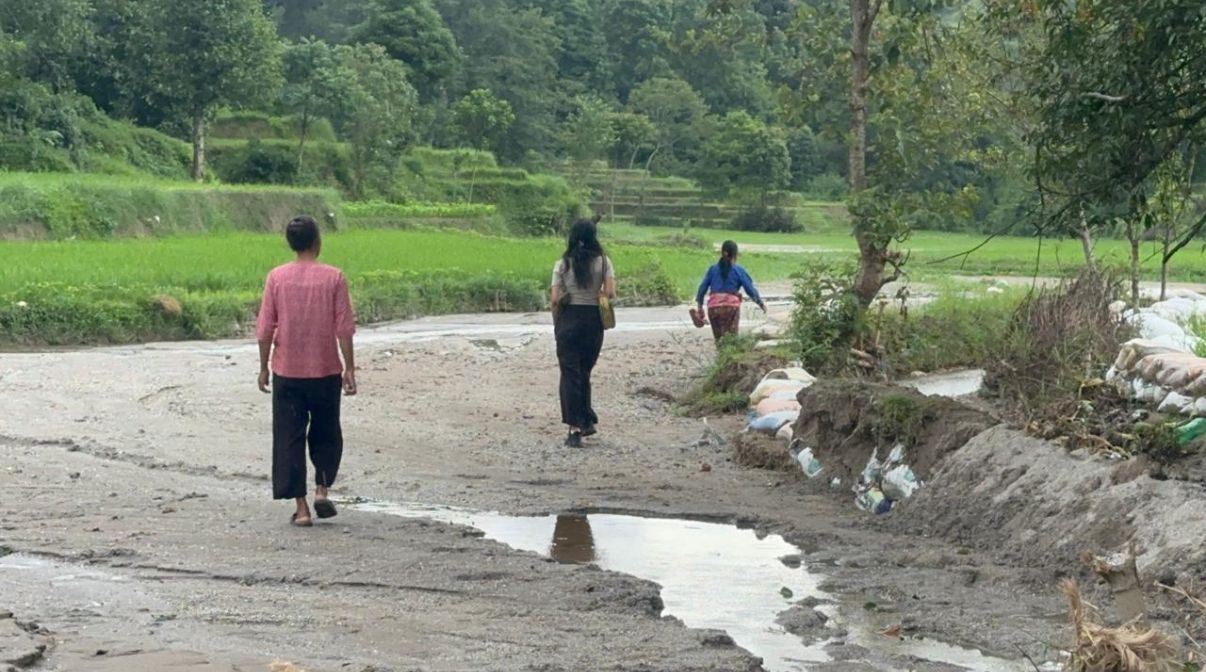
The conflict surrounding Mukumlung escalated in 1997 when the Government of Nepal established the Pathibhara Area Development Board through the Pathivara Area Development Act. While the stated objective was to foster social, economic, religious, and cultural development at the sacred site of Mukumlung, located in the Taplejung district, subsequent actions have raised serious concerns about the true intentions and the impact on the Limbu people and their ancestral lands. Mukumlung is not merely a scenic location; it is a crucial ceremonial site where the Limbu perform vital acts of veneration and undertake important pilgrimages, integral to their spiritual and cultural continuity.
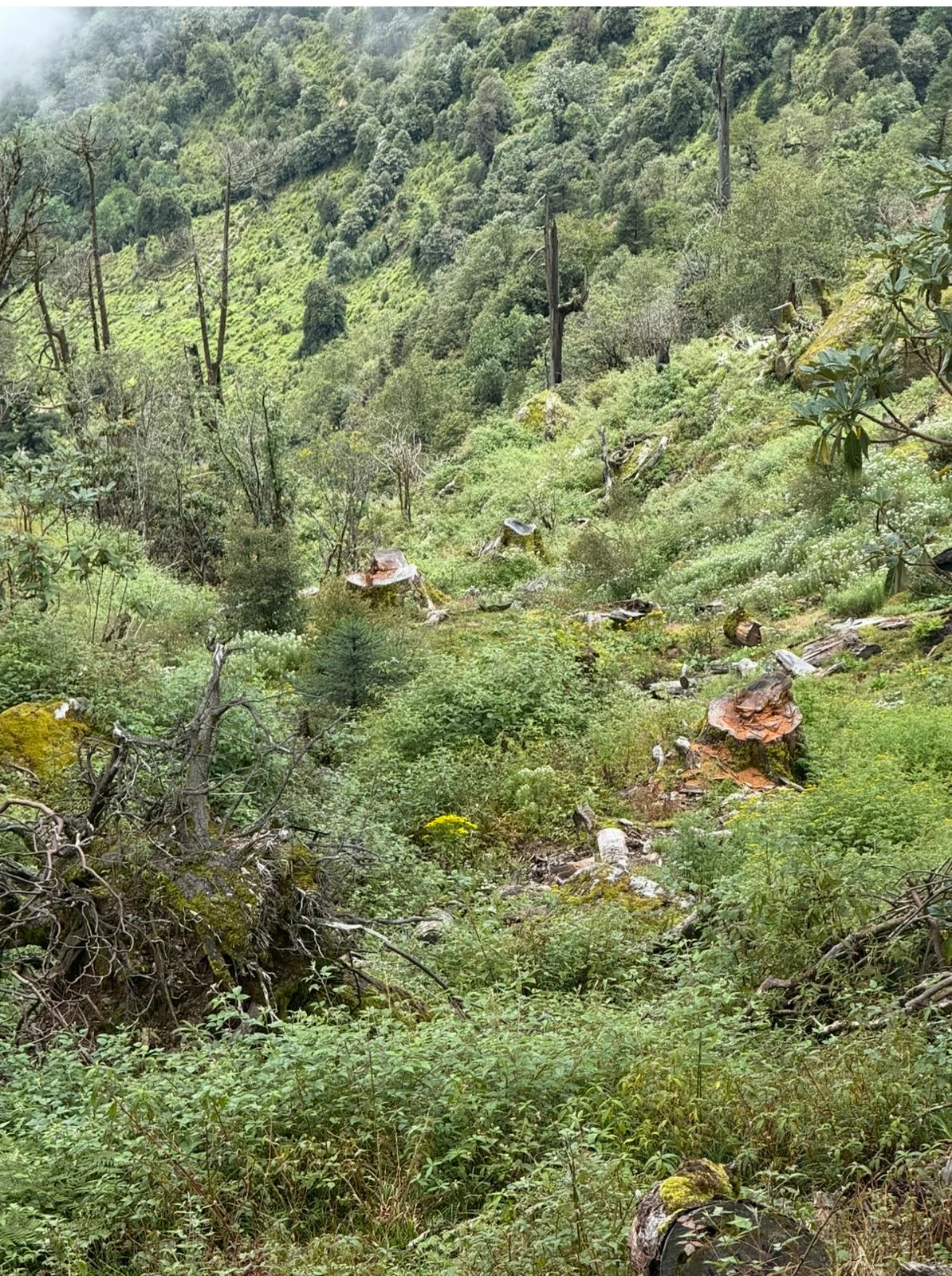
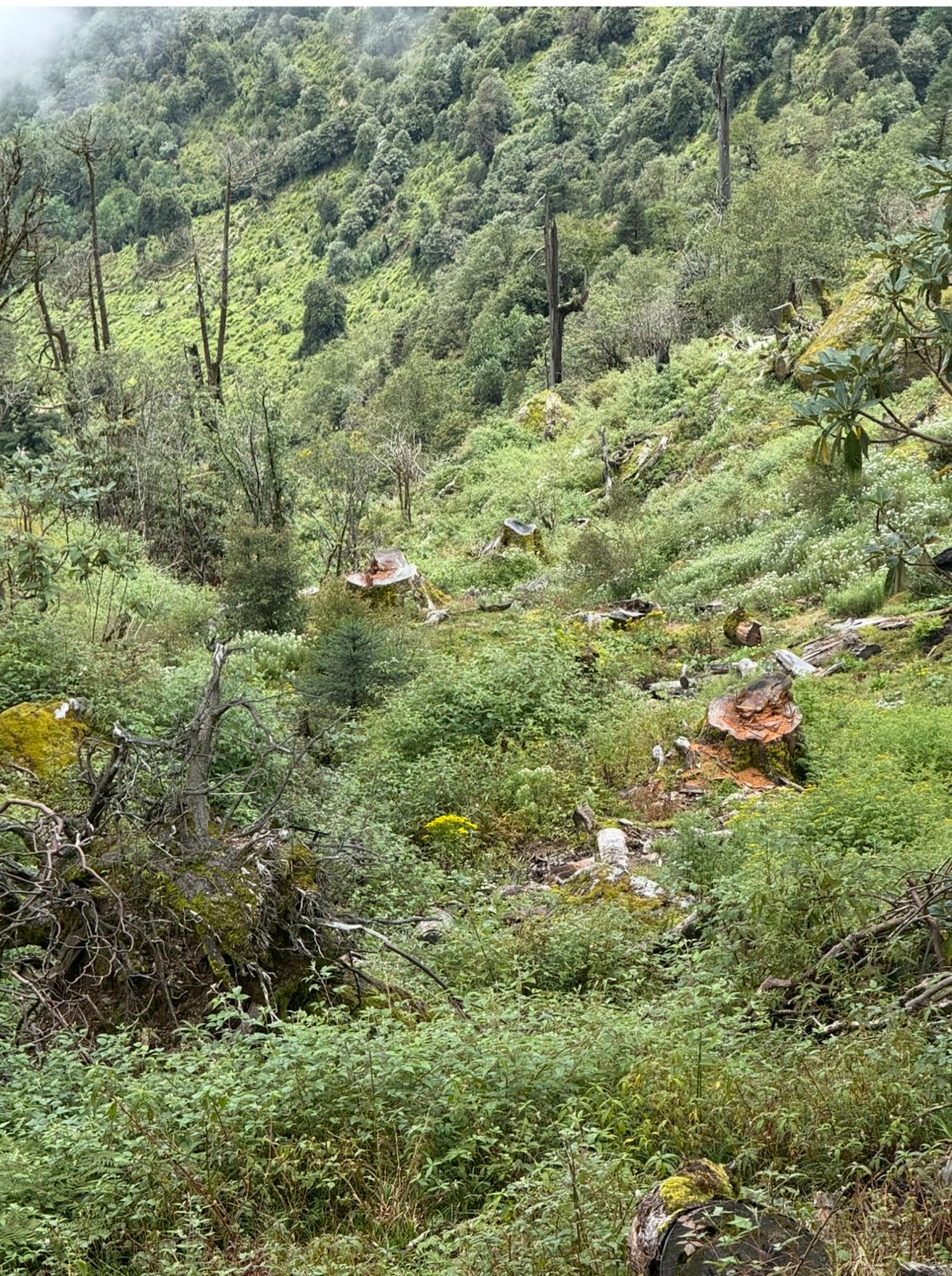
A pivotal moment in this unfolding crisis occurred on April 25, 2018. On this date, a resolution passed by the Phungling Municipality granted authorization to the company Pathivara Devi Darshan Cable Car Pvt. Ltd. to construct a cable car and ropeway system. This development was slated to occupy approximately five hectares of land at Mukumlung. In the months that followed, municipal actions were formally reported, and surveys were conducted, often under the enforcement of police presence, which, according to community accounts, sometimes involved violence. Crucially, these decisions were made without adequate consultation with the affected Limbu communities, and their Free, Prior, and Informed Consent (FPIC) was neither sought nor obtained. Instead, government authorities allegedly provided false documentation of consent that was never genuinely granted. By December 2018, the company had secured a substantial 30-year lease, paving the way for the clearing of over 10,000 trees, a significant ecological and spiritual blow to the site.
The IME Group, a prominent conglomerate with diversified interests in Nepal’s banking, energy, and infrastructure sectors, has also entered into agreements that further restrict the Limbu people’s access to their ancestral lands and sacred territories. These agreements effectively impede their ability to practice ancestral rituals and threaten the vital intergenerational transfer of knowledge and cultural practices that are fundamental to Limbu identity.
Environmental and Cultural Reverberations
The Limbu people play an indispensable role as custodians of local biodiversity. Their traditional lands are home to Nepal’s national flower, the rhododendron, and a multitude of other endemic species. Their stewardship is crucial for the conservation of endangered species such as the red panda and the snow leopard, whose habitats are increasingly threatened by deforestation and development. The Limbu hold a deeply spiritual belief that the construction activities and the resulting deforestation at Mukumlung will diminish the site’s spiritual potency, thereby fracturing the sacred relationship between the land and its people.
The proposed cable car project poses a significant risk to the surrounding ecosystem. While an Initial Environmental Examination (IEE) was reportedly completed, critics argue that it failed to adequately assess or mitigate the adverse environmental and cultural impacts. Despite governmental actions that have seemingly disregarded their rights and voices, the Limbu people have demonstrated remarkable resilience and determination in their efforts to restore harmony to their ancestral lands.
Senchhen Hangma Limbu: A New Generation of Activism
Embodying this spirit of perseverance is Senchhen Hangma Limbu, a young undergraduate law student at Tribhuvan University in Nepal. Her academic pursuits and advocacy work are dedicated to researching land and territorial rights and meticulously documenting human rights violations for various Non-Governmental Organizations (NGOs) and regional bodies across Asia. As an active member of the Limbu community, Senchhen has committed herself to raising critical awareness about the Mukumlung Protection Movement, standing in solidarity against the actions of the Ropeway Corporation.
Her impactful work has been significantly bolstered by participation in Cultural Survival’s Indigenous Youth Fellowship program. This program is designed to empower young Indigenous leaders by equipping them with essential skills for effective advocacy and driving positive change. Within this cohort, Senchhen received invaluable training, mentorship, and support, which enabled her to develop a vital project titled "Disseminating Information on Land Encroachment and Human Rights Violations Affecting Limbu Indigenous Peoples in Mukumlung (Phungling Municipality, Taplejung District, Nepal)."
Prior to this fellowship, Senchhen had already established collaborative relationships with esteemed organizations such as the Lawyers’ Association for Human Rights of Nepalese Indigenous Peoples (LAHURNIP), the Asia Indigenous Peoples Pact, and the National Human Rights Commission of Nepal. Through her dedicated research within her own community, she identified a critical disconnect: while human rights violations were occurring with alarming frequency, there was a discernible lack of widespread public awareness regarding their extent and severity.
The central objective of Senchhen’s project was to initiate a robust awareness campaign addressing the ongoing encroachment on Limbu territory. In a context where local authorities have been accused of falsifying reports and employing coercive tactics, she underscored the urgent necessity of equipping her community with credible, verifiable evidence. A cornerstone of her strategy involved the strategic dissemination of this crucial information through digital platforms, thereby fostering collective resistance and strengthening advocacy efforts.
Senchhen’s methodology involved extensive consultation with experienced mentors, community Elders, and Indigenous leaders to meticulously define documentation methods, identify key research questions, and plan fieldwork logistics. She conducted a comprehensive literature review, drawing from academic research, national and international legal frameworks, scholarly journal articles, and relevant jurisprudence. Subsequently, she gathered data through audiovisual documentation and direct testimonies from community members directly impacted by the conflict. To ensure cultural relevance and respect for local knowledge systems, Indigenous methodologies such as talking circles were integrated into the data collection process.
With the explicit consent of participants, testimonies were recorded and strategically shared across various digital platforms to initiate outreach. The subsequent phase involved a rigorous process of data analysis, interpretation, and validation, undertaken in close collaboration with community members. The findings were then disseminated through a variety of multimedia content, including interviews and digital storytelling initiatives, forming the bedrock of a broader advocacy campaign. This meticulously documented evidence now serves as a crucial foundation for potential legal actions, formal reporting, and sustained community organizing efforts.
Navigating Challenges and Pursuing Justice
The path of Senchhen and the Limbu community has been fraught with significant challenges. Senchhen has personally witnessed instances of violence perpetrated against her community members. The complexities of police surveillance, the unpredictable nature of monsoon weather, the threat of landslides, and the sheer difficulty of navigating challenging terrain all complicated access to affected areas. Furthermore, internal divisions and intimidation tactics within communities presented additional obstacles. Despite these formidable challenges, Senchhen and the resilient Limbu community have persevered in their struggle.
These persistent efforts have yielded tangible results. On August 26, 2025, LAHURNIP formally lodged a complaint with the Compliance Advisor Ombudsman (CAO) concerning the International Finance Corporation’s (IFC) involvement in IME Group’s cable car project. The complaint asserts that the project was imposed upon the Limbu people without their Free, Prior, and Informed Consent, thereby violating their fundamental rights as Indigenous Peoples. LAHURNIP also highlighted the alarming lack of comprehensive risk assessment, which has placed the environment, cultural heritage, and social fabric of the region in peril, disrupting biodiversity and encroaching upon sacred sites. Moreover, the complaint details a failure to disclose vital information to the Limbu community, which would have facilitated a more meaningful dialogue. As of April 3, 2026, the Ombudsman’s office is in the appraisal phase, meticulously verifying whether the project’s procedures adhered to regulatory requirements.
For Senchhen, this complaint represents a significant milestone but is by no means the end of the journey. While her initial fellowship project has concluded, the broader struggle for the protection of Mukumlung continues. She is now embarking on a second phase of her work, which includes developing a dedicated website designed to process, verify, and publish ongoing documentation related to the land encroachment and human rights violations. Through this arduous but vital undertaking, she has not only strengthened her personal relationships within her community but has also forged crucial networks essential for sustained, long-term advocacy.
The Limbu people have faced criticism and opposition regarding their stance against the cable car development project. However, they firmly maintain that their movement is not anti-national. Their struggle is fundamentally rooted in the imperative to protect life itself – ensuring the survival of their ancestral land, their unique culture, their cherished traditions, and their distinct language, all of which they have diligently sustained and passed down through generations. Their fight for Mukumlung is a testament to the enduring power of Indigenous resilience and the critical importance of respecting the rights and heritage of the world’s Indigenous Peoples in the face of development pressures.