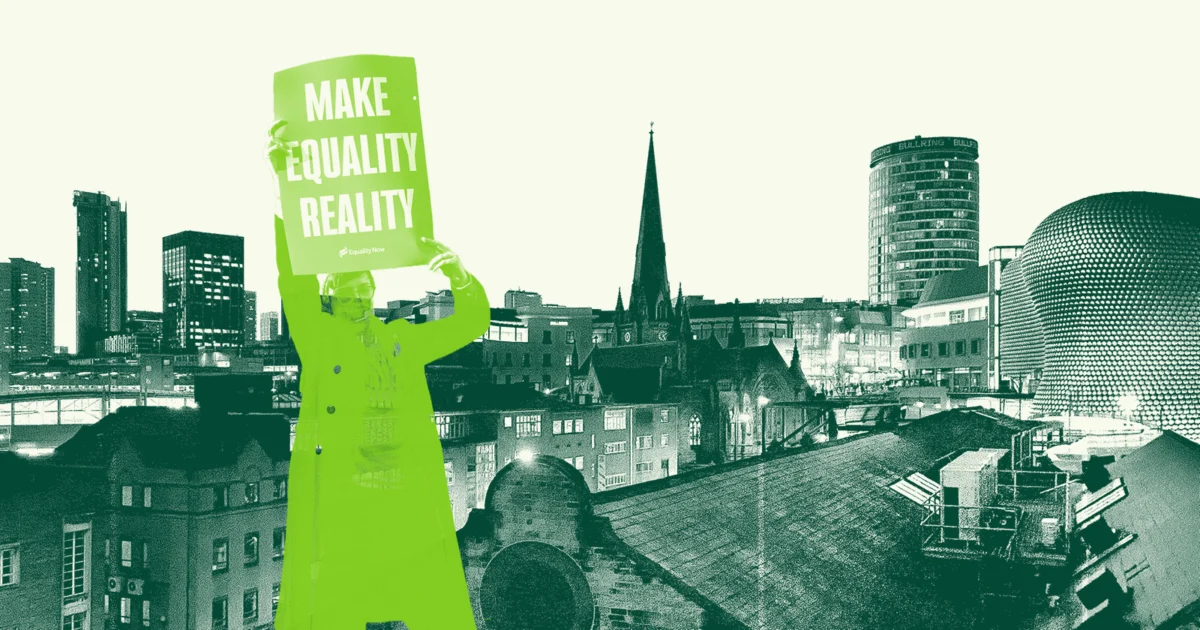
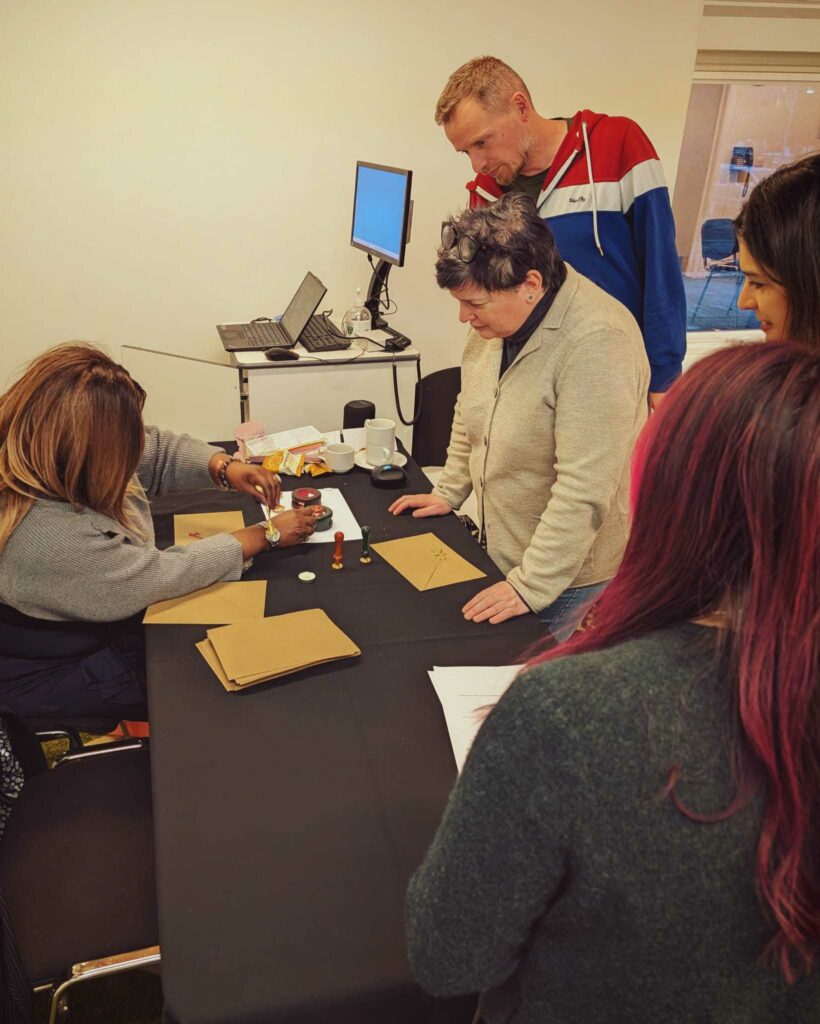
On January 29, 2026, the Midlands Arts Centre (MAC) in Birmingham served as the staging ground for a pivotal workshop and film screening aimed at addressing the widening chasm of socio-economic inequality in the United Kingdom’s second city. Organized by The Equality Trust and led by Senior Project Officer Charlie McNeill, the event brought together grassroots activists, academic researchers, and local residents to confront a pressing reality: the systematic erosion of access to arts, culture, and community spaces. Under the banner of "Re-imagining a Better Brum," the gathering utilized a documentary film produced by local Community Reporters to spark a city-wide dialogue on how financial barriers have fundamentally altered the social fabric of Birmingham.
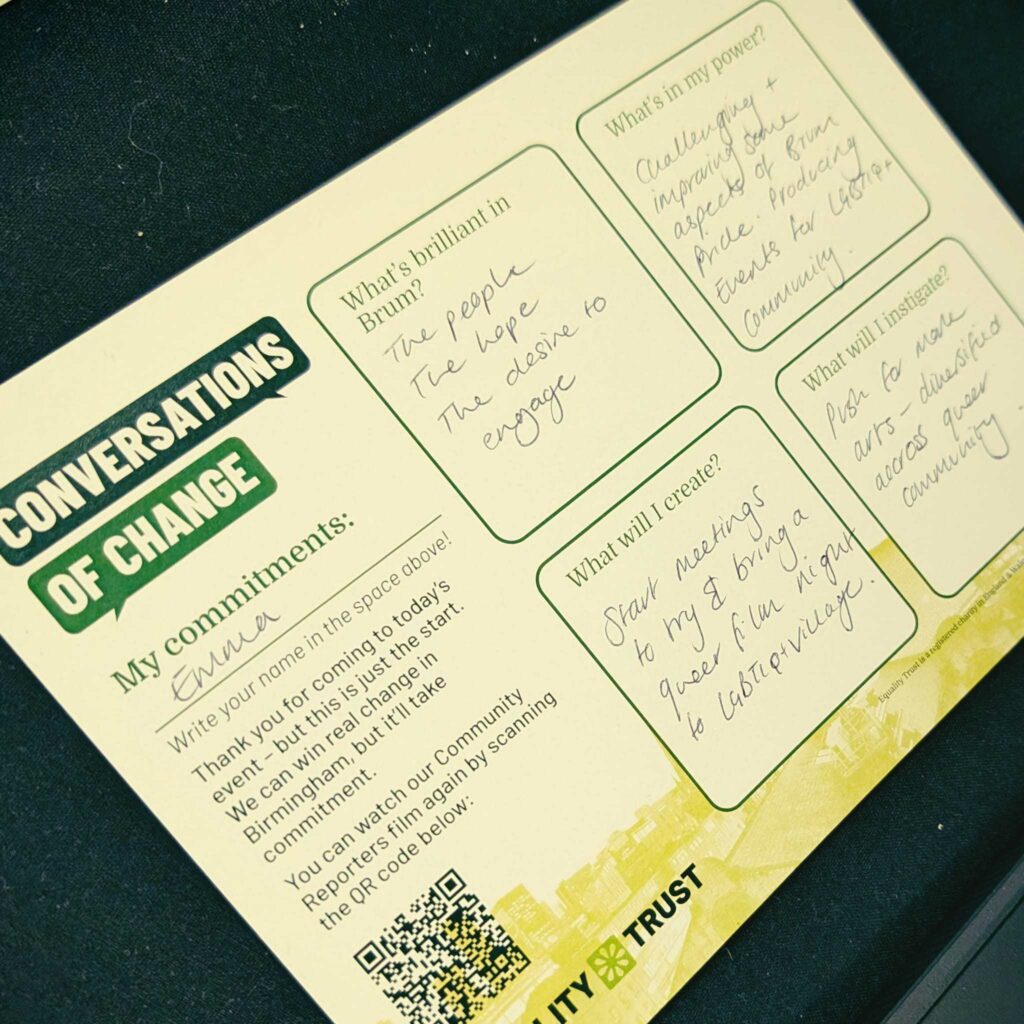
The initiative comes at a critical juncture for the city. As Birmingham continues to navigate the fallout of significant local government funding reductions and a persistent cost-of-living crisis, the "Conversations of Change" project seeks to highlight how the "broken system" of economic disparity manifests in the daily lives of residents. By focusing on leisure, recreation, and the arts, the project argues that these are not mere luxuries but essential components of community cohesion and individual well-being.

The Context of Cultural Austerity in Birmingham
The backdrop of the January 29 workshop is defined by a decade of fiscal tightening that has hit Birmingham particularly hard. In late 2023 and throughout 2024, Birmingham City Council faced unprecedented financial challenges, leading to a Section 114 notice—effectively declaring the council bankrupt. This resulted in a series of "draconian" budget cuts, including a 100 percent reduction in grants to several major cultural institutions over a two-year period.
The repercussions of these cuts have been felt across the city’s creative landscape. Small-scale arts venues, youth centers, and community hubs—often referred to as "third spaces"—have been forced to reduce hours or close entirely. For many residents, the cost-of-living crisis has exacerbated this physical loss of space with a financial barrier to entry. Data from the Office for National Statistics (ONS) has consistently shown that discretionary spending on cultural activities is the first to be sacrificed by households struggling with rising energy and food costs. In Birmingham, where some wards rank among the most deprived in the country, the impact is disproportionate.
During the workshop, participants highlighted that the loss of these spaces does more than just limit entertainment options; it erodes the "social glue" that binds diverse communities together. When festivals, music lessons, and sports programs become unaffordable, the city risks a future where cultural participation is a privilege reserved for the wealthy rather than a right for all citizens.
Community-Led Journalism: The Reporters’ Perspective
At the heart of the event was the premiere of a film created by three Community Reporters: Alev, Arash, and Jennifer. Trained by The Equality Trust, these reporters spent months gathering testimonies from across Birmingham, documenting the lived experiences of those marginalized by current economic trends. Their work moved beyond traditional journalism by adopting a "lived experience" framework, allowing storytellers to dictate the narrative of their own lives.
The film, titled Conversations of Change: Access to Arts, Culture, Entertainment, and Recreation in Birmingham, serves as a visual and auditory record of a city in transition. The reporters explored how socio-economic inequality acts as a gatekeeper, determining who gets to participate in the city’s vibrant cultural life and who is left on the periphery. The interviews revealed a recurring theme: a sense of "cultural exclusion" that mirrors the city’s economic divides.
Alev, one of the lead reporters, noted during the workshop that many of the people interviewed expressed a deep-seated nostalgia for a Birmingham that felt more accessible. The film captured stories of former youth club members who are now parents, lamenting the fact that their children do not have the same safe, free spaces to develop creative skills. Arash and Jennifer emphasized that the project was not just about documenting decline, but about capturing the resilience of Brummies who continue to find ways to create art despite the lack of formal support.
Expert Analysis: The Intersection of Policy and Practice
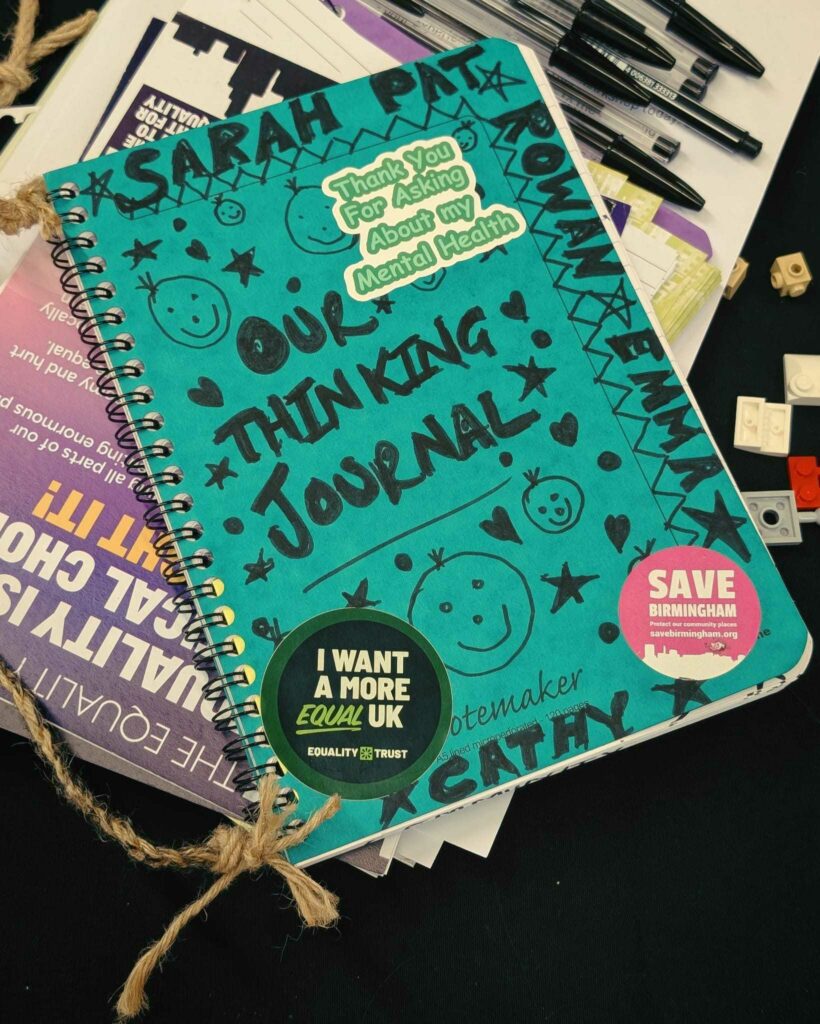
The workshop featured a panel of experts who provided a structural analysis of the issues presented in the film. Kathy Hopkin, representing the "Save Birmingham" campaign, spoke extensively about the importance of protecting community assets. Her organization has been at the forefront of identifying buildings and services—such as libraries and community halls—that are at risk of being sold off to balance municipal books. Hopkin argued that once these assets are lost to the private sector, they are rarely reclaimed for public use, leading to a permanent "hollowing out" of the city’s social infrastructure.
Dr. Pat Rozbicka, an Associate Professor at Aston University, brought an academic lens to the discussion, focusing on the night-time economy and the precarity of the arts sector. Her research suggests that the creative industries in Birmingham are a vital economic driver, yet the workers within these industries—musicians, technicians, and performers—are often the most vulnerable to economic shocks. Dr. Rozbicka pointed out that when funding for the arts is cut, it creates a "talent drain," as creative individuals are forced to move to London or abroad to find sustainable work, further impoverishing Birmingham’s cultural identity.
Ian Francis of the Flatpack Festival provided a practitioner’s perspective, discussing the logistical challenges of keeping festivals inclusive. He noted that while Birmingham has a world-class reputation for cinema and arts festivals, the rising costs of venue hire and insurance make it increasingly difficult to offer free or subsidized tickets. The consensus among the speakers was clear: without a radical shift in how the city values its cultural assets, the gap between the "culturally rich" and the "culturally poor" will continue to widen.
Data and Socio-Economic Indicators
The discussions at the Midlands Arts Centre were supported by sobering data regarding Birmingham’s economic landscape. According to the 2019 Index of Multiple Deprivation (IMD), Birmingham was ranked as the 7th most deprived local authority in England. Furthermore, child poverty rates in the city have remained significantly higher than the national average, with some estimates suggesting that over 40% of children in Birmingham live in relative poverty.
These statistics provide the necessary context for understanding why a "re-imagined" Birmingham is so desperately needed. When a family is struggling to afford basic necessities, a £15 museum entry fee or a £20 theater ticket is an insurmountable barrier. The Equality Trust argues that this is a violation of economic justice. The Barrow Cadbury Trust, which funded the project as part of its "Economic Justice Place-Based Programme," emphasizes that economic systems must be redesigned to serve the people, rather than forcing people to adapt to a failing system.
The Vision: A City Without Barriers
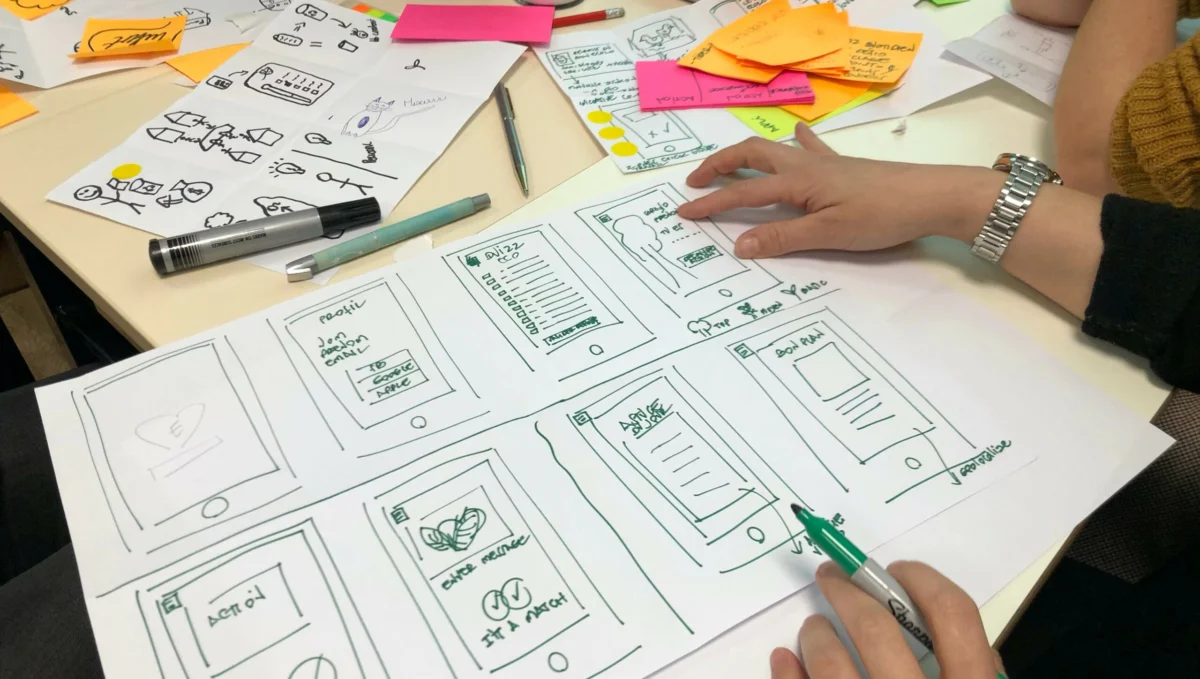
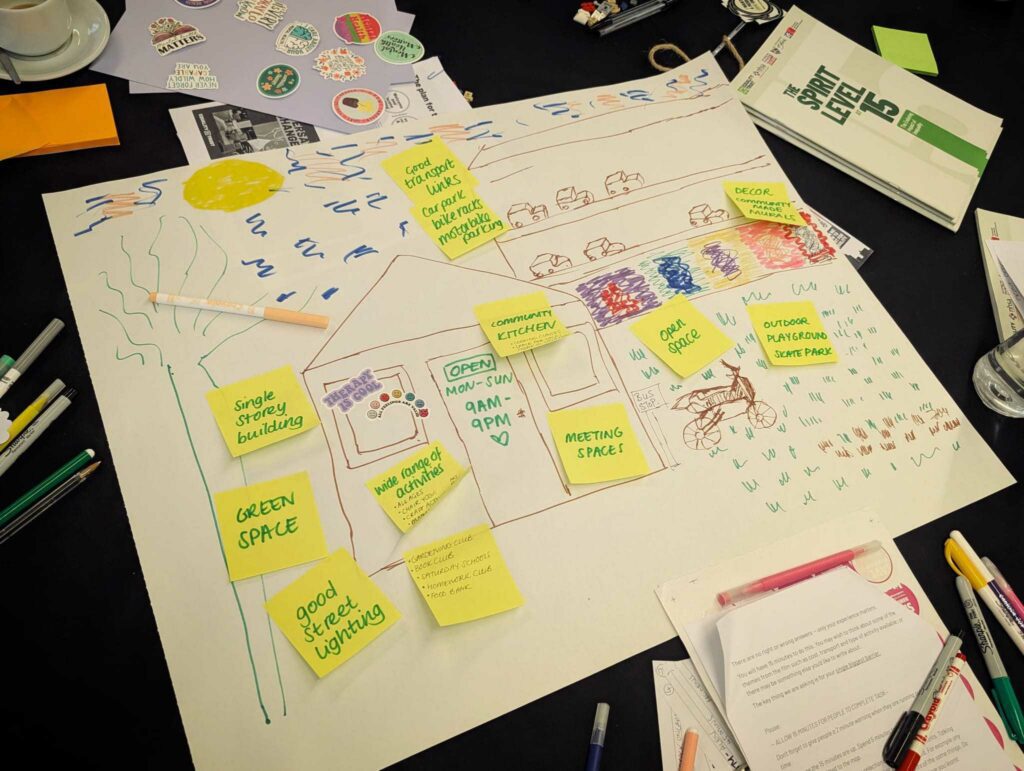
The final segment of the workshop invited attendees to participate in a visionary exercise: what would an equal Birmingham look like? The responses were both practical and ambitious. Suggestions included the implementation of a "Universal Basic Culture" model, where every resident is provided with a certain number of free credits to use at local venues. Others proposed the "de-privatization" of community spaces, turning vacant high-street shops into artist-run cooperatives.
The "Re-imagine Brum" workshop also touched on the role of transport. Many attendees noted that even when events are free, the cost and unreliability of public transport in Birmingham act as a secondary barrier. A vision for a better city, therefore, must include a fully integrated, affordable transit system that connects the outer suburbs—where poverty is often concentrated—to the cultural heart of the city center.
Broader Implications and Moving Forward
The findings from the workshop and the Conversations of Change film are expected to be compiled into a report aimed at local policymakers and national advocacy groups. The Equality Trust intends to use this work to lobby for the "Socio-Economic Duty" of the Equality Act 2010 to be fully implemented and enforced. This duty would require public bodies to consider how their decisions—such as budget cuts—impact those living in socio-economic disadvantage.
As Birmingham moves toward the late 2020s, the "Conversations of Change" project serves as a reminder that the city’s greatest asset is its people and their collective creativity. The event at the Midlands Arts Centre was more than a film screening; it was an assertion that culture is a public good, not a commodity.
The project concludes with a call to action for residents to remain engaged in the civic process. By supporting organizations like Save Birmingham and participating in community reporting, citizens can hold authorities accountable for the preservation of the city’s heritage and its future. The Equality Trust and its partners have signaled that January 29 was only the beginning of a sustained campaign to ensure that "Brum" remains a city where everyone, regardless of their bank balance, has a seat at the table and a voice in the choir.