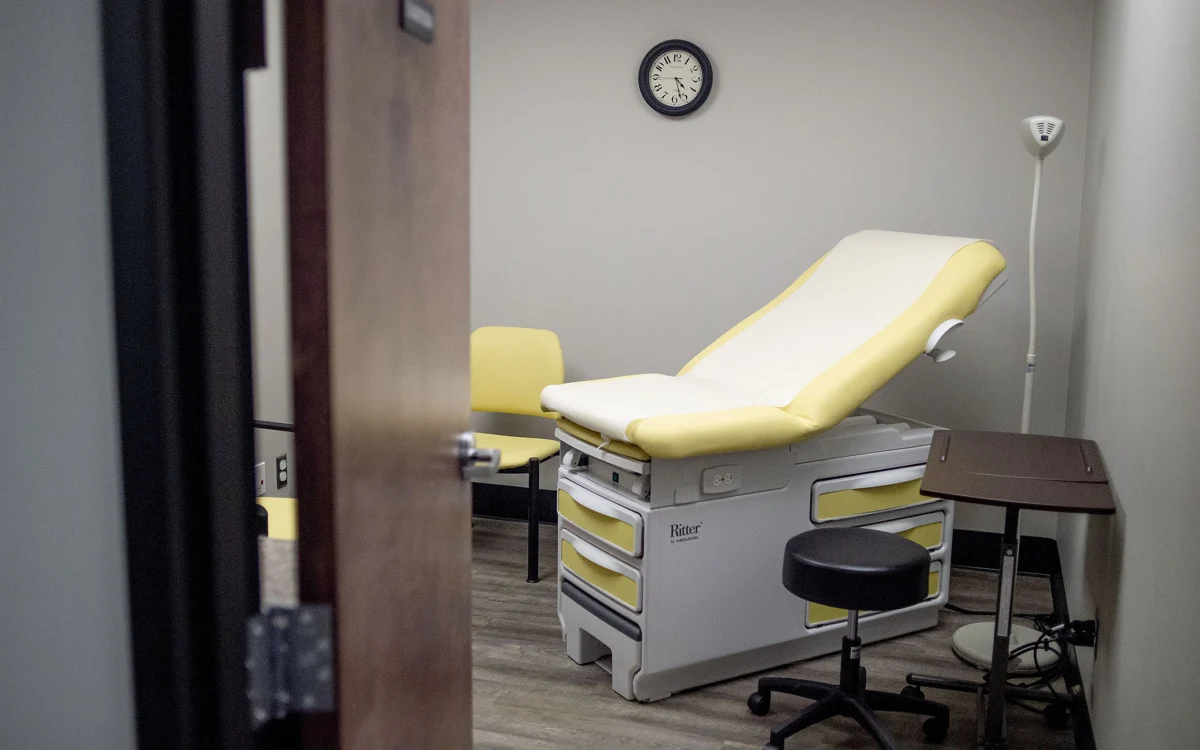
New federal regulations designed to significantly enhance disability access within the healthcare sector are poised to take effect this month, yet recent administrative actions and ongoing challenges in provider preparedness suggest that federal officials may be considering a delay in their implementation. The updated rules, stemming from the U.S. Department of Health and Human Services (HHS) in 2024, aim to bolster protections against disability discrimination in healthcare by refining Section 504 of the Rehabilitation Act. These sweeping changes are intended to ensure individuals with disabilities are not denied medical treatment due to biases or stereotypes, and establish clear standards for accessible medical diagnostic equipment, among other crucial provisions.
The most immediate aspect of the regulation scheduled for implementation involves stringent requirements for healthcare providers to ensure their websites and mobile applications are accessible to people with disabilities. These standards are designed to apply to a broad spectrum of digital content, including new web pages, mobile applications, and medical kiosks, utilized by hospitals, physician offices, and social service agencies that receive funding from HHS.
Deepening the Commitment to Digital Inclusion in Healthcare
The impetus behind these new digital accessibility mandates, as articulated by HHS in a fact sheet accompanying the regulation, is the widespread issue of inaccessible digital platforms. The department highlighted that numerous healthcare entities offer critical services through websites and mobile applications that present significant barriers to individuals with disabilities, thereby impeding their participation in federally funded programs. Common examples of such barriers include complex visual elements like pictures and maps that are indecipherable to users of screen readers, and videos lacking essential captioning for individuals with hearing impairments. HHS stated that these accessibility requirements are crucial for ensuring equitable access to a recipient’s programs and activities.
The regulation outlines a phased approach to compliance. Large healthcare providers, defined as those employing 15 or more individuals, are expected to meet the new web accessibility standards by May 11, 2024. Smaller entities have been granted an additional year to achieve full compliance, acknowledging the varying resource capacities across the healthcare landscape.
The Accessibility Gap: A Stark Reality for Healthcare Websites
Despite the impending deadlines, a significant question looms: how prepared are healthcare providers to meet these elevated expectations? A recent comprehensive review conducted by accessiBe, a firm specializing in web accessibility software, offers a sobering perspective. The study examined 300 healthcare websites that fall under the purview of the new Section 504 rule and revealed that a substantial 84.3% exhibited "measurable accessibility gaps." This finding suggests a considerable disparity between the regulatory requirements and the current state of digital accessibility in the healthcare industry, potentially setting the stage for widespread non-compliance if immediate action is not taken.
Precedents for Delay: A Pattern of Stretched Timelines
The potential for a delay in the implementation of these critical healthcare accessibility rules is further underscored by recent actions from other federal agencies. In April, the Department of Justice (DOJ) announced a delay in the implementation of a similar rule pertaining to online accessibility for state and local government entities. This regulation, established under the Americans with Disabilities Act (ADA), mandates that online offerings from these governmental bodies meet specific accessibility standards. The DOJ’s decision to postpone the deadline, which was mere days before its scheduled enforcement, has created a precedent that signals a willingness within the federal government to extend timelines when faced with implementation challenges or concerns.
HHS Engages White House on Potential Rule Adjustments
Adding to the uncertainty, HHS submitted an interim final rule concerning the Section 504 accessibility regulations to the White House Office of Management and Budget (OMB) last month. While the specific details of this filing are not publicly disclosed, sources familiar with the process have indicated that it mirrors the extension granted by the DOJ for its Title II regulations on web accessibility.
Alison Barkoff, a distinguished professor of health law and policy at George Washington University and former head of HHS’s Administration for Community Living under the Biden administration, expressed significant concern over this development. "The delay of these website accessibility standards under both the Section 504 and DOJ regulations is very concerning, particularly with the significant role that digital technology plays in so many aspects of life," Barkoff stated. Her remarks highlight the critical nature of digital access in modern society, especially for essential services like healthcare.
Broader Implications and the Path Forward
The potential delay raises critical questions about the commitment to ensuring equitable access to healthcare information and services for individuals with disabilities. The Section 504 regulation, in its entirety, is a landmark effort to dismantle systemic barriers. Beyond digital accessibility, it addresses crucial areas such as the availability of accessible medical diagnostic equipment, non-discriminatory treatment protocols, and comprehensive training for healthcare professionals on disability awareness and appropriate care. The 2024 rule also explicitly prohibits healthcare providers from denying services or treatments based on biases or stereotypes related to disability.
The delays in implementing digital accessibility components, even if temporary, could prolong the period during which millions of Americans with disabilities struggle to navigate healthcare systems online. This can manifest in missed appointments, difficulty accessing vital health information, and a general sense of exclusion from essential services. The push for accessible digital platforms is not merely a compliance issue; it is a fundamental aspect of health equity. As healthcare increasingly migrates online, ensuring these platforms are usable by everyone, regardless of disability, is paramount.
The timeline of events leading to this point can be traced back to the initial publication of the updated Section 504 regulations in 2024. Following this, a six-month period was designated for implementation, with specific deadlines for digital components beginning in May 2024. However, the subsequent submission of an interim final rule to OMB, coupled with the DOJ’s recent delay, indicates a potential shift in the enforcement schedule.
Key Chronology of Events:
- 2024: U.S. Department of Health and Human Services (HHS) issues a new regulation updating Section 504 of the Rehabilitation Act, enhancing disability access in healthcare.
- May 2024: Provisions mandating website and mobile application accessibility for healthcare providers are scheduled to take effect. Large providers (15+ employees) are expected to be compliant by May 11, 2024.
- April 2024: The Department of Justice (DOJ) delays the implementation of a similar web accessibility rule for state and local governments under the ADA.
- May 2024 (approx.): HHS submits an interim final rule regarding the Section 504 web accessibility provisions to the White House Office of Management and Budget (OMB), signaling potential adjustments to the implementation timeline.
The impact of these potential delays extends beyond mere inconvenience. It raises concerns about the pace at which essential civil rights protections are being integrated into the healthcare system. Advocates for disability rights have consistently stressed the urgency of these measures, citing numerous instances where inaccessible technology has created life-threatening barriers to care. The current situation highlights a tension between the stated commitment to disability inclusion and the practical challenges of achieving widespread compliance, particularly when coupled with broader administrative shifts in regulatory enforcement.
The coming weeks will be crucial in determining the final implementation schedule for these vital healthcare accessibility rules. The outcome will have significant implications for how individuals with disabilities can expect to interact with and receive care from the U.S. healthcare system in the digital age.