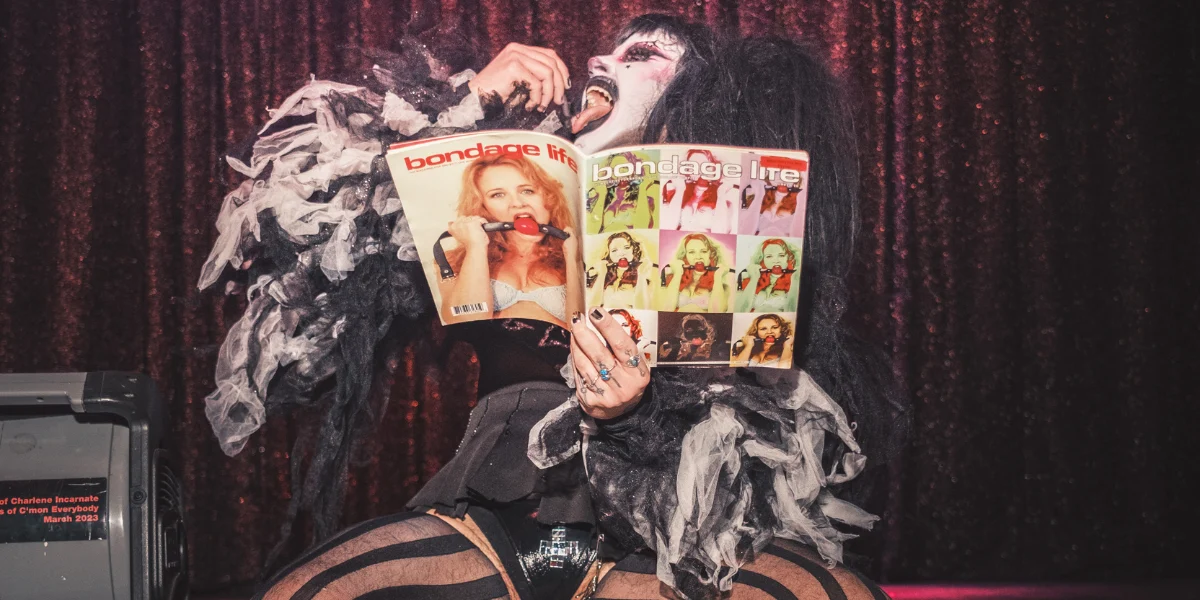
In the dimly lit back room of a prominent gay bar in the Bedford-Stuyvesant neighborhood of Brooklyn, a performer known as Lollygag stands under a single spotlight. Sporting a shock of yellow hair styled into a mullet and a voluminous jumpsuit reminiscent of a fast-food mascot, the artist commands a silence that contrasts sharply with the high-energy drag king performances that preceded the set. The act, which involves the rhythmic consumption of lollipops and a choreographed sequence with a cannabis joint, represents a burgeoning subculture in the New York City performance art scene: the rise of the "transjester."
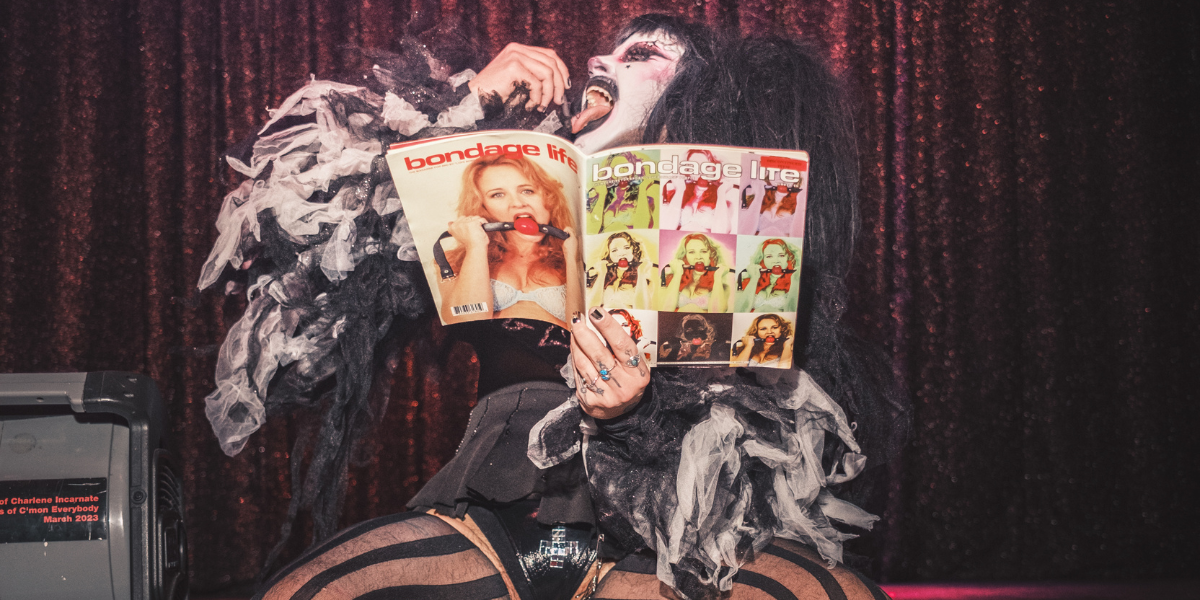
This movement, often referred to as the "underground clown renaissance," has found a foothold in queer-centric venues such as C’Mon Everybody, Rubulad, and 3 Dollar Bill. These spaces, historically hubs for drag and burlesque, are increasingly hosting a new breed of performers who utilize the aesthetics of the clown—traditionally a figure of childhood innocence or horror—to explore complex themes of gender identity, sexual subversion, and social critique.
The Evolution of the Street Clown: From Circus to Counterculture
The contemporary queer clown, or "street clown," differs significantly from the traditional American circus clown popularized in the 20th century. While the latter often relied on rigid archetypes like the "Auguste" or the "Whiteface," today’s performers prioritize a DIY, punk-infused aesthetic. This shift is characterized by mismatched colors, thrifted garments, and a rejection of the pristine "white-face-red-nose" requirement.
Performers like Lottie, a circus artist currently studying at the prestigious Ecole Philippe Gaulier in France, illustrate the professionalization and global reach of this niche. Lottie’s journey began in the world of corporate family entertainment as "Silly Lottie," but has since evolved into a practice that embraces the "transgressive" potential of the medium. According to industry observers, the transition from birthday party entertainment to avant-garde nightlife is driven by a desire to reclaim the clown as a figure of radical vulnerability.
The pandemic served as a significant catalyst for this movement. During the lockdowns of 2020 and 2021, clown-inspired makeup looks gained traction on social media platforms like TikTok, creating a digital bridge between amateur makeup enthusiasts and seasoned stage performers. For Miles, the artist behind Lollygag, this period allowed for an experimentation with "messiness" that broke through traditional beauty standards prevalent in both mainstream society and established drag circuits.

Clowning as a Tool for Gender Euphoria and Subversion
A central tenet of the NYC queer clown scene is the intersection of the clown archetype with transgender and non-binary identities. For many performers, the "mask" of the clown provides a unique avenue for gender euphoria. Unlike traditional drag, which often parodies or heightens specific binary gender traits, clowning allows for a complete departure from the human binary altogether.
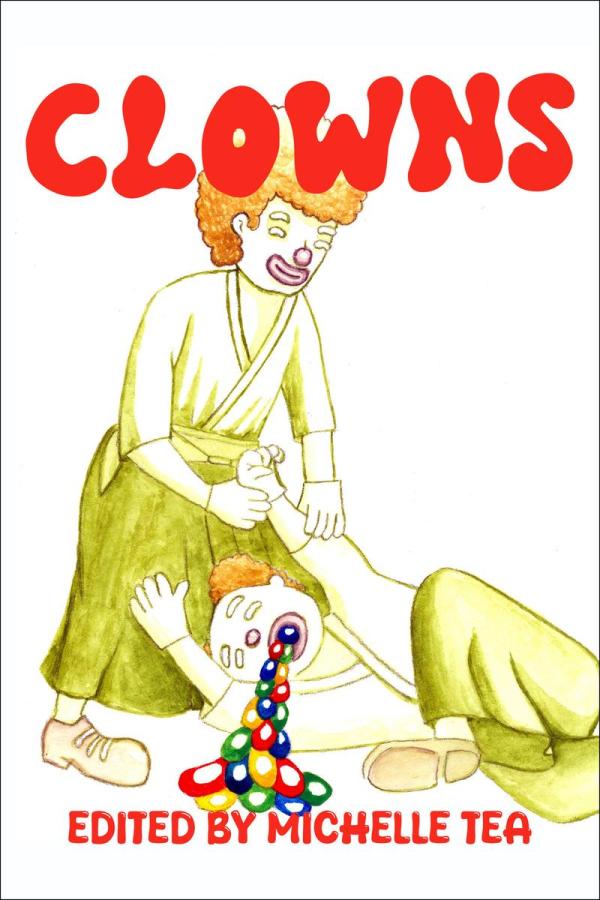
Miles, who identifies as a trans man, notes that the clown persona offers a sense of confidence and attractiveness that is distinct from his daily life or traditional drag performances. This sentiment is echoed by Michelle Tea, a prominent author and publisher at Dopamine Books. Tea, who recently released a clown-themed anthology, argues that the intrinsic "sloppiness" and relational nature of clowning stand in direct opposition to the controlled, self-protective mechanisms of traditional masculinity.
In this context, the clown becomes a "faggy" figure—a term reclaimed by the community to describe the clown’s rejection of rigid social hierarchies. By embracing the absurd, these performers suggest that gender normativity itself is a form of performance—a "clownishness" that fails to recognize its own artifice.

The Literary and Intellectual Context of the Underground Renaissance
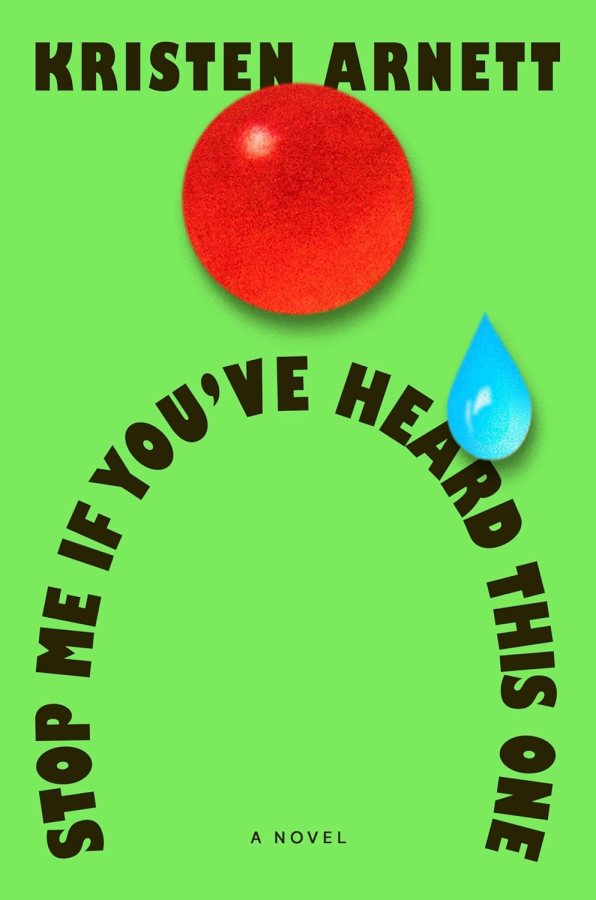
The proliferation of queer clowning is not limited to the stage; it has also permeated contemporary literature and intellectual discourse. Kristen Arnett’s 2025 novel, Stop Me If You’ve Heard This One, explores the life of a lesbian rodeo clown in Central Florida. The protagonist, Cherry, uses her alter-ego, Bunko, to navigate the hostile political landscape of her home state. Arnett’s work highlights the "steeliness" required for clowning, drawing parallels between the resilience of the performer and the lived experience of queer individuals moving through a society that may be inherently hostile to their existence.
Furthermore, the movement draws heavily from historical theatrical traditions. The "Fool" archetype, rooted in the Italian commedia dell’arte, serves as a historical predecessor to the modern transjester. In these traditions, the Fool was often the only character permitted to speak truth to power, using slapstick and blunders to reveal societal hypocrisy.
Modern queer clowns also invoke the philosophy of the Absurd, a concept famously explored by Albert Camus. The tension between the human search for meaning and the silent, chaotic universe is mirrored in the clown’s performance of failure. As noted in the Clowns anthology by poet Jennifer Hasegawa, the "red nose of nada" represents a clearing of societal expectations, leaving behind a space "flush with potential."

Economic Realities and the "Trinket Economy"
Despite the philosophical and artistic depth of the movement, many queer clowns navigate a precarious economic landscape. To sustain their art, performers often diversify their skill sets. Miles, for instance, incorporates a tattoo machine into his act, offering "ignorant style" tattoos—small, intentionally amateurish linework pieces—at events. This "permanent doodling" reflects the broader DIY ethos of the community, where the "dilemma" of a shaky hand is transformed into a deliberate aesthetic choice.
Collaborations between performance troupes also foster a unique micro-economy. Groups like Clown Cult have partnered with Frick Frack Blackjack, a "wacky-West" gambling troupe that operates on a "lawless economy of trinket gambling." In these spaces, participants trade small objects and curiosities rather than traditional currency, reinforcing the subculture’s rejection of mainstream capitalist structures.
However, some performers continue to bridge the gap between high-concept nightlife and traditional gig work. Lottie still performs at children’s birthday parties but does so on her own terms, incorporating her "street clown" aesthetic of pom-poms and mismatched eyeshadow. This dual existence highlights the versatility of the clown as a professional tool.
Political Implications and Social Resistance
The queer clown movement has also demonstrated a capacity for direct political action. In line with European traditions where clowns have been utilized in protests against conservatism, New York’s performers have engaged in local advocacy. In September, a group of femme, harlequin-style clowns staged an intervention at Rubulad in support of the "Save Coney Island" campaign, protesting the proposed construction of a casino in the historic neighborhood.
By occupying public and semi-public spaces in full regalia, these performers force a confrontation with the "gaze" of the observer. Michelle Tea describes this interaction as a "dare" or a "challenge" for the audience to match the performer’s vulnerability. When a clown like Lollygag incorporates a "disco stick" or a rubber chicken into a routine set to pop music, the performance transcends mere entertainment; it becomes a material manifestation of queerness that is impossible to ignore or assimilate into heteronormative standards.
Conclusion: The Broader Impact of the Transjester
The rise of the queer clown in New York City signifies a broader shift in how subcultures utilize performance to process modern anxieties. By blending the grotesque with the humorous, and the vulnerable with the absurd, the "transjester" movement offers a new framework for understanding identity in the 21st century.
As these performers continue to proliferate across the city’s nightlife and literary scenes, they challenge the boundaries of what is considered "sexy," "serious," or "appropriate." The "underground clown renaissance" suggests that in a world increasingly defined by rigid digital personas and political polarization, the most radical act one can perform is to put on a red nose, embrace the mess, and become the fool.
Through the lens of the clown, the queer community is not only finding a way to survive a hostile world but is also building a new one—one that is colorful, unhinged, and unapologetically its own. The "beautiful red nose of nada" is no longer a symbol of nothingness, but a beacon of total, unscripted possibility.