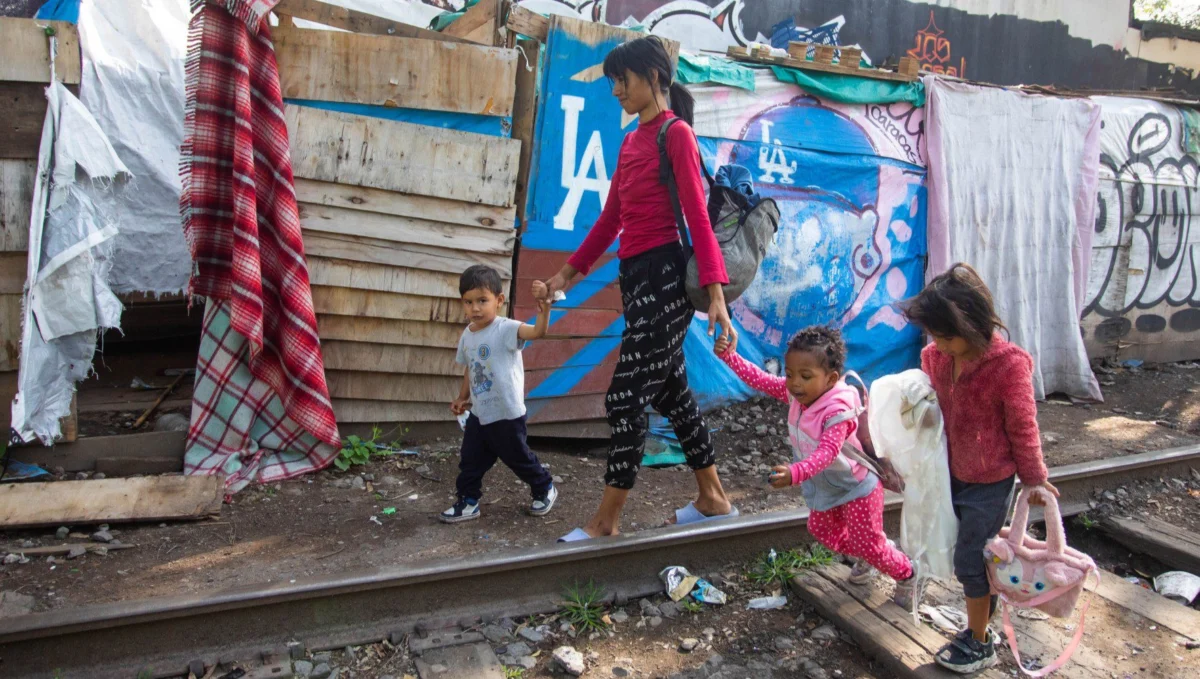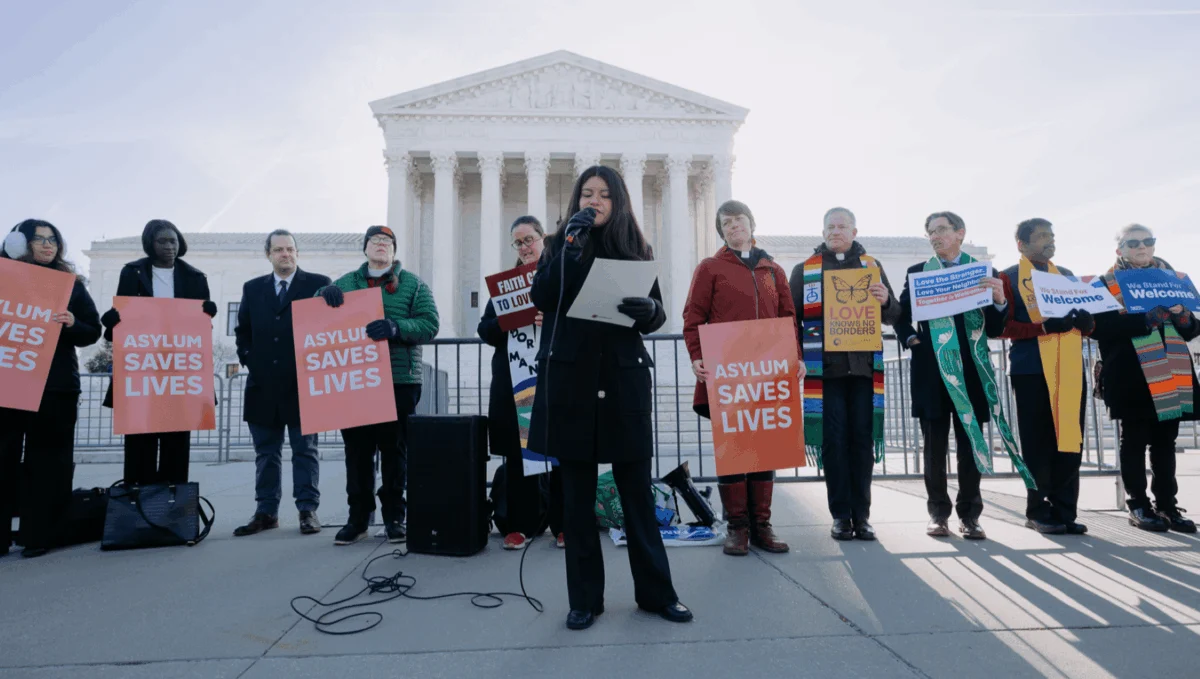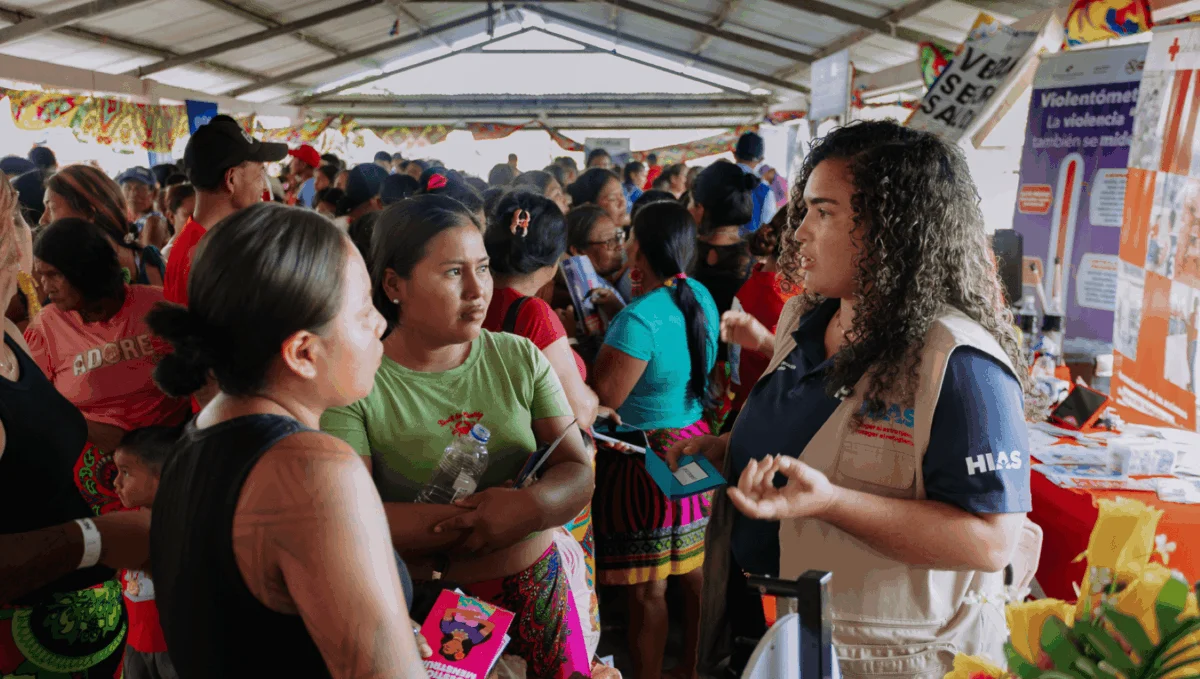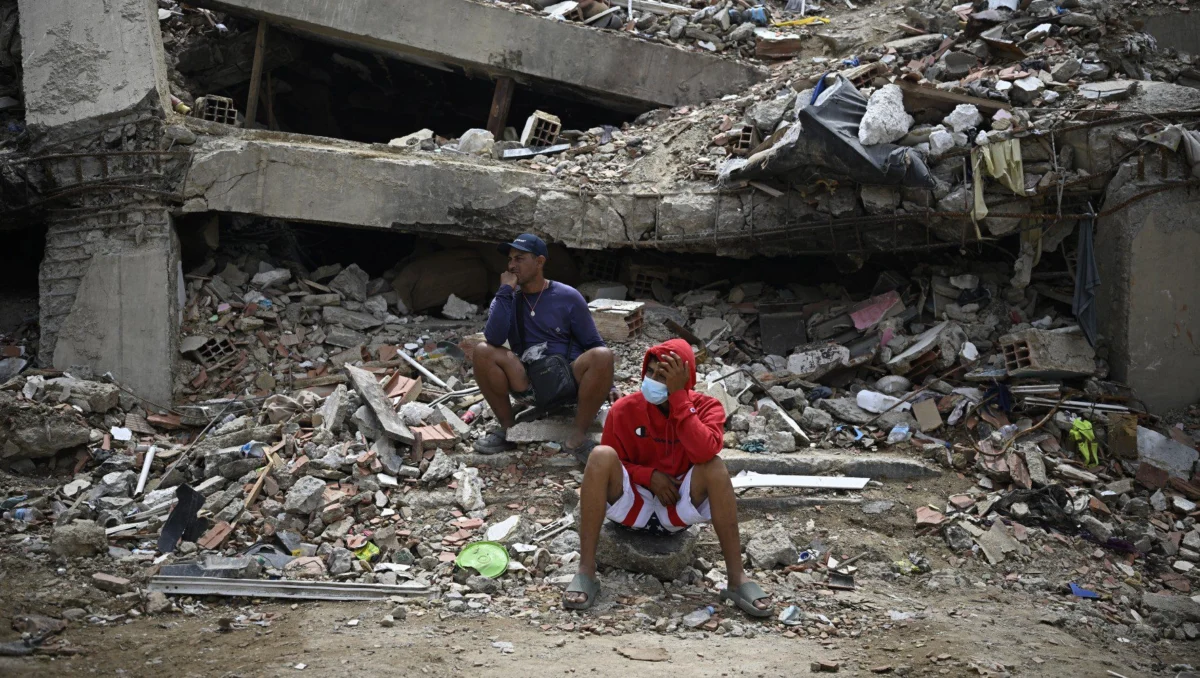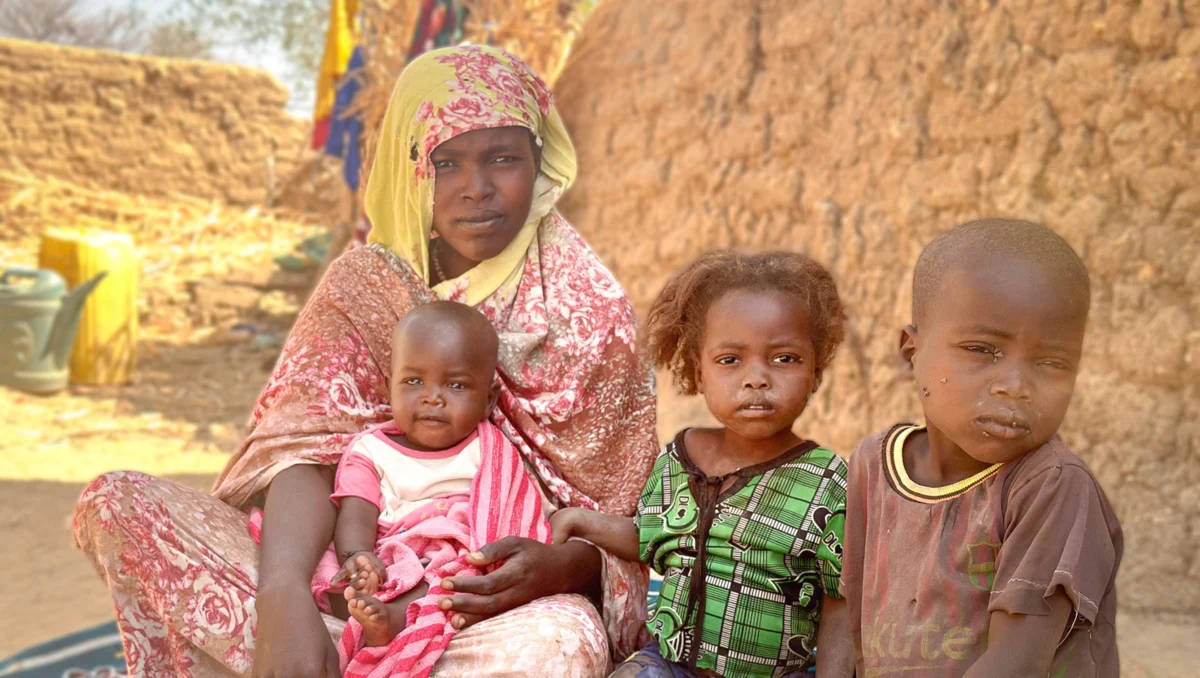
Rising xenophobia across the globe is fueling increasingly violent attacks against refugees, asylum seekers, and immigrants, with South Africa currently at the epicenter of a severe humanitarian crisis. In recent weeks, escalating violence orchestrated by vigilante groups has forced vulnerable communities to seek refuge within their homes or undertake perilous flights for safety. The situation has reached a critical point, with international organizations and local aid groups scrambling to provide essential assistance amidst a climate of fear and desperation.
Escalating Attacks and the Shadow of Operation Dudula
The current wave of xenophobic violence is largely attributed to the activities of vigilante groups, most notably Operation Dudula and March and March. These organizations, primarily active in the KwaZulu-Natal province where HIAS South Africa is headquartered, have issued a stark ultimatum: a June 30 deadline for all perceived "illegal immigrants" to depart the country. The looming deadline has amplified anxieties, with fears of widespread violence and further displacement once it passes.
Gaby, a refugee community leader who has witnessed and experienced numerous instances of xenophobic violence, described the current atmosphere as unprecedentedly terrifying. "I have witnessed and experienced many incidences of xenophobic violence, but I have never felt this scared and traumatized," Gaby stated. "My wife and children are terribly terrified, even though they are South African citizens of foreign origin." This sentiment underscores the pervasive fear gripping these communities, where even documented individuals are being targeted and dehumanized.
"The scariest thing is that most members of our communities are documented," Gaby elaborated. "They are either naturalized, permanent residents, refugees, or asylum seekers, but they have been attacked more than once, called illegal immigrants and told to go back to their home countries." This highlights a critical disconnect between the rhetoric of the vigilante groups and the legal status of many of those they target, suggesting a broader societal issue of prejudice and scapegoating.
HIAS South Africa and the Jewish Community Respond to Urgent Needs
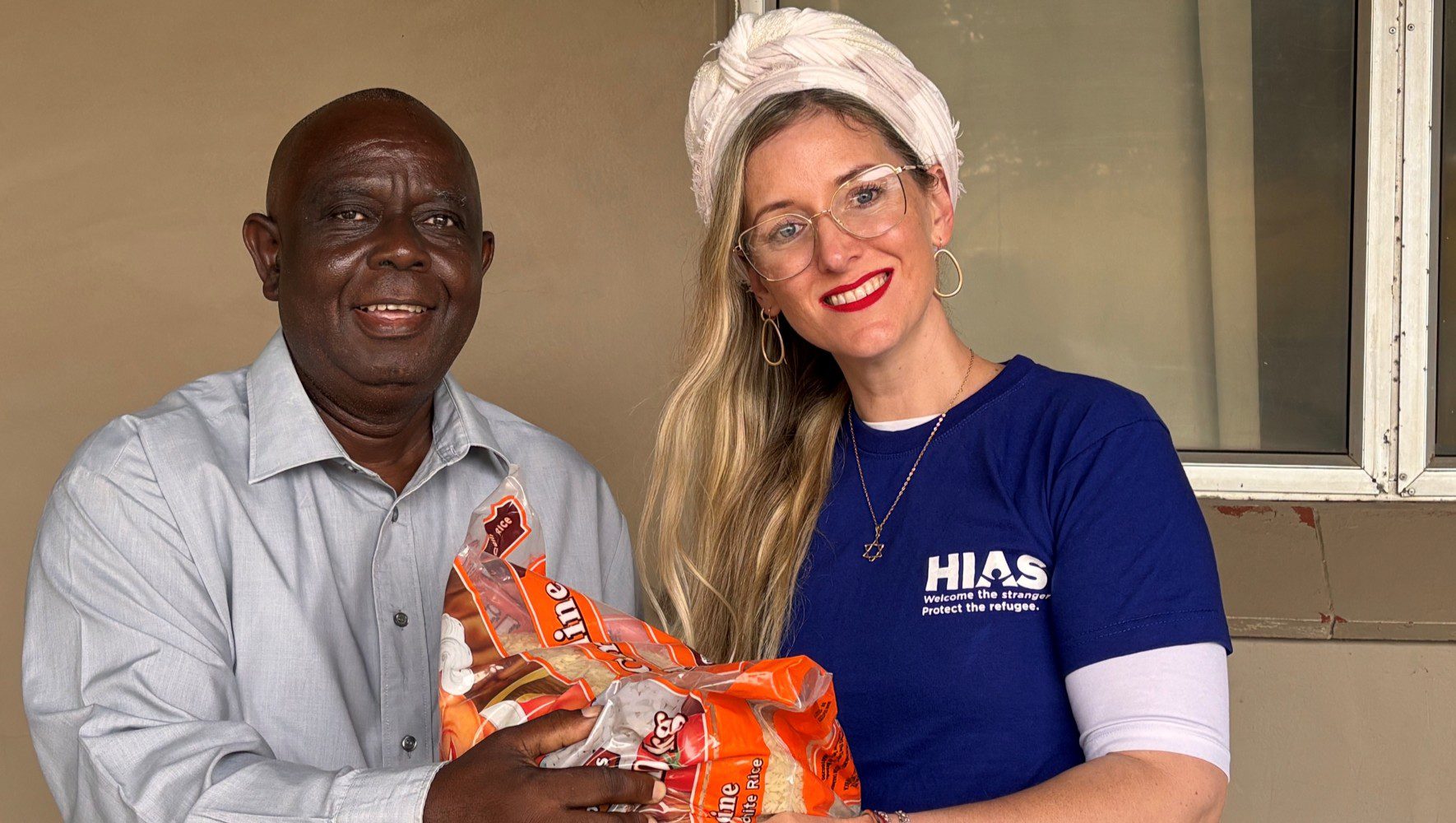
In direct response to the escalating crisis, HIAS South Africa, in collaboration with the local Jewish community, has launched an emergency fundraising campaign. The initiative aims to provide vital food relief to refugee families who are unable to venture out to procure groceries or earn an income due to the pervasive danger.
The campaign has garnered significant support from the KwaZulu-Natal South African Jewish Board of Deputies (SAJBD), which has partnered with HIAS South Africa to facilitate the delivery of much-needed food parcels. This collaborative effort underscores the deep-seated humanitarian values that drive these organizations.
"After being chased from working places, most of the refugee community depends on assistance at the moment," shared Eric, another refugee community leader. "The food parcels received from HIAS came as a big relief. And people still need more." The immediate impact of this aid is palpable, offering a lifeline to families struggling to survive amidst the violence and economic disruption.
A Troubling History: The Recurring Scourge of Xenophobia
Xenophobic violence is not a new phenomenon in South Africa. The country has a grim history of recurring attacks on immigrant communities, with incidents dating back over two decades. These outbreaks, often occurring every few years, have been deadly and have led to the displacement of thousands of refugees and immigrants.
A Chronology of Violence:
- 2008: At least 62 people were killed during a widespread outbreak of xenophobic violence.
- 2015: Seven people lost their lives amidst renewed tensions and attacks.
- 2019: Twelve individuals were killed in further waves of xenophobic violence.
The current surge in violence has prompted some African nations to take drastic measures to protect their citizens. Countries such as Malawi, Ghana, and Nigeria have begun repatriating thousands of their nationals from South Africa due to the escalating safety concerns. This international response highlights the gravity of the situation and the perceived inability of South Africa to guarantee the safety of foreign nationals.
The Weaponization of Social Media and Political Scapegoating
Alana Pugh-Jones Baranov, HIAS South Africa’s Country Director, points to a disturbing trend in the current wave of xenophobia. "Sadly, foreign nationals are often scapegoated for government failures in our country, and we often see the flames of anti-immigrant sentiment fanned by politicians in the lead up to elections," she stated. This suggests that political opportunism plays a significant role in exacerbating existing social tensions.
Pugh-Jones Baranov further elaborated on the evolution of these attacks: "Since early 2025, we began to witness a new systematic, escalating campaign of intimidation against refugees, asylum seekers, and migrants alike, with no distinction between those who are documented and undocumented. What distinguishes this wave from previous outbreaks is the weaponization of social media to manufacture fear, spread disinformation and division, and rapidly coordinate violence at scale."
The deliberate use of social media platforms to incite hatred, spread misinformation, and organize mob violence represents a dangerous escalation. This digital amplification of xenophobia allows for rapid mobilization and a far wider reach, making it more challenging to contain and counter.
Socioeconomic Devastation and the Erosion of Livelihoods
The pervasive xenophobia has had devastating socioeconomic consequences for refugees and immigrants in South Africa. Beyond the immediate threat of physical violence, these communities face systematic denial of access to essential services, including healthcare, education, and employment. This deliberate exclusion renders life nearly impossible for many, pushing them further into poverty and desperation.
Eric, who lost his job as a court interpreter, shared his personal experience: "I was fired because I acted as a spokesperson for refugees who went to seek protection from the police after being attacked several times with no police intervention." His dismissal illustrates how speaking out against injustice can lead to professional repercussions, further silencing vulnerable voices.
The personal toll extends to his family. Eric’s wife was attacked on the street while at work in April. The loss of their combined income has left them entirely dependent on humanitarian assistance. "Most of the members of my community were working as barbers and hairdressers," Eric explained. "As of now, no one is allowed to work and many families are affected. They are not able to provide for their families." This economic paralysis, driven by fear and exclusion, creates a vicious cycle of hardship.
A Moral Imperative: The Jewish Values of Justice and Repairing the World
HIAS South Africa’s unwavering commitment to supporting refugees and displaced people is deeply rooted in its Jewish values of Tzedek (justice) and Tikkun Olam (repairing the world). Alana Pugh-Jones Baranov articulated this profound connection: "The work of HIAS South Africa is motivated by our Jewish values of Tzedek, justice, and Tikkun Olam or repairing the world. The Torah commands us to love and protect the stranger thirty-six times – more than any other commandment. Not because it is easy. But because we, as a Jewish organization, know what it is to be the stranger. This is not ancient history for us; it’s the stories of our great-grandparents seeking safety and refuge from persecution."
This historical empathy and the deeply ingrained ethical principles of Judaism serve as a powerful motivator for action. The organization recognizes the shared humanity of refugees and understands the profound vulnerability of those seeking safety and belonging.
The Stakes for South Africa’s Social Fabric
The ongoing xenophobic violence poses a grave threat to South Africa’s social cohesion. Alana Pugh-Jones Baranov issued a stark warning about the potential consequences of inaction: "If we fail to take a stand against xenophobia, South Africa’s fragile social cohesion will become a tinderbox which the smallest spark could set ablaze. That tinderbox is already burning. And what happens next depends on whether people choose to act."
The nation stands at a critical juncture. The choices made in the coming days and weeks will determine whether South Africa can move beyond its history of division and embrace a future of inclusivity and shared prosperity. HIAS South Africa, alongside its partners, remains steadfast in its commitment to stand with refugees, asylum seekers, and displaced people, advocating for their rights and providing essential support in their time of greatest need. The call to action is clear: inaction in the face of such profound human suffering is not an option. The world watches, and the people of South Africa must choose to act.