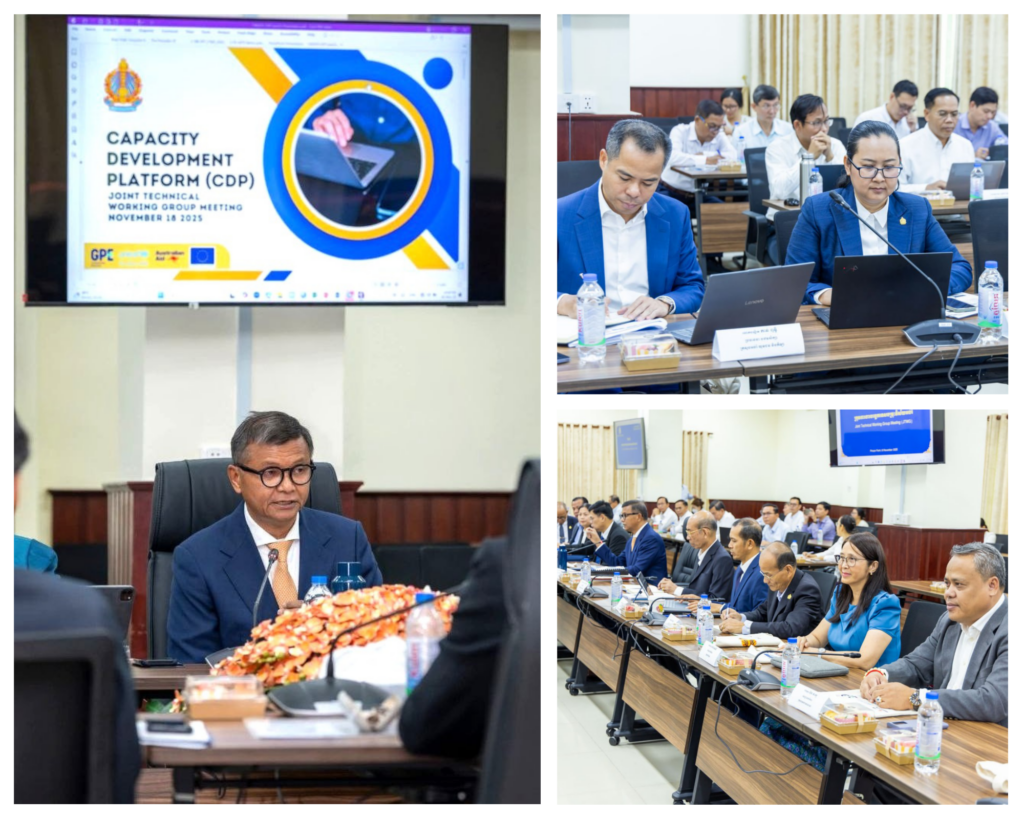
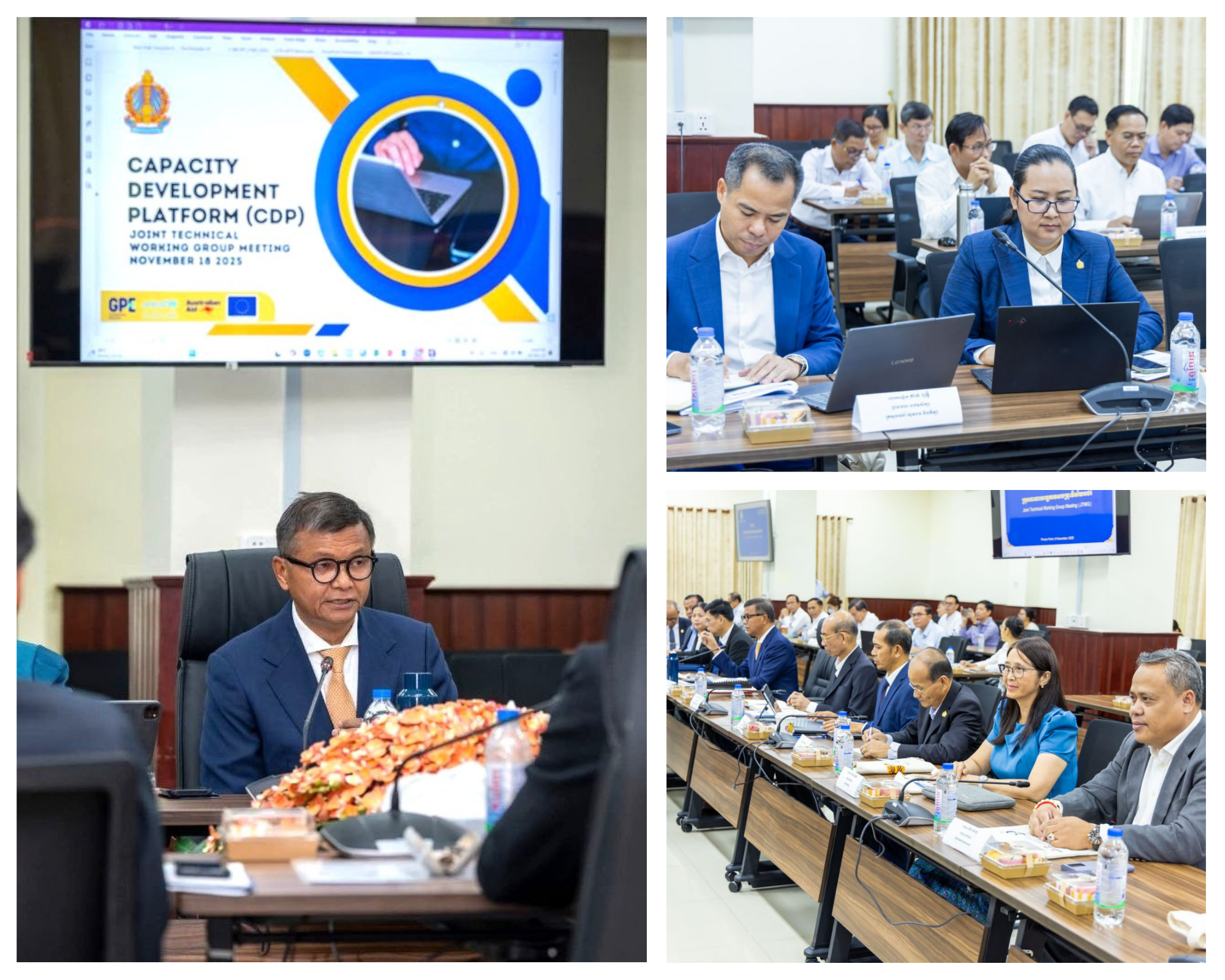
The Ministry of Education, Youth, and Sport (MoEYS) of the Kingdom of Cambodia, in a landmark collaboration with UNICEF and World Education, officially inaugurated the Capacity Development Platform (CDP) in November 2025, signaling a pivotal shift toward the digitalization of the nation’s pedagogical infrastructure. This centralized digital ecosystem is designed to revolutionize how educators across the country access professional development, earn accredited certifications, and modernize their classroom methodologies. Funded by a consortium of international partners, including the Global Partnership for Education (GPE), the European Union (EU), and the Australian Department of Foreign Affairs and Trade (DFAT), the CDP represents the culmination of years of strategic planning aimed at bridging the urban-rural divide in educational quality. The platform, co-designed by World Education—an initiative of JSI—serves as a cornerstone of Cambodia’s broader digital transformation agenda, ensuring that even the most remote educators are equipped with the tools necessary to foster a 21st-century learning environment.
A Strategic Response to Global Educational Evolution
The inception of the Capacity Development Platform comes at a critical juncture for Cambodia’s education sector. Following the disruptions caused by the global pandemic in the early 2020s, the MoEYS identified an urgent need for a resilient, scalable, and accessible system for teacher training that does not rely solely on face-to-face interaction. The CDP is not merely a repository of digital content; it is a sophisticated management system integrated into the national framework for teacher career progression. By allowing teachers to earn professional development credits online, the MoEYS has created a tangible incentive for continuous improvement, directly linking digital learning to salary increments and promotional opportunities.
The platform’s launch is a primary component of the MoEYS Education Strategic Plan, which emphasizes the professionalization of the teaching workforce as a prerequisite for national economic development. As Cambodia strives to transition into an upper-middle-income country by 2030, the government recognizes that a digitally literate teaching force is essential to preparing the next generation for the globalized labor market. The CDP addresses this by providing a unified portal for high-quality training modules, ranging from foundational literacy and numeracy to advanced Information and Communication Technology (ICT) and Artificial Intelligence (AI) applications in the classroom.
Chronology of Development and Human-Centered Design
The path to the November 2025 launch was defined by a rigorous, multi-phase development process that prioritized the end-user experience. World Education employed a human-centered design (HCD) methodology, beginning in 2024, to ensure the platform would be functional in the diverse environmental contexts of Cambodia. Recognizing that internet stability and hardware access vary significantly between provinces like Siem Reap and the more isolated highlands of Mondulkiri, the development team focused on "low-bandwidth" optimization.
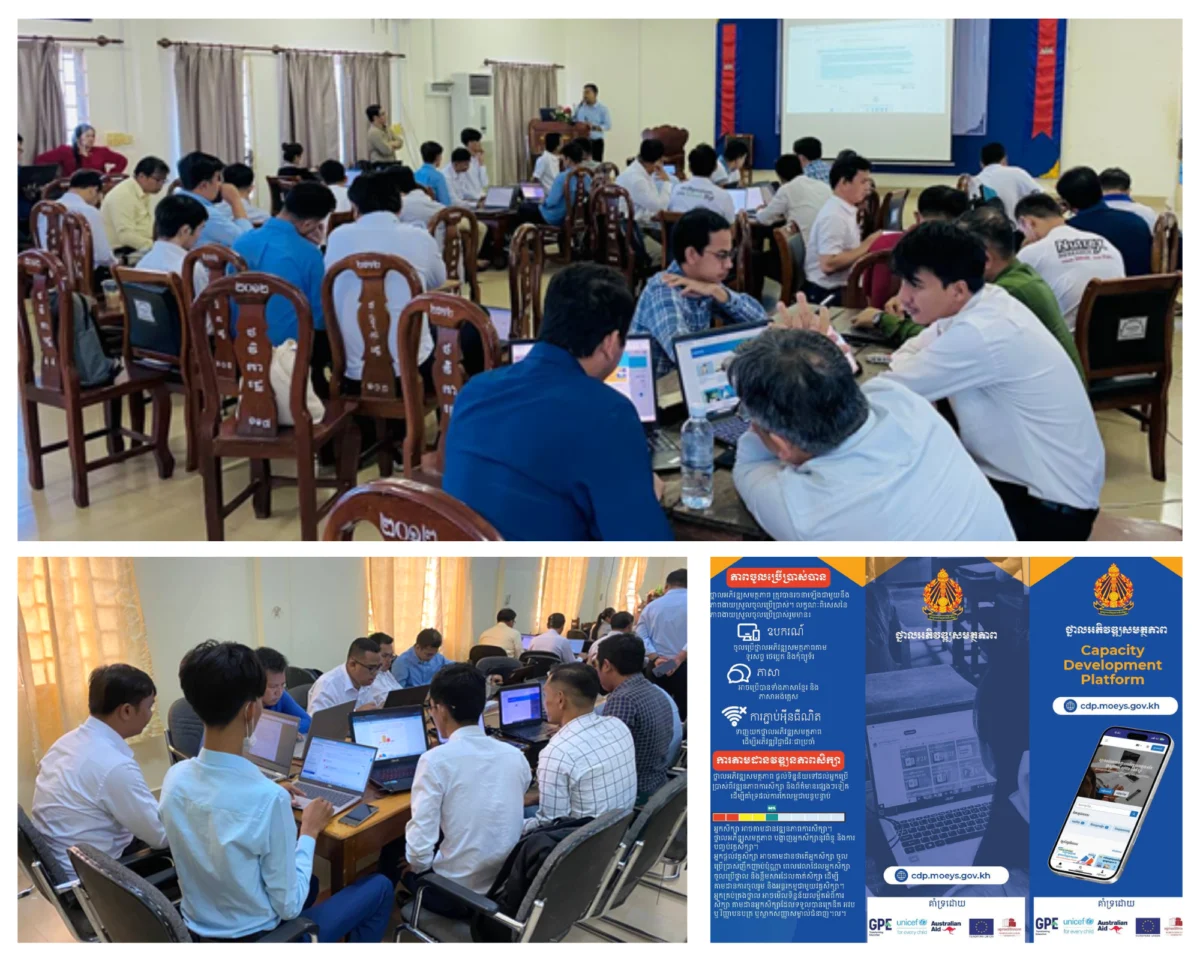
In May 2025, a series of intensive capacity-building workshops were held on May 5–6 and May 19–20. These sessions brought together MoEYS staff, technical experts, and frontline educators to stress-test the platform’s interface and content. These workshops were instrumental in refining the "smartphone-first" approach, acknowledging that the majority of Cambodian teachers access digital tools via mobile devices rather than desktop computers. By November 2025, the system had been fully integrated with the Department of Digital Transformation’s existing infrastructure, ensuring that the government maintained full sovereignty and technical oversight of the data and security protocols.
Technical Infrastructure and Integration
A distinguishing feature of the CDP is its integration into existing national systems rather than functioning as a standalone or parallel entity. This "system-strengthening" approach ensures long-term sustainability. The platform is managed by a dedicated government governance group that oversees the accreditation of courses and the validation of credits earned by teachers. This structural alignment means that when a teacher completes a module on "Early Grade Reading" or "Digital Lesson Planning," the achievement is automatically recorded in their official personnel file.
The technical architecture of the CDP was built to be intuitive, reducing the "digital friction" that often plagues large-scale government rollouts. It features offline caching capabilities, allowing teachers in areas with intermittent connectivity to download course materials and upload their progress once a connection is re-established. This focus on accessibility ensures that the platform does not inadvertently widen the gap between tech-savvy urban teachers and their rural counterparts.
Quantitative Impact and Adoption Rates
Since the platform transitioned from its pilot phase to full national implementation, the adoption metrics have exceeded initial projections. As of late 2025, the CDP has recorded:
- Total Registered Users: Over 44,000 educators and administrative staff.
- Course Enrollments: More than 23,000 educators have successfully enrolled in accredited professional development courses.
- Course Diversity: A growing portfolio of modules including ICT for Teaching and Learning, Early Grade Reading, and Inclusive Education strategies.
- Geographic Reach: Active users identified in all 25 provinces of Cambodia.
These figures represent a significant portion of the national teaching workforce, suggesting a high level of demand for flexible, digital-first learning opportunities. The rapid scaling of the platform indicates that the MoEYS and its partners have successfully addressed the previous barriers to professional development, such as the cost of travel and the time constraints of traditional in-person workshops.
Official Perspectives and Stakeholder Reactions
The political and social significance of the CDP was highlighted during the launch ceremony by H.E. Dr. Hang Chuon Naron, Deputy Prime Minister and Minister of Education, Youth, and Sport. He characterized the platform as a "transformative step" in the nation’s journey toward quality education. "By digitizing teacher training and professional development, we are empowering our educators with the tools, knowledge, and support they need to inspire learning and improve outcomes," Dr. Naron stated, emphasizing that the CDP is central to the government’s vision of a "Digital Cambodia."
The impact of the platform is also being felt at the grassroots level. Mrs. Proeut Sanh, a primary school teacher from the Kralanh District in Siem Reap Province, shared her experience with the ICT course for teaching and learning. She noted that the training significantly strengthened her practical skills in using digital tools and AI for lesson planning. "It has made my students more active and participatory in the classroom," she remarked, illustrating how digital training for teachers translates directly into improved engagement for students.
International partners have also lauded the initiative. Representatives from UNICEF and the EU highlighted the CDP as a model for how international aid can be effectively funneled into sustainable, government-led digital infrastructure. The collaboration between MoEYS, UNICEF, and World Education is seen as a blueprint for other developing nations seeking to modernize their education sectors through public-private partnerships.
Analysis of Broader Implications and Future Outlook
The launch of the CDP carries profound implications for the future of Cambodia’s social and economic landscape. By standardizing teacher training through a digital medium, the MoEYS is effectively ensuring a "quality floor" for education across the country. This reduces the variance in teaching quality that has historically disadvantaged students in impoverished or remote regions.
Furthermore, the emphasis on ICT and AI in the CDP’s curriculum suggests that Cambodia is leapfrogging traditional educational models. By training teachers to use AI for lesson planning and classroom management, the MoEYS is positioning its workforce to lead in the regional digital economy. This proactive stance is likely to attract further international investment in Cambodia’s tech and education sectors, as the workforce becomes increasingly proficient in high-value digital skills.
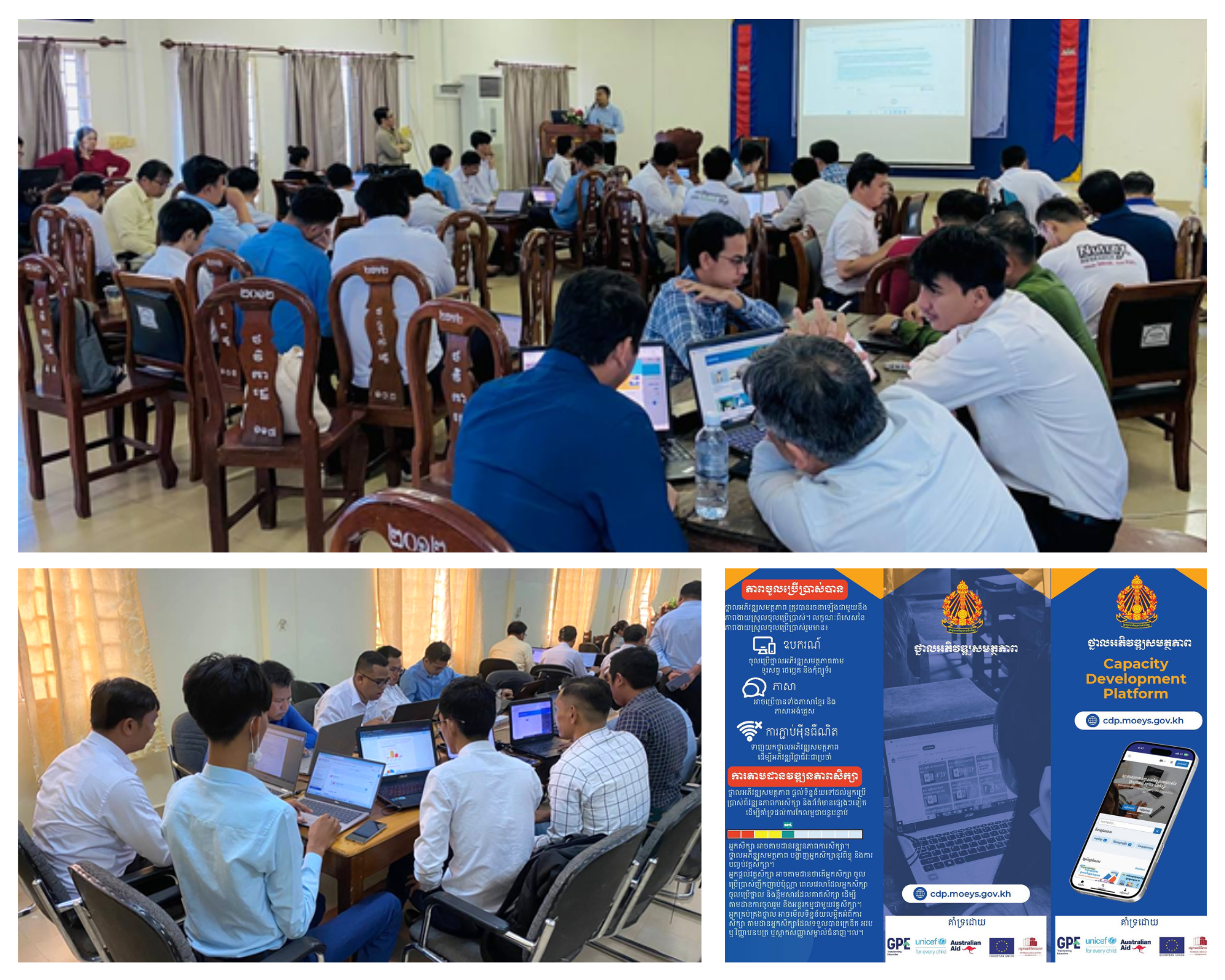
Looking ahead, World Education and MoEYS are already planning the next phase of the CDP’s evolution. Future developments include the creation of new modules to help teachers meet mandatory national standards as part of a comprehensive in-service teacher qualification upgrading program. This program will utilize a "blended learning" approach, combining the convenience of the CDP’s digital modules with periodic in-person mentoring and peer-to-peer learning circles.
The transition of ownership to the Department of Digital Transformation marks the beginning of a new era of self-sufficiency for Cambodian education. With the specialized technical and security training provided during the handover, the government is now equipped to scale the platform independently, adding new features such as virtual reality (VR) classrooms and real-time data analytics to track student performance trends nationwide.
Conclusion
The Capacity Development Platform stands as a testament to what can be achieved through coordinated international cooperation and a clear national vision. By prioritizing the professional growth of its teachers, Cambodia is investing in the most critical component of its education system. The CDP is more than just a digital tool; it is a catalyst for systemic change, promising a future where every Cambodian child, regardless of their location, is taught by a highly skilled, digitally empowered educator. As the platform continues to grow, it will undoubtedly serve as a vital pillar in Cambodia’s quest for educational excellence and digital maturity.