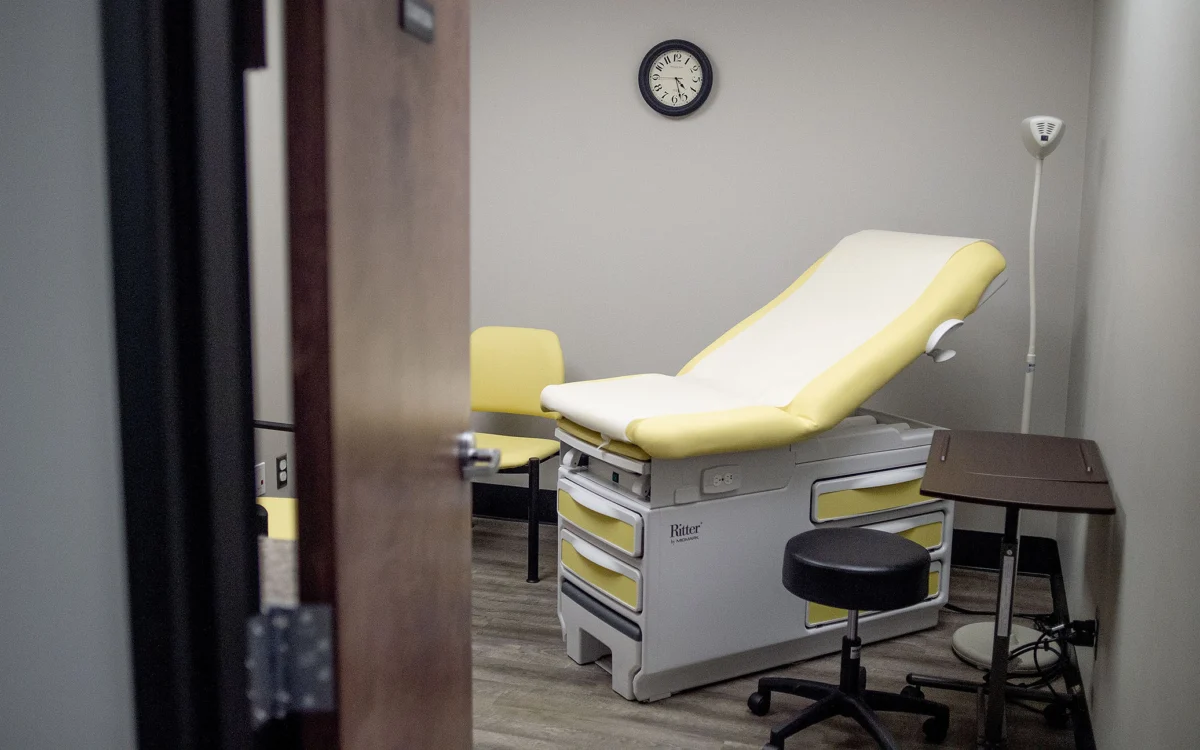
New federal regulations designed to significantly enhance disability access within healthcare are slated to take effect this month, but recent actions by government agencies have sparked concerns that officials may be considering a postponement of these critical mandates. The U.S. Department of Health and Human Services (HHS) issued a comprehensive update in 2024 to Section 504 of the Rehabilitation Act, a landmark piece of legislation aimed at preventing discrimination against individuals with disabilities. This updated regulation explicitly prohibits disability discrimination in healthcare settings, addressing issues such as the denial of medical treatments based on biases or stereotypes and establishing essential standards for accessible medical diagnostic equipment.
Key Provisions and Implementation Timeline
The cornerstone of the new regulation, particularly concerning digital accessibility, was set to begin implementation this month. Specifically, provisions detailing the requirements for healthcare providers to ensure their websites and mobile applications are accessible to people with disabilities were scheduled to come into force. These standards are designed to impact a broad spectrum of healthcare entities, including hospitals, physician practices, and social services providers that receive funding from HHS. The aim is to dismantle the digital barriers that have historically prevented individuals with disabilities from fully participating in federally funded healthcare programs and accessing vital health information and services.
HHS articulated the rationale behind these new requirements in a fact sheet, stating, "many recipients offer their services through websites and mobile applications that are not accessible to persons with disabilities, creating barriers to participation in federally funded programs." The agency highlighted common accessibility issues, such as images and maps that are unintelligible to users of screen readers, and videos lacking essential captioning. The overarching goal, as stated by HHS, is to "ensure that people with disabilities have access to a recipient’s programs and activities" through accessible web and mobile platforms.
The regulation established a tiered implementation approach based on provider size. Larger healthcare entities, defined as those with 15 or more employees, were expected to achieve compliance with the new web accessibility requirements by May 11th of this year. Smaller entities have been granted an extended grace period, with a compliance deadline one year later.
Growing Concerns Over Provider Preparedness
Despite the impending deadlines, a significant question looms: how prepared are healthcare providers to meet these heightened accessibility expectations? A recent analysis conducted by accessiBe, a company specializing in web accessibility software, offers a sobering perspective. The review examined 300 healthcare websites that fall under the purview of the new Section 504 rule and discovered that a staggering 84.3% exhibited "measurable accessibility gaps." This data suggests a substantial disconnect between regulatory requirements and the current state of digital accessibility in the healthcare sector, raising concerns about the feasibility of immediate compliance for many organizations.
The findings from accessiBe underscore the complexity of achieving full digital accessibility, which often involves intricate technical adjustments and ongoing maintenance to ensure compatibility with assistive technologies. For healthcare providers, already grappling with complex compliance landscapes and operational demands, the added burden of rectifying widespread accessibility issues on their digital platforms presents a formidable challenge. The potential consequences of non-compliance, ranging from enforcement actions to reputational damage and, more importantly, continued exclusion of individuals with disabilities from essential health services, are significant.
Signs of a Potential Delay
Adding to the uncertainty surrounding the May 11th deadline, recent actions by federal agencies have fueled speculation about a possible delay. Last month, the Department of Justice (DOJ) announced a postponement of the implementation of a similar rule governing online accessibility for state and local government entities under the Americans with Disabilities Act (ADA). This decision, made just days before its scheduled effective date, has drawn parallels to the current situation with the HHS Section 504 regulation.
The DOJ’s delay of its Title II web accessibility regulations, which mandated that online offerings from state and local governments meet specific accessibility standards, has created a precedent. This action has led to heightened anticipation that HHS might follow suit with its own web accessibility mandates under Section 504.
Further fueling these concerns, HHS submitted an interim final rule related to the Section 504 regulation to the White House Office of Management and Budget (OMB) around the same time the DOJ announced its delay. While the specifics of this interim rule have not been fully disclosed publicly, the timing and the nature of its submission to OMB suggest a potential re-evaluation or adjustment of the implementation timeline.
Expert Reactions and Implications
The possibility of a delay has elicited strong reactions from disability advocates and policy experts. Alison Barkoff, a professor of health law and policy at George Washington University and a former leader of HHS’s Administration for Community Living under the Biden administration, expressed significant concern. "We understand that it is a similar extension to the DOJ Title II regulations on web accessibility," Barkoff stated, highlighting the interconnectedness of these digital accessibility efforts across different federal agencies.
Barkoff emphasized the detrimental impact such delays could have, particularly in the current digital landscape. "The delay of these website accessibility standards under both the Section 504 and DOJ regulations is very concerning, particularly with the significant role that digital technology plays in so many aspects of life," she added. Her statement underscores the critical nature of accessible digital platforms for individuals with disabilities, especially in accessing healthcare, which has increasingly migrated online for appointments, information dissemination, and communication.
The implications of a delayed implementation are multifaceted. On one hand, a delay could provide much-needed time for healthcare providers to address the significant accessibility gaps identified by studies like the one conducted by accessiBe, potentially leading to more robust and compliant digital platforms in the long run. This could reduce the immediate risk of enforcement actions against providers who are genuinely working towards compliance.
However, a delay also risks prolonging the exclusion of individuals with disabilities from essential healthcare services and information. For those who rely on accessible websites and mobile applications to navigate their health journeys, any postponement means continued barriers to care. This can exacerbate existing health disparities and hinder the ability of people with disabilities to make informed decisions about their health and well-being.
Broader Context and the Evolution of Accessibility Laws
The 2024 HHS regulation is part of a broader, evolving landscape of legal mandates aimed at ensuring equal access for individuals with disabilities. Section 504 of the Rehabilitation Act, enacted in 1973, was one of the first federal laws prohibiting discrimination against people with disabilities. It laid the groundwork for subsequent legislation, including the Americans with Disabilities Act (ADA) of 1990, which further expanded civil rights protections for individuals with disabilities across various sectors.
The recent focus on digital accessibility reflects the increasing reliance on the internet and mobile technologies for essential services. As healthcare increasingly embraces digital solutions, ensuring these platforms are usable by everyone, regardless of disability, has become a critical component of civil rights and public health equity. The challenges in implementing these digital accessibility standards underscore the need for continued education, resources, and potentially more flexible but firm enforcement mechanisms to ensure that digital inclusion in healthcare is not merely an aspiration but a reality.
The current situation highlights a tension between the imperative to enforce civil rights protections and the practical realities of implementation for regulated entities. As federal officials deliberate on the future of these healthcare accessibility rules, the disability community and healthcare providers alike will be watching closely, hoping for a resolution that upholds the principles of equal access without creating insurmountable hurdles. The ultimate decision will have a profound impact on the accessibility of healthcare for millions of Americans with disabilities.