Since 2012, World Education, an initiative of JSI Research & Training Institute, Inc. (JSI), has spearheaded a multi-faceted campaign to overhaul the educational landscape in Côte d’Ivoire, particularly within the nation’s vital but vulnerable cocoa-producing regions. By addressing the root causes of child labor and systemic educational deficiencies, the organization has moved beyond traditional aid models to foster a self-sustaining ecosystem of community-led school management. The cornerstone of this recent effort is the CocoaLife Quality Education Project, a strategic partnership funded by Mondelez International that targets the intersection of agricultural economic cycles and primary education outcomes.
Ferdinand Beblai, the Country Director for JSI Côte d’Ivoire, recently provided an in-depth analysis of the project’s progress, highlighting the unique socio-economic pressures that have historically hindered Ivorian students. As the world’s largest producer of cocoa, accounting for roughly 40% of the global supply, Côte d’Ivoire’s economy is inextricably linked to the crop. However, this reliance creates a seasonal pull that often removes children from the classroom and places them in the fields. Beblai’s insights reveal a sophisticated strategy that utilizes local governance, diversified income streams, and granular data collection to ensure that the next generation of Ivorians is equipped for a future beyond manual labor.
The Structural Challenges of Education in the Cocoa Belt
The educational hurdles in Côte d’Ivoire are both academic and infrastructural. According to 2021 statistics from UNICEF, more than 15% of primary-level children in the country repeat a grade annually. This high rate of stagnation often leads to frustration, expulsion, or permanent dropout. In cocoa-producing communities, these academic struggles are frequently a symptom of the "harvest effect." During the biannual cocoa harvests, parents, often lacking the financial means to hire adult labor, look to their children for assistance. This results in chronic absenteeism and tardiness, which directly correlates with plummeting grades in core subjects like French and mathematics.
Beyond the classroom performance, the physical environment of rural schools presents a significant barrier. In many remote areas, the "infrastructure deficit" translates to schools constructed from ephemeral materials such as wood and straw. These structures are not only uncomfortable but increasingly dangerous as climate change brings more frequent and severe weather events to the region. When a school is a three-mile walk away and consists of a precarious shed without sanitation facilities, the incentive for a family to prioritize attendance over agricultural work diminishes significantly.
Strengthening the COGES Model: A Chronology of Empowerment
To combat these systemic issues, World Education has focused on the Comités de Gestion Établissement Scolaire (COGES), or School Management Committees. Established by the Ivorian government to decentralize school operations, these committees were designed to bring together parents, teachers, and local leaders. However, early evaluations by World Education in 2012 found that many COGES were non-functional or lacked the financial resources to implement their School Improvement Plans (SIPs).
Over the past decade, the intervention chronology has shifted from basic capacity building to financial empowerment. The CocoaLife Quality Education Project introduced Income-Generating Activities (IGAs) to the COGES framework. Rather than relying solely on government subsidies or erratic parental contributions, communities were trained to manage agricultural and commercial ventures. In various villages, COGES members began cultivating maize or raising poultry, with 100% of the profits reinvested into the school.
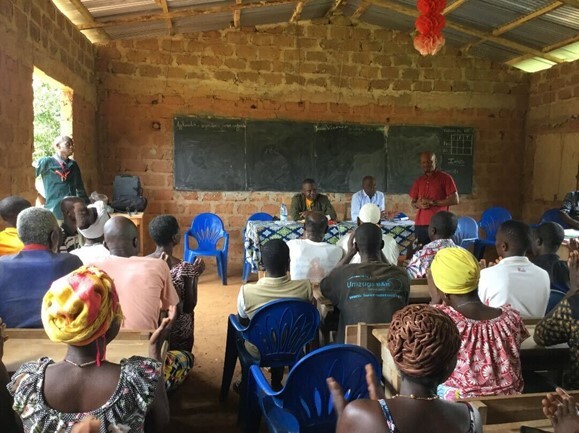
This funding has been transformative. It allows schools to provide "motivation" stipends to teachers who lead remedial tutoring sessions for struggling students. It also funds the purchase of essential supplies and the maintenance of facilities. By involving Mothers’ Associations, youth groups, and cocoa cooperatives, the project has ensured that the school is viewed not as a distant government outpost, but as a collective community asset.
The Transformation of N’drikro: A Blueprint for Success
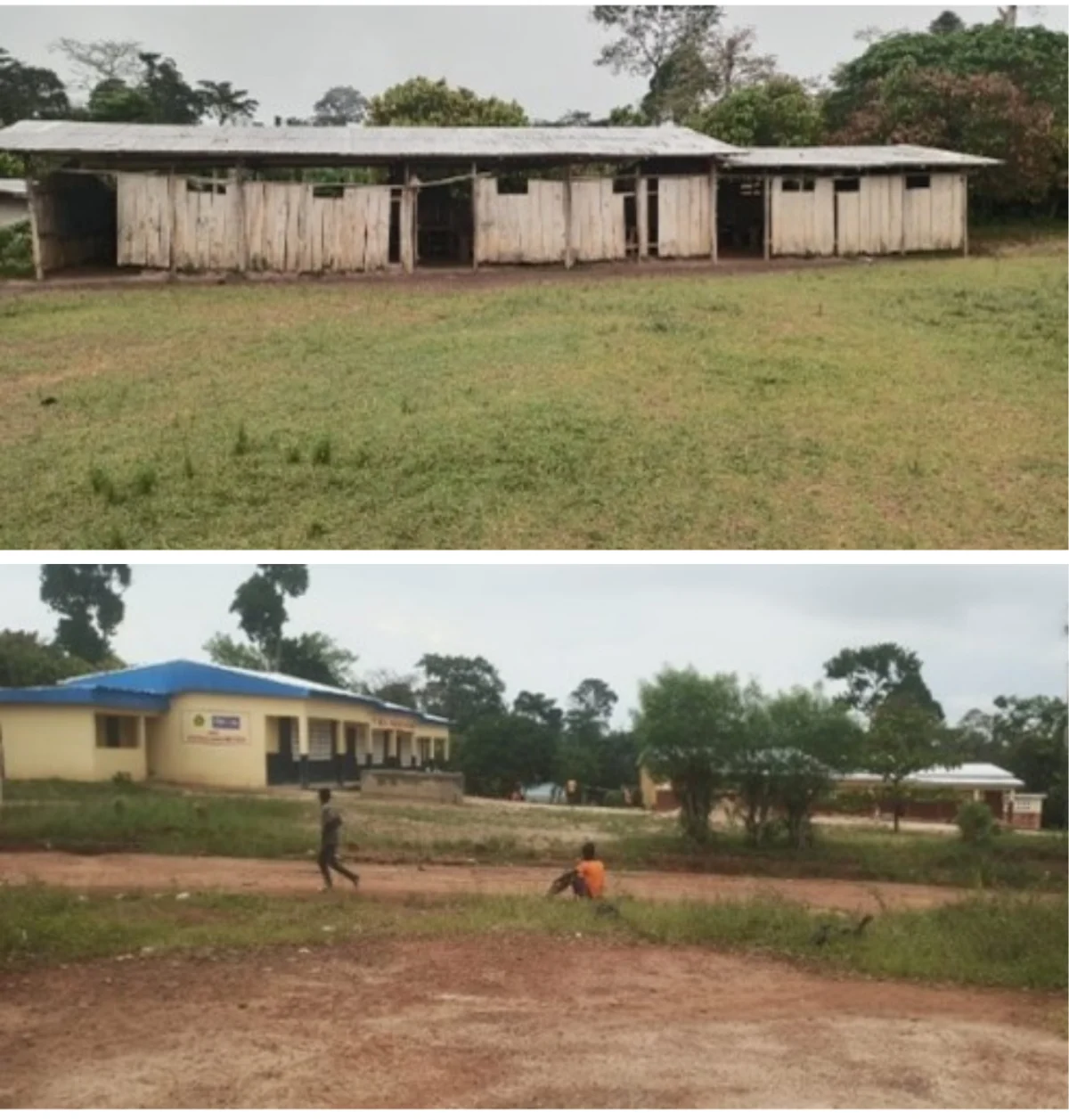
The impact of this community-centric approach is most visible in the village of N’drikro, located in the Soubré region. Before the intervention, the N’drikro school was the embodiment of the educational crisis: students learned in dilapidated sheds, sat on the ground due to a lack of desks, and had no access to toilets. These conditions contributed to a sense of apathy among both students and parents.
The turnaround began when the COGES mobilized the village leadership and integrated the local Village Savings and Loan Association (VSLA). By leveraging a community cassava field as an income generator and utilizing the VSLA for micro-financing, the community took ownership of the school’s physical reconstruction. The result was the replacement of the sheds with two modern school buildings, complete with administrative offices and hygienic sanitation facilities.
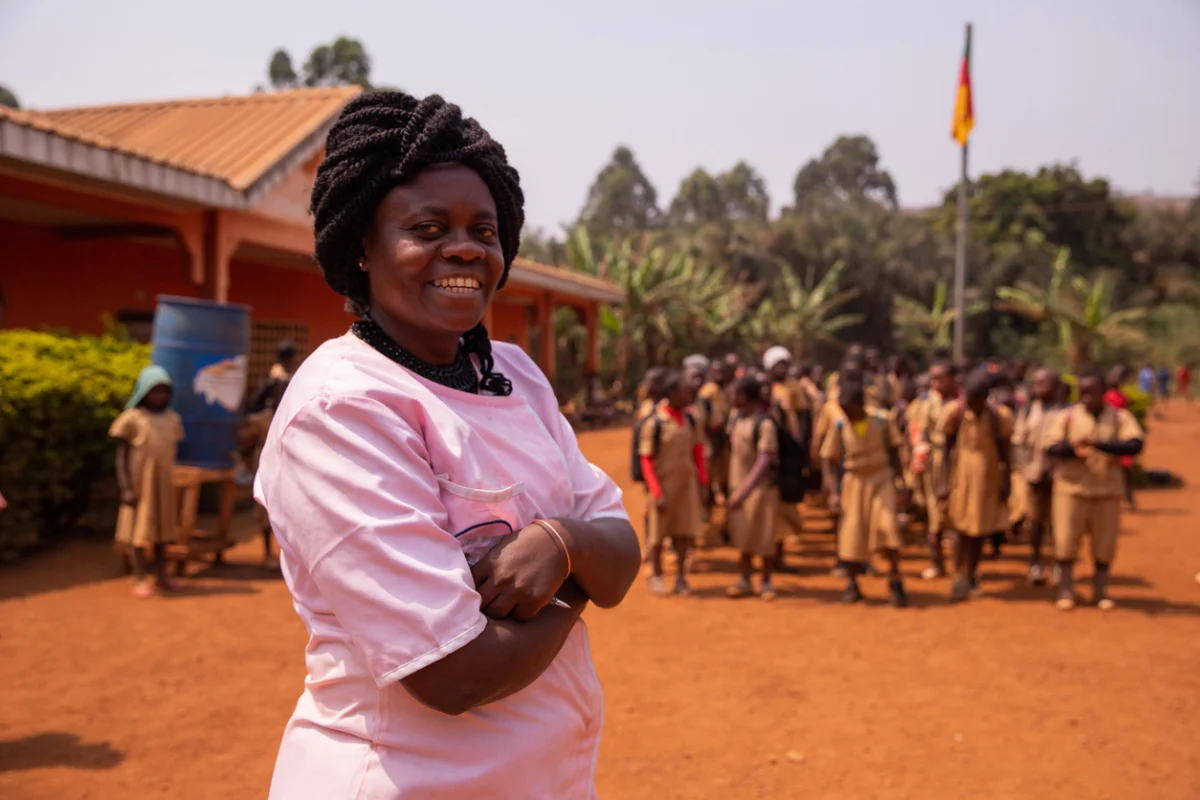
Today, N’drikro serves as a regional model. The school now hosts excellence awards to celebrate high-achieving students and provides a safe, structured environment that encourages consistent attendance. The shift from a "precarious shed" to a "modern facility" has had a documented psychological effect on the community, raising the perceived value of education and significantly reducing the likelihood of children being pulled away for field work.
Data-Driven Interventions and the "Hidden" Challenges
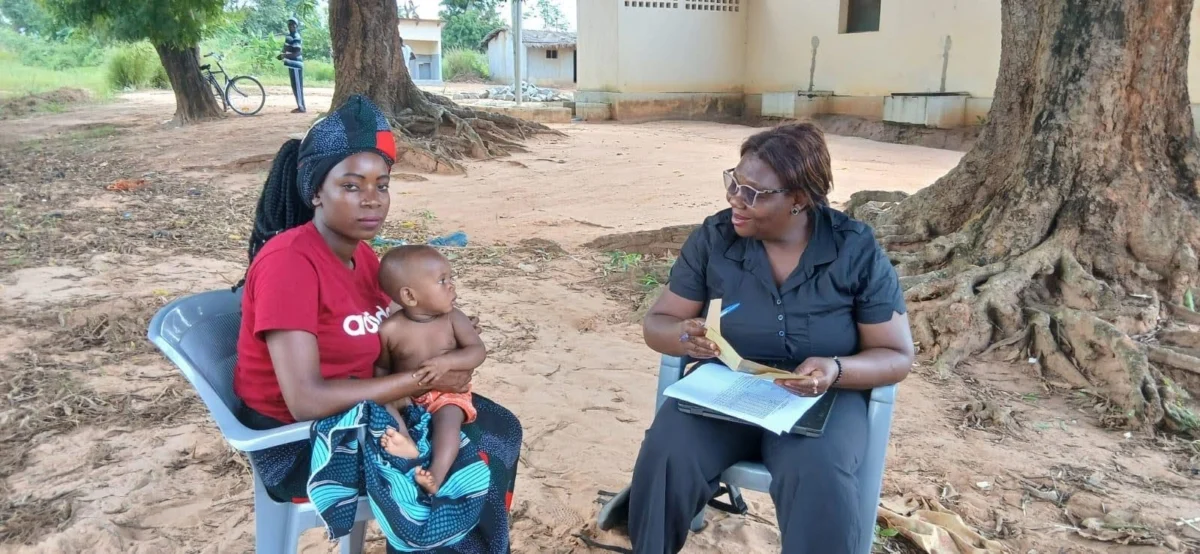
One of the most critical components of the World Education strategy is its departure from reliance on high-level national data. Ferdinand Beblai notes that while national statistics provide a broad overview, they often obscure the granular realities of village life. For example, national reports might list school enrollment by district, but they rarely track the specific number of six-year-olds in a single village who are not in the classroom.
By conducting community-level census and data analysis, the project identified a recurring "funding gap" that coincided with the cocoa production cycle. In the months between the two major harvests, farmers often exhaust their liquid cash, leaving them unable to afford basic school supplies like notebooks and pens. This lack of supplies often serves as the "tipping point" that leads to a child dropping out.
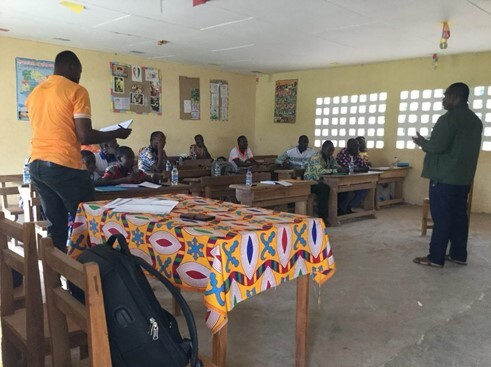
In response to this specific data point, the project implemented a targeted grant system. Vulnerable families were provided with approximately 80,000 francs (roughly USD 140) specifically for essential school supplies during these lean months. This data-driven precision ensures that financial aid is applied exactly where and when the risk of dropout is highest, maximizing the return on investment for donors like Mondelez International.
Sustainability and Government Integration
The ultimate goal of the CocoaLife Quality Education Project is "exit-readiness"—the point at which a community no longer requires external NGO support to maintain its educational standards. Beblai reports that in several districts where World Education has phased out its direct funding, the COGES committees continue to operate effectively. They have maintained their income-generating activities and continue to fund remedial classes and school maintenance through their own profits.
This success has caught the attention of the Ivorian Ministry of National Education and Literacy. The government has recently moved to sign a formal collaboration protocol with World Education. This agreement signifies a transition from a pilot project to a national strategy, aiming to integrate the COGES empowerment model into the broader state educational framework. By formalizing this partnership, the government acknowledges that the involvement of local stakeholders and the diversification of school funding are essential for the long-term sustainability of the nation’s education system.
The Broader Impact: Education as a Tool for Agricultural Safety
Beyond literacy and numeracy, the CocoaLife project is yielding unexpected benefits in the realm of public health and agricultural efficiency. As more children in cocoa-growing regions complete their primary education, they are bringing practical skills back to their families’ farms.
Beblai points out that even for those who eventually choose to remain in the cocoa industry, education is a vital tool. Literate farmers are able to read the complex labels on pesticides and insecticides, ensuring they are mixed in the correct proportions. This prevents crop damage, reduces chemical waste, and—most importantly—protects the health of the farmers and the local environment. In this sense, the Quality Education Project is not just an academic endeavor; it is a fundamental component of sustainable agricultural development and ethical supply chain management.
Conclusion and Future Outlook
The work of World Education and JSI in Côte d’Ivoire demonstrates that the "child labor problem" cannot be solved through prohibition alone. It requires a holistic strengthening of the community’s ability to value and fund its own institutions. By transforming schools into centers of community pride and economic activity, the CocoaLife Quality Education Project has created a buffer against the pressures of the global cocoa market.
As the project moves into its next phase under the new government protocol, the focus will remain on transparency, traceability, and local resource mobilization. The transition of N’drikro from a village of "precarious sheds" to a "model of excellence" serves as a testament to what can be achieved when international expertise meets local resolve. For the children of Côte d’Ivoire’s cocoa belt, the path to a brighter future is no longer a walk to a distant city, but a journey that begins in a well-funded, community-supported classroom in their own backyard.