Ireland’s fiscal roadmap for the coming year, Budget 2025, was unveiled against the poignant backdrop of the International Day of Older Persons, sparking a complex mixture of approval and sharp criticism from the country’s leading advocacy groups. Age Action, the primary voice for older people in Ireland, has issued a comprehensive response to the government’s financial provisions, highlighting a widening gap between state support and the actual cost of living. While the organization acknowledged significant progress in energy poverty mitigation and transport accessibility, it expressed profound disappointment regarding the core state pension rate and the continued stagnation of supports for those living alone. The reaction centers on the assertion that despite a nominal increase in weekly payments, the real-world purchasing power of older citizens continues to erode, leaving many in a more precarious financial position than they occupied four years ago.
The State Pension and the Purchasing Power Gap
Central to the government’s social protection package for 2025 is a €12 weekly increase for those in receipt of the full state pension. While the Department of Social Protection framed this as a necessary measure to shield the elderly from inflation, Age Action’s policy adviser, Nat O’Connor, argued that the adjustment fails to meet the threshold of restorative justice. According to the organization’s analysis, the €12 hike does not return the state pension to its 2020 value in real terms. To achieve parity with the purchasing power of four years ago—a period during which many older people were already struggling—an increase of at least €18 would have been required.
This shortfall points to a systemic issue in how Irish pensions are calculated and adjusted. Age Action has repeatedly called for the "benchmarking and indexing" of the state pension, a policy mechanism that ties pension rates to a specific percentage of average earnings and adjusts them automatically in line with inflation or wage growth. This model is standard practice across most Western European nations, providing a predictable and stable income floor for retirees. The Irish government’s failure to deliver on previous promises to implement such a system remains a point of significant contention. Without indexation, older people remain at the mercy of annual budgetary cycles, leading to what advocates describe as "income insecurity" and a lack of "peace of mind" during retirement.
Combatting Energy Poverty through Fuel Allowance Reform
In a more positive turn, Age Action welcomed the government’s decision to reform the fuel allowance criteria for those aged 66 and older. Energy poverty is a critical issue for Ireland’s aging population, driven by two primary factors: the quality of the national housing stock and physiological changes associated with aging. Ireland has a high proportion of older homes with poor insulation and low BER (Building Energy Rating) scores, which are significantly more expensive to heat. Furthermore, as individuals age, their bodies naturally retain less heat, making them more susceptible to the health risks associated with cold living environments.
The new measures include a more generous means test for the fuel allowance, specifically tailored for the 66+ cohort. This expansion is expected to bring thousands of additional older people into the net of support, providing a crucial buffer against fluctuating energy prices. By recognizing the specific vulnerability of older citizens to energy costs, the government has addressed a long-standing demand from advocacy groups. Dr. O’Connor noted that this reform would "go a long way to combatting energy poverty in older age," representing one of the most significant successes for older people in the 2025 fiscal plan.
The Stagnation of the Living Alone Allowance
Despite the progress on fuel support, the budget has been heavily criticized for its treatment of older people living in single-person households. The "Living Alone Allowance," a supplementary payment intended to recognize the higher per-capita costs of maintaining a household solo, has remained largely stagnant. The allowance has not seen a meaningful increase since 2022, when it was raised by a mere €3. In Budget 2025, the government failed to provide a targeted increase for this specific group, a move Age Action describes as a "repeat of last year’s failure."
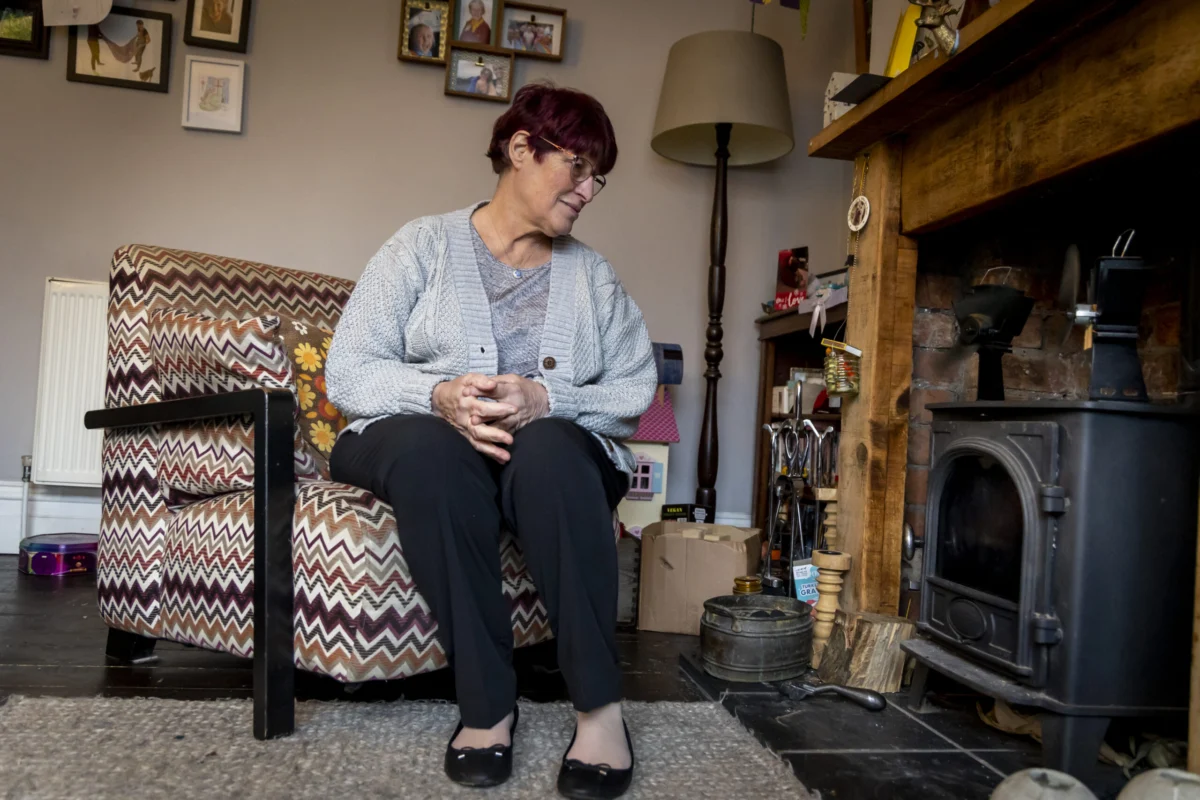
The financial reality for those living alone is stark. Recent research cited by the advocacy group indicates that a single person living alone bears approximately 79% of the total household costs faced by a couple. However, the social welfare system does not reflect this ratio. For instance, the fuel allowance for a person aged 66+ living alone is barely half of what a couple receives, despite the fact that heating a home costs roughly the same regardless of whether one or two people occupy it.
The consequences of this policy gap are visible in national statistics. In 2023, older people living alone were twice as likely to experience material deprivation compared to 2020 levels, prior to the onset of the current inflation crisis. Furthermore, they are nearly three times as likely to experience material deprivation as couples aged 65 and over. By failing to index the Living Alone Allowance or provide a significant boost, the government risks entrenching a sub-class of the elderly who are increasingly marginalized by the cost of essential goods and services.
Gender Inequality and the Pension Gap
The failure to support those living alone also has a significant gender dimension. Statistics show that six out of ten older people living alone in Ireland are women. This demographic is already disadvantaged by a 35% gender pension gap, a disparity rooted in decades of lower average wages for women and career interruptions due to caregiving responsibilities.
By neglecting the Living Alone Allowance, Budget 2025 indirectly compounds gender inequality. Women, who are statistically more likely to outlive their partners and spend their final years in single-person households, are disproportionately affected by the lack of targeted support. Age Action argues that any policy failing to address the solitary living cohort is, by extension, a policy that fails to address the specific economic vulnerabilities of older women.
Transport, Social Inclusion, and the Universal Companion Pass
One of the most universally praised elements of the budget for the elderly is the introduction of a universal companion pass, scheduled for implementation in September 2025. This pass will allow older people who hold a free travel pass to have a companion accompany them on public transport at no extra cost, regardless of the companion’s age or status.
For many older people, particularly those with mobility issues or cognitive decline, the prospect of traveling alone can be daunting or physically impossible. This leads to a "transport inadequacy" that fuels social isolation and exclusion. By facilitating a companion, the government is effectively increasing the mobility of its older citizens, allowing them to attend medical appointments, visit family, and participate in community life more easily. Dr. O’Connor emphasized that this "simple improvement" would be greatly appreciated, as it addresses a fundamental barrier to independent living.
Chronology of Budgetary Policy for Older Persons (2020–2025)
The frustrations expressed by Age Action must be viewed through the lens of the last five years of Irish fiscal policy.
- 2020-2021: During the height of the COVID-19 pandemic, the state pension remained relatively stable, but the cost-of-living crisis began to brew as global supply chains faltered.
- 2022: As inflation began to spike, the government introduced modest increases, including a €3 rise in the Living Alone Allowance. However, advocates argued these were "too little, too late" to combat double-digit inflation in energy and food.
- 2023-2024: Successive budgets featured "one-off" cost-of-living payments. While welcomed, Age Action critiqued these as "sticking plaster" solutions that failed to address the underlying inadequacy of the core weekly pension rate.
- 2025: The current budget moves away from some one-off measures toward permanent increases, yet the €12 hike is seen as failing to restore the baseline to 2020 levels.
Analysis of Implications and Future Outlook
The 2025 Budget represents a crossroads for aging policy in Ireland. On one hand, the government has demonstrated a willingness to listen to advocates regarding specific issues like energy poverty and transport. The expansion of the fuel allowance means test is a substantive structural change that will provide long-term benefits.
On the other hand, the refusal to adopt a formal benchmarking and indexation system suggests a reluctance to commit to the long-term financial security of the elderly. As Ireland’s population continues to age—with the number of people aged 65 and over expected to hit 1.5 million by 2050—the current "ad-hoc" approach to pension increases may become unsustainable.
The social implications are equally significant. The widening gap between couples and those living alone suggests a potential rise in social isolation and health complications associated with poverty. Material deprivation in old age is not merely a financial metric; it is a precursor to poor health outcomes, increased pressure on the acute hospital system, and a decline in overall life expectancy.
In conclusion, while Budget 2025 offers some relief through transport and heating supports, it leaves the fundamental issue of income adequacy unresolved for many. The call from Age Action for a state pension that is indexed to the cost of living remains the central challenge for the government. As the nation moves toward a general election, the "grey vote" and the adequacy of the state pension are likely to remain at the forefront of the political discourse, with advocacy groups continuing to demand a system that guarantees "peace of mind in retirement" for all citizens, regardless of their living situation.