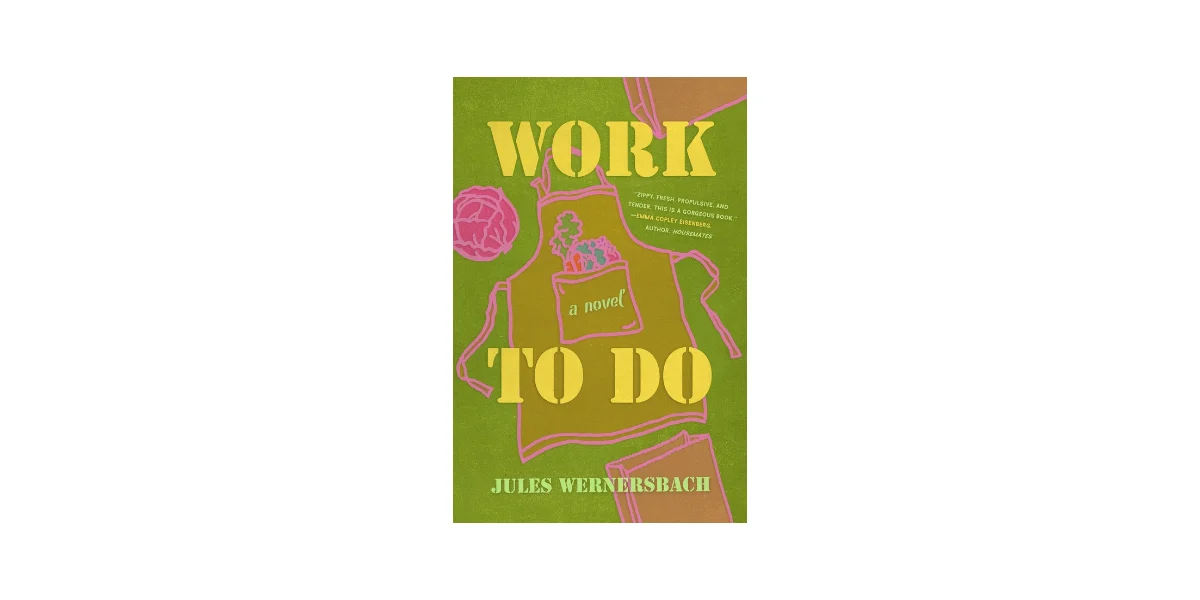
The Historical and Economic Context of the Austin Cooperative Movement
The fictional Guadalupe Street Co-op serves as a direct literary parallel to the Wheatsville Food Co-op, a cornerstone of the Austin community since its establishment in 1976. In May 2024, the board of directors for Wheatsville announced the closure of its original Guadalupe Street location, citing a significant decline in foot traffic and the changing demographics of the surrounding West Campus neighborhood. This real-world closure provides a somber context for Wernersbach’s novel, which captures the "hallowed fluorescent halls" of such institutions—spaces defined by organic beeswax soaps, bulk produce, and a commitment to customer ownership.
Historically, Austin’s cooperative movement emerged as a response to the corporatization of the food industry, offering a model where members held equity and influenced store policy. However, as Austin evolved from a mid-sized college town into a global technology hub, these institutions faced unprecedented challenges. Between 2010 and 2020, Austin’s population grew by approximately 33%, leading to skyrocketing property taxes and commercial rents. For small-scale cooperatives, which operate on thin margins to keep prices accessible, these economic shifts often prove fatal. Wernersbach’s narrative utilizes this volatility to heighten the stakes of the "workplace drama," positioning the co-op as a symbol of a disappearing cultural era.
A Chronological Analysis of a Week Under Pressure
The novel is structured over a single, high-stakes week, a temporal constraint that reflects the urgency of retail operations. This seven-day window allows for a detailed exploration of the "quick and dirty" consequences of management decisions and labor responses. The chronology is further complicated by the approach of a major Texas hurricane, an environmental threat that serves as a catalyst for the store’s internal tensions to reach a breaking point.
- The Early Week: Internal Frictions: The narrative begins with the introduction of Roz, the floor manager. Her role is defined by the "push-and-pull" of middle management, where she must balance the demands of ownership with the grievances of the floor staff. Her personal life, including a preoccupation with her ex-wife and her mother’s declining health due to dementia, colors her professional judgment.
- Mid-Week: The Unionization Effort: As the week progresses, the focus shifts to Randy, the dairy manager. Randy represents the modern labor movement, initiating a union drive to address stagnant wages and lack of job security. His motivations are both ideological and personal, as he navigates a complex relationship with Molly, a co-worker who is also Roz’s girlfriend.
- Late Week: The Owner’s Crisis: Eleanor, the shop’s owner since the 1980s, faces a dual crisis: a recent breast cancer diagnosis and the looming threat of bankruptcy. Her perspective reveals that the co-op is not merely a business but a tether to her past, specifically to her ex-wife Meg, who remains a shareholder.
- The Climax: The Hurricane and the Vote: As the hurricane nears landfall, the physical threat to the store mirrors the financial and social collapse. The characters are forced to decide whether the co-op—and the "community" it claims to represent—is worth saving.
Labor Trends and the "Family" Rhetoric in Small Business
One of the central themes in Work To Do is the critique of the "we are family" trope often employed by small business owners. In the novel, Roz utilizes this phrase with sincerity, believing that the co-op offers a sense of belonging that transcends the employer-employee relationship. However, the narrative exposes this sentiment as a double-edged sword. While it fosters a sense of purpose, it is also used to silence labor complaints and justify underpayment.
This dynamic reflects a broader trend in the United States labor market. According to data from the National Labor Relations Board (NLRB), union election petitions increased by 53% in the 2022 fiscal year, the highest growth in over a decade. Much of this growth occurred in the service and retail sectors, including high-profile campaigns at Starbucks and Trader Joe’s. Wernersbach’s characterization of Randy’s unionizing efforts aligns with these real-world movements, highlighting the shift from passive "cooperative" participation to active labor organization. The novel suggests that the word "community" cannot be a substitute for fair labor practices; rather, true community requires "reaching across the divide" to address material needs.
The Intersection of Personal Identity and Professional Survival
The novel is notable for its depiction of the "typical queer experience" within the workplace. For the characters in Work To Do, the co-op is a sanctuary—the one place where they do not feel alone. This "found family" aspect is a recurring theme in queer literature, but Wernersbach grounds it in the mundane realities of grocery management. The characters’ personal histories—Roz’s divorce, Eleanor’s marriage, and Randy’s romantic entanglements—are not separate from their work lives but are the very reasons they cling so fiercely to the co-op.
Eleanor’s struggle with breast cancer and her attempt to keep her ex-wife Meg involved in the business through shareholding illustrates the "harrowing attempt" to maintain fixtures of the past. Similarly, Roz’s desire to buy the co-op is presented as a desperate attempt to validate her career and prove that her life’s work has not been in vain. These personal stakes transform the business’s financial failure into a personal catastrophe for each protagonist.
Implications for the Future of Independent Businesses
The "whimsical" elements of Austin—the Broken Spoke, Spider House Cafe, and Barton Springs—appear in the novel as "bees in an orchard," reminding the reader of the cultural ecosystem that supports, and is supported by, local businesses. However, the novel also "pops a bubble" on the idealization of these spaces. It forces a confrontation with the "shady business practices" that can exist even within ostensibly progressive organizations.
The implications of Wernersbach’s work extend beyond the fictional Guadalupe Street. The novel serves as a manifesto for "honesty" in consumer and labor relations. It posits that "shopping local" is an insufficient gesture if it is not accompanied by a recognition of the workers’ rights within those local establishments. The narrative suggests that for a community-centric business to survive, it must move beyond the "hippie facade" and engage in the "work" of transparent communication and equitable treatment.
Conclusion: The "Work" of Community
Work To Do concludes not with a simple resolution, but with a call to action. It frames the survival of community spaces as a matter of collective effort—"if we put the work in." The novel’s portrayal of Austin is both a "love letter" and a cautionary tale. As more "old-school" locations face closure due to the pressures of urban development and economic shifts, the book asks what will be left of the city’s identity if the spaces that foster connection are allowed to vanish.
Ultimately, Wernersbach’s debut provides a stark examination of the "loneliness" that anchors individuals to their goals. Whether through union-busting, romantic trysts, or the struggle against a hurricane, the characters are all searching for a sense of higher purpose. The novel asserts that this purpose cannot be manufactured through branding or slogans; it must be built through the difficult, often unseemly work of facing one’s own faults and supporting those who bag the groceries, drive the buses, and maintain the neighborhood’s fabric. In the landscape of contemporary American fiction, Work To Do stands as a significant contribution to the "workplace drama" genre, offering a realistic and deeply human look at the intersection of labor, love, and the pursuit of a better world.