The tumultuous period of the past two years, marked by the ongoing pandemic, has ushered in an unprecedented era of rapid experimentation and profound shifts in the global workforce. This period has fundamentally altered perceptions of work and the future of employment, giving rise to numerous open questions and evolving data streams. A comprehensive analysis categorizes these emerging trends into key pillars: Purpose, People, Process & Policy, and Polarisation & Activism. This article delves specifically into the burgeoning importance of ‘Purpose’ within this transformed landscape, examining its multifaceted implications for individuals, organizations, and the broader Diversity, Equity, and Inclusion (DEI) agenda.
The Great Reassessment: A Quest for Meaning
Since the onset of the life-altering pandemic, a widespread societal phenomenon has emerged: individuals are increasingly seeking personal purpose and critically evaluating how their professional lives align with these deeper aspirations. A significant U.S. survey by McKinsey & Company revealed that nearly two-thirds of respondents reported reflecting on their purpose as a direct consequence of the pandemic experience. This introspection has manifested in fundamental questions: "Is this job truly worth my energy and time?" and "Does it align with how I want to live my life?"
This shift signals a significant departure from an implicit work model that often demanded immense personal sacrifices in pursuit of career growth. The new anchor for many is more purposeful work, a paradigm shift underscored by compelling global data. An August 2021 Edelman Trust Barometer survey of employees found that nearly 60% had either left or were actively planning to leave their jobs to find roles that better aligned with their personal values. Concurrently, 50% were seeking positions that offered an improved lifestyle. These motivations – value alignment and lifestyle improvement – have demonstrably surpassed pre-pandemic drivers for job changes, such as higher compensation or accelerated career growth.
This purpose-driven re-evaluation transcends generational boundaries, indicating a systemic shift rather than a demographic anomaly. In the U.S., millennial workers were found to be three times more likely to be re-evaluating their work priorities. Simultaneously, the United Kingdom witnessed a more than doubling of employees over the age of 50 opting for early retirement since the pandemic’s inception, as reported by The Times. While not every job exit can be solely attributed to a lack of purpose, its emergence as a primary consideration is undeniable and profoundly impactful.
Chronology of Disruption: From Lockdown to Re-evaluation
The pandemic’s impact on work purpose unfolded in distinct phases. Initially, the abrupt shift to remote work during early lockdowns forced many to confront the blurred lines between personal and professional life. The sudden removal of daily commutes and office routines provided an unexpected pause, prompting individuals to reflect on their values and priorities outside the traditional work structure. This initial phase was characterized by a sense of survival and adaptation, but beneath the surface, a deeper introspection was brewing.
As the pandemic endured, the novelty of remote work gave way to a sustained re-evaluation. The prolonged isolation, coupled with global health anxieties and economic uncertainties, magnified existing dissatisfactions with work. Many realized that pre-existing work models often limited their ability to fulfill personal purpose, making the inherent costs of unequal and biased workplaces painfully apparent. This period saw the acceleration of what some termed the "Great Resignation" or, more accurately, the "Great Reassessment," as employees proactively sought out opportunities that offered greater meaning and flexibility.
By late 2021 and into 2022, the impact of these shifts became clearer, with labor markets experiencing unprecedented churn. Companies struggled to retain talent, and the demand for roles offering better work-life integration and alignment with personal values surged. The initial emergency measures adopted by organizations began to solidify into new, hybrid, or fully remote work policies, but the underlying challenge of meeting employees’ deeper purpose-driven needs remained.
The Amplified Burden: Gender, Caregiving, and Burnout
The lockdowns starkly highlighted how existing work models disproportionately impacted certain demographics, particularly women with caregiving responsibilities. While the dual burden faced by women in managing both professional and domestic spheres was a long-standing issue, the pandemic made its human cost undeniable. For years, this imbalance failed to trigger massive work redesigns. However, the pandemic-era experience created an unavoidable and stark realization for many, bringing this issue to the forefront of organizational concern.
The old way of working, characterized by rigid structures and expectations, is increasingly proving unsustainable for fostering healthy, connected, and fulfilled lives. Something, for many, had to give. Data from the "Women in the Workplace" report by McKinsey and LeanIn.Org consistently showed significantly higher rates of burnout and resignations among women, especially those with caregiving duties. Globally, during the first year of the pandemic, women’s employment declined by 54 million, or 4.2%, compared to a 3% drop for men, according to an analysis by The Washington Post. While not all these departures were voluntary, the stark disparity underscores the urgent need for systemic change. This demands an immediate and robust response to create healthier, more equitable work models for all employees, particularly women, to facilitate a more holistic and sustainable integration of personal purpose with work and life moving forward.
The Organizational Challenge: Bridging the Intention-Action Gap
When purpose becomes a primary consideration in work, employee engagement demonstrably increases. However, a significant gap often exists between organizational recognition of purpose and its actual implementation. Pre-pandemic research by PwC, for instance, revealed that nearly 79% of business leaders acknowledged the importance of purpose, yet only 34% consistently integrated their organization’s purpose into decision-making processes. Furthermore, many organizations struggled to cultivate work environments that genuinely stimulated employees’ feelings and experiences of purpose, extending beyond the stated mission of the company itself.
Prior to the pandemic, organizations might have continued along this path of an intention-action gap regarding purpose. However, the profound experience of the pandemic has drastically shaken how many individuals perceive the purpose and meaning of their work. This shift carries significant implications for employees, managers, leaders, stakeholders, the organization, and society at large. Businesses that fail to address this evolving employee expectation risk not only talent drain but also diminished engagement, productivity, and ultimately, long-term success.
Official Responses and Strategic Imperatives
In response to these seismic shifts, many progressive organizations and HR leaders have begun to articulate new strategies centered on purpose. Major corporations like Salesforce, Microsoft, and Google have publicly emphasized employee well-being, flexibility, and a sense of belonging as critical components of their talent strategies. Statements from CEOs often highlight the importance of aligning individual purpose with organizational values, recognizing that a motivated workforce is a purpose-driven one.
HR leaders, often at the forefront of these changes, are grappling with designing new talent acquisition and retention strategies. This includes redefining employee value propositions (EVPs) to emphasize not just compensation and benefits, but also opportunities for meaningful work, personal growth, and social impact. Training programs for managers are increasingly focusing on empathetic leadership and fostering psychological safety, recognizing that a supportive environment is crucial for employees to explore and express their purpose at work.
However, the challenge remains significant. Many organizations are still in the early stages of translating their recognition of purpose into actionable policies and practices. There is a strong call from industry analysts for leaders to move beyond superficial statements about purpose and genuinely embed it into their organizational culture, leadership development, and strategic planning. This requires a fundamental rethinking of performance management, career paths, and even the design of daily tasks to ensure they contribute to a broader sense of meaning.
Broader Impact and Implications for DEI
The heightened focus on purpose has profound implications for Diversity, Equity, and Inclusion (DEI) initiatives. An authentic commitment to purpose often necessitates a more inclusive and equitable workplace. If individuals are seeking alignment between their personal values and their work, they are less likely to tolerate environments marked by bias, discrimination, or a lack of psychological safety. Therefore, fostering an inclusive culture becomes not just an ethical imperative, but a strategic necessity for attracting and retaining purpose-driven talent.
Moreover, the issues brought to light by the pandemic – such as the disproportionate impact on women and caregivers – highlight the critical need for DEI to address systemic inequalities that hinder individuals from fulfilling their purpose. Inclusive policies around flexible work, parental leave, and unbiased promotion processes are no longer "nice-to-haves" but essential components of a purpose-aligned workplace. Organizations that genuinely integrate DEI into their purpose framework are better positioned to create environments where all employees feel valued, supported, and empowered to bring their whole selves to work.
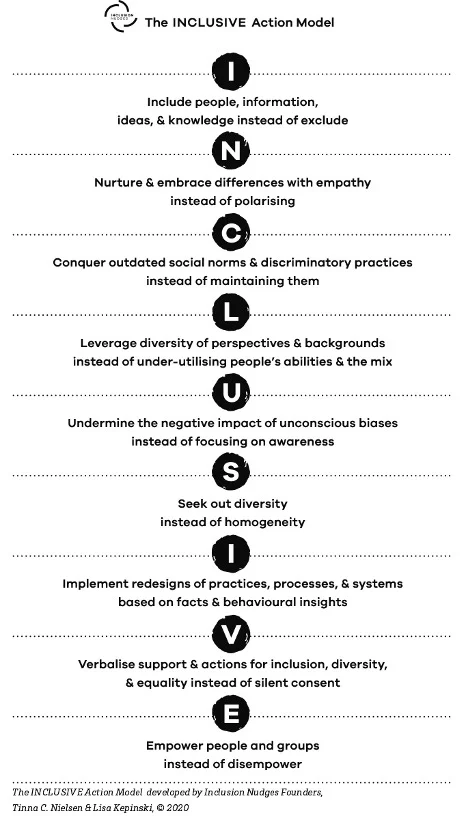
The emphasis on individual purpose also provides a unique opportunity for DEI change-makers. By connecting DEI efforts to the organization’s overarching purpose and demonstrating how an inclusive culture enhances meaning and engagement for all, advocates can build stronger cases for investment and systemic change. This includes leveraging tools and interventions that support reflection and action, such as "The Speech Bubble Intervention" for fostering dialogue, "Telling Employees’ Stories for Inclusion" to build empathy, "Realising Monetary Loss of Diverse Consumers" to demonstrate business impact, and "‘Why Not?’ Inclusion & Diversity" to challenge existing norms. These Inclusion Nudges, as outlined by experts in the field, provide practical frameworks for translating intention into impactful DEI outcomes.
Conclusion: A New Paradigm for Work
The pandemic has irrevocably altered the landscape of work, propelling ‘purpose’ from a secondary consideration to a central tenet of professional life. This "Great Reassessment" reflects a collective yearning for meaning, balance, and alignment between personal values and professional endeavors. For organizations, this represents both a significant challenge and an unparalleled opportunity. Those that embrace this shift by genuinely embedding purpose into their culture, leadership, and DEI strategies will be best positioned to thrive in the new paradigm of work. Failing to do so risks alienation of talent, diminished engagement, and a fundamental misalignment with the evolving expectations of the global workforce. The future of work is not merely about where or how we work, but critically, why we work. This enduring legacy of the pandemic-era will continue to shape organizational strategies and talent management for decades to come, demanding continuous reflection, adaptation, and an unwavering commitment to fostering purposeful and inclusive workplaces.