From the ancient weaving traditions of Afghanistan’s remote mountain villages to the intricate beadwork of North American Indigenous crafting studios, a complex web of global trade policies and economic shifts is systematically unraveling the delicate financial threads that sustain ancestral artistry. Escalating inflation, coupled with the imposition of tariffs and volatile trade agreements, has created a profound crisis for Indigenous artisans, jeopardizing not only their livelihoods but also the preservation of invaluable cultural heritage.
The immediate impact of global inflation has erected a severe financial barrier for Indigenous artisans. The rising costs of travel—flights, accommodation, and even market booth fees—have transformed participation in international art markets from a reliable income stream into a significant financial risk. Many Indigenous artists operate as small, often family-run businesses, characterized by thin profit margins. The compounding hikes in essential travel expenses fundamentally alter their ability to engage with the global art economy.
The Escalating Cost of Participation
Artisans are feeling the sting of travel inflation acutely. Soaring airfare prices mean artists must commit thousands of dollars months in advance, often before a single sale is secured. Hotel price increases in host cities can force artists to shorten their stays, diminishing their potential selling time, or to forgo participation altogether. Market organizers, facing their own inflated operating costs, are frequently compelled to raise booth fees. This forces artisans into a difficult choice: absorb the increased costs, thereby reducing their already modest profits, or pass these increases onto consumers, which can lead to decreased sales due to higher prices.
Beyond travel, the very cost of producing art is climbing. Inflated prices for raw materials and escalating shipping costs add further pressure. Unlike larger corporations that can absorb or pass on these expenses, individual artisans are often forced to absorb them, significantly slashing their take-home profit. The result is that many artists return home having merely broken even, rather than securing the annual livelihood their craft is intended to provide. The substantial financial risk associated with travel costs means that fewer international artists can afford the gamble of a slow sales weekend.
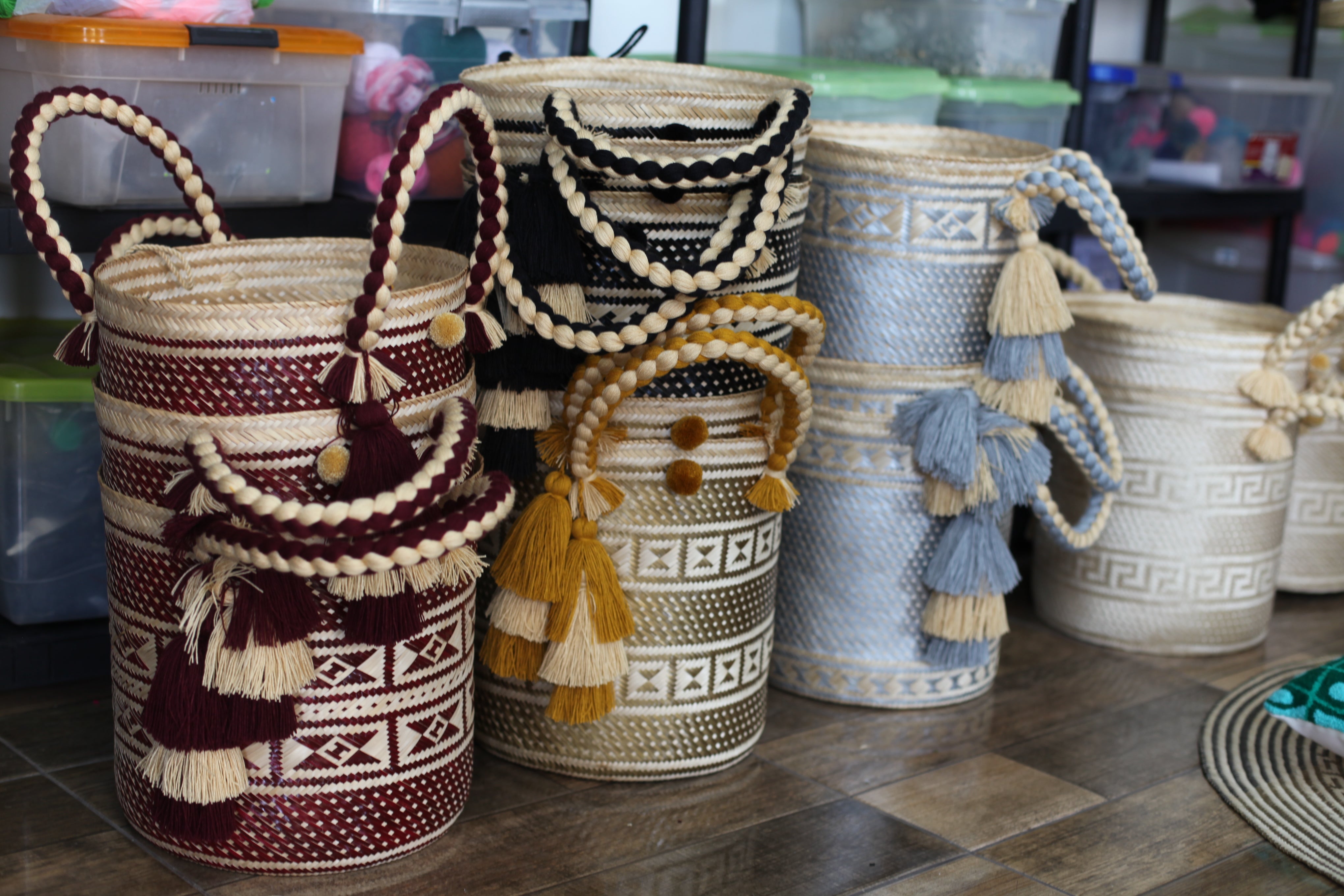
Adapting to a Changing Landscape
Premium markets, such as the International Folk Art Market (IFAM), have begun to explore expanded financial aid models. Some have adjusted their structures to cover upfront costs and deduct travel expenses directly from booth sales. While this reduces the artist’s initial financial risk, it also directly impacts their net earnings.
Artisans from remote regions face the most severe logistical hurdles. While established artists with extensive networks can more readily justify the growing travel expenses, emerging and younger Indigenous artists are increasingly being priced out of the market entirely. In response, many artisans are pivoting away from international travel, investing in online stores and leveraging social media platforms. However, these digital formats often sacrifice the crucial, lucrative face-to-face storytelling that drives premium sales in physical markets. The personal connection and narrative behind each piece, a vital element of Indigenous art, are diminished in a purely online environment.
The Shadow of Tariffs and Trade Policies
Compounding the challenges of inflation are the impacts of tariffs and evolving trade policies. These measures have, in some instances, limited the number of products artisans can import, drastically reducing inventory and consumer choices. With production and import costs on the rise, sales become exceedingly difficult, particularly when combined with shifting retail purchase habits. The additional fees can lead to supply shortages, limiting the variety of items available to customers. This reduced supply directly impacts the ability of artisan communities to provide for their families.
In the United States, the world’s largest importer of artisanal goods, the financial strain is exacerbated by a complex and steep web of import taxes imposed under volatile trade policies. For example, imports from Afghanistan, including Indigenous-made rugs, have faced a significant 15% U.S. tariff.
The impact has been particularly severe for India, where textile imports were initially subjected to a staggering 50% tariff. According to BBC News reports, these tariffs were enacted as a penalty for New Delhi’s purchase of Russian crude oil. This substantial duty brought bilateral trade to a near standstill, freezing approximately 85% of pending orders and displacing over 100,000 Indian artisans. Recent agreements between the U.S. and India have since reduced these tariffs to 18%, offering some relief but leaving a lasting impact.

Domestic Ramifications of Global Policies
The economic pain of these trade measures is not confined to overseas producers; it directly destabilizes Indigenous artists and small handicraft businesses within North America as well. Domestic protectionist policies have triggered a severe domestic supply crisis because many specialized materials essential for traditional handicrafts are imported.
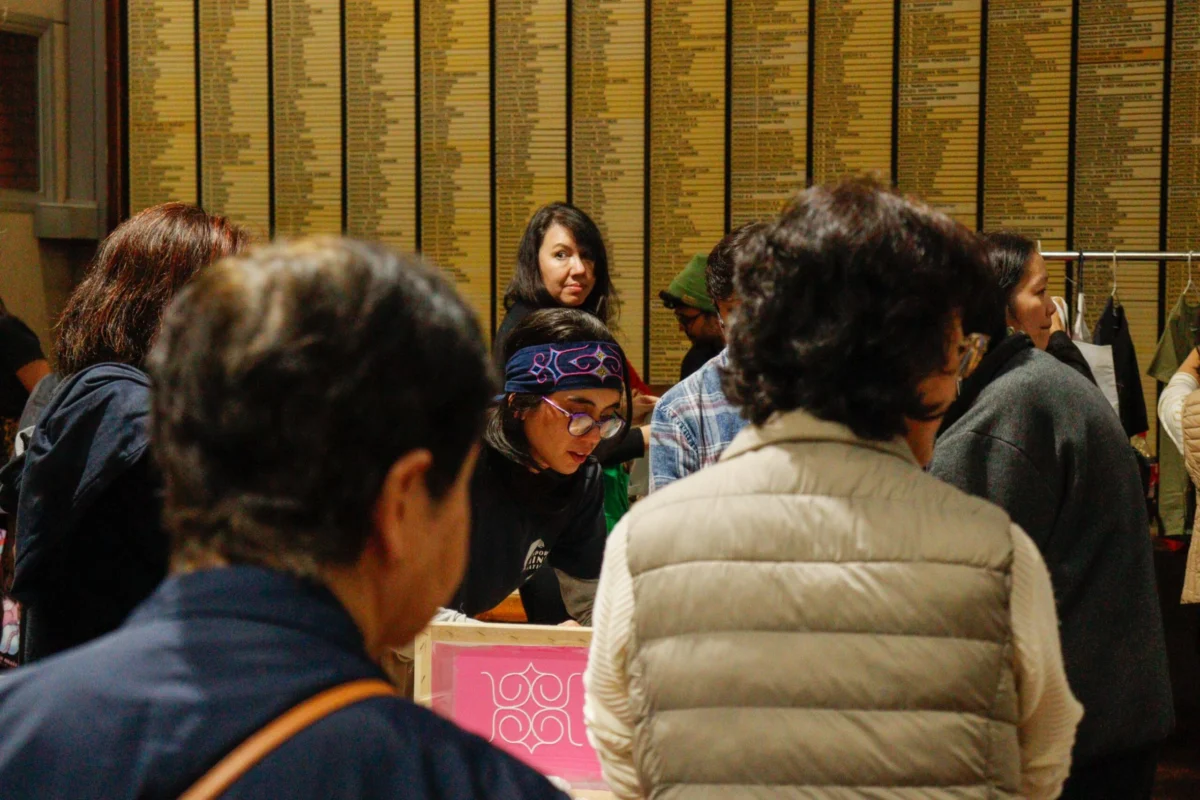
A survey of Cultural Survival Bazaar vendors, encompassing artisans, cooperative representatives, and fair trade businesses, revealed that approximately 70% reported that tariffs have directly impacted their operations. Tariffs have increased the costs of a variety of materials, including silver and textiles, which are crucial for Indigenous communities.
One former Cultural Survival Bazaar vendor, Cecilia Imports, highlighted that the Dominican Republic-Central America Free Trade Agreement (CAFTA-DR) does not automatically exempt Indigenous-made handicrafts and textiles from U.S. tariffs. However, a provision within the CAFTA-DR text (Chapter 3, Article 3.21, the Folklore Provision) can allow for the duty-free import of traditional folklore handicraft goods, hand-loomed fabrics, or handmade goods made from such fabrics. This requires mutual agreement and negotiation between the U.S. and the importing country, along with certification by the competent authority of the exporting country. Such provisions, when effectively implemented, can serve as a vital lifeline to Indigenous artisans and their affiliated businesses.
Collateral Damage: Artisans in the Crossfire
U.S. tariffs, ostensibly enacted to penalize large corporations and foreign industries, are inadvertently causing significant collateral damage to Indigenous craftspeople. These artisans are often innocent bystanders in the current trade environment, their livelihoods severely impacted by policies aimed at entirely different economic sectors.
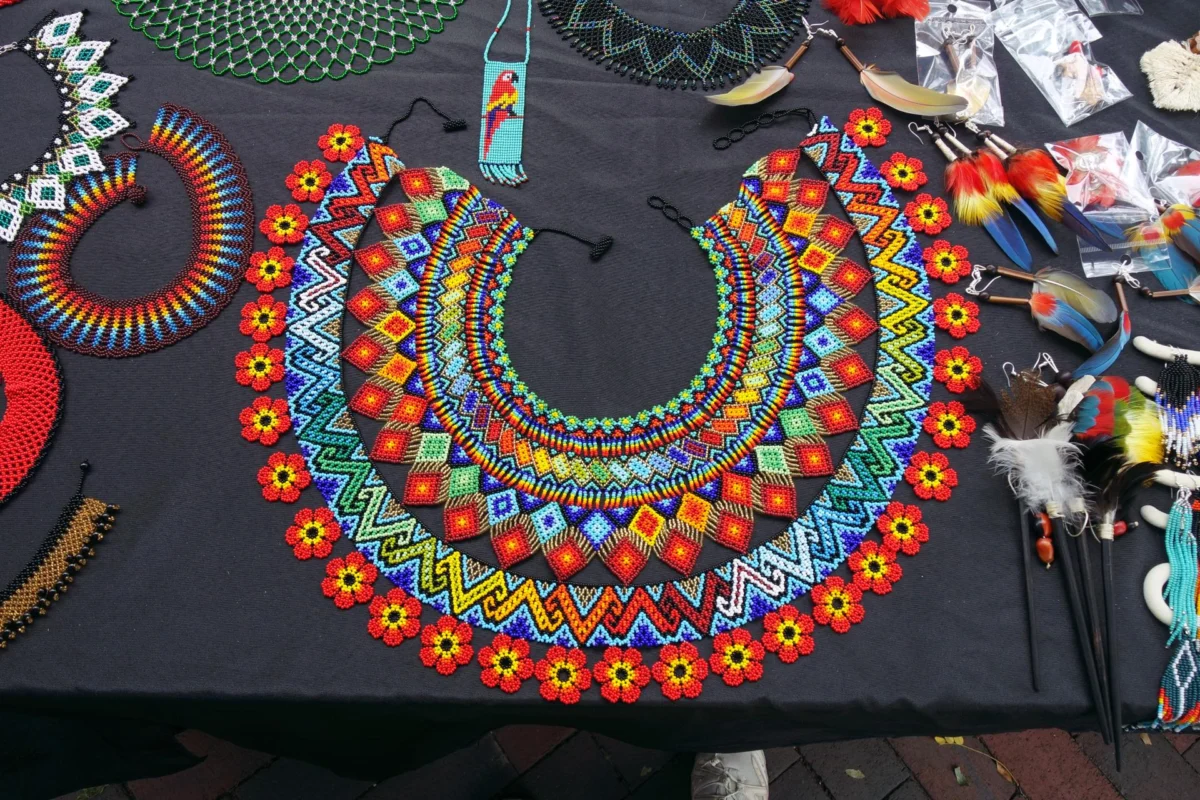
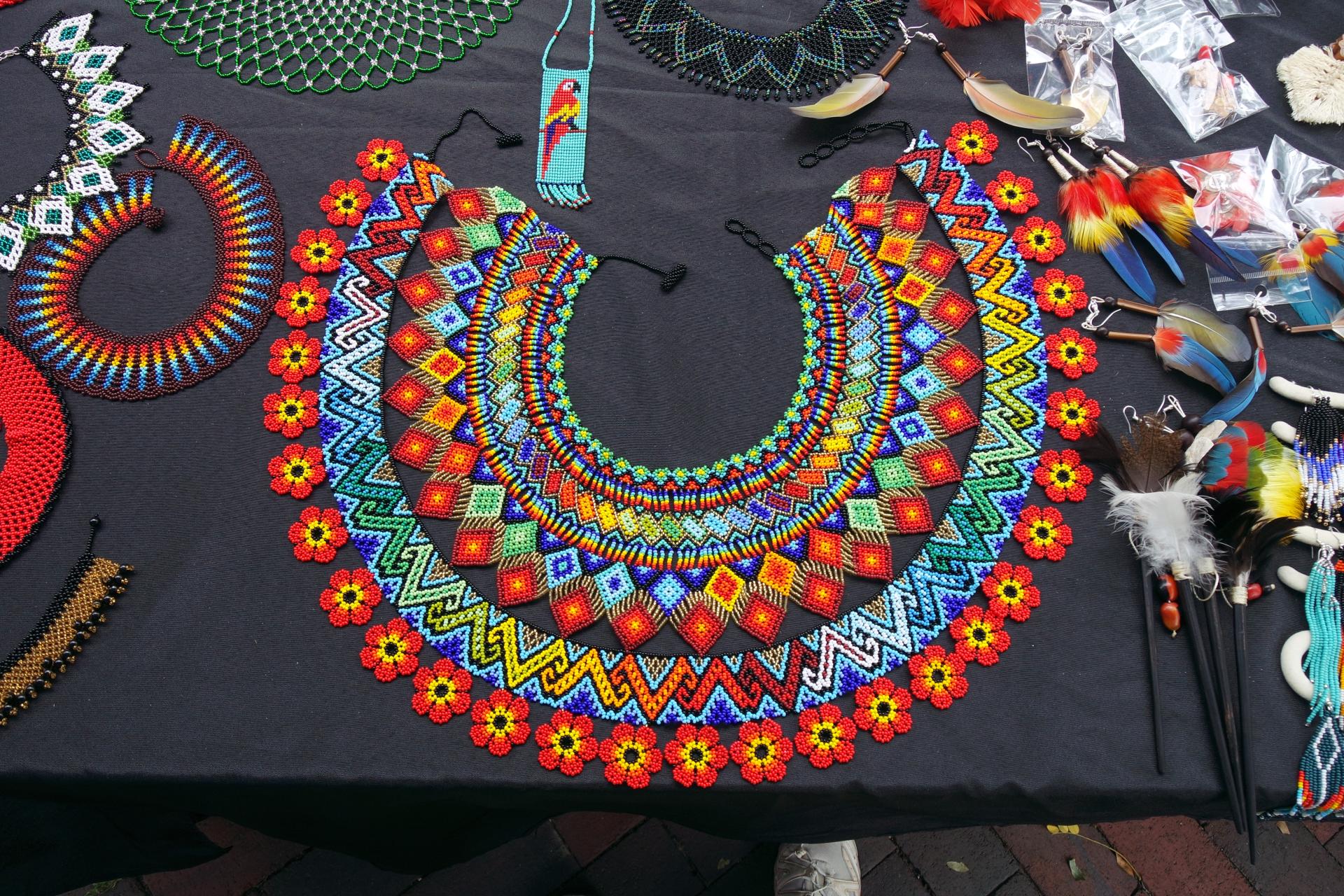
For Native American designers, this impact strikes at the heart of cultural preservation. Sharona Crane, an Anishinaabe designer from the Naongashiing First Nation, explained to ICT (Indian Country Today) that she relies on imported floral jacquard satin and colorful velveteen to handcraft authentic jingle dresses, ribbon skirts, and jackets infused with historical woodland motifs. When recent tariffs went into effect, the price of her raw materials doubled, and shipping costs spiked. To keep her business afloat, she was forced to raise her retail prices by over 10%.
Supply Chain Strain and Rising Costs
The crisis ripples heavily throughout supply chains, directly squeezing major suppliers. Beth Simmons, owner of Shipwreck Beads in Lacey, Washington, a critical West Coast wholesale resource for Indigenous beaders, noted that new tariffs targeting the Czech Republic and India have severely strained operations. To continue paying her workers and covering inventory costs, the company has been forced to pass along price increases to local artisans who purchase its products.
Even mass-market crafting materials produced domestically are not escaping the inflationary drag. Fiber art companies like Premier Yarns, which manufacture goods in the U.S., source their raw materials from international trade hubs such as Turkey. According to the National Association of Manufacturers, approximately 45% of domestic U.S. businesses depend on imported raw materials to function. New tariffs on these raw materials instantly inflate production overhead, driving up retail prices for local crafters and everyday consumers alike.
The Burden on Small Businesses and Consumers
Data consistently highlights that small business owners bear the ultimate brunt of these protectionist barriers. Research by the National Bureau of Economic Research confirms that tariffs are almost entirely paid for by American consumers and local enterprises, rather than by foreign entities. Furthermore, findings from the Peterson Institute for International Economics reveal that these trade taxes function as highly regressive burdens, disproportionately squeezing low-income shoppers and stripping small businesses of their competitiveness.
Faced with soaring overhead costs, small-scale creators are trapped in a no-win scenario. A recent artisan business survey indicated that 27% of owners are coping by enacting severe spending cuts in other operational areas, while a substantial 64% report having no choice but to hike consumer prices.
Broader Economic and Cultural Implications
The ultimate casualty of these policies is the creative economy. Local markets, tourism, and craft fairs face a collective potential loss of up to $78 billion in consumer spending annually as long as these tariffs remain in place.
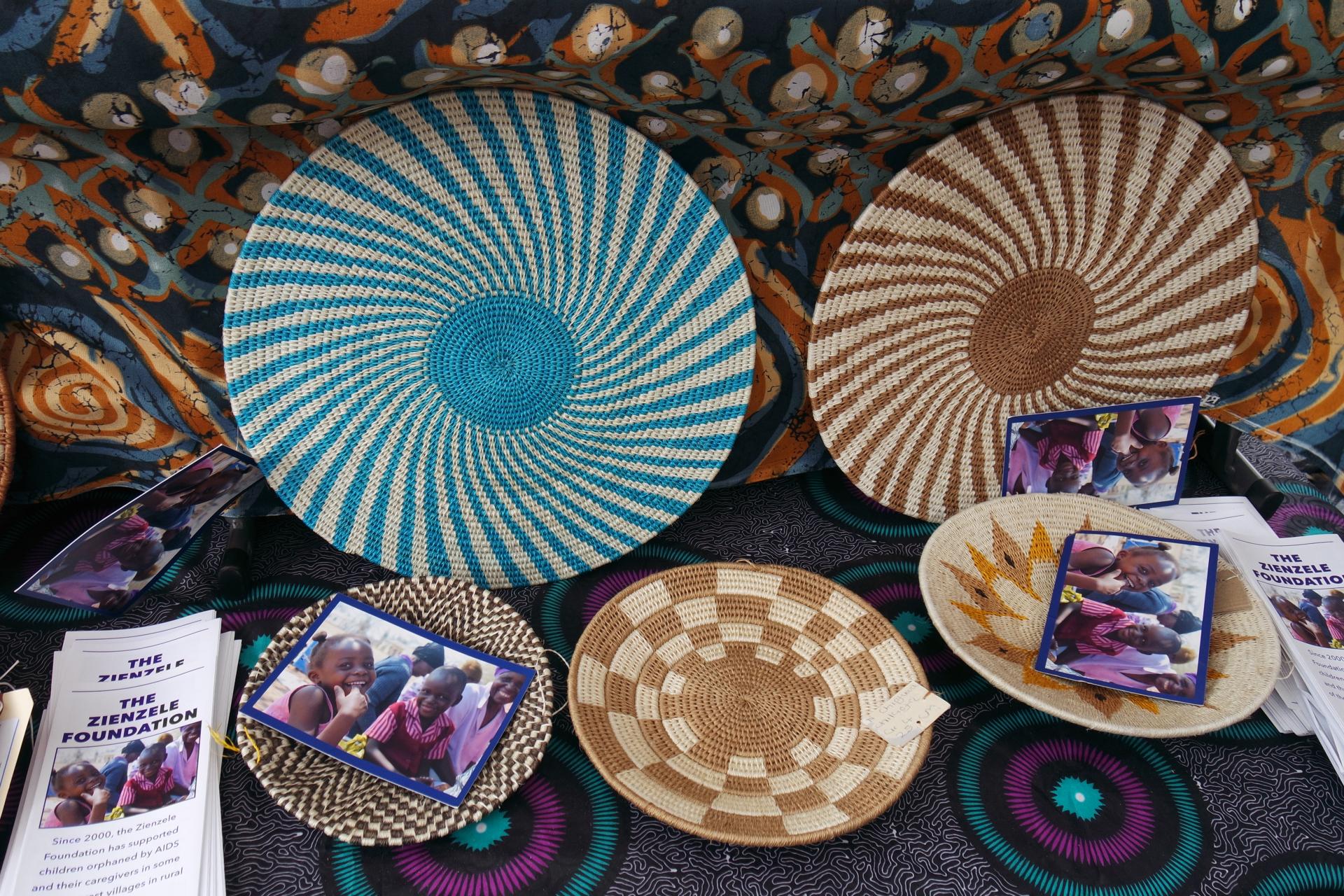
While demand for authentic, story-driven, culturally relevant crafts remains strong, customer sentiment has demonstrably shifted toward more functional products as household budgets are squeezed. At risk is the continued revitalization of traditional crafting techniques, the engagement of future generations in learning these invaluable skills, and the overall sustainability of art and craft sales, which are so critical to the livelihoods of countless Indigenous artists.
The Persistent Threat of Counterfeiting
Beyond the immediate economic pressures of inflation and tariffs, Indigenous artisans continue to grapple with other long-standing challenges, most notably the saturation of counterfeit goods in U.S. and global markets. Many global fashion and home brands frequently appropriate Indigenous motifs without permission, credit, or financial compensation to the originating communities. As consumer demand for the "Indigenous aesthetic" increases, large-scale manufacturers flood the market with cheap, machine-made replicas that mimic authentic designs at a fraction of the cost.
In the U.S., despite protective legislation such as the Indian Arts and Crafts Act, counterfeit jewelry and textiles continue to slip through regulatory cracks, diluting the market value of genuine Tribal art. Ultimately, consumers are urged to buy directly from artisans to ensure not only that the items they purchase are authentic but also that the Indigenous artisans receive the full financial benefit of their creations. Supporting these artists directly is an investment in cultural preservation and economic empowerment.
Cultural Survival continues to offer avenues for supporting Indigenous artisans. Through Cultural Survival Bazaars and donation opportunities, the organization works to sustain the livelihoods and cultural traditions of its Indigenous partners. Upcoming Bazaars are scheduled for July 24-26, 2026, at the Tiverton Four Corners Arts Center in Tiverton, RI, and August 1-2, 2026, at Farm Fresh in Providence, RI.