A widely publicized decision by popular YouTubers Jesse Ridgway and his wife, Ashley, to terminate their pregnancy following a Down syndrome diagnosis has ignited a fervent debate, drawing sharp criticism from disability advocates and researchers who argue that the couple’s narrative fails to represent the full spectrum of experiences and realities for individuals with Down syndrome and their families. The Ridgways’ announcement, shared with their over 4.3 million subscribers, has not only garnered significant attention but has also underscored critical concerns regarding the accuracy and completeness of information provided to expectant parents facing a prenatal Down syndrome diagnosis.
The Ridgways’ Announcement and Initial Reactions
Jesse Ridgway, known for his substantial online following, publicly detailed the couple’s decision-making process in a social media post that has since been widely disseminated. He described the choice as "very difficult," attributing it to extensive consultations with medical professionals, friends, family, and genetic counselors. Ridgway articulated his concerns by listing a series of potential health challenges associated with Down syndrome, stating, "50% of babies with DS have heart defects. 75% will have hearing challenges. Over 50% will have vision problems. Impaired immune function, developmental disabilities, learning disabilities, delayed physical development, poor muscle tone, structural issues with face, decreased lifespan, etc. Sadly, the list is long, feel free to look it up. Down Syndrome isn’t a ‘blessing’, it is objectively sh*t—from a health perspective. I didn’t realize just how rough it is for the child, let alone the family."
This candid, and for many, alarming, depiction of Down syndrome resonated with some members of the public who have navigated similar reproductive decisions, offering them a sense of shared experience. However, the Ridgways’ post also attracted a torrent of vitriol, including death threats, highlighting the highly charged emotional landscape surrounding reproductive choices and disability.
Advocates Challenge the Narrative: A More Nuanced Reality
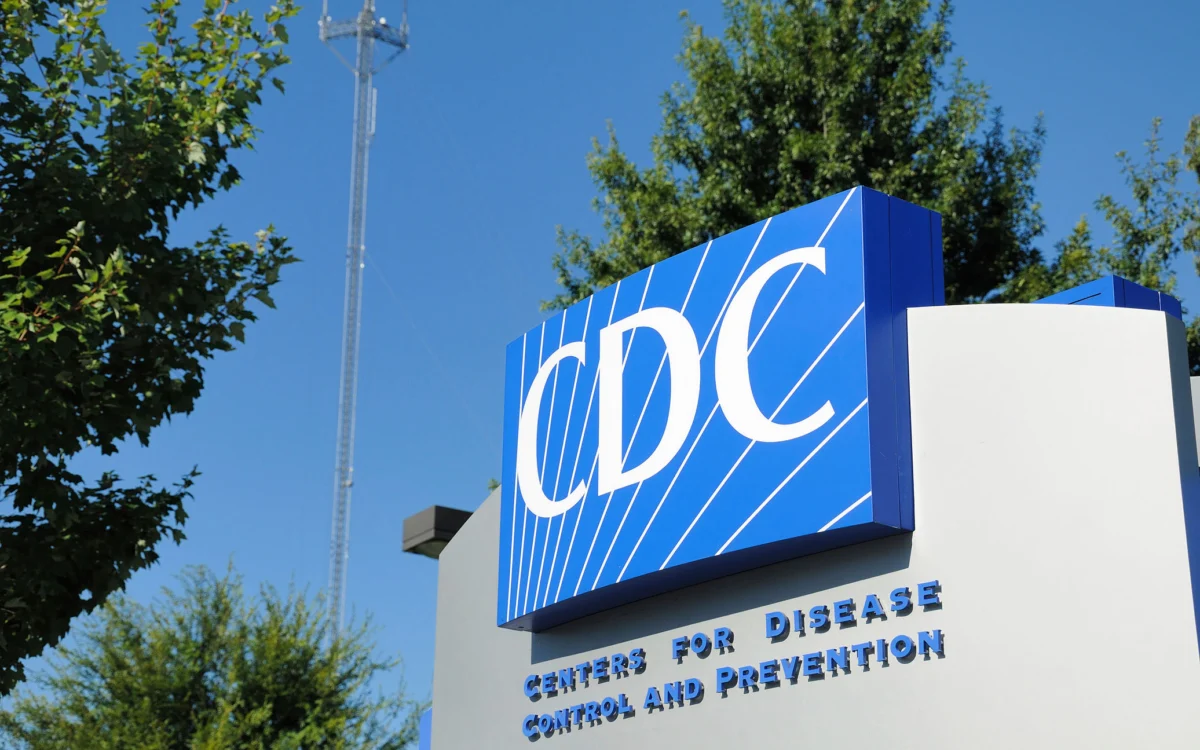
In response to the widespread attention and the specific claims made by the Ridgways, a coalition of leading Down syndrome organizations has issued a joint statement asserting that the couple’s experience "does NOT reflect the current medical understanding, lived experiences, and realities of people with Down syndrome and their families." This collective, representing a significant portion of the advocacy landscape, includes the National Down Syndrome Congress, the National Down Syndrome Society, Gigi’s Playhouse, and the Global Down Syndrome Foundation.
Michelle Sagan, director of communications and marketing at the National Down Syndrome Society, directly addressed the perceived inaccuracies in Ridgway’s portrayal of health challenges. Sagan clarified that while individuals with Down syndrome can face medical issues, these are often manageable and less severe than presented. "Most hearing conditions can be improved with tubes, and most vision conditions can be treated with glasses. In addition, the survival rate for the most common heart defect is 97% and requires no additional surgeries throughout life," she explained, providing concrete data to counter the more generalized and dire claims.
Data and Lived Experiences: A Testament to Thriving Lives
The advocacy groups emphasize that a growing body of research and the lived experiences of thousands of individuals with Down syndrome paint a far more optimistic and empowering picture. Recent data indicates a significant increase in life expectancy, with many individuals now living well into their 60s and 70s. Furthermore, a compelling study suggests that an overwhelming 99% of individuals with Down syndrome report being happy with their lives, a statistic that directly challenges the notion of Down syndrome being solely a burden.
Summer Parrish, a mother of a 6-year-old daughter with Down syndrome and host of a podcast dedicated to disability awareness, echoed these sentiments. She stated, "While there are challenges, the greatest obstacles we face are often not Down syndrome itself but societal misconceptions, low expectations and discrimination." Parrish’s perspective underscores a critical point: the societal barriers and prejudices faced by individuals with Down syndrome can often be more significant than the genetic condition itself.
Individual Success Stories: Redefining Potential
The narrative of success and fulfillment among individuals with Down syndrome is powerfully illustrated by personal stories like that of Madison Essig. Essig achieved a significant milestone by becoming the first person with Down syndrome to receive a regular diploma from the District of Columbia Public Schools and subsequently earned a degree from George Mason University. Her journey, which defied earlier expectations from some who doubted her capabilities, highlights the potential that flourishes when individuals are provided with opportunities and support.
"There are a lot of people out there who have underestimated me, and I’ve had to push to be included in so many walks of life," Essig shared. Her current life, which includes full-time employment at the National Down Syndrome Society and a position at a hair salon, along with community volunteerism and tax contributions, serves as a potent counterpoint to narratives that focus solely on limitations. "I graduated from college, have a full-time job, volunteer in my community, and pay taxes. I lead a rich and fulfilling life and am proud of who I am and who I continue to become. My story, and the story of so many others with Down syndrome, is a testament to what we can do when given the opportunity to belong and succeed," she affirmed.
The Critical Role of Prenatal Counseling: Identifying Information Gaps
The Ridgways’ situation has also brought to light a systemic issue within prenatal care: the quality and completeness of information provided to expectant parents after a Down syndrome diagnosis. Advocates and researchers point to studies indicating that many healthcare providers may inadvertently or deliberately frame a Down syndrome diagnosis negatively, potentially influencing parental decisions without offering a balanced perspective.
Stephanie Meredith, who conducted the most extensive study to date on the experiences of parents receiving a prenatal Down syndrome diagnosis, revealed concerning findings. Her research indicated that over 60% of parents reported their medical provider framing the diagnosis as "bad news," while fewer than 40% received accurate, up-to-date information about Down syndrome. This disparity in counseling suggests that some parents are not being equipped with the comprehensive understanding necessary to make fully informed decisions.
Meredith, director of the Lettercase National Center for Prenatal and Postnatal Resources at the Genetic Support Foundation, expressed her concern directly in response to the Ridgways’ public statements. "If the Ridgways are conveying all of these falsehoods and made their decision based on these assumptions (not facts), then they were not provided with the care they deserved, and that’s heartbreaking," she stated via Facebook. She further elaborated on the broader implications, noting, "And now the cycle is perpetuated on a huge social media platform and requires gargantuan effort from a small community to correct it."
Implications for Future Prenatal Care and Public Perception
The controversy surrounding the Ridgways’ decision has far-reaching implications. It highlights the urgent need for improved training and standardized protocols for healthcare providers delivering prenatal diagnoses. Ensuring that expectant parents receive accurate, balanced, and empowering information is paramount to allowing them to make choices that align with their values and understanding of life with a child with Down syndrome. This includes providing resources that showcase the diverse and fulfilling lives of individuals with Down syndrome, alongside accurate medical information.
Furthermore, the viral nature of the Ridgways’ story on social media platforms underscores the immense power and potential for misinformation in the digital age. The reach of influencers means that their narratives, whether accurate or not, can shape public perception on a massive scale. The extensive efforts required by disability advocacy groups to counter inaccurate portrayals emphasize the ongoing challenge of combating deeply ingrained stereotypes and misconceptions.
The case serves as a critical reminder that while reproductive autonomy is a fundamental right, it must be exercised with access to complete and unbiased information. The experiences of individuals with Down syndrome and their families, supported by robust data and countless personal testimonies, offer a powerful counter-narrative to the often-limited and fear-based information that some expectant parents receive. The continued work of advocacy organizations aims to ensure that future generations of parents facing a Down syndrome diagnosis are met with comprehensive support, accurate knowledge, and a realistic, hopeful outlook on the life their child can lead. The public discussion initiated by the Ridgways, while contentious, has undeniably opened a vital conversation about the importance of accurate prenatal counseling and the celebration of lives with Down syndrome.