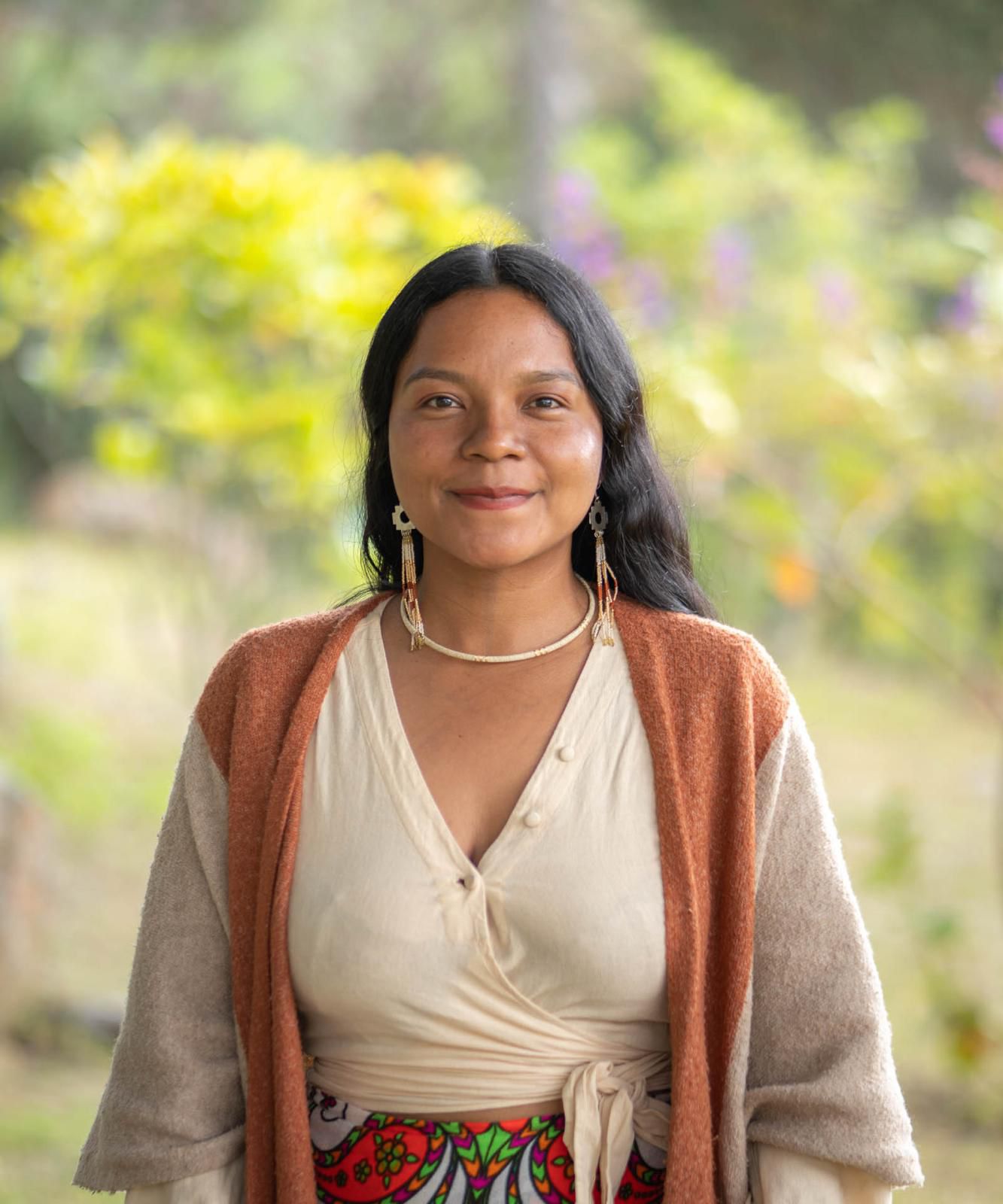
The story of Embera Eyabida is a powerful testament to the resilience of Indigenous cultures and the enduring strength of ancestral knowledge. Hailing from Colombia, Eyabida’s life has been profoundly shaped by her identity as a member of the Embera Eyabida people, a heritage that permeates her deep connection to the natural world and fuels her work as an educator, researcher, and a leading voice for Indigenous rights. Her journey, marked by the trauma of forced displacement and a profound reconnection with her roots, now positions her as a crucial advocate on the global stage, championing Indigenous methodologies and their vital role in addressing contemporary crises.
Eyabida’s early life was irrevocably altered by the violence that forced her family to flee their ancestral lands in Urabá, known as the "Land of the Sun." This period of upheaval necessitated a move to Chocó, a region where Embera and Afro-descendant communities coexist. During this time of displacement, the river became a sanctuary and a place of solace for the young Eyabida. The profound connection she felt to this natural element would later serve as a guiding force in her life. The family eventually returned to their homeland after the immediate threat subsided, finding strength and continuity in the presence of their grandmothers, who played an indispensable role in Eyabida’s upbringing and cultural transmission.
Discovering a Calling: Ancestral Wisdom and Personal Revelation
Eyabida’s path towards dedicating her life to ancestral knowledge was solidified through a serendipitous encounter. While en route to an assembly of Embera Eyabida women, she met an elder who evoked memories of her great-great-grandmother. This profound connection blossomed during the assembly, culminating in an intimate moment one evening when the elder asked Eyabida to braid her hair. As her hands worked, Eyabida experienced a deep spiritual revelation, a clear message that guided her towards a life committed to understanding and preserving the ancestral knowledge of her people.
This pivotal moment propelled her academic pursuits. At university, Eyabida focused her research on the ancestral songs of Embera grandmothers, a vital repository of cultural wisdom. Since then, her professional life has been dedicated to elevating and validating Indigenous methodologies, highlighting their inherent value and efficacy, which are deeply rooted in the collective wisdom of Indigenous communities. This commitment is not merely academic; it is a deeply personal mission to ensure that these time-tested practices are recognized and integrated into broader societal frameworks.
Legacy of Inspiration: The Influence of Anita Bailarín Domicó
A significant source of Eyabida’s inspiration is her great-great-grandmother, Anita Bailarín Domicó. In the mid-20th century, Domicó was a pivotal figure in community organization, a traditional healer, and a revered singer of trumbá. These ancestral songs are more than melodies; they are a pedagogical tool through which Indigenous peoples learn to communicate with nature and its inhabitants. Domicó imparted a crucial lesson to Eyabida: leadership and the defense of land and culture must be inextricably linked to spirituality. This spiritual foundation continues to inform Eyabida’s approach to activism and advocacy, emphasizing a holistic and deeply connected worldview.
Amplifying Indigenous Knowledge in Global Arenas
Eyabida expresses profound gratitude for the generations of leaders who have fought tirelessly for the recognition of Indigenous Peoples’ rights. Their efforts have instilled in her a deep sense of pride in her heritage and its inherent value. She actively carries this pride into "colonial spaces"—institutions and discussions often dominated by Western perspectives—asserting that Indigenous Knowledge offers viable and often overlooked solutions to pressing global challenges, particularly the climate crisis. Eyabida posits that Indigenous principles of communal living and deep ecological connection embody the concept of buen vivir (good living), offering a powerful counterpoint to the prevailing ego-centered global paradigms. This perspective is gaining traction as the world grapples with the limitations of purely economic or technological approaches to sustainability.
The urgency of Eyabida’s advocacy is underscored by concerning trends in cultural erosion. Ancestral knowledge, traditionally transmitted through rich cultural practices like music, dance, and ritual, faces unprecedented threats. The pervasive influence of technology, persistent poverty, and the imposition of Westernized educational systems are contributing to a significant loss of these cultural legacies. Eyabida warns that without these foundational roots, younger generations will be deprived of the essential tools needed to protect their territories and maintain their cultural integrity and dignity. This intergenerational knowledge transfer is not merely about preserving traditions; it is about ensuring the survival and self-determination of Indigenous communities.
Bridging the Gap: Indigenous Women in Leadership
Eyabida has directly experienced the gender disparities that persist in decision-making spaces. She recently coordinated a working group focused on biodiversity and Indigenous Peoples, where she found herself to be the sole woman present. This personal observation highlights a significant and persistent gap in the participation of Indigenous women in forums that shape policy and influence the future of their communities and territories.
She eloquently describes the unique strength of women’s leadership, a potent blend of resilience and empathy. Eyabida emphasizes her commitment to participating in these spaces authentically, drawing upon the wisdom passed down by her grandmothers and the profound lessons learned from her ancestral lands, particularly from the rivers. She recalls a powerful sentiment shared by a brother from the Ecuadorian Amazon: "We, Indigenous Peoples are defenders and caretakers of the Earth by nature, and this principle applies to both women and men." This statement underscores the inherent responsibility and capability of all Indigenous people, regardless of gender, to act as stewards of the planet.
A Partnership for Preservation: Joining Cultural Survival
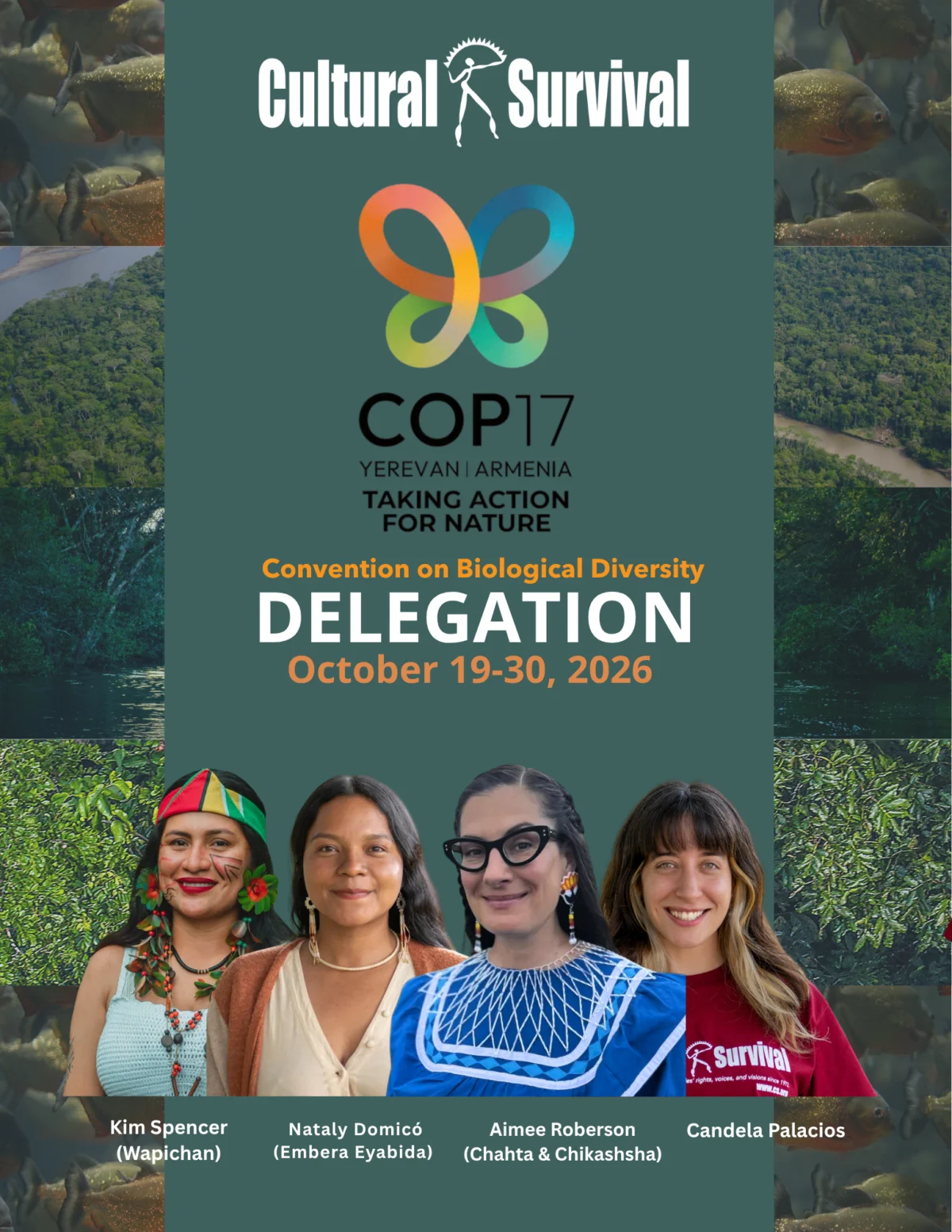
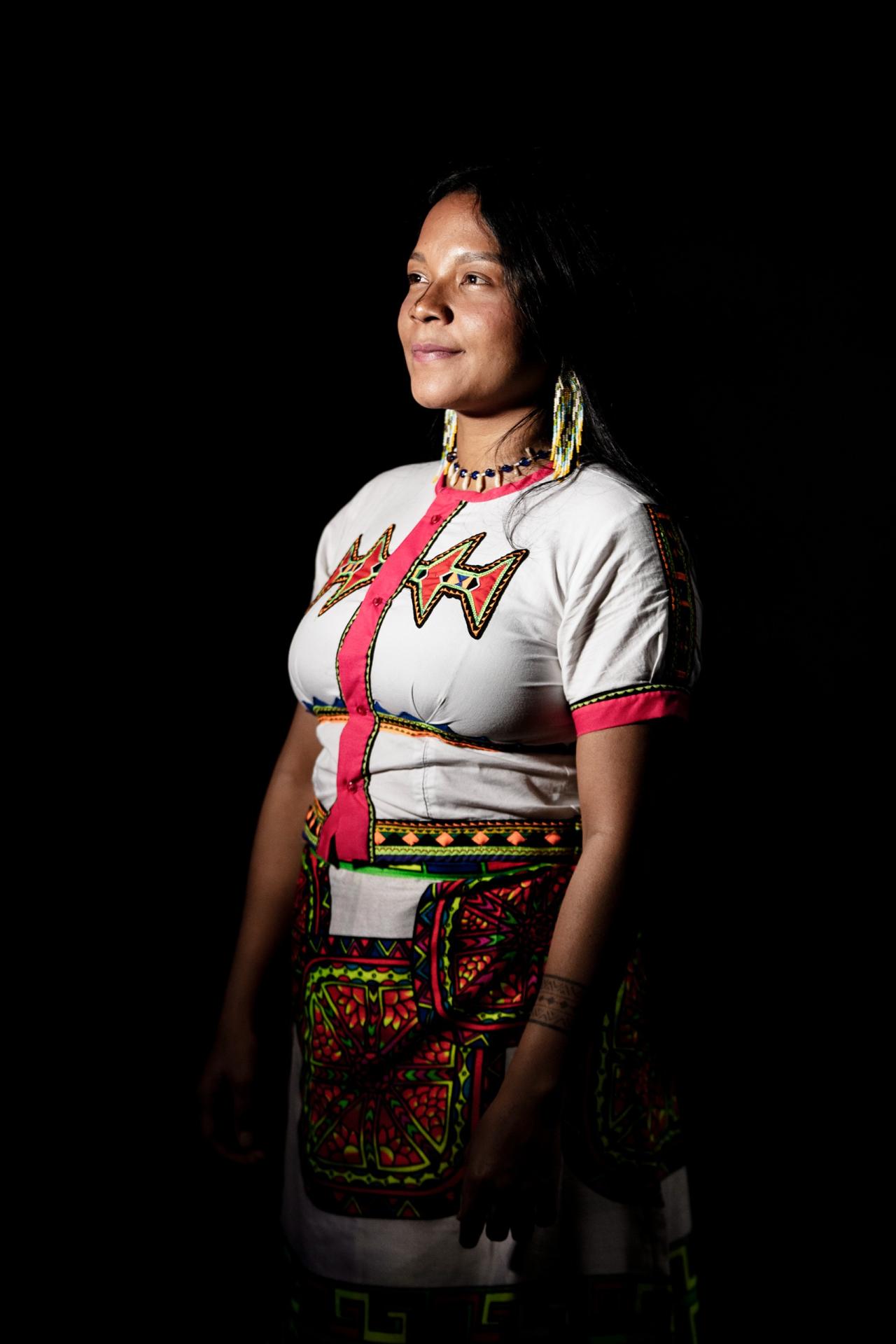
Eyabida’s engagement with Cultural Survival began with their support for her project aimed at recovering ancestral songs through the Keepers of the Earth Fund. This initial collaboration proved transformative, leading her to pursue a master’s degree in sacred site protection. Her experience as a CS youth fellow further solidified her understanding of the organization’s impactful work. Inspired by their dedication, Eyabida harbored a strong desire to join the Cultural Survival team. Her aspiration is to contribute to and learn from the ongoing struggles, defense efforts, and the invaluable ancestral knowledge of Indigenous Peoples, not only within Colombia but across the globe. This partnership represents a significant step in amplifying Indigenous voices and supporting their vital work on a broader international platform.
Vision for a Harmonious Future: Dreams and Aspirations
Looking ahead, Eyabida is driven by a clear vision for the future. She is committed to supporting the revitalization and protection of traditional governance systems, with a particular focus on safeguarding sacred sites that are increasingly threatened by extractive industries like mining and large-scale monoculture agriculture. These threats pose an existential risk to both the cultural and ecological integrity of Indigenous territories.
Her dreams extend to a future where pristine water sources flow freely and native wildlife thrives, ensuring the continued prosperity and well-being of her community. Furthermore, Eyabida intends to deepen her understanding of medicinal plants and pursue doctoral studies. Her ultimate goal is to further elucidate the profound and integral connection between culture, nature, and the very essence of human life—a holistic understanding that she believes is crucial for navigating the complexities of the 21st century. Her work embodies a profound commitment to the preservation of Indigenous heritage and its indispensable contribution to a sustainable and equitable world.