The landscape of digital media has undergone a transformative shift in the last decade, transitioning from curated promotional content to a more visceral and immediate form of celebrity engagement. For the LGBTQ+ community, platforms like Instagram have become essential conduits for visibility, advocacy, and the humanization of public figures. The recent aggregation of social media activity among prominent queer celebrities—ranging from musicians like Janelle Monáe to culinary experts like Mel King—illustrates a broader trend of "unfiltered" communication that bypasses traditional gatekeepers. This phenomenon not only reshapes celebrity-fan dynamics but also reinforces the cultural infrastructure of queer identity in the digital age.
The Significance of Visibility in High-Stakes Public Spaces
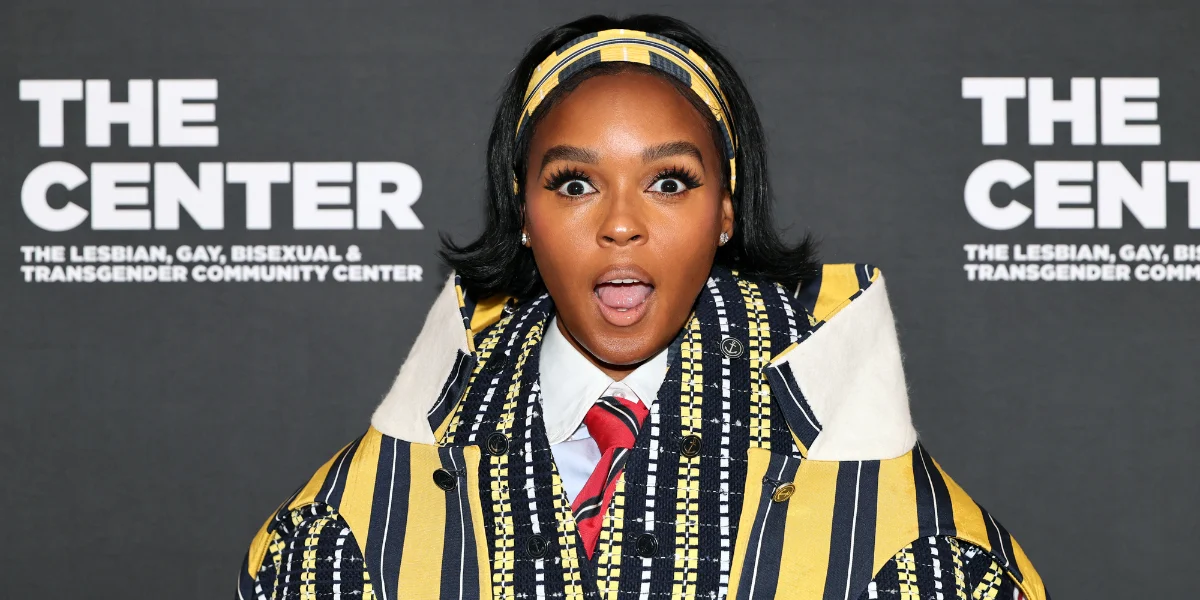
A primary driver of modern queer cultural influence is the consistent presence of high-profile individuals in spaces traditionally dominated by heteronormative narratives. Janelle Monáe, a non-binary artist and actor, has become a symbol of this persistence. Monáe’s frequent appearances at Pride-related events and their active participation in community-building activities serve as a cornerstone of their public persona. Unlike the strategic, often distant participation of "allies," Monáe’s presence is characterized by a "boots-on-the-ground" approach. This level of visibility is significant; according to GLAAD’s 2023 "Where We Are on TV" report, while LGBTQ+ representation is increasing, the demand for authentic, lived-experience narratives remains at an all-time high. Monáe’s social media presence acts as a living archive of this authenticity, signaling to followers that queer joy and activism are not merely seasonal marketing tools but permanent fixtures of their identity.
Similarly, the public relationship between Australian musician G Flip and Selling Sunset star Chrishell Stause has provided a high-visibility case study in queer romance within the reality television and music industries. Their social media interactions, often highlighting mutual support and domestic milestones, offer a counter-narrative to the sensationalized "coming out" tropes often found in tabloid media. By documenting their relationship through a "No Filter" lens, they contribute to the normalization of non-binary and queer partnerships for a global audience, impacting how such relationships are perceived in mainstream entertainment.
Culinary Excellence and the Institutional Recognition of Queer Talent
The intersection of queer identity and professional achievement was recently highlighted by the announcement of Mel King’s James Beard Award. King, a prominent figure in the culinary world and a recent cover subject for Autostraddle, represents a growing movement of LGBTQ+ professionals gaining recognition in fields that have historically lacked diversity at the executive and award-winning levels.
The James Beard Foundation, often referred to as the "Oscars of the food world," has made concerted efforts in recent years to address systemic biases within the industry. King’s win is a data point in a larger trend: since the foundation’s audit and restructuring in 2021, there has been a 30% increase in the diversity of nominees across all categories. King’s success, celebrated widely across social media by peers and fans alike, underscores the importance of institutional validation for queer professionals. This recognition serves a dual purpose: it honors individual excellence and provides a blueprint for future generations of queer chefs and restaurateurs.
The Evolution of "Coming Out" in the Digital Era
The concept of the "coming out" moment has evolved from the high-stakes magazine cover—typified by Ellen DeGeneres in 1997—to more nuanced, community-oriented disclosures. Actor and director Zoe Lister Jones recently exemplified this shift. Known for her role as Fawn Moscato on the sitcom New Girl, Lister Jones’s public identification with the queer community was met with significant engagement from a demographic that has long viewed her characters through a queer lens.
The cultural impact of "Fawn Moscato" as a "femme" archetype highlights how audiences often find queer subtext in media long before an actor’s public disclosure. This retrospective validation creates a unique bond between the celebrity and the fan base. For many, Lister Jones’s presence "on the team" is not just a personal update but a validation of years of cultural interpretation. This reflects a broader trend where celebrities use social media to retroactively claim their place in queer history, fostering a sense of shared journey with their audience.
Transmedia Adaptations and the Longevity of Queer Artifacts
The announcement that a song from eleven years ago is being adapted into a film highlights the increasing trend of transmedia storytelling. In the context of queer culture, music often serves as the first point of contact for identity formation. When a song—particularly one that "changed the game" in 2013—is reimagined as a cinematic experience, it speaks to the enduring power of queer-coded or queer-produced art.
This trend is supported by industry data showing that Gen Z and Millennial audiences are 40% more likely to engage with content that spans multiple platforms. By turning a decade-old musical milestone into a contemporary film, creators are able to bridge the gap between nostalgia and modern production values, ensuring that queer narratives remain relevant across different media formats.
Body Positivity and Transgender Visibility in Fitness
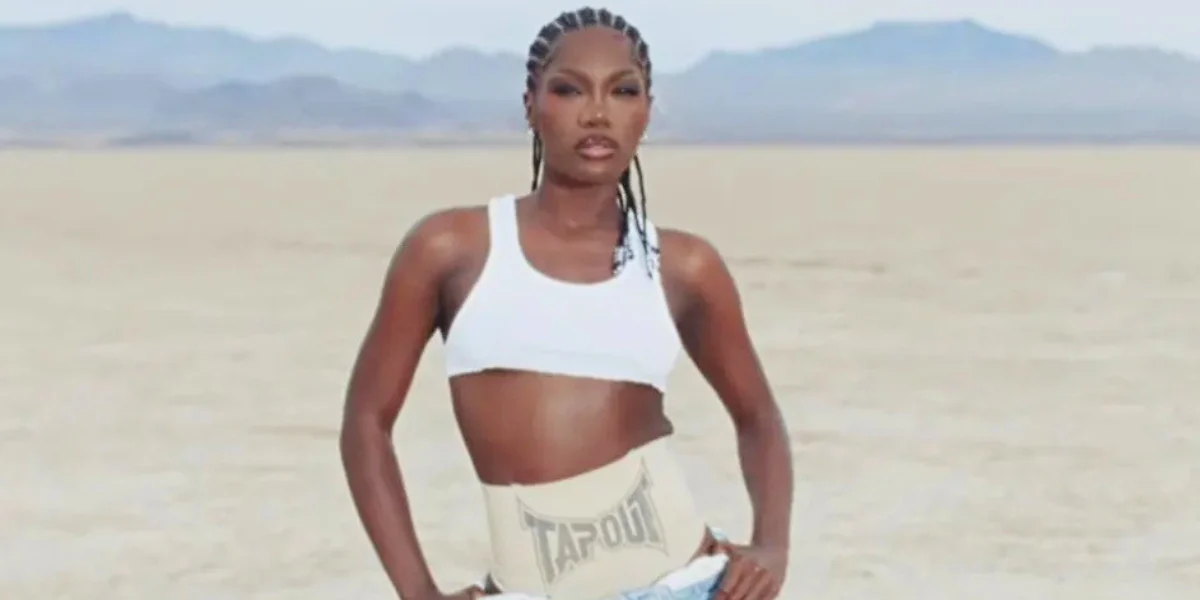
The visibility of transgender individuals in the fitness and modeling industries has also seen a marked increase, as evidenced by the public profile of AJ Clementine. Clementine, an Australian model and advocate, has used her platform to document her fitness journey, challenging traditional gendered expectations of the "swole" or muscular physique.
Her presence in the digital space is a critical component of transgender visibility. According to a 2022 study by the Trevor Project, positive representation of transgender bodies significantly correlates with improved mental health outcomes for gender-diverse youth. Clementine’s social media activity, which focuses on health, strength, and body autonomy, provides an essential counterpoint to the often-politicized discourse surrounding transgender bodies.
Mentorship, Advice, and the "Auntie" Archetype
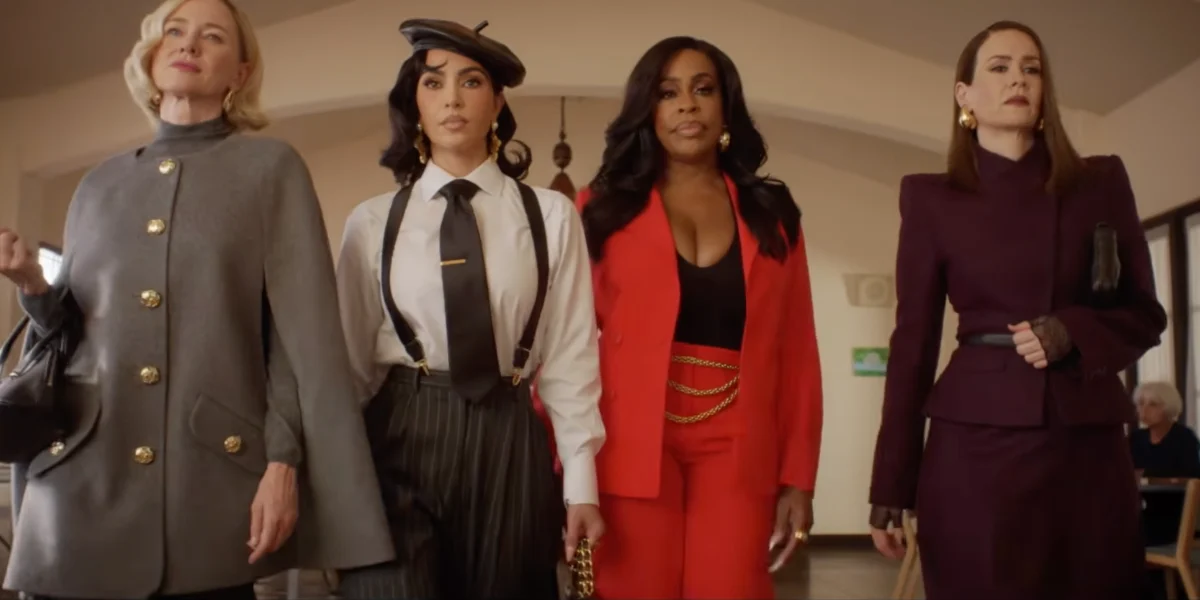
The role of the "Auntie" or elder in the queer community is a vital social structure, often replicated in the digital sphere. Figures like Niecy Nash-Betts, often referred to affectionately as "Auntie," provide a blend of humor, life advice, and boundary-setting that resonates deeply with younger followers. Nash-Betts’s marriage to musician Jessica Betts has been a high-profile example of queer happiness in mid-life, providing a necessary alternative to the youth-centric focus of much LGBTQ+ media.
Her advice—ranging from interpersonal dynamics to professional conduct—serves as a form of digital mentorship. This phenomenon addresses a historical gap in the queer community: the loss of elders due to the HIV/AIDS epidemic and systemic marginalization. By stepping into these roles on platforms like Instagram, celebrities of a certain vintage are helping to rebuild the intergenerational bridges that are necessary for a healthy community ecosystem.
Broader Impact and Industry Implications
The "No Filter" approach to celebrity news is more than a gossip format; it is a reflection of a changing media economy. Traditional PR-managed narratives are being replaced by direct-to-consumer authenticity. For the LGBTQ+ community, this shift is particularly potent. It allows for the expression of "queer joy" without the filtering of heteronormative editorial standards.
Chronology of Recent Queer Social Media Milestones:
- 2021-2022: A surge in "soft launches" of queer relationships on Instagram, moving away from formal press releases.
- Early 2023: Institutional recognition peaks with several high-profile James Beard and Academy Award wins for queer creators.
- Mid-2024: The consolidation of "No Filter" culture, where social media posts become the primary source for news outlets and community discussion.
The implications for the entertainment and marketing industries are significant. Brands and studios are increasingly looking to these organic interactions to gauge the viability of projects. The high engagement rates for posts involving Mel King’s award or Zoe Lister Jones’s coming out provide empirical evidence of a loyal, active, and economically powerful queer audience.
In conclusion, the intersection of social media and queer celebrity culture has created a new paradigm of visibility. By sharing their triumphs, their relationships, and their professional milestones directly with their audience, these figures are not only building their personal brands but are also strengthening the collective fabric of the LGBTQ+ community. As the digital landscape continues to evolve, the "No Filter" ethos will likely remain a vital tool for authentic representation and cultural progress.