The New York Knicks have concluded a historic postseason run, securing their first NBA Championship since 1973 by defeating the San Antonio Spurs in a five-game series. This victory ends a 53-year title drought for one of the league’s most storied franchises, sparking a wave of celebration across the five boroughs and highlighting a significant shift in the city’s sports culture. The championship clincher, led by a transcendent 41-point performance from point guard Jalen Brunson, marks the culmination of a multi-year rebuilding process and establishes a new era for professional basketball in New York City.

The Path to the A Chronology of the Finals
The 202X NBA Finals were defined by dramatic momentum shifts and historic comebacks. Entering the series as slight favorites, the Knicks utilized a combination of veteran grit and high-octane offense to overcome a young, resilient San Antonio Spurs roster led by Rookie of the Year Victor Wembanyama.
Game 1 and 2: Establishing Domestic Dominance
The series opened at Madison Square Garden, where the Knicks leveraged home-court advantage to take an early lead. However, it was Game 2 that set the tone for the team’s resilience. Trailing by as many as 14 points in the second half, the Knicks mounted a methodical comeback. The game reached its climax in the final minute when a rare turnover by Wembanyama led to a foul on Jalen Brunson. Brunson’s subsequent free throws secured a one-point victory, demonstrating the team’s ability to execute under extreme pressure.

Game 3 and 4: Historic Resilience on the Road
After a disappointing loss in Game 3 in San Antonio, the Knicks faced a pivotal Game 4 that would eventually be etched into the NBA record books. In the first half, the Knicks appeared overwhelmed, falling behind by 27 points as the Spurs capitalized on perimeter shooting.
In what statisticians have identified as the largest comeback in NBA Finals history, the Knicks surged back in the fourth quarter. The rally was punctuated by a defensive masterclass and a series of clutch three-pointers from the supporting cast. The game concluded with an iconic sequence: a missed three-point attempt by Brunson followed by a leaping tip-in from forward OG Anunoby with 5.7 seconds remaining. The 112-111 victory gave the Knicks a 3-1 series lead and demoralized the San Antonio defense.
Game 5: The Clincher
Returning to New York, the Knicks entered Game 5 with the opportunity to clinch the title on their home floor. Jalen Brunson delivered what analysts are calling one of the greatest individual performances in Finals history, scoring 41 points. Despite a late-game surge from the Spurs and technical difficulties that briefly interrupted local broadcasts, the Knicks maintained a narrow lead. The final buzzer saw the Knicks win 108-105, igniting a citywide celebration that lasted well into the following morning.
Statistical Analysis and Key Contributors
The Knicks’ success in this championship run was predicated on elite efficiency and defensive versatility. Jalen Brunson averaged 32.4 points and 8.2 assists throughout the Finals, earning the Finals MVP award. His leadership was complemented by the defensive prowess of OG Anunoby, whose presence on the floor correlated with a significant drop in the Spurs’ shooting percentage in the paint.
Karl-Anthony Towns, acquired to provide spacing and rebounding, played a crucial role as a secondary scoring option. Despite facing intense scrutiny and occasionally personal criticism from national media, Towns remained a steadying force, averaging a double-double over the five-game stretch. The team’s depth, including contributions from Josh Hart and defensive specialist Jose Alvarado, allowed Head Coach Tom Thibodeau to maintain a high-intensity rotation that eventually wore down the younger Spurs roster.
Cultural Impact and the Expansion of the Fan Base
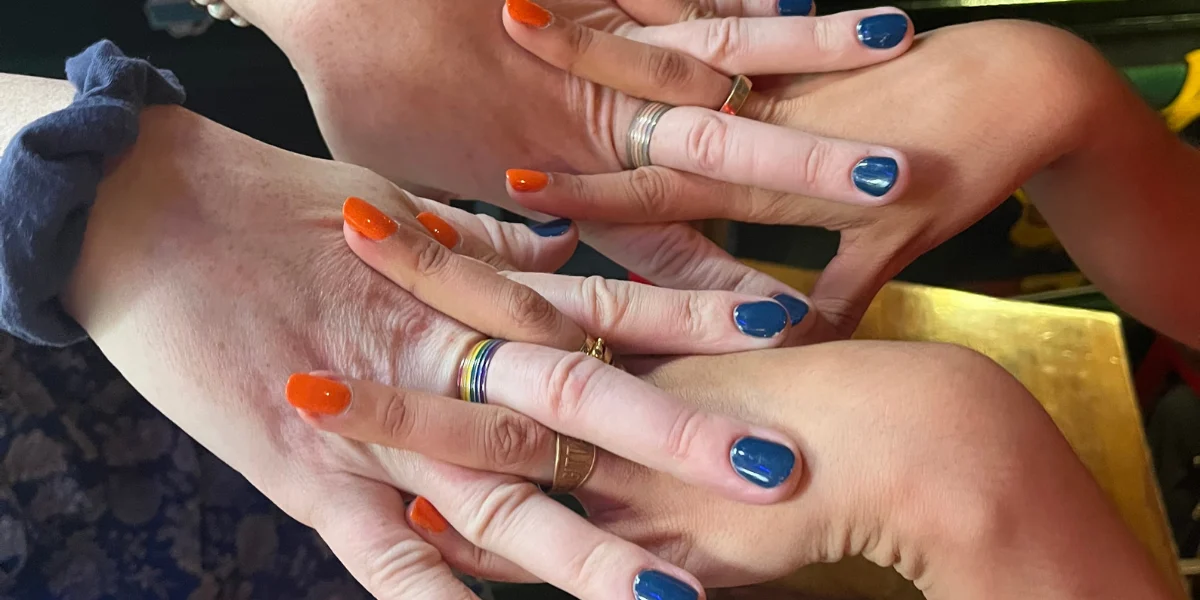
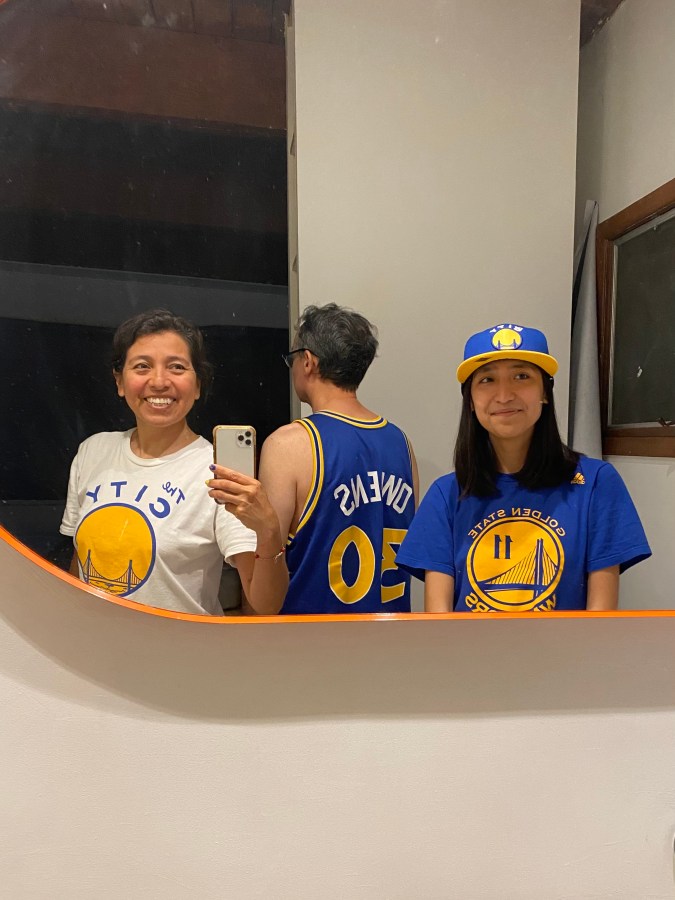
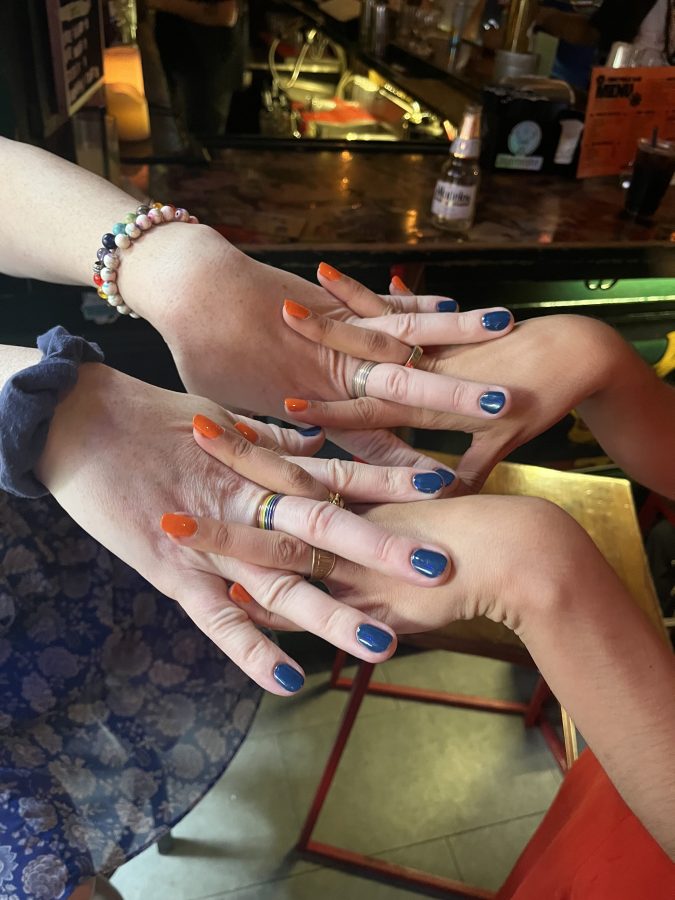
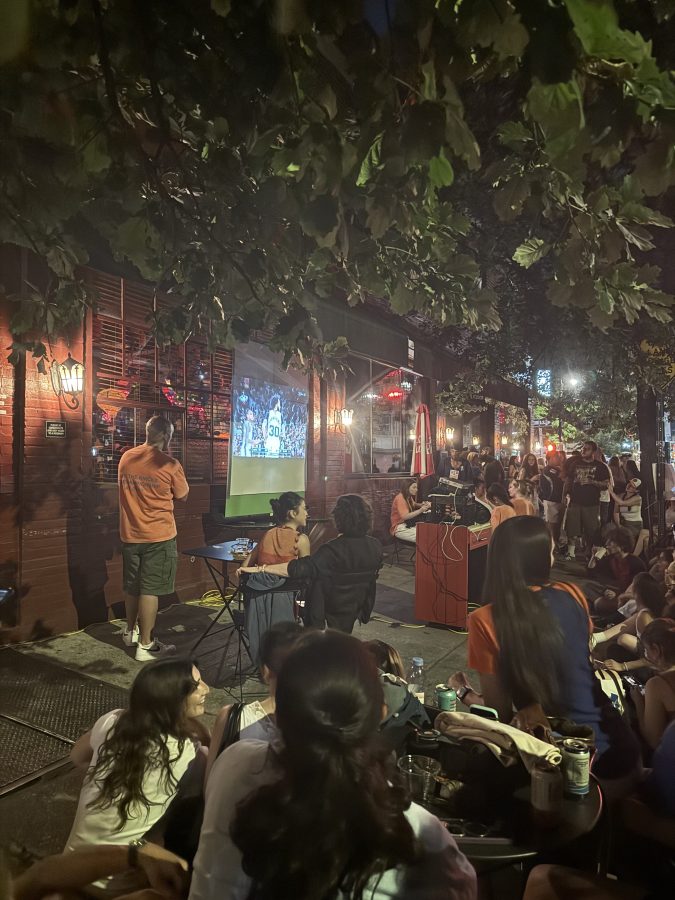
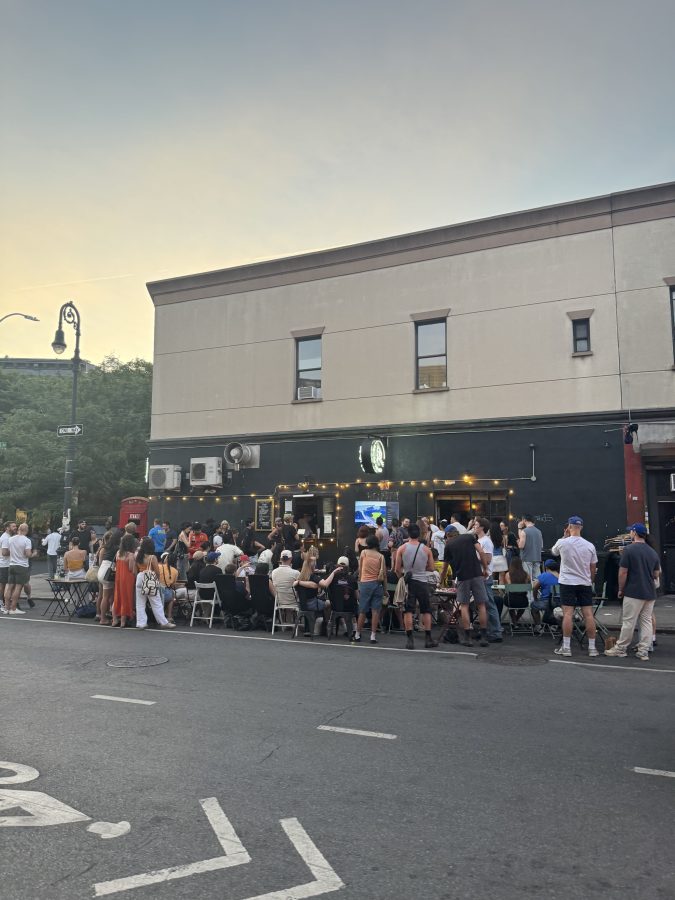
The 202X championship run has had a profound impact on the social fabric of New York City, transcending traditional sports demographics. Observers noted a particularly strong surge in engagement from the LGBTQ+ community, with lesbian and queer bars across the city becoming central hubs for game-watch parties.
The Role of Queer Spaces
Establishments such as Cubbyhole in Manhattan, Boyfriend in Bed-Stuy, and Ray’s Hometown Bar in Greenpoint reported record-breaking attendance during the Finals. For many queer fans, these venues provided a safe and inclusive alternative to traditional sports bars, which have historically been perceived as male-dominated and occasionally exclusionary.
The intersection of queer identity and sports fandom was further highlighted by the city’s response to "Orange and Blue Day," a municipal declaration by the Mayor’s office. The visibility of diverse fan groups—including those who traveled from out of state to watch the games in New York’s iconic lesbian bars—suggests a broadening of the NBA’s cultural reach.
Addressing Homophobia in Sports Discourse
The championship run also brought to the forefront ongoing discussions regarding inclusivity within the NBA. Players like Karl-Anthony Towns have been the subject of social media commentary that utilizes coded language to critique emotional expression on the court. However, the rallying of the queer community around the Knicks serves as a counter-narrative to these traditional attitudes, signaling a demand for a more inclusive environment for both players and fans.
Official Responses and Municipal Celebrations
In the wake of the Game 5 victory, New York City officials moved quickly to organize celebratory events. Mayor Eric Adams issued a statement praising the team’s "grit, determination, and New York spirit," noting that the victory provided a significant morale boost to the city.

"This is more than just a trophy," the Mayor stated during a press briefing. "This is a testament to the resilience of New York. From the Bronx to Staten Island, the energy is electric. The Knicks have reminded us what it means to never give up, no matter how large the deficit."
The city has scheduled a ticker-tape parade along the Canyon of Heroes, expected to draw millions of spectators. Economic analysts project that the championship run and subsequent celebrations will generate hundreds of millions of dollars in local revenue, particularly for the hospitality and retail sectors.
Historical Context: From "We Believe" to "The New Dynasty"
To understand the weight of this victory, one must look at the decades of frustration that preceded it. Following the 1973 championship led by Willis Reed and Walt Frazier, the Knicks experienced several eras of near-greatness, most notably the Patrick Ewing-led teams of the 1990s. However, the franchise also weathered long periods of mismanagement and losing seasons.
The current roster’s success draws parallels to the "underdog" narratives of the past, but with a modern analytical edge. The front office’s strategy of acquiring high-IQ players with defensive versatility has finally paid off. Furthermore, the personal histories of the players—many of whom share deep bonds from their collegiate years—have created a chemistry that resonated with a city that prides itself on community and loyalty.
Broader Implications for the NBA
The Knicks’ championship has significant implications for the league’s landscape. First, it reaffirms the importance of a strong New York market for the NBA’s global brand. High television ratings and social media engagement throughout the playoffs suggest that a competitive Knicks team is a major driver of league-wide interest.
Second, the series highlighted the evolution of the game’s stars. While the Spurs’ Victor Wembanyama represents the future of the league’s "positionless" basketball, the Knicks’ victory was a win for a more traditional, guard-oriented system bolstered by elite wing defense.
Finally, the cultural phenomenon surrounding the team’s diverse fan base provides a roadmap for how professional sports teams can engage with marginalized communities. By fostering environments where all fans feel safe to express their passion, the Knicks have inadvertently set a new standard for sports marketing and community relations.
Conclusion
The New York Knicks’ 202X NBA Championship is a milestone that transcends the box score. It is a story of a 53-year wait ended by a 27-point comeback, a story of a point guard reaching his prime on the world’s biggest stage, and a story of a city coming together in its most diverse and inclusive spaces. As the orange and blue confetti is cleared from the streets, the impact of this victory will likely be felt for generations, cementing this roster’s place in the pantheon of New York legends. For the fans who gathered in the bars of Brooklyn, the streets of Manhattan, and the courts of Queens, the victory is a long-overdue validation of their loyalty to a team that finally mirrored the resilience of the city itself.