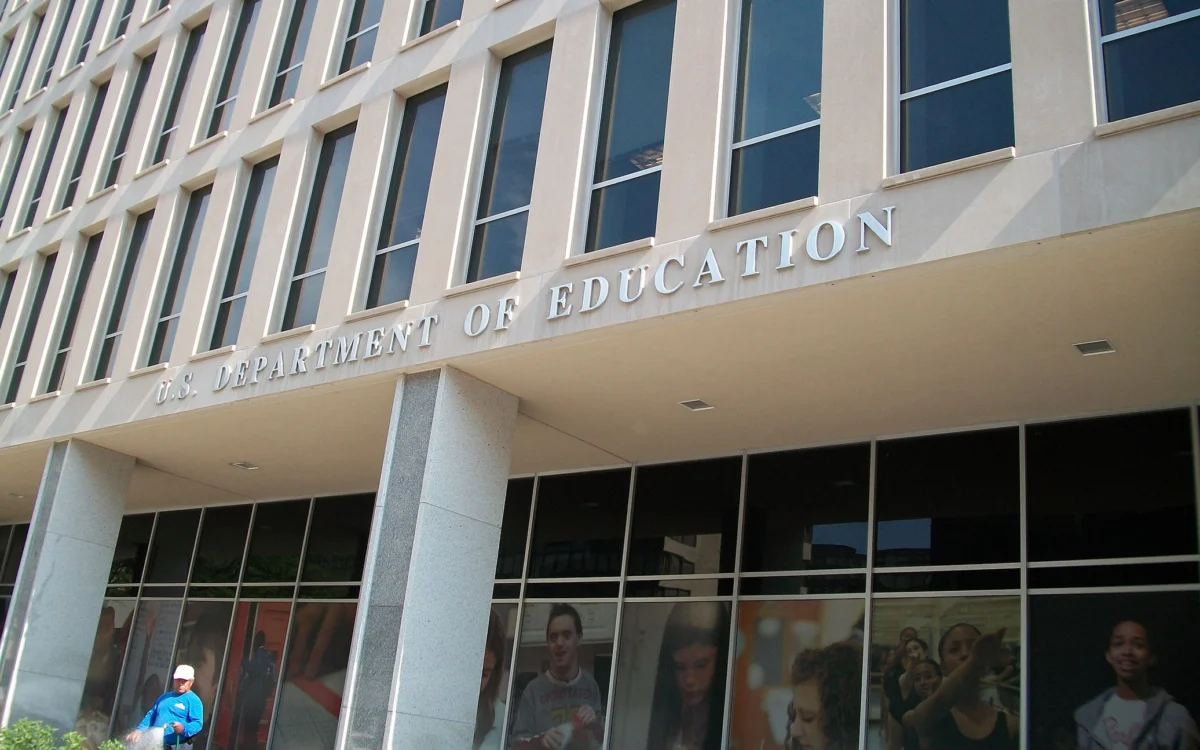
Multiple states are mounting a legal challenge against the U.S. Department of Education, alleging an abrupt and unlawful cancellation of millions of dollars in grants earmarked for training special education teachers. California, Rhode Island, and Wisconsin have spearheaded this legal action, filing lawsuits this week in federal court to contest the termination of funding that was mid-cycle in a five-year grant program. The Trump administration’s decision to revoke these crucial funds has sent shockwaves through the special education community, raising concerns about the future of teacher preparation and the support systems for students with disabilities.
The affected grants were part of the State Personnel Development Grant Program, a long-standing initiative operating under the Individuals with Disabilities Education Act (IDEA). This program has historically served as a vital mechanism for bolstering personnel preparation and professional development for individuals working with children with disabilities, from early intervention services through the critical transition years into adulthood. Typically, multi-year grants awarded through this program undergo annual reviews to ensure compliance with performance metrics and financial accountability. However, the lawsuit contends that it is highly unusual, and often unprecedented, for awarded funds to be cut off abruptly, particularly without prior notification or a clear, reasoned explanation.
The lawsuit, filed in the U.S. District Court for the Northern District of California, specifically targets the U.S. Department of Education and its Secretary, Linda McMahon. The core of the states’ grievance lies in the administration’s justification for the cancellations: the grants were deemed to "reflect the prior administration’s priorities and policy preferences and conflict with those of the current administration." This rationale, the plaintiffs argue, is not only arbitrary but also a violation of established administrative procedures.
Background of the State Personnel Development Grant Program
The State Personnel Development Grant Program has been a cornerstone of federal efforts to ensure a qualified and well-prepared workforce for special education. Established to address critical shortages of special education professionals and to enhance the quality of services provided to students with disabilities, the program typically funds innovative approaches to teacher recruitment, retention, and professional development. These grants have historically supported a wide array of initiatives, including:
- Recruitment and Retention Programs: Efforts to attract and keep highly qualified special education teachers in high-need areas.
- Professional Development: Training for existing educators and administrators on evidence-based practices, new technologies, and evolving pedagogical approaches.
- University Partnerships: Collaboration with higher education institutions to develop specialized curricula and train future special education professionals.
- Leadership Development: Programs aimed at preparing special education administrators and policymakers.
- Interdisciplinary Training: Fostering collaboration among special education teachers, general education teachers, related service providers, and families.
The funding cycle for these grants is typically multi-year, providing states with a predictable stream of financial support to implement and sustain long-term initiatives. This predictability is essential for building capacity, developing robust programs, and demonstrating measurable improvements in outcomes for students with disabilities.
Chronology of the Grant Cancellations
The abrupt cancellation of these grants follows a broader directive from the Trump administration’s Office of Special Education Programs (OSEP). In September of the preceding year, OSEP halted funding for 25 grants awarded under IDEA Part D. The recent lawsuits focus on a subset of these, where the states involved were in the midst of their five-year funding cycles.
The critical turning point appears to have been the administration’s review of grant applications submitted between 2021 and 2024. According to the states’ legal filings, these grants were flagged for mentioning diversity, equity, and inclusion (DEI) – "no matter how fleeting." This is particularly significant because, during the application period, the Department of Education itself reportedly required applicants to incorporate and highlight equity programs and initiatives. The states contend that they were incentivized, and in some cases mandated, to include these elements in their proposals, only to be penalized for doing so retrospectively.
The timing of the cancellations, occurring mere weeks before the expected disbursement of federal funds, left the affected states in a precarious financial position. Without advance warning, they lacked the necessary reserves or alternative funding sources to immediately absorb the loss and continue their programs. This led to the forced shutdown of initiatives that were designed to enhance the skills and knowledge of educators serving vulnerable student populations.
Supporting Data and the Impact of Special Education Shortages
The cancellation of these grants comes at a time when the nation faces a persistent and deepening shortage of qualified special education teachers. Data from various sources underscore the severity of this crisis:
- Teacher Vacancy Rates: Numerous reports from organizations like the National Education Association (NEA) and the Council for Exceptional Children (CEC) consistently highlight high vacancy rates in special education positions across the country. Some states report that special education is among the most difficult subject areas to staff.
- High Turnover: The demanding nature of special education, coupled with insufficient support and resources, contributes to high turnover rates among existing teachers, further exacerbating shortages.
- Impact on Students: A lack of qualified personnel directly impacts the quality of education and support services students with disabilities receive. This can lead to larger class sizes, reduced individualized attention, and delayed or inadequate interventions, hindering academic progress and social-emotional development.
- Cost of Understaffing: Research suggests that the economic cost of understaffing in special education includes increased reliance on less qualified substitutes, higher recruitment costs, and potential legal challenges related to non-compliance with IDEA mandates.
The State Personnel Development Grant Program was designed, in part, to mitigate these very issues by investing in the pipeline of qualified professionals. The sudden withdrawal of this funding risks reversing any progress made and intensifying the existing crisis. For instance, a program designed to train 50 new special education teachers over a three-year period, funded by a grant of, say, $1.5 million, would suddenly be defunct. This translates to a loss of trained professionals who could have served hundreds of students. The states involved in the lawsuit represent significant student populations with disabilities, making the impact of these cancellations particularly substantial. California alone has over 800,000 students with disabilities, and ensuring they are served by highly trained professionals is a monumental task.
Legal Arguments and Allegations
The lawsuits filed by California, Rhode Island, and Wisconsin present a multi-pronged legal attack on the Department of Education’s actions. Central to their claims is a violation of the Administrative Procedures Act (APA). The states allege that the grant cancellations were based on new, undisclosed priorities that were not subjected to the mandatory notice and comment period required under the APA. This process ensures transparency and allows affected parties to provide input on proposed federal regulations or policy changes.
Furthermore, the states argue that the federal government has wrongly asserted "nearly limitless discretion to discontinue grants based on new priorities" without adequate justification. They contend that the Department failed to provide a "reasoned explanation" for the terminations, a standard often required for administrative actions to be deemed lawful.
A particularly galling aspect for the plaintiffs is the federal government’s perceived shift in position and alleged misleading of states. By initially requiring applicants to emphasize equity initiatives as a condition for receiving grants, and then subsequently penalizing them for including these very initiatives, the states feel they were set up for failure. This alleged bait-and-switch tactic is a significant point of contention in the legal filings.
The states are seeking a judicial order to reinstate their grants, effectively reversing the Department’s decision and restoring the funding that was abruptly withdrawn.
Official Responses and Departmental Stance
When reached for comment, a spokesperson for the Department of Education, Amelia Joy, offered a statement that did not directly address the specific claims made in the lawsuits. However, the statement affirmed the Department’s commitment to ensuring that "every child with a disability receives the special education and related services they are legally entitled."
"Children with disabilities must receive the services guaranteed under federal law, delivered by qualified personnel prepared to strengthen educational outcomes," Joy stated. She added that the "Trump administration has made historic investments to support students with disabilities and will continue to help states expand proven learning methods that produce stronger results."
This statement, while emphasizing the administration’s purported dedication to students with disabilities, does not reconcile with the states’ allegations of grant cancellations that directly undermine these very goals. The reference to "historic investments" and "proven learning methods" stands in contrast to the abrupt termination of programs designed to build capacity and enhance the qualifications of educators.
Broader Implications and Future Outlook
The cancellation of these special education grants carries significant implications beyond the immediate financial strain on the affected states. It raises broader questions about the stability and predictability of federal funding for critical educational initiatives. For states and institutions that rely on multi-year grants, abrupt cancellations can disrupt long-term planning, erode trust in federal partnerships, and ultimately jeopardize the services available to students with disabilities.
The legal battles initiated by California, Rhode Island, and Wisconsin signal a growing frustration with what many perceive as an arbitrary and harmful approach to educational policy by the current administration. The lawsuits are likely to draw considerable attention from disability advocacy groups, educators, and policymakers nationwide, who will be watching closely to see how the courts interpret the Department’s actions and the states’ claims of procedural violations.
Should the states prevail, it could set a precedent for challenging similar administrative decisions and reinforce the importance of transparency and due process in federal grant management. Conversely, if the Department of Education successfully defends its actions, it could embolden further shifts in grant priorities without extensive public consultation, potentially impacting other federally funded programs.
The core of the dispute centers on the federal government’s role in shaping educational priorities and the procedural safeguards in place to ensure that such shifts do not unfairly penalize states or undermine essential services. The outcome of these lawsuits will undoubtedly have a lasting impact on the landscape of special education funding and policy in the United States, with the ultimate beneficiaries being the millions of students with disabilities who depend on a well-supported and qualified educational workforce. The states’ demand for the reinstatement of their grants underscores the urgency and perceived necessity of these programs in meeting the unique needs of these students.