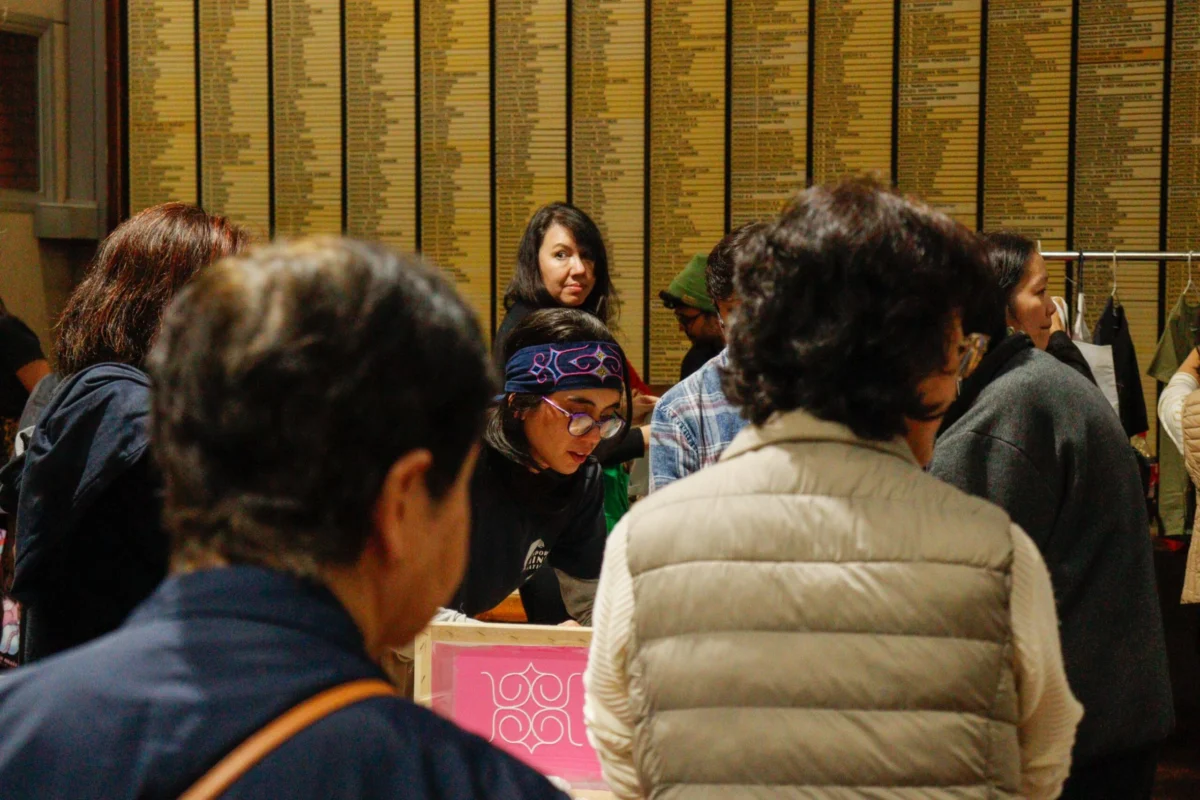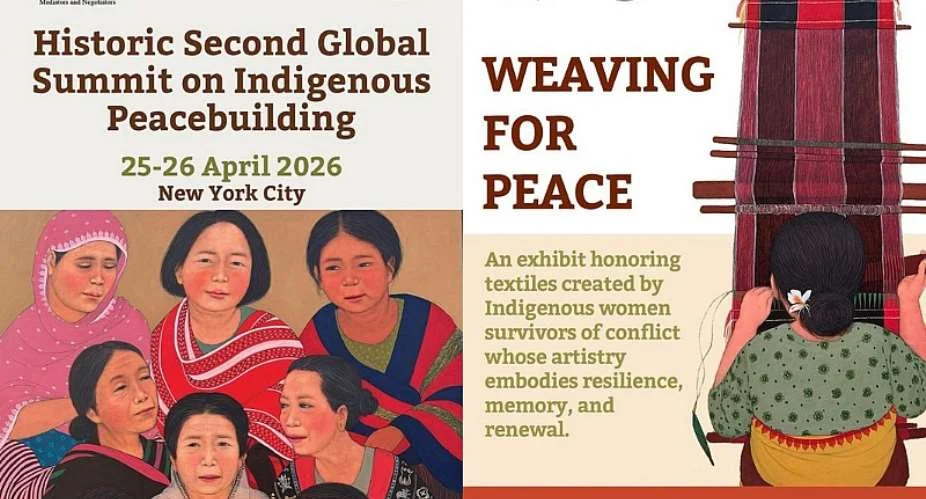
New York – On April 25th and 26th, 2026, the historic 2nd Global Summit on Indigenous Peacebuilding convened in New York City, drawing over 250 Indigenous Peoples from seven socio-cultural regions, alongside United Nations officials and diplomats. Co-organized by the Global Network of Indigenous Peacebuilders, Mediators and Negotiators, and its partner organizations, the summit served as a critical platform for Indigenous leaders to share their profound experiences and ongoing struggles stemming from the devastating consequences of armed conflicts on their lives and ancestral territories. In a global landscape marked by escalating violence, the summit underscored the urgent need to reframe international peace and security paradigms by placing Indigenous Peoples at the forefront of conflict prevention and resolution efforts.
The two-day gathering provided an invaluable space for dialogue and the exchange of knowledge, highlighting the disproportionate impact of conflict on Indigenous communities worldwide. From the complex geopolitical landscapes of Guatemala, Mexico, and Colombia to the deeply entrenched conflicts in Manipur, Burkina Faso, Sudan, and Cameroon, and the unique challenges faced by Indigenous Peoples in New Zealand, participants shared harrowing accounts of displacement, violence, loss, and the persistent threat to their cultural survival. The shared narratives, often accompanied by tears, reflected the profound grief and resilience of these communities. A poignant moment of remembrance saw participants light a candle to honor Indigenous relatives who have been tragically lost amidst various conflicts. This act of solidarity also served as a powerful prayer for a future where Indigenous Peoples are not merely surviving on their occupied territories, but are empowered to thrive and coexist peacefully with all living beings, a vision that resonated deeply throughout the summit.
Background and Significance of the Summit
The 2nd Global Summit on Indigenous Peacebuilding builds upon the foundational work initiated by its predecessor, aiming to amplify Indigenous voices and perspectives within international peacebuilding discourse. The increasing recognition of Indigenous Peoples’ inherent rights, coupled with their historical roles as stewards of their lands and custodians of unique cultural knowledge, has propelled their inclusion in discussions about global security. However, the persistent marginalization of Indigenous perspectives in mainstream peace processes has often led to solutions that fail to address the root causes of conflict and overlook the invaluable contributions Indigenous communities can offer. This summit was conceived as a direct response to this gap, seeking to bridge the divide between global governance structures and the lived realities of Indigenous Peoples grappling with conflict. The timing of the summit, amidst a backdrop of heightened global tensions and numerous ongoing armed conflicts affecting Indigenous territories, amplified its urgency and importance.
A Global Tapestry of Conflict and Resilience
The geographical diversity of the participants painted a stark picture of the pervasive nature of conflict impacting Indigenous communities globally. Indigenous Peoples from Latin America shared experiences of land dispossession, resource extraction-driven conflicts, and the violence perpetrated by both state and non-state actors. Their narratives often detailed the intertwined struggles for land rights, self-determination, and the protection of biodiversity, all of which are inextricably linked to their cultural and spiritual well-being.
In parts of Asia, particularly from regions like Manipur, Indigenous communities recounted the devastating human cost of protracted conflicts, including forced displacement, human rights abuses, and the erosion of traditional governance systems. The testimonies from Africa, including Burkina Faso and Sudan, highlighted the complex interplay of ethnic tensions, resource scarcity exacerbated by climate change, and the rise of extremist groups, all of which disproportionately affect Indigenous populations and undermine their traditional peacebuilding mechanisms. Indigenous leaders from New Zealand, while perhaps facing different manifestations of conflict, also brought to the forefront the ongoing challenges related to historical injustices, treaty rights, and the assertion of Indigenous sovereignty in contemporary society.
The shared tears and the symbolic lighting of candles were powerful expressions of collective mourning and a resolute commitment to memory. These acts underscored the deep historical trauma and ongoing suffering endured by Indigenous Peoples due to violence, much of which is rooted in colonial legacies and ongoing occupation of their ancestral lands. The collective prayer for a future of thriving coexistence extended beyond human communities, encompassing a holistic understanding of peace that includes ecological balance and respect for all life forms.
Demands for a Paradigm Shift: Indigenous Peoples at the Center
A central and resounding call emanating from the summit was the urgent demand for the United Nations and governments worldwide to fundamentally reframe global peace and security efforts. This reframing necessitates the deliberate and meaningful inclusion of Indigenous Peoples at the very core of conflict prevention and resolution strategies. The prevailing approach, which often views Indigenous Peoples primarily as victims of conflict, was critically examined and challenged.
Binalakshmi Nepram, President of the Global Alliance of Indigenous Peoples, Gender Justice and Peace, articulated this imperative with clarity: "It is time to move from seeing Indigenous Peoples as victims of conflict to recognizing them as experts, mediators, and negotiators of peace." This statement encapsulates the core argument of the summit: that Indigenous communities possess centuries of accumulated wisdom, sophisticated traditional governance systems, and deep-seated knowledge of their territories that are crucial for sustainable peacebuilding. Their inherent connection to the land and their holistic understanding of well-being equip them with unique capabilities to de-escalate tensions, foster reconciliation, and build lasting peace from the ground up.
Honoring Indigenous Women’s Leadership in Peace
The summit also placed a significant emphasis on recognizing and amplifying the vital contributions of Indigenous women to peacebuilding. On the International Women’s Day for Peace and Disarmament, a day dedicated to acknowledging women’s roles in promoting peace and advocating for disarmament, Indigenous women were particularly honored. Their leadership in protesting militarism and the proliferation of nuclear weapons was highlighted, alongside their unwavering commitment to protecting their communities and lands from the ravages of war.
The demand for a ceasefire in all occupied Indigenous Peoples’ territories was a powerful and direct call to action. This demand reflects the reality that Indigenous lands are frequently sites of protracted conflict, often fueled by external interests and a disregard for Indigenous sovereignty. The call for a cessation of hostilities is not merely an appeal for an end to violence, but a demand for the restoration of their right to self-determination and the protection of their homelands, which are essential for their cultural survival and well-being.
Broader Implications and Future Directions
The 2nd Global Summit on Indigenous Peacebuilding has significant implications for the future of international peace and security. By asserting their agency and expertise, Indigenous Peoples are challenging established power structures and demanding a more equitable and inclusive approach to peace. The summit’s outcomes are likely to inform ongoing discussions within the United Nations system, including its peacekeeping operations and peacebuilding commissions.
The data presented and the narratives shared at the summit provide a crucial evidence base for policymakers. For instance, reports from organizations like the International Crisis Group have documented how resource extraction and land grabbing often lie at the heart of conflicts affecting Indigenous territories, leading to displacement and social unrest. The UN Declaration on the Rights of Indigenous Peoples (UNDRIP), adopted in 2007, provides a legal and moral framework for respecting Indigenous rights, including their right to self-determination and their right to participate in decision-making processes that affect them. The summit served as a powerful reminder of the need to fully implement UNDRIP and translate its principles into concrete actions on the ground.
The summit’s emphasis on Indigenous women’s leadership is particularly timely, given the increasing recognition of the gendered dimensions of conflict and peacebuilding. Empowering Indigenous women in peace processes not only strengthens their communities but also contributes to more inclusive and sustainable outcomes.
The success of the summit lies in its ability to foster solidarity, share best practices, and build a collective voice for Indigenous Peoples on the global stage. The ongoing engagement with UN officials and diplomats present at the summit offers a pathway for sustained dialogue and the integration of Indigenous perspectives into future peacebuilding initiatives. The challenge ahead will be to ensure that the momentum generated by this summit translates into tangible policy changes and effective action on the ground, ultimately leading to a world where Indigenous Peoples can live in peace, dignity, and security. The video recordings of the event, made available on YouTube, serve as a valuable resource for continued learning and advocacy, allowing a wider audience to engage with the critical issues and powerful testimonies shared by Indigenous leaders from around the globe.