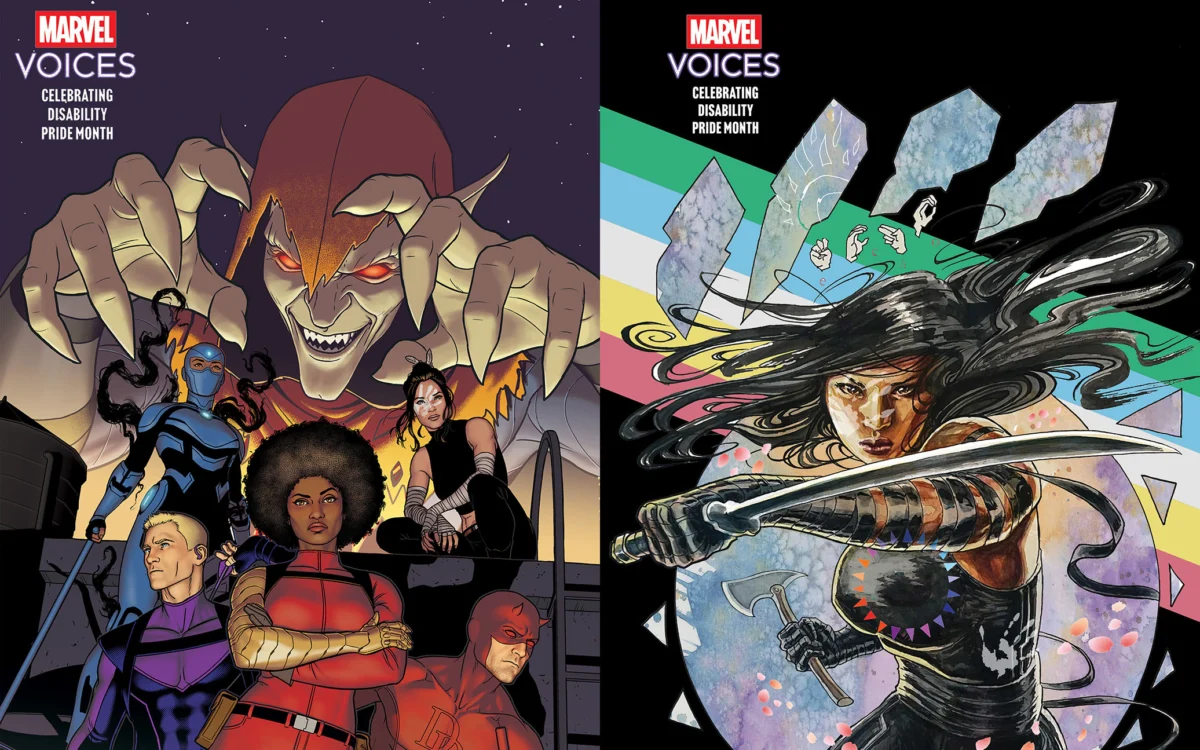
In a landmark initiative celebrating Disability Pride Month, Marvel Comics is set to release a series of special comic issues that prominently feature a diverse cast of superheroes living with various disabilities. This commitment to representation shines a spotlight on iconic Marvel characters, offering fresh narratives and highlighting the strength and resilience inherent in the disability community. The upcoming releases underscore a growing trend in mainstream media towards more inclusive storytelling, resonating with a broader audience and fostering greater understanding and empathy.
A Universe of Inclusion: Spotlight on Disabled Heroes
Marvel Comics’ "Marvel’s Voices" program, known for exploring the rich tapestry of identities within the Marvel Universe, is extending its reach to champion disability representation. This July, four highly anticipated comic issues will include backup stories that delve into the lives and adventures of heroes who navigate the world with disabilities. These special editions aim to not only entertain but also to inspire, demonstrating that heroism knows no bounds and that true strength lies in spirit and determination.
The featured heroes in these special issues include:
- Daredevil: The Man Without Fear, a skilled vigilante who is blind, showcasing how sensory differences can be a source of unique abilities and heightened awareness.
- Misty Knight: A formidable detective and Avenger who is an amputee, demonstrating her combat prowess and leadership capabilities despite her prosthetic arm.
- Echo: A deaf superhero with enhanced visual and auditory processing abilities, proving that communication and perception can manifest in extraordinary ways.
- Hawkeye: The skilled archer whose journey has often involved managing hearing loss, illustrating the challenges and triumphs of living with auditory impairments.
- Silhouette: A stealthy operative and member of the Night Thugs, who is paraplegic, showcasing her agility and tactical genius from a wheelchair.
- Finesse: A character whose storyline has explored challenges in social interaction, highlighting neurodiversity and the importance of understanding different social communication styles.
These characters, each with their own distinct challenges and superpowers, will come together in a collaborative narrative designed to celebrate their unique strengths and the power of unity.
Chronology of Release: A Month of Empowerment
The special issues are strategically released throughout July, coinciding with Disability Pride Month, ensuring a sustained focus on these important narratives. The release schedule is as follows:
- July 1: Amazing Spider-Man #32 – This issue will kick off the series of special backup stories, introducing readers to the empowered heroes.
- July 8: Uncanny X-Men #31 – Following closely, this installment will further expand the narratives of disabled characters within the beloved X-Men franchise.
- July 15: Fantastic Four #14 – The First Family of Marvel will host these heroic tales, underscoring the universality of heroism.
- July 22: Wolverine #24 – The gruff but noble Wolverine will feature in this issue, adding his unique brand of heroism to the month’s inclusive theme.
Each of these issues will not only contain the compelling backup stories but will also feature special disability pride variant covers. These covers serve as a visual declaration of support and recognition for the disability community, adding another layer of thematic depth to the collection.
Background and Context: The Evolution of Representation
The inclusion of disabled characters in mainstream media has seen a significant, albeit gradual, evolution over the decades. Historically, characters with disabilities were often portrayed with stereotypes, either as objects of pity, villains, or as solely defined by their impairment. However, in recent years, there has been a conscious and commendable shift towards more authentic and nuanced portrayals.
Marvel Comics, in particular, has been at the forefront of this movement with its "Marvel’s Voices" initiative, which began in 2020. This program has dedicated itself to highlighting characters from diverse backgrounds, including various ethnicities, LGBTQ+ identities, and, now, disabilities. The "Marvel’s Voices" line has produced critically acclaimed anthologies and ongoing series that have brought underrepresented characters and their unique perspectives to the forefront of the Marvel Universe.
The decision to dedicate specific issues to disabled heroes during Disability Pride Month is a significant step. Disability Pride Month, observed annually in July, commemorates the achievements of people with disabilities and raises awareness about the challenges they face. By aligning their comic releases with this observance, Marvel Comics is not only participating in the celebration but also actively contributing to the narrative of disability as a source of strength, resilience, and unique perspective, rather than solely as a challenge.
The timing of these releases also coincides with a broader societal conversation about accessibility, inclusion, and the importance of representation in all forms of media. As data consistently shows, audiences are increasingly seeking out content that reflects their own experiences and identities. A 2022 report by GLAAD, for example, highlighted the growing demand for diverse representation in entertainment, indicating that audiences connect more deeply with stories that feature authentic and varied characters. Marvel’s move aligns with this growing demand, tapping into a desire for more relatable and inspiring heroes.
Official Statements and Artistic Vision
Marvel Comics has articulated its vision behind these special issues, emphasizing the power of inspiration derived from real-life experiences. In a statement released by Marvel, the publisher noted the intention to create "action-packed stories highlighting the power of community and uplifting one another." This suggests a narrative focus that transcends individual heroism, emphasizing collective strength and mutual support, themes particularly resonant within the disability community.
Andrea Di Vito, the artist behind the new stories, shared his perspective on the project, stating, "Superheroes are meant to inspire us to be better, but sometimes we forget that the greatest inspirations come from real life. People with disabilities prove to each and every one of us that the true measure of our worth is our spirit and our will, not the limitations of our bodies." This sentiment underscores the artistic and thematic intent of the comic issues – to draw parallels between the extraordinary resilience of superheroes and the everyday courage demonstrated by individuals with disabilities. Di Vito’s words highlight a profound understanding of the human spirit and its capacity to overcome perceived limitations.
The "Marvel’s Voices" program itself is built on the foundation of inclusivity. Its mission statement, as described by Marvel, is to "explore the multitude of unique backgrounds, journeys and identities found in the Marvel Universe." By including these special disability-focused issues, Marvel is reinforcing its commitment to this mission, ensuring that the vast and varied Marvel Universe truly reflects the diverse world we inhabit.
Broader Impact and Implications: Shaping Perceptions
The implications of Marvel Comics dedicating specific issues to disabled superheroes are far-reaching. For individuals with disabilities, seeing characters who share their experiences reflected in a positive and heroic light can be profoundly empowering. It offers validation, fosters a sense of belonging, and challenges negative stereotypes. For readers without disabilities, these stories provide an opportunity to gain empathy, understanding, and a more nuanced perspective on disability.
This initiative contributes to a broader cultural shift where disability is increasingly recognized not as a deficit, but as a facet of human diversity. By presenting these characters as integral and capable members of the superhero community, Marvel is subtly yet powerfully reframing perceptions of disability. It normalizes the presence of disabled individuals in heroic roles, mirroring the growing advocacy for greater inclusion in all aspects of society, from employment to education and public life.
Furthermore, the commercial success of these issues could set a precedent for publishers to invest further in diverse storytelling. As audiences demonstrate their appetite for authentic representation, publishers are likely to see the value, both critically and financially, in creating content that resonates with a wider demographic. This can lead to a more inclusive and representative landscape in the comic book industry and, by extension, in the broader entertainment sector. The data from the comic book market itself shows a consistent demand for titles that offer fresh perspectives and diverse characters, suggesting that these "Marvel’s Voices" issues are likely to be well-received by a dedicated fan base.
In conclusion, Marvel Comics’ commitment to featuring disabled superheroes during Disability Pride Month is a significant and commendable initiative. By weaving these narratives into the fabric of the Marvel Universe, the company is not only celebrating the strength and resilience of individuals with disabilities but also contributing to a more inclusive and understanding world, one heroic story at a time. The upcoming issues promise to be not just entertaining comic books, but also powerful statements of representation and empowerment.