By Angel Yraê Ferreira
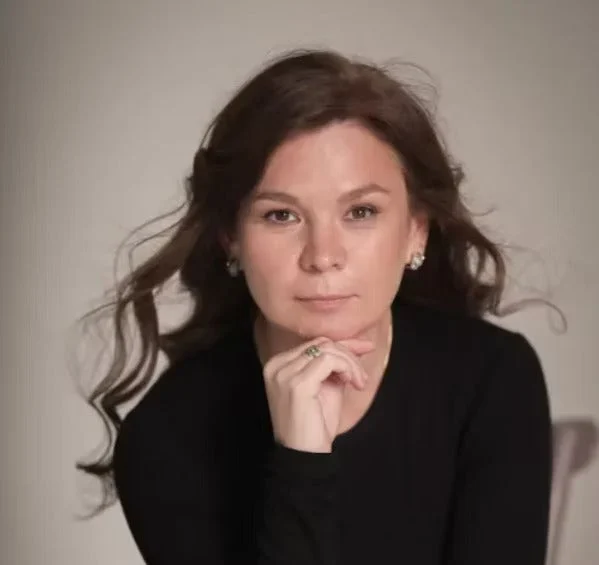
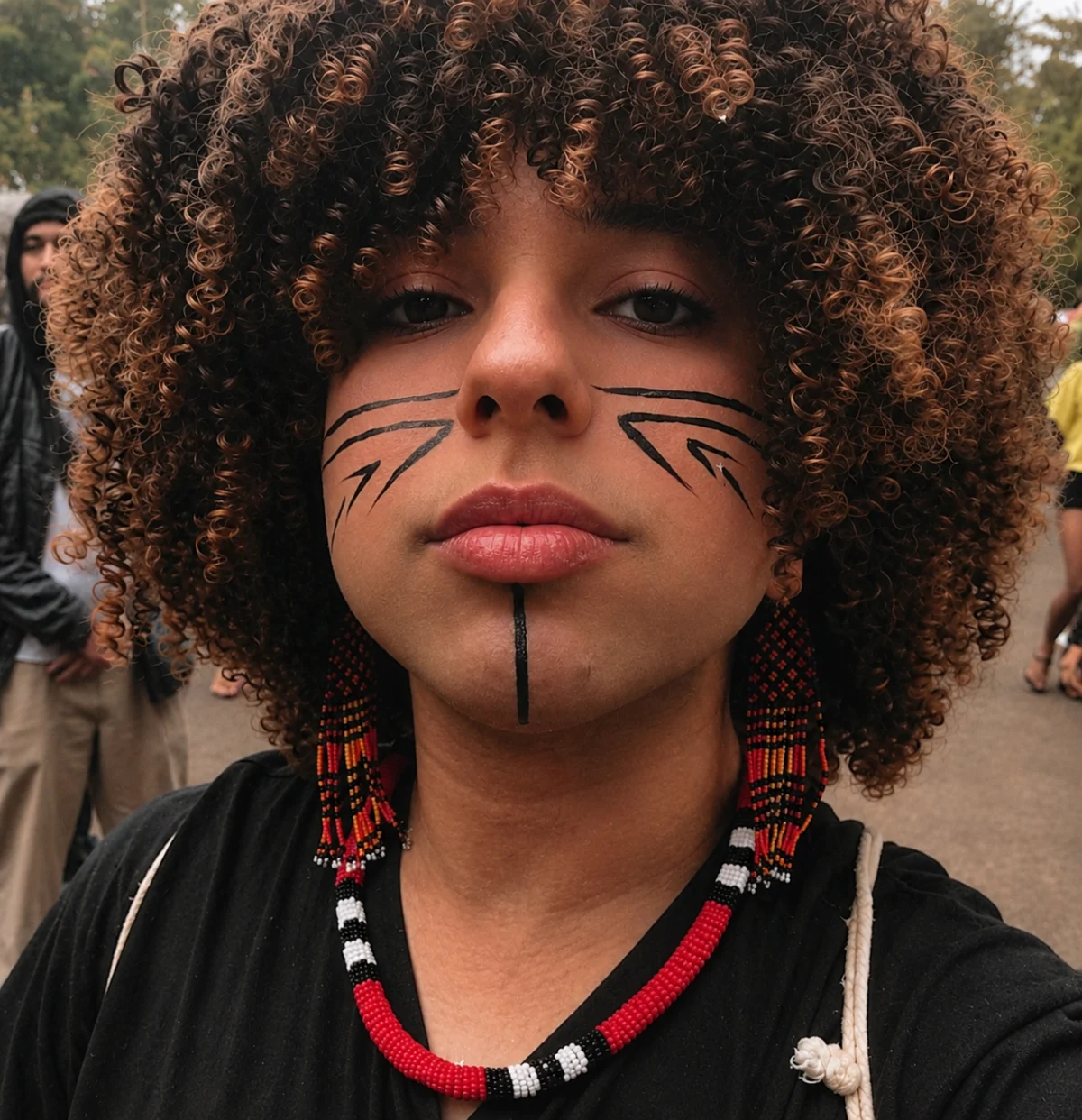
Lana Potiguara, a 28-year-old trans woman of the Potiguara Indigenous people, embodies a powerful testament to the interconnectedness of identity. Her life’s work, bridging the coastal landscapes of ParaÃba with the vibrant streets of Rio de Janeiro, is a profound exploration of how art and education can serve as catalysts for reclaiming erased histories and fostering authentic belonging. A visual artist, illustrator, and graduate of Estúdio Escola in 2D Animation, Potiguara utilizes her artistic talents to give form to ancestral memories that colonialism sought to obliterate. This impactful work resonates deeply in the digital realm, where she has cultivated a significant online community, garnering over 50,000 followers on social media platforms under the handle @lanaflowerz. As a pedagogy student at Universidade Federal Fluminense (UFF), she co-founded the Indigenous Students’ Collective (CEI-UFF), an initiative born from the critical need to ensure not only access but also sustained presence for Indigenous individuals within academic institutions. Currently, her routine is a dynamic interplay between her academic pursuits and an internship at the Guarani Para Poty Indigenous School in the Mata Verde Bonita Village, Maricá, where she is actively involved in shaping the school’s new Political-Pedagogical Project. Potiguara harbors a visionary dream: to create an animated feature film that authentically celebrates Indigenous cultures and Brazilian folklore, offering a fresh perspective to global audiences. In an interview with Cultural Survival, she shares her insights on the complexities of visibility, the profound significance of belonging, and the transformative power of collective action.
Indigenous Pride Beyond Urban Narratives
Cultural Survival: What does it mean to you to feel pride in your Indigenous identity, and how does it differ from more visible or urban 2SLGBTQ+ narratives?
Lana Potiguara: The embrace of my Indigenous identity is an affirmation of my lineage, a profound connection to a history that stretches far beyond my individual existence. It is a sacred act of honoring my ancestors, the Potiguara People, and the enduring knowledge systems that have persevered through centuries of systematic attempts at erasure.
As an Indigenous trans woman, I observe that my lived experience often diverges from the more prominent 2SLGBTQ+ narratives, which are predominantly shaped within urbanized contexts. My journey is intrinsically linked to ancestry, the vital connection to our ancestral lands, and the deep sense of community belonging. I do not perceive my Indigenous identity and my trans identity as separate entities; rather, they are interwoven threads. My advocacy for the rights of one is inherently a fight for the rights of the other. This intersectional understanding is crucial, as it acknowledges the multifaceted nature of identity and the distinct challenges faced by Indigenous 2SLGBTQ+ individuals.
The Double-Edged Sword of Visibility
CS: Pride is often discussed in terms of visibility, but visibility can also bring risks. How do you balance the desire to be seen with the need to protect yourself and your community?
LP: My personal journey has underscored a critical realization: visibility, in isolation, does not equate to freedom. The harsh reality of my experience in 2020, when I was displaced from my home due to my identity as a trans woman and subsequently faced homelessness during the global pandemic, served as a stark lesson. This period illuminated that while public presence can garner recognition, it simultaneously exposes individuals to heightened vulnerability and the potential for violence.
Consequently, I firmly believe that visibility must be intrinsically linked to a profound sense of responsibility. My engagement with the public sphere is primarily channeled through my artistic endeavors, educational initiatives, and the creation of knowledge. In all these pursuits, my foremost consideration is the empowerment and strengthening of my community. I strive to avoid unnecessary simplifications or overexposure that could compromise our safety and integrity. It is essential to understand that not all acts of resistance require the glare of the spotlight to hold significant value. The quiet persistence of existence and the cultivation of internal strength are equally potent forms of defiance.
Cultural Roots and Gender Understanding
CS: What aspects of your culture, language, spirituality, or territory helped you understand your gender identity or sexual orientation more deeply?
LP: As a trans woman of the Potiguara heritage, my deeper engagement with Indigenous histories, ancestral wisdom, and the profound interconnectedness with our ancestral lands has been instrumental in my self-understanding. This immersion has revealed that the spectrum of human diversity is far richer and more expansive than the rigid, binary categories imposed by colonial structures.
My ongoing experience at the Guarani Para Poty Indigenous School daily reinforces this perspective. The insights I gain from interacting with the children, the dedicated educators, and the broader community underscore that identity is not merely an internal construct but is profoundly shaped by a sense of belonging, the preservation of collective memory, and the intricate web of relationships within the community. This holistic view of identity stands in stark contrast to the atomized and individualistic notions often prevalent in Western societies.
Deconstructing Colonial Legacies on Gender and Sexuality
CS: What colonial ideas do you think still influence how some communities understand gender, sexuality, or diversity?
LP: A pervasive colonial legacy continues to shape perceptions, notably the ingrained notion that only two genders exist, each rigidly defined by specific roles and expectations. Furthermore, there persists a misguided belief that 2SLGBTQ+ identities are an "import" or somehow incongruent with Indigenous cultures.
In reality, it was the imposition of colonial and religious frameworks that systematically sought to suppress and erase the diverse expressions of human existence that predated European arrival. These diverse ways of being were not anomalies but were integral to the fabric of many societies. The colonial project aimed to homogenize, not to understand or embrace the existing complexities.
Challenging the Narrative of Non-Existence
CS: When you hear the phrase “this did not exist in our cultures before,” how would you respond based on your experience or the memory of your people?
LP: My response to such a claim would be unequivocal: the absence of recorded documentation does not equate to the absence of existence. For centuries, countless Indigenous narratives have been deliberately silenced and suppressed. Moreover, it is crucial to recognize that Indigenous peoples historically did not categorize identity and sexuality through the same rigid frameworks that are prevalent today. The historical erasure orchestrated by colonization must not be misconstrued as evidence of non-existence. It is a testament to the deliberate efforts to dismantle and rewrite our histories.
The Pain of Forced Choice and the Possibility of Wholeness
CS: What wounds are caused by the need to choose between belonging to your Indigenous community and belonging to the 2SLGBTQ+ community? Is it possible to inhabit both without fragmenting yourself?
LP: The most profound wound inflicted by the demand to choose between one’s Indigenous and 2SLGBTQ+ identities is the soul-crushing experience of being told that one cannot exist as a complete, integrated self. When individuals are compelled to prioritize one facet of their identity over another, they are effectively being told that a fundamental part of who they are must be denied or suppressed. My own painful experience of being ostracized from my home due to my trans identity serves as a potent illustration of the devastating consequences of such rejection.
However, I firmly believe that it is not only possible but essential to inhabit both spaces fully, without any sense of fragmentation. I am Indigenous, and I am trans. My existence is not a contradiction to be reconciled, but rather a powerful convergence of these deeply rooted lived experiences. This intersectionality is a source of strength, not division.
Everyday Resistance Beyond Conventional Arenas
CS: How does Indigenous 2SLGBTQ+ resistance manifest beyond marches, flags, and institutional spaces?
LP: Resistance flourishes in the myriad aspects of daily life. It is present in the persistent pursuit of education, in the act of creating art that speaks truth to power, in the vital work of strengthening community bonds, and in the sacred duty of preserving ancestral memories. My role in co-founding the Indigenous Students’ Collective at UFF was an act of resistance, as was my contribution to the development of the Political-Pedagogical Project at the Para Poty School. Similarly, when I weave Indigenous stories into my illustrations and animations, I am actively resisting erasure. Often, the most profound form of resistance is simply the unwavering commitment to continuing to exist, to thrive, and to be visible on our own terms.
Indigenous Languages: A Reservoir of Diverse Understandings
CS: What is the role of Indigenous languages in naming identities, feelings, and bodies that often do not fit into Western categories like “gay,” “lesbian,” “trans,” or “queer”?
LP: Indigenous languages are not merely systems of communication; they are profound repositories of distinct worldviews. While Western categories often tend towards rigidity and fixed definitions, many Indigenous wisdom traditions emphasize the fluidity of relationships, the nuanced concept of belonging, and the dynamic nature of processes. Therefore, valuing and revitalizing Indigenous languages is intrinsically linked to honoring and understanding the diverse ways in which human identity and experience can be understood and expressed, often transcending the limitations of Western terminology. These languages offer alternative frameworks for understanding and articulating a spectrum of identities that are often inadequately captured by imposed linguistic structures.
Towards Authentic Allyship and Equitable Support
CS: What would you say to organizations, media outlets, or allies who want to support 2SLGBTQ+ Indigenous people but sometimes end up using their stories in a tokenistic or exploitative way?
LP: My message to organizations, media outlets, and allies is clear: true support transcends mere representation; it demands unwavering commitment. 2SLGBTQ+ Indigenous individuals must be integral participants in the decision-making processes and in the construction of narratives that concern their own lives. It is paramount to acknowledge and value the artistic, intellectual, and community-based work of Indigenous 2SLGBTQ+ people with the utmost respect, autonomy, and through equitable compensation for their contributions. Tokenism and superficial engagement do not foster genuine progress; they perpetuate the very marginalization they claim to address.
Envisioning a Future of Unconditional Belonging
CS: Imagining a truly free future, what would an Indigenous community look like where 2SLGBTQ+ people are not only accepted but also recognized as bearers of knowledge, leadership, and healing?
LP: I envision a future where the very notion of needing to justify one’s existence is obsolete. A future where 2SLGBTQ+ individuals are empowered to occupy positions of leadership, contribute their invaluable knowledge in educational and artistic spheres, and serve as vital conduits of healing within their communities, without their identities being perceived as impediments.
A truly liberated future is one where Indigenous children can embrace their authentic selves, fully connected to their ancestral roots, and where the rich tapestry of diversity is not merely tolerated but is celebrated as an intrinsic source of collective strength and resilience. In such a future, the interconnectedness of all beings is recognized, and every individual’s unique contribution is understood as essential to the community’s well-being and continued flourishing. This is the vision that fuels my ongoing work and advocacy.