The intersection of grassroots scientific inquiry and traditional land management is currently reshaping the agricultural trajectory of Northern Benin, as a series of youth-led initiatives demonstrate the viability of biodiversity-sustaining agroforestry. Led by World Education, an initiative of JSI, and supported by successive rounds of funding from the Darwin Initiative, these programs have moved beyond top-down conservation models to embrace a decentralized, data-driven approach. In the community of Wéréké and surrounding regions, young researchers are utilizing local ecological data to challenge long-standing agricultural paradigms, proving that the restoration of native ecosystems is not merely an environmental necessity but a robust foundation for sustainable livelihoods. This movement mirrors the complex biological systems it seeks to protect, utilizing a network of human collaboration that functions much like the mycelial webs beneath the forest floor—decentralized, adaptive, and resilient.
Regional Context and the Genesis of Youth-Led Inquiry
Northern Benin, characterized by its dry tropical forests and woodland savannas, faces significant environmental and economic pressures. The region is increasingly vulnerable to the effects of climate change, including erratic rainfall patterns and soil degradation, which threaten the traditional agricultural practices that sustain the majority of the population. Simultaneously, the youth demographic faces a social disconnect; while traditional family expectations often prioritize "desk jobs" in urban centers, the local economy lacks the infrastructure to provide such roles at scale. This leaves a generation caught between an aspirational urban future and a rural reality they have historically been encouraged to abandon.
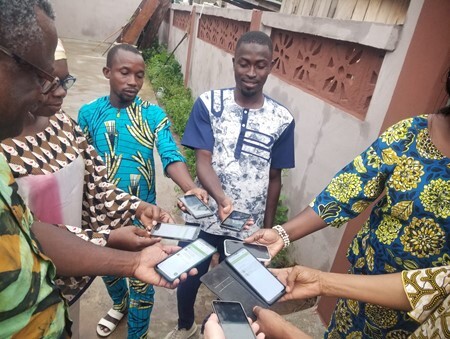
In 2022, World Education launched a participatory research activity designed to bridge this gap. Rather than relying solely on external experts, the project empowered local youth to act as "citizen scientists." Armed with smartphones and behavioral science-informed questionnaires, these researchers set out to investigate the social and biological factors influencing their communities. They sought to answer critical questions: Could eco-agricultural businesses provide a viable alternative to traditional employment? How did family pressures shape their peers’ career choices? And, perhaps most importantly, could the restoration of native biodiversity provide tangible protection for crops?
Methodology: Data Collection and the BioBlitz Strategy
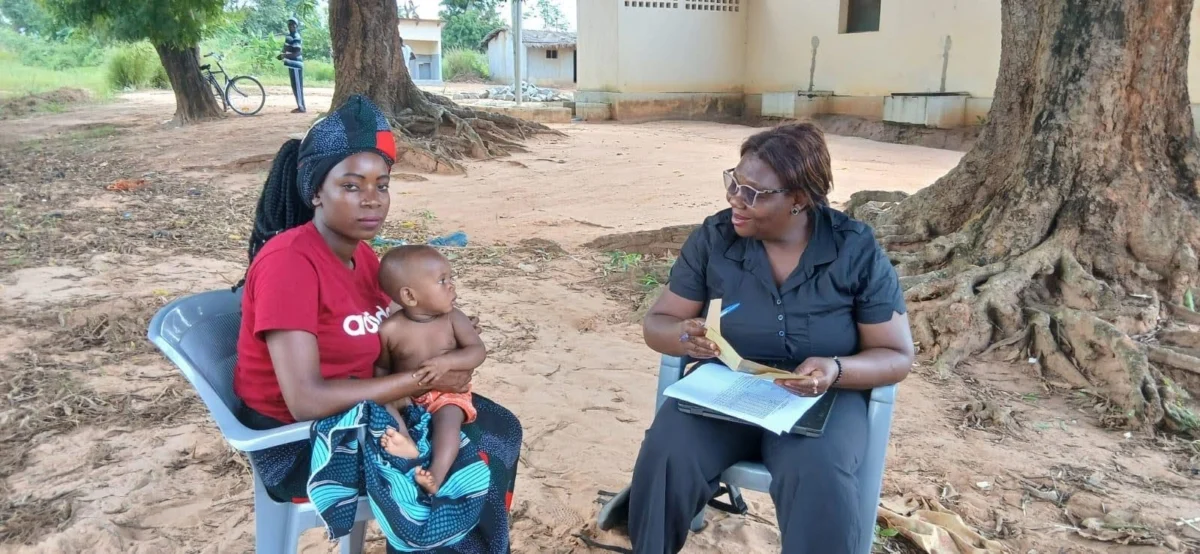
The research methodology was rigorous and multi-faceted, combining social science with biological observation. Young researchers administered surveys to elders and parents to map the "social landscape" of agricultural perceptions. Simultaneously, they conducted field studies in the surrounding ecosystems. Using smartphones to record the vocalizations of insect-eating birds and tracking the population density of grasshoppers in soya fields, the youth gathered empirical evidence of the symbiotic relationship between native trees and crop yields.
One of the most significant findings involved the Néré tree (Parkia biglobosa), a species of immense cultural and economic value in West Africa. The researchers hypothesized that the birds nesting in these trees played a primary role in pest management. Their data validated this, showing that thriving biodiversity acts as a natural safeguard for agricultural outputs, reducing the need for chemical interventions. This "grassroots science" culminated in events known as BioBlitzes—intensive periods of biological surveying where community members worked together to catalogue native flora and fauna. These events served both as data collection windows and as educational platforms, grounding the community’s conservation efforts in visible, local evidence.
The Evolution of the WSAB and AgroNative Projects
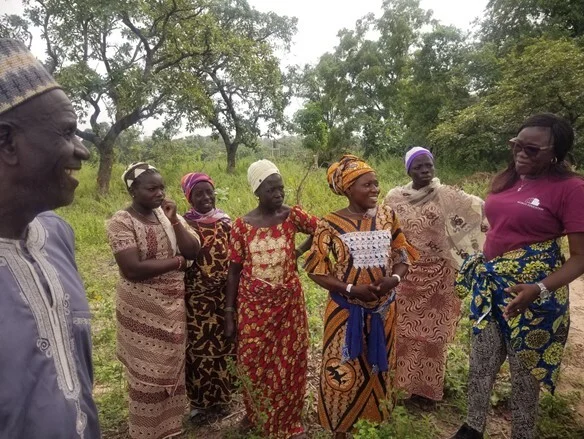
The success of the initial research paved the way for structured interventions. The Women-led, School-based Agroforestry in Benin (WSAB) project, which ran from 2023 to 2025, focused on integrating native plant species into local agriculture through the agency of Mothers of Students Associations (AMEs). This project recognized that women are often the primary stewards of local biodiversity but frequently lack formal support and land rights.
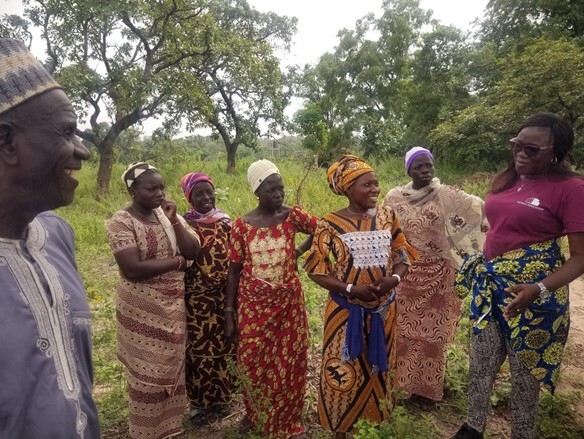
The WSAB project achieved measurable impact:
- Land Restoration: Over 360 individuals participated in planting events that successfully restored 9.5 hectares of degraded land.
- Economic Output: Women-led microenterprises generated 1,180,000 FCFA in revenue.
- Social Contribution: A portion of these earnings (257,000 FCFA) was reinvested into school canteens, directly linking environmental health to child nutrition.
- Climate Adaptation: The project indirectly supported 10,729 people in adapting to climate-related agricultural shifts.
Building on this foundation, the AgroNative project (2024–2026) was launched to scale these successes. This phase focused on strengthening the links between local communities and government policy, specifically addressing the practical application of Beninese agricultural law.
Policy Alignment and the Critique of Decree No 96-271
A central challenge identified by the youth researchers was the gap between government mandates and ecological reality. Beninese Decree No 96-271 requires the planting of one tree every 10 meters on agricultural land. While the youth recognized this as a positive step toward reforestation, their research suggested it was insufficient for true ecosystem restoration.
From an ecological perspective, a 10-meter gap between trees can be an insurmountable distance for the underground mycelium—the fungal networks that facilitate nutrient exchange and soil health. In the eyes of the researchers, isolated trees represent a "fractured ecosystem." To create a truly resilient landscape, they argued for greater tree density and the preservation of native canopies that allow for a continuous biological web.
To address this, the community restructured its approach to land management. They moved away from the model of "isolated individuals" and toward a system of Natural Resource Management Committees (NRMCs). These committees, now established in five new villages with 150 members, oversee the production and protection of native species, ensuring that the reforestation efforts align with the biological needs of the soil.
Economic Innovation: The Sub-Parcel Rental Model
Perhaps the most transformative aspect of the project has been the "sub-parcel" system. Recognizing that youth required autonomy to remain engaged, the Wéréké community divided collective village plots into 40 smaller units. These sub-parcels are rented to young entrepreneurs for a symbolic monthly fee of 1,000 FCFA.
Under this model, the youth commit to maintaining the native canopy while using the understory to cultivate cash crops. This "rent-based" approach has turned agroforestry into a legitimate startup incubator. By harvesting and selling produce grown in these biodiverse environments, the young participants have proven that native canopy management is not a philanthropic endeavor but a profitable business model. This has effectively "flipped the paradigm," transforming youth from laborers on family plots into self-employed eco-entrepreneurs.
Analysis of Implications: Collective vs. Individual Success
As the AgroNative project progresses, World Education has facilitated a second round of participatory research to assess the long-term viability of these models. This research has uncovered a vital lesson in social ecology: the danger of "resource isolation."
The researchers found that when individual farmers received direct donations of assets to develop their own plots, it inadvertently led to a decrease in wider group engagement. In contrast, the most resilient models were those based on shared cooperatives and collective management. This finding suggests that for agroforestry to survive at scale, the structure must nurture a "mycelial" social arrangement—where resources and knowledge flow through a collective network rather than being siloed in individual hands. This insight is now being used to refine the project’s strategy, ensuring that future interventions prioritize the health of the cooperative over the individual recipient.
Future Outlook and Broader Impact
The work in Northern Benin serves as a blueprint for community-led climate adaptation across the Sahelian region. By the end of the AgroNative project in 2026, the goal is to have 15 hectares of habitat under sustainable management, directly benefiting 3,000 people.
The impact, however, extends beyond hectares and currency. The project has successfully integrated three distinct layers of society: the youth, who provide data and innovation; the mothers (AMEs), who provide traditional knowledge and organizational stability; and the government, which provides the legislative framework. This "symbiotic web" is currently working to protect saplings from wandering livestock, manage pest populations through habitat restoration, and ensure that the soil remains fertile for future generations.
As the mycelial web continues to spread beneath the soil of Wéréké, the social web above it is proving equally vital. By decomposing old, fractured paradigms of agricultural "development" and replacing them with a model rooted in local research and collective ownership, the communities of Northern Benin are building a future that is as durable as the native forests they are bringing back to life. This transition from passive participation to active scientific and economic leadership marks a new chapter in the region’s quest for environmental and economic resilience.