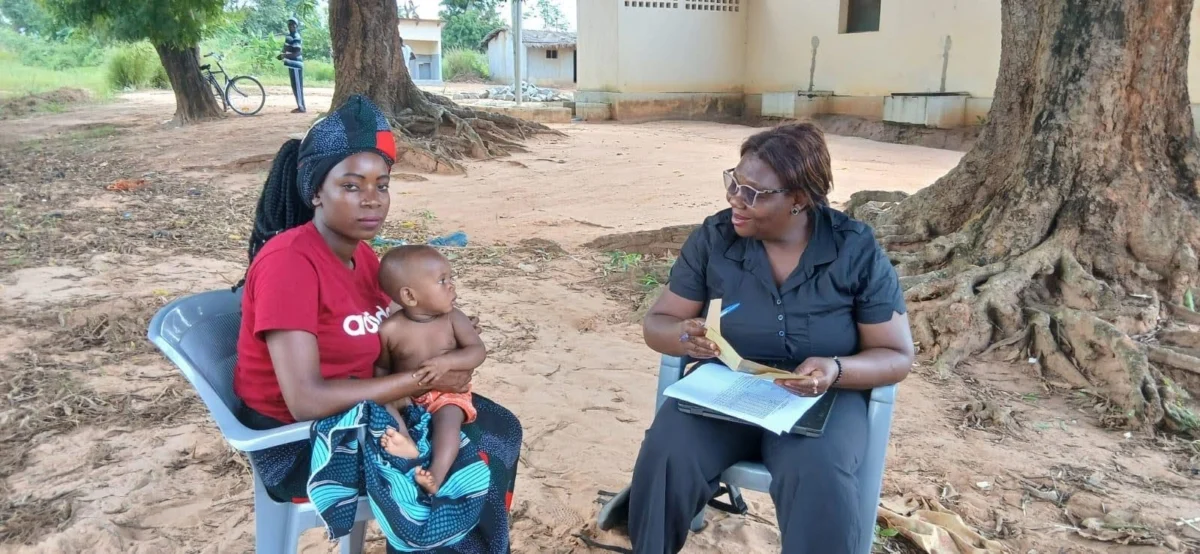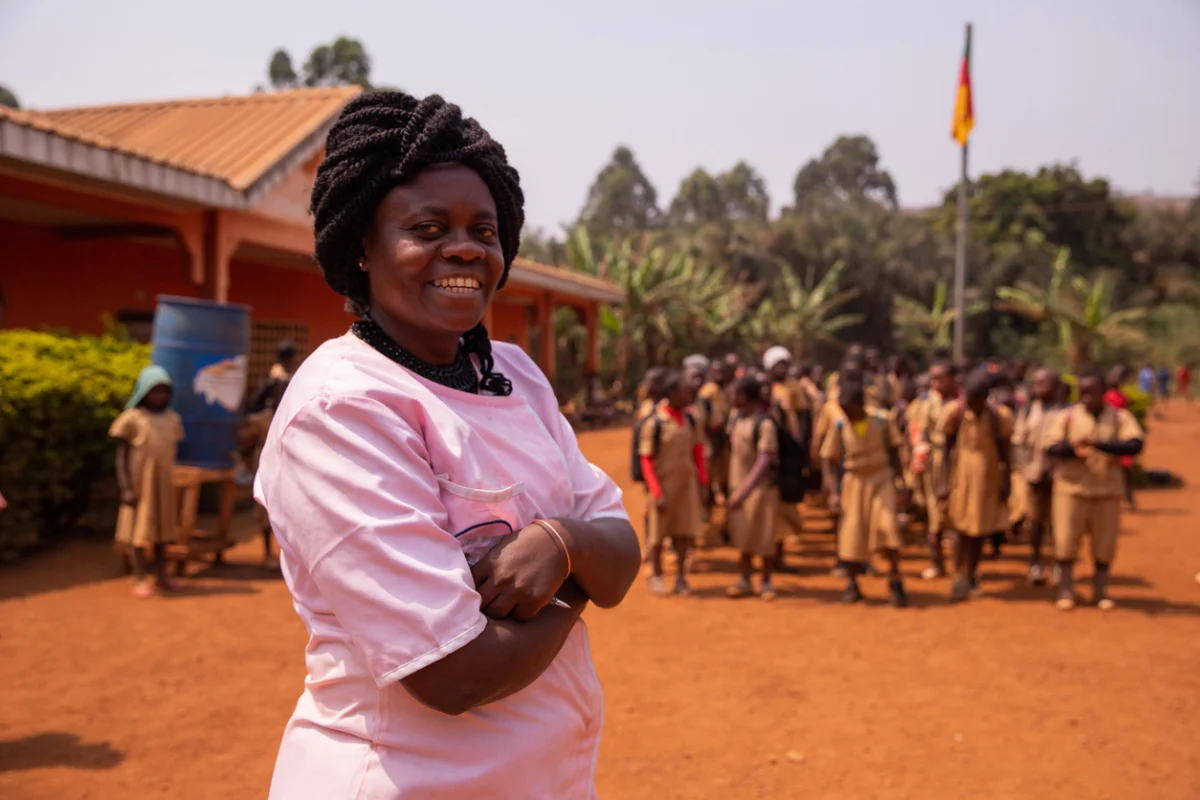
The Government of Mozambique’s National Youth Institute (Instituto Nacional da Juventude – INJ) has officially awarded World Education, an initiative of JSI Research & Training Institute, Inc. (JSI), the technical assistance and training contract for the Eu Sou Capaz (I Am Capable) program. This strategic partnership, supported by the World Bank, represents a pivotal expansion of the Empowering Adolescent Girls to Earn and Read (EAGER) vision, a multi-country effort designed to transform the educational and economic trajectories of millions of girls across Mozambique, Zimbabwe, and Madagascar. The initiative seeks to dismantle the systemic barriers that lead to high school dropout rates, early marriage, and teenage pregnancy, replacing them with a robust framework of support, life-skills training, and community-led advocacy.
The Eu Sou Capaz program is designed to function as a government-led intervention that addresses the complex intersection of social, economic, and behavioral factors preventing girls from completing their education. By providing technical assistance to the National Youth Institute, World Education aims to refine and scale existing models of girl-centered programming, ensuring that the Mozambican government has the institutional capacity to sustain these interventions over the long term. The activity focuses on two primary pillars: increasing the retention of adolescent girls in the upper primary and secondary education cycles and equipping them with the agency and resources necessary to navigate the transition from the classroom to the workforce or further vocational training.
A Strategic Response to Regional Educational Challenges
The launch of this technical assistance activity comes at a critical juncture for Mozambique. Despite significant progress in primary school enrollment over the last decade, the transition to and completion of secondary school remains a formidable challenge for the nation’s female youth. According to recent World Bank data, girls in Mozambique face a disproportionate risk of dropping out as they reach puberty. Factors such as the distance to schools, the lack of adequate menstrual hygiene management facilities, and the economic pressure on families to prioritize male education often result in a sharp decline in female attendance after the age of 13.
The EAGER project, under which Eu Sou Capaz operates, is a direct response to these regional trends. The World Bank’s $250 million commitment to the EAGER vision across Southern and Eastern Africa underscores the urgency of the situation. In Mozambique specifically, the program targets provinces where the disparity between male and female literacy and enrollment is most pronounced, such as Sofala, Nampula, and Zambezia. By focusing on these high-need areas, the initiative aims to create a ripple effect that strengthens the national education system and contributes to the country’s broader human capital development goals.
The Methodology: Human-Centered Design and Social Behavior Change
Central to the implementation of Eu Sou Capaz is the application of human-centered design (HCD) and social and behavior change (SBC) strategies. Unlike traditional top-down educational mandates, the World Education approach prioritizes the lived experiences of the girls themselves. Obert Darara, JSI’s World Education Country Lead in Mozambique, emphasizes that the program is about more than just physical access to a classroom. He notes that the initiative is dedicated to removing the "invisible barriers" that stop girls from thriving, such as internalizing harmful gender norms or fearing violence on the way to school.
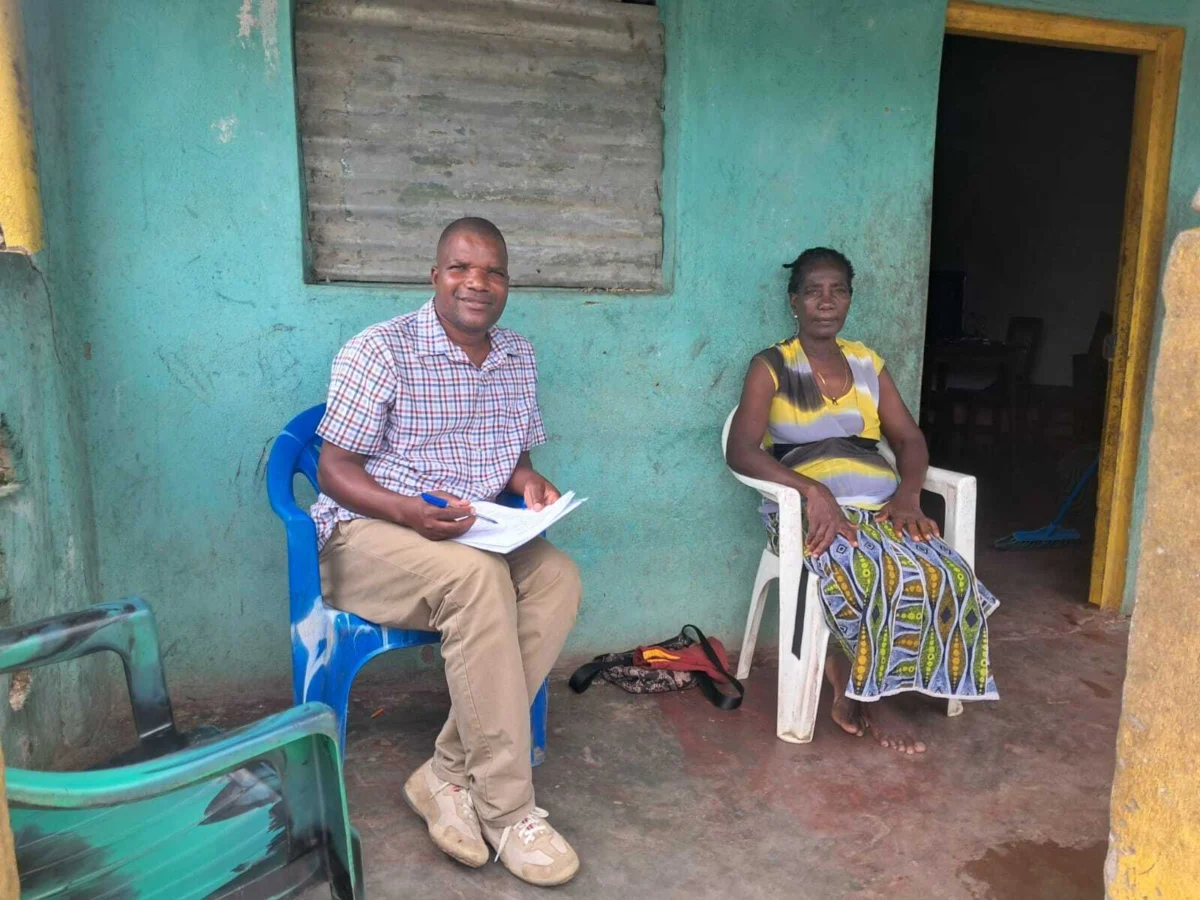
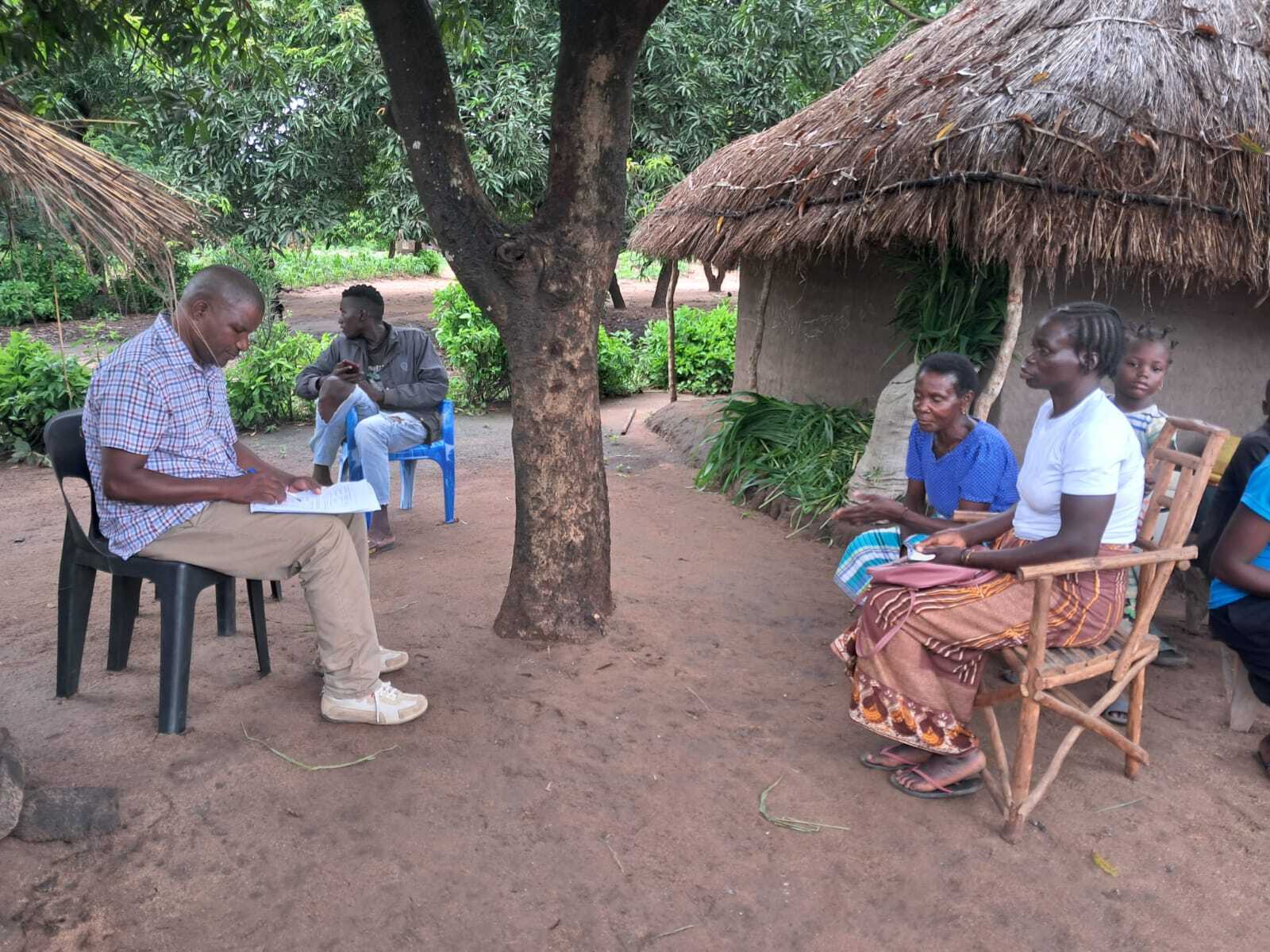
By integrating HCD, the National Youth Institute and World Education are redesigning systems to fit the realities of Mozambican girls. This involves mapping the daily routines of students, identifying "leakage points" where girls are most likely to drop out, and creating community-based safety nets. The pilot of the Community Leader Mapping Tool in Sofala Province serves as a prime example of this methodology in action. During the pilot, Alberto Domingos and other project staff conducted extensive one-on-one interviews with community leaders to identify local influencers who can act as champions for girls’ education. These leaders are essential in shifting the socio-cultural narrative away from early marriage and toward the long-term economic benefits of keeping girls in school.
Addressing Root Causes: Poverty and Cultural Norms
The Eu Sou Capaz model recognizes that school dropout is rarely the result of a single factor. It is often the culmination of intersecting pressures, including extreme poverty and deeply entrenched socio-cultural norms. Mozambique currently has one of the highest rates of child marriage in the world, with nearly half of all girls married before the age of 18. This practice is frequently linked to economic necessity, as families may view marriage as a way to reduce their financial burden.
To counter these pressures, Eu Sou Capaz provides a multi-layered support system. This includes material support—such as school kits, uniforms, and bicycles to ease the commute—alongside a transformative life-skills curriculum. The curriculum covers essential topics including reproductive health, financial literacy, and gender-based violence (GBV) prevention. By empowering girls with knowledge about their rights and their bodies, the program seeks to reduce the incidence of teenage pregnancy, which remains a leading cause of school exit.
Furthermore, the program engages men and boys in the conversation. Recognizing that gender equity cannot be achieved in a vacuum, World Education works with male community members to redefine masculinity and encourage a supportive environment for female relatives. This holistic approach ensures that the changes facilitated by the program are supported by the entire community structure, rather than being seen as an external imposition.
Chronology and Institutional Legacy
World Education’s involvement in Mozambique is built upon a 15-year history of regional impact. The organization has a proven track record of implementing data-driven educational programs in Sub-Saharan Africa, having reached hundreds of thousands of learners through previous initiatives. The timeline for the current Eu Sou Capaz technical assistance activity follows several years of collaboration between the World Bank and the Mozambican government to design a scalable model for youth empowerment.
In late 2023, the World Bank approved the EAGER strategic vision, paving the way for the National Youth Institute to seek technical partners. Following a rigorous selection process, World Education was chosen for its expertise in education systems strengthening and its ability to provide localized solutions. Throughout 2024 and early 2025, the focus has been on the development and piloting of tools like the Community Leader Mapping Tool and the refinement of the life-skills training modules. The current phase of the project involves the nationwide rollout of these tools, with a focus on training government officials to take over the day-to-day management of the activities.
Data-Driven Impact and Scalability
The success of Eu Sou Capaz is measured through a rigorous monitoring and evaluation framework. World Education utilizes real-time data collection to track enrollment trends, attendance rates, and the acquisition of life skills among participants. Preliminary data from pilot regions suggests that when community leaders are actively engaged in mapping and supporting at-risk youth, the likelihood of girls returning to school after a period of absence increases by over 30%.
The scalability of the program is a primary objective of the National Youth Institute. By building the capacity of local government structures, World Education ensures that the interventions remain sustainable long after the technical assistance period ends. This involves training "technicos" at the district level to oversee the distribution of materials and the implementation of the life-skills curriculum. This institutional strengthening ensures that the "Eu Sou Capaz" brand becomes a permanent fixture of the Mozambican social safety net.
Broader Economic and Social Implications
The implications of the Eu Sou Capaz initiative extend far beyond the classroom. Investing in adolescent girls is widely regarded as one of the most effective ways to break the cycle of intergenerational poverty. When a girl in Mozambique completes secondary school, her future earning potential increases significantly, and she is more likely to reinvest her income into her family and community. Furthermore, educated women tend to have smaller, healthier families, leading to a reduction in maternal and infant mortality rates.
From a national perspective, the program aligns with Mozambique’s "Five-Year Plan" (Plano Quinquenal do Governo), which prioritizes human capital development as a driver of economic growth. By reducing the school dropout rate, the government is effectively expanding the future workforce and ensuring that the next generation of Mozambicans is equipped to participate in an increasingly digital and globalized economy.
The collaboration between the National Youth Institute and World Education also serves as a model for international development. It demonstrates how global expertise and multilateral funding can be channeled through national institutions to create culturally sensitive and effective programs. As the Eu Sou Capaz initiative continues to expand, it stands as a testament to the power of partnership in overcoming the barriers to education and unlocking the potential of adolescent girls across Southern Africa.
Looking Ahead: The Path to Achievement
As World Education and the National Youth Institute move forward with the Eu Sou Capaz Technical Assistance and Training Activity, the focus remains on the transition from enrollment to achievement. The program’s success will ultimately be defined by the number of girls who not only stay in school but graduate with the confidence and skills to lead productive lives.
Through continued community mobilization, the application of human-centered design, and a steadfast commitment to addressing the root causes of gender inequality, the initiative is poised to make a lasting impact on the educational landscape of Mozambique. The work being done today in provinces like Sofala provides a blueprint for a future where every Mozambican girl can truly say, "Eu Sou Capaz"—I am capable.