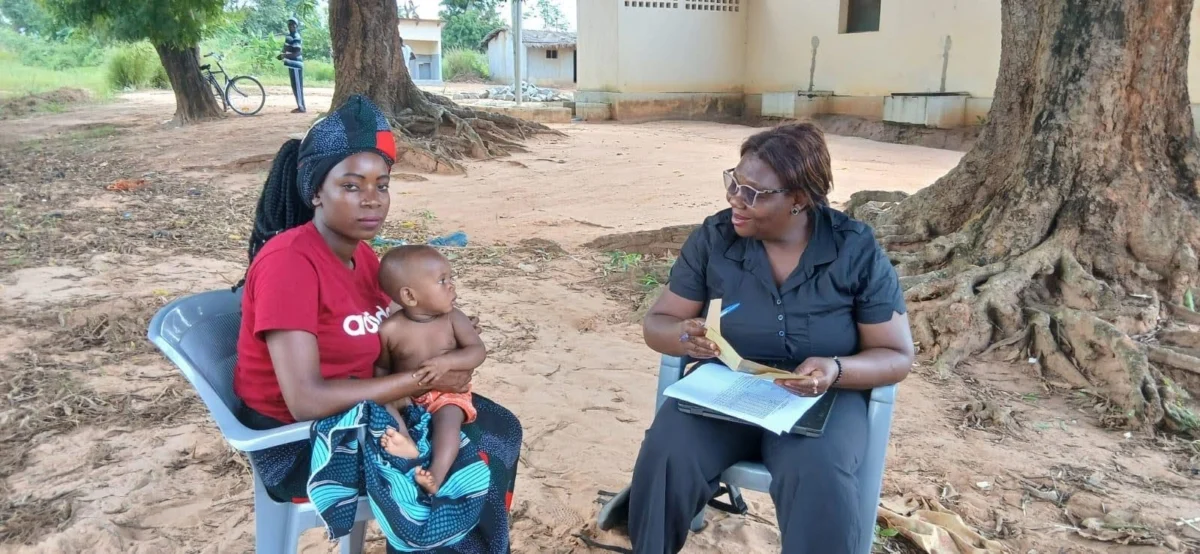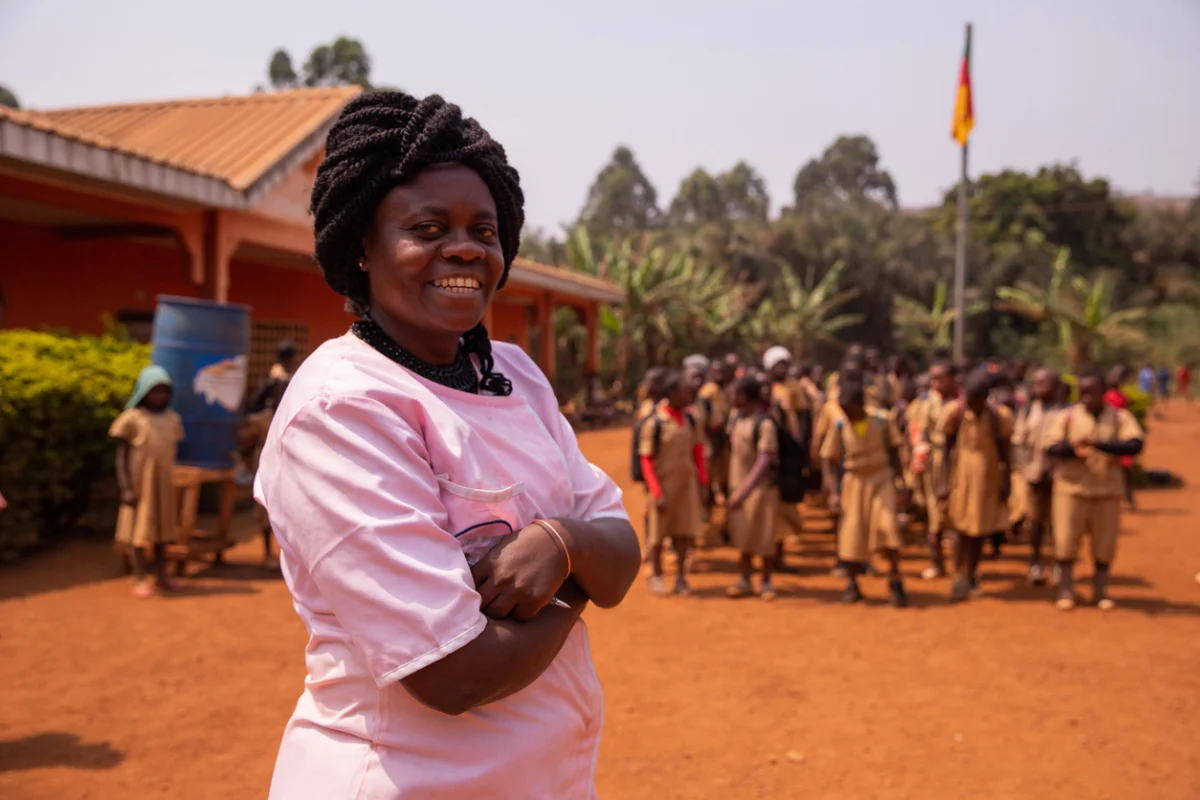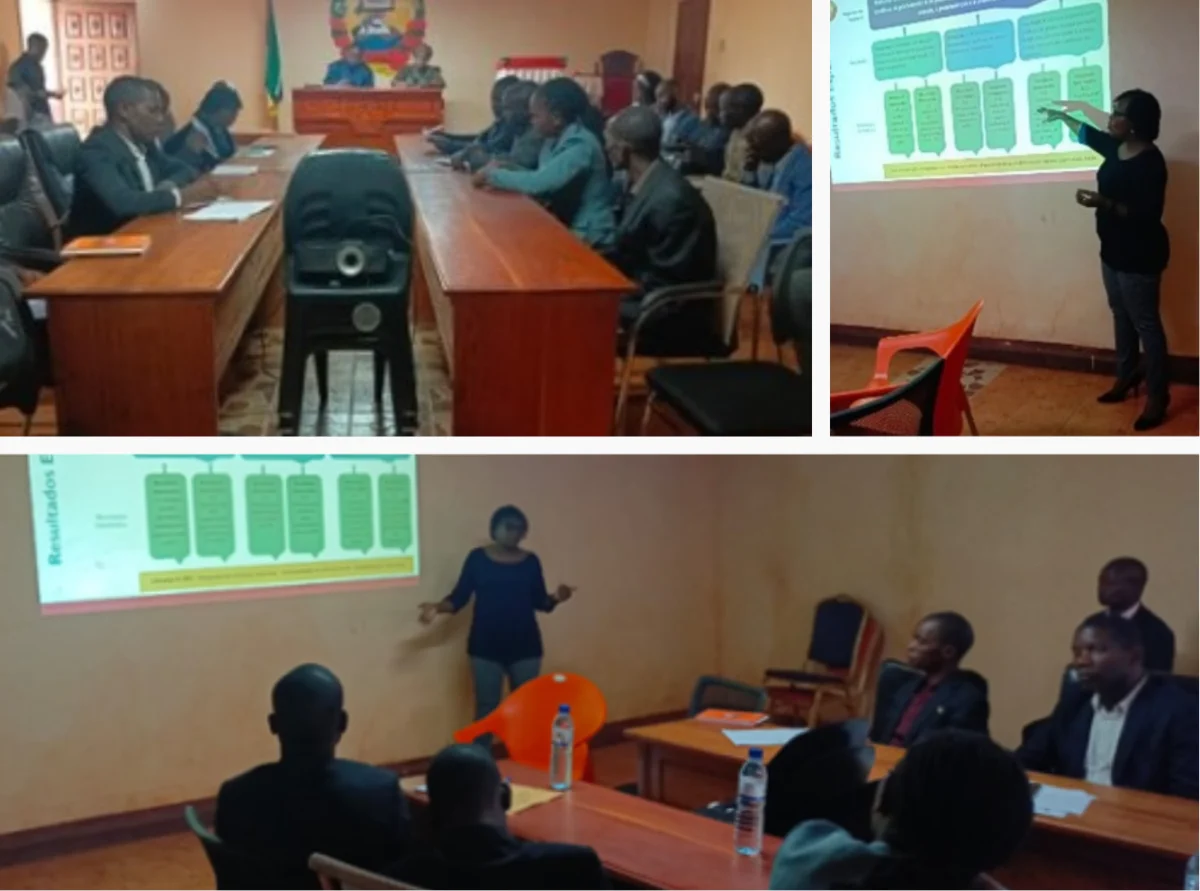
The Ministry of Education and Culture (MEC) of Mozambique, in a strategic alliance with World Education—a JSI initiative—and funded by IrishAid, has officially inaugurated the "Empowering Educators" program. This comprehensive initiative is designed to operationalize the Mozambican government’s National Strategy for Continuous Teacher Training, specifically targeting the unique educational hurdles faced in the Niassa Province of northern Mozambique. Launched in 2026, the program marks a pivotal shift from theoretical policy to practical, on-the-ground implementation, aiming to bridge the gap between national educational standards and classroom realities in some of the country’s most remote districts.
A Strategic Response to Systemic Educational Challenges
For decades, Mozambique has grappled with the dual challenge of expanding access to education while maintaining the quality of instruction. While enrollment rates have seen a steady increase since the early 2000s, the consistency of teacher professional development has remained a persistent bottleneck. Historically, teacher training in Mozambique has often been centralized or sporadic, making it difficult for educators in rural provinces like Niassa to receive the ongoing support necessary to adapt to evolving curricula and pedagogical techniques.
The Empowering Educators program is built upon the recognition that sustainable improvement in learning outcomes requires more than just initial teacher certification; it demands a continuous, localized support structure. By partnering with World Education, the MEC is leveraging over 15 years of institutional expertise in the Mozambican education sector to create a model that is both scalable and resilient.
Program Scope and Target Demographics
The initial phase of the Empowering Educators program is precisely targeted to maximize impact within the Niassa Province. The project is set to reach 600 teachers across four specific districts, including Mavago and Mecula. Notably, the program places a significant emphasis on gender equity, with over 200 of the participating teachers being women. This focus is intentional, as female educators often serve as critical role models in regions where girl-child education faces socio-cultural barriers.
In addition to classroom teachers, the initiative includes 100 school directors. This leadership-centric approach acknowledges that teachers cannot innovate in a vacuum; they require an administrative environment that prioritizes academic excellence and gender-responsive management. By training school directors alongside their staff, the program ensures that the entire school ecosystem is aligned with the goals of the National Strategy for Continuous Teacher Training.
Chronology of Partnership and Implementation
The launch of Empowering Educators in 2026 is the culmination of a long-term collaborative trajectory between World Education and the Government of Mozambique.
- 2011–2020: Foundational Years: World Education established its presence in Mozambique, partnering with the MEC to deliver large-scale literacy and bilingual education programs. During this period, the organization supported over 2 million learners and trained tens of thousands of teachers, laying the groundwork for the current district-level interventions.
- 2021–2025: Strategy Development: Following the success of previous initiatives, the MEC began refining the National Strategy for Continuous Teacher Training. During this phase, IrishAid emerged as a key donor, recognizing the need for a focused intervention in northern Mozambique, where educational infrastructure lagged behind the southern provinces.
- Early 2026: Baseline Evidence Gathering: Prior to the official rollout, the Empowering Educators team conducted comprehensive baseline assessments in the targeted districts of Niassa. This data-driven approach allowed the program to tailor its training modules to the specific literacy levels and classroom conditions found in Mavago and Mecula.
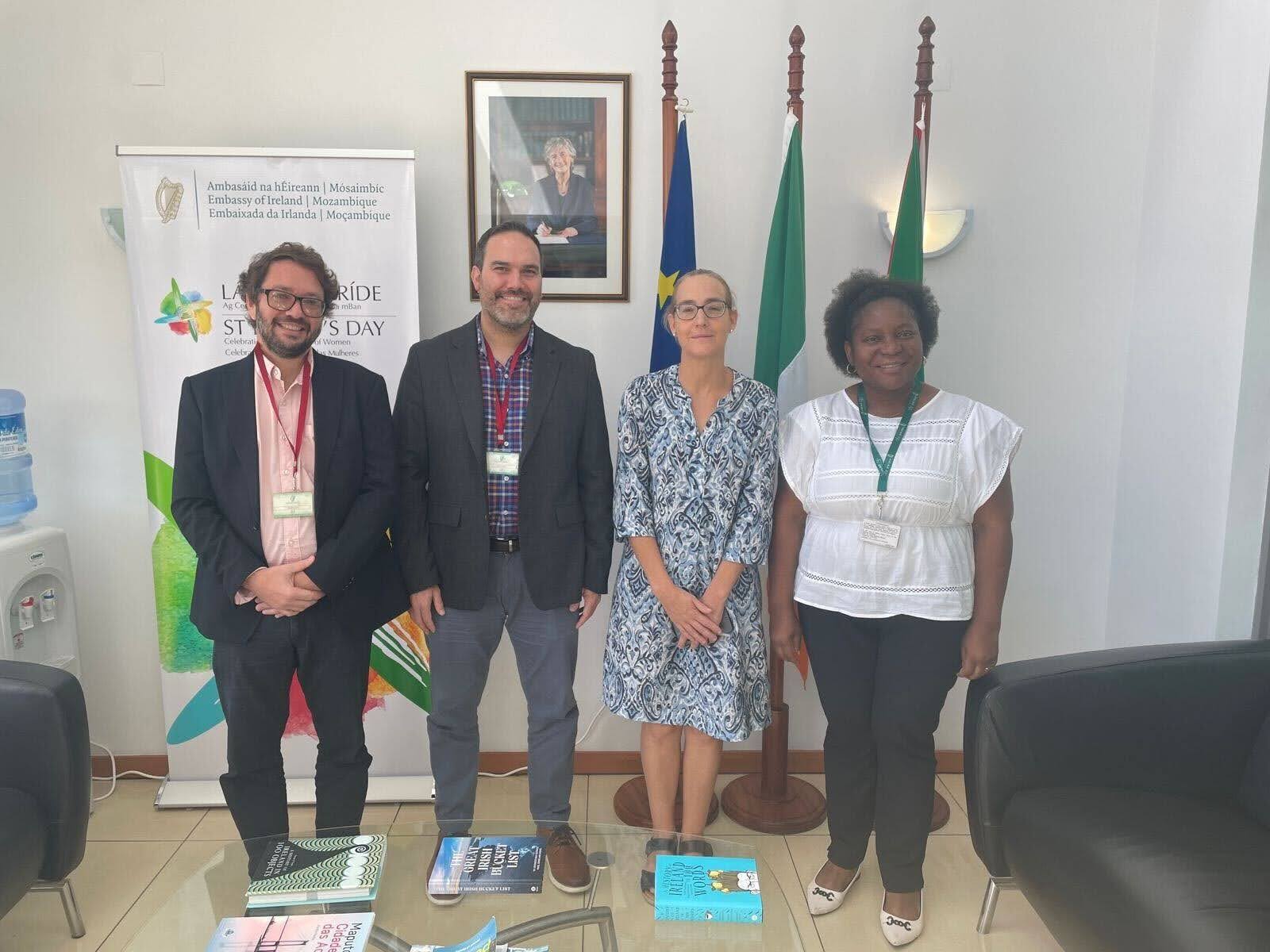
- Mid-2026: Official Launch and Kick-off Events: High-level meetings in Maputo and district-level ceremonies in Niassa marked the formal start of the program. Representatives from the Embassy of Ireland, including Aileen O’Donovan, Deputy Head of Mission and Cooperation, and Lídia Meque, Program Manager, joined World Education’s leadership to signal international and national commitment.
The Multiplier Effect: A Sustainable Training Model
One of the most innovative aspects of the Empowering Educators program is its reliance on the "multiplier" principle. Rather than relying on external consultants to provide one-off workshops, the program empowers local educators to become trainers themselves.
Ligia Lundo, World Education’s Provincial Manager, explained that the sustainability of the strategy is rooted in on-the-job training. "Trainee teachers will act as multipliers of the process," Lundo stated. "Deputy School Heads will provide ongoing support in the classroom through peer coaching, making use of the support tools available within the system."
This peer coaching model addresses a major flaw in traditional professional development: the lack of follow-up. By embedding support within the daily school routine, the program ensures that new pedagogical strategies—such as foundational literacy techniques and gender-sensitive classroom management—are actually applied and refined in real-time. This bottom-up approach transforms the school from a place of mere instruction into a "learning organization" where staff continuously improve their craft.
Regional Focus: Why Niassa Province?
The selection of Niassa Province for the Empowering Educators program is a strategic decision based on both need and potential. Niassa is the largest and most sparsely populated province in Mozambique, characterized by vast distances and limited infrastructure. These geographical factors often lead to the isolation of teachers, who may feel disconnected from the policy updates issued in Maputo.
Furthermore, the northern districts of Mavago and Mecula have historically faced challenges regarding foundational learning outcomes. By focusing on these areas, IrishAid and World Education are targeting the "last mile" of educational delivery. The program’s focus on foundational learning—specifically reading, writing, and basic mathematics—is designed to ensure that children in these remote areas gain the essential skills required for secondary education and future economic participation.
Promoting Gender-Responsive School Management
A core pillar of the Empowering Educators initiative is the promotion of access, retention, and protection of girls. In many parts of rural Mozambique, girls face a higher risk of dropping out due to early marriage, domestic responsibilities, or lack of sanitary facilities at school.
The program addresses these issues through "gender-responsive school management." This involves training school directors and teachers to identify and mitigate the specific barriers that prevent girls from attending and succeeding in school. By creating a safe and inclusive environment, the program aims to improve the retention rates of female students, ensuring that they not only enroll in primary school but complete their full course of study.
The inclusion of over 200 female teachers in the training program is a vital component of this strategy. These educators are uniquely positioned to mentor female students and advocate for their needs within the school community and the wider district.
Supporting Data and Expected Outcomes
The Empowering Educators program is monitored against rigorous benchmarks to ensure accountability to both the MEC and IrishAid. Key performance indicators (KPIs) include:
- Teacher Proficiency: A measurable increase in the application of student-centered pedagogical techniques among the 600 targeted educators.
- Student Literacy: Significant improvement in foundational reading and writing scores among primary learners in the four targeted districts.
- Leadership Capacity: 100 school directors demonstrating the ability to implement continuous training plans and gender-responsive policies.
- System Strengthening: The successful integration of National Strategy protocols into district-level education offices.
The program’s data-driven nature allows for "applied research and evaluation," a service highlighted by World Education as central to their methodology. By analyzing the results of the initial 2026 cohort, the MEC will be able to determine how to best scale these interventions to other provinces across Mozambique.
Official Responses and Implications
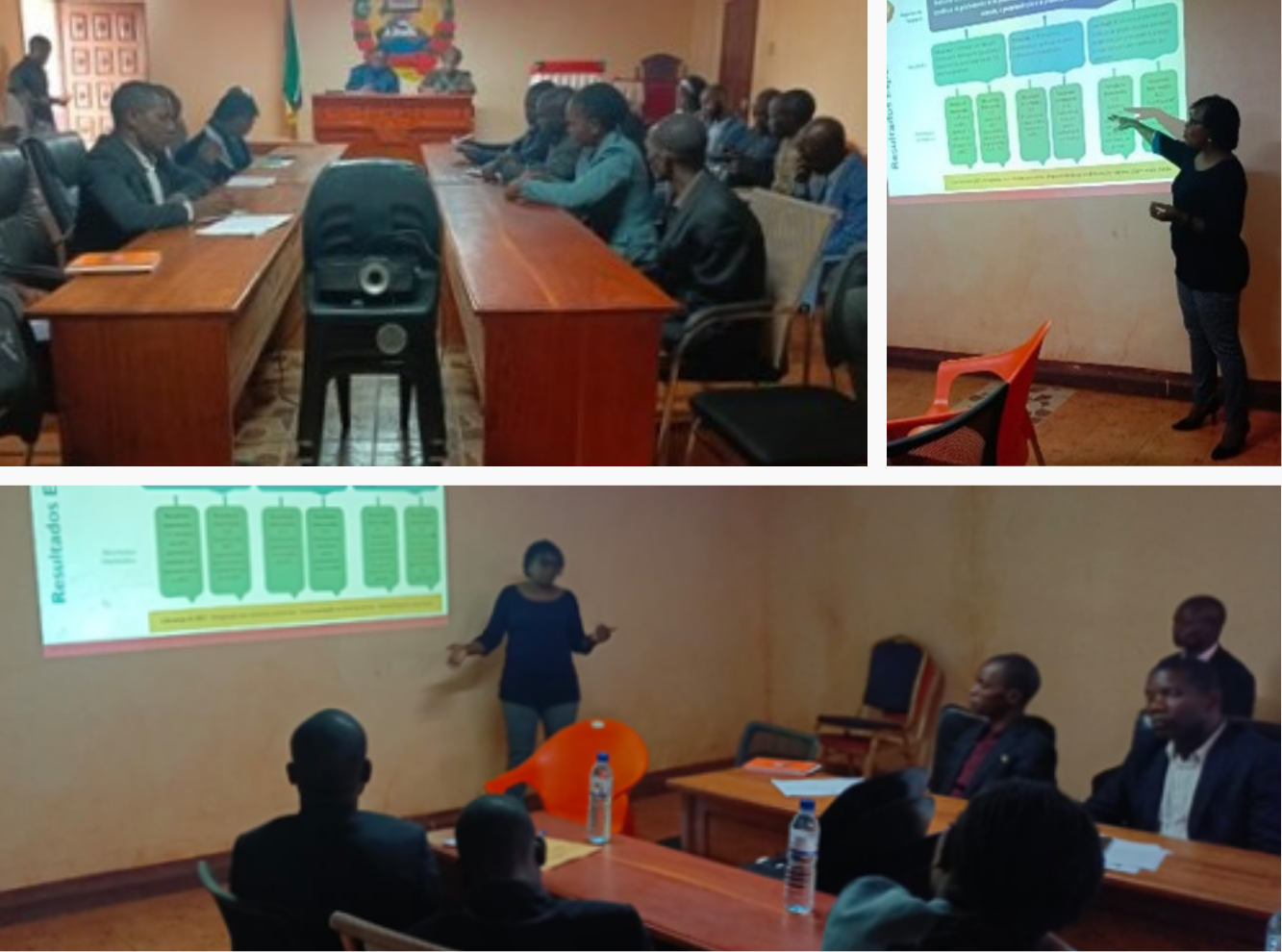
The launch events in Niassa were met with strong local support. During the kick-off in the Mavago district, local administrators reinforced their commitment to the initiative, emphasizing that education is the cornerstone of regional development. The presence of Adam Turney, World Education initiative director, and David Noyes, project director, underscored the international technical expertise being brought to the table.
From a diplomatic perspective, the involvement of the Embassy of Ireland highlights a continued trend of European-African partnerships focused on human capital. For Ireland, supporting education in Mozambique is a long-term investment in stability and economic growth in the SADC (Southern African Development Community) region.
Conclusion: A Vision for the Future
The Empowering Educators program represents more than just a training cycle; it is a blueprint for how national education policies can be successfully localized. By focusing on the "multiplier effect," gender-responsive management, and foundational learning, World Education and the Ministry of Education and Culture are building a system that does not rely on permanent external aid, but rather on the professional growth of Mozambican educators themselves.
As the program progresses through 2026 and beyond, its success will be measured by the children in Niassa who find themselves in more engaging, safe, and effective classrooms. For the 600 teachers and 100 directors at the heart of this initiative, the journey toward educational excellence in Mozambique has entered a new and promising chapter. Through this partnership, the vision of a robust, self-sustaining educational system in northern Mozambique is closer to becoming a reality.