The Mid-Summer Publishing Landscape
The July 2026 slate arrives during a period of sustained growth for LGBTQ+ titles. According to industry data from the first quarter of the year, sales of diverse fiction and nonfiction have seen a 12% year-over-year increase, driven largely by young adult (YA) audiences and the proliferation of "BookTok" and "Bookstagram" communities. Publishers have responded by front-loading their summer schedules with high-profile titles that leverage the momentum of Pride Month into the late summer reading season.
The upcoming releases are categorized by a notable shift toward genre-blending. While contemporary romance remains a staple, the July list is dominated by queer horror, speculative sci-fi, and literary fiction that interrogates the politics of care and self-representation. This shift indicates a maturing market where queer identities are the foundational lens through which universal themes—such as grief, labor, and survival—are examined.
Chronology of Releases: Week One (July 7 – July 9)
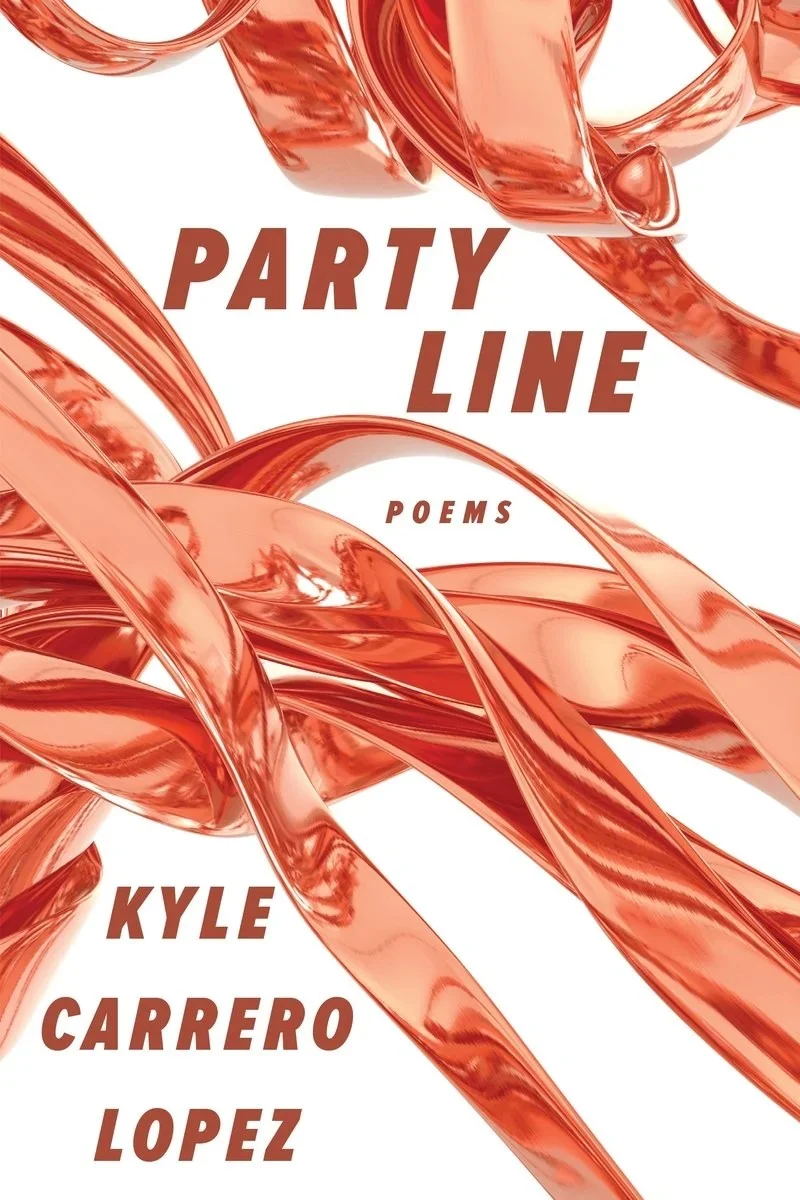
The month begins with a concentration of titles focused on the power of the written word to document legacy and internal emotional states. On July 7, the industry sees the release of Party Line by Kyle Carrero Lopez and Daughter of the Mountains: poems of heartbreak & homecoming by Fatimah Asghar. Both collections are expected to perform well in the independent bookstore circuit, where poetry has seen a resurgence as a medium for social and personal exploration.

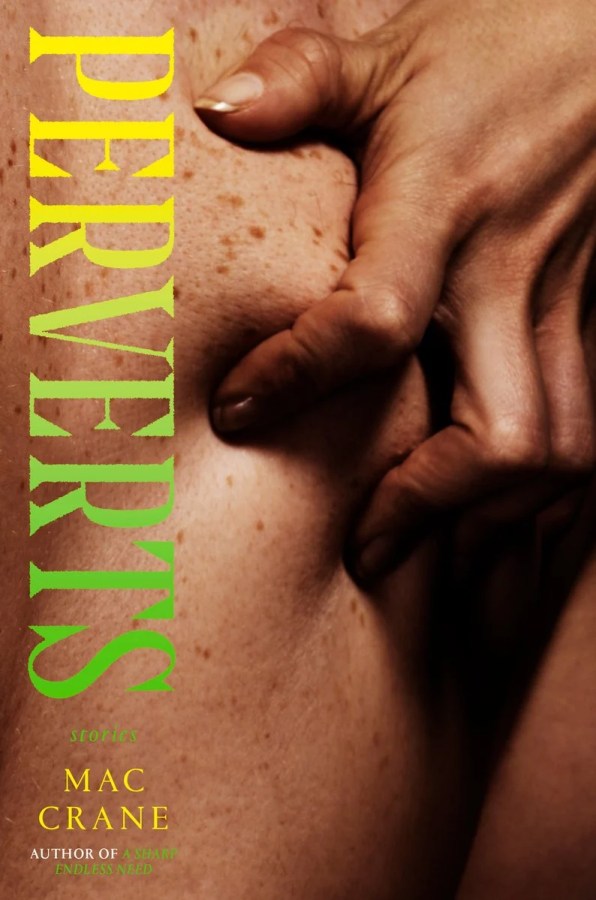
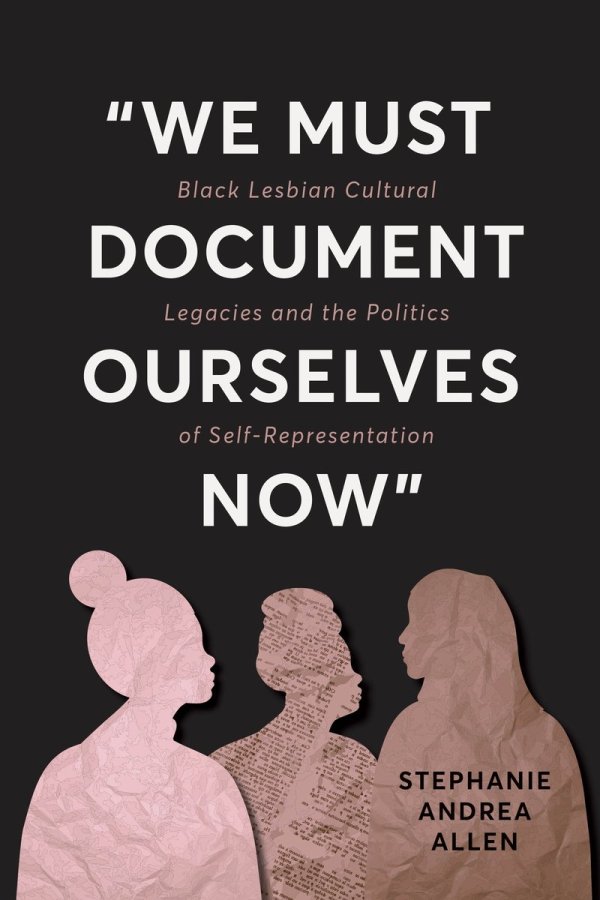
Simultaneously, the short story collection Perverts by Mac Crane challenges conventional boundaries of desire, while the non-fiction sector is bolstered on July 9 by Stephanie Andrea Allen’s “We Must Document Ourselves Now”: Black Lesbian Cultural Legacies and the Politics of Self-Representation. This scholarly yet accessible work provides a critical framework for understanding how Black lesbian communities have historically navigated visibility, a theme that resonates with current academic interests in archival justice.
Mid-Month Expansion: Fiction and Theory (July 14 – July 15)
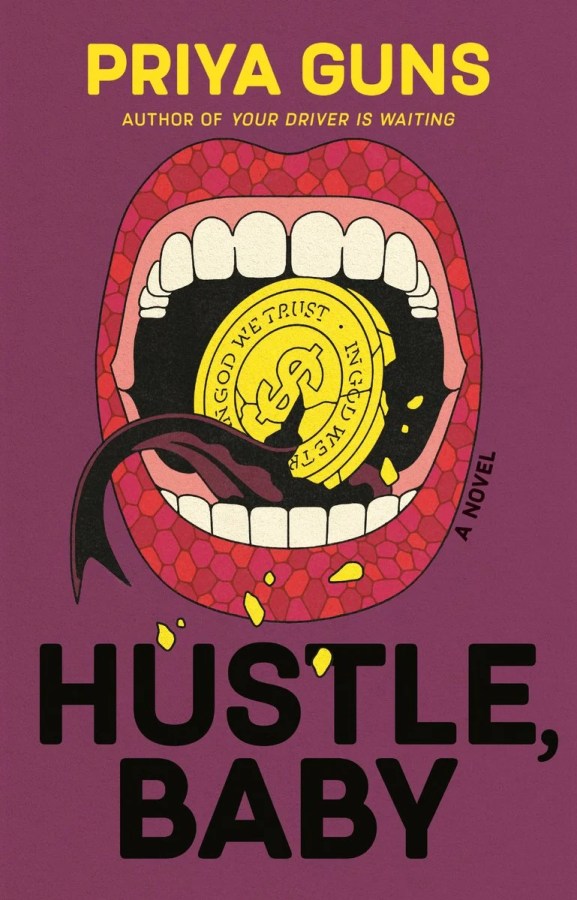
The second week of July marks a transition into more experimental and narrative-driven territory. July 14 features a dense lineup of releases, including Priya Guns’ Hustle, Baby, a piece of literary fiction that navigates the intersections of class and queer identity in a late-capitalist society.
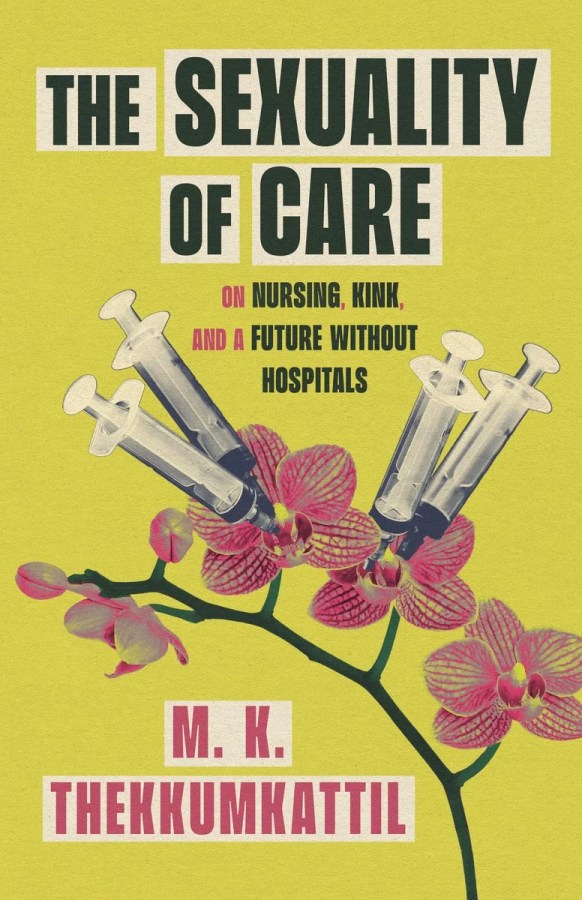
One of the most anticipated titles of the month is M. K. Thekkumkattil’s The Sexuality of Care: On Nursing, Kink, and a Future Without Hospitals. This nonfiction work is already generating discussion among healthcare advocates and queer theorists for its provocative stance on the institutionalization of care and the potential for community-based alternatives. Other notable July 14 releases include:
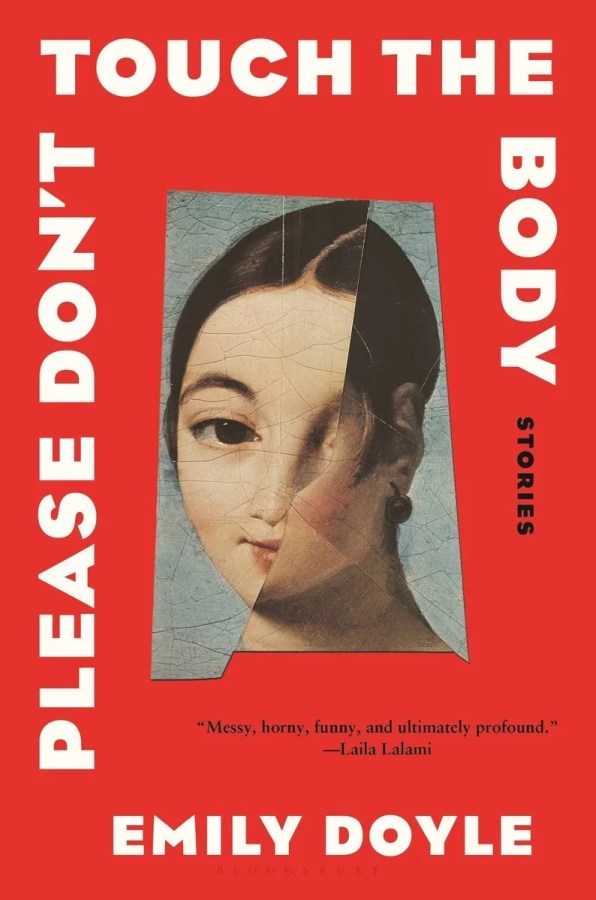
- Short Stories: Please Don’t Touch The Body by Emily Doyle.
- Literary Fiction: Chosen Family by Madeleine Gray and How To Date a Fanatic by Aruni Kashyap.
- Speculative Fiction: Misery’s Wife by Joan Tierney.
- Young Adult: The Assassin’s Guide to Dating by Natalie C. Parker, which continues the trend of high-stakes sapphic sci-fi.
Genre Dominance: Horror and Speculative Narratives (July 21 – July 22)
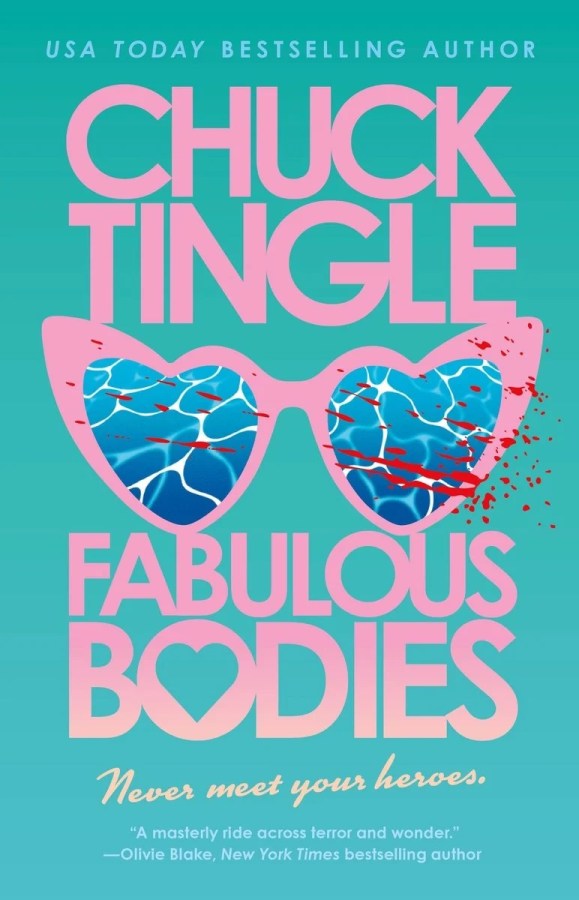
The third week of July is characterized by a significant influx of queer horror and dark fantasy. This subgenre has become a powerhouse in the 2020s, with authors using the "monster" and the "uncanny" as metaphors for societal alienation. Sarah L. Hawthorn’s A Fate Worse Than Drowning and Chloe Lauter’s The Flayed Man are expected to be highlights for fans of the macabre.
The July 21 schedule also features:
- Horror: We Sent Them Down Singing by Libby Edwardson and the YA horror title Funerals Are For The Living by Sami Ellis.
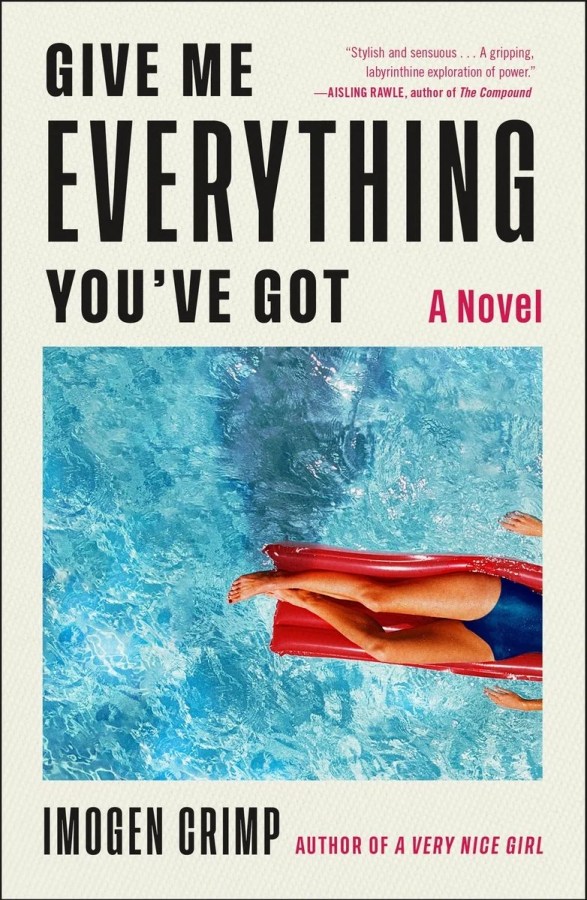
- Literary Fiction: The New People by Andrea Uptmor and Give Me Everything You’ve Got by Imogen Crimp.
- Poetry and Memoirs: Devour Me, Again: The Poems of Bambi Lake, edited by August Bernadicou, and Unsayable: A Life in Writing by Pulitzer Prize winner Michael Cunningham. Cunningham’s contribution is particularly noteworthy, as his work has long been a cornerstone of the LGBTQ+ literary canon.
On July 22, the focus remains on short-form storytelling and lyrical exploration with Ewa Gerald Onyebuchi’s while the world slept and Hailey Leithauser’s How to Moth.
The Final Surge: Thrillers and Grief (July 28)
The month concludes on July 28 with a diverse array of titles that tackle heavy themes of mourning and survival. S.E. Smith’s all my dead cats, and other losses: practicing good grief in a culture that fears mourning is a significant nonfiction entry that addresses the universal experience of loss through a queer, neurodivergent lens.
In the YA sector, Alex Travis’s Black Girls Don’t Cry and Sophia Hannan’s We Were Never Here provide high-tension narratives that combine thriller elements with gothic sensibilities. The fantasy and sci-fi genres are also represented with Sara Omer’s The Harpy Knight and August Clarke’s The Felicity Complex, ensuring that the month ends with a strong showing of speculative imagination.
Supporting Data and Market Analysis
Market analysts suggest that the July 2026 lineup reflects a strategic move by the "Big Five" publishers to compete with independent presses that have traditionally dominated the queer book market. By diversifying their catalogs to include titles like Cisgender: Disorienting a Category by Perry Zurn (July 21) and the translation of Colette’s The Pure and the Impure by Rachel Careau, larger publishing houses are attempting to capture the growing demographic of readers interested in gender theory and classic queer literature.
The presence of Alice Oseman’s Heartstopper Vol. 6 (July 21) is expected to be a major commercial driver. The Heartstopper franchise has become a global phenomenon, with previous volumes consistently topping bestseller lists and the Netflix adaptation expanding its reach. Its release in July is likely to provide a "halo effect," drawing younger readers into bookstores where they may also discover the month’s more niche offerings.

Official Responses and Community Impact
While official statements from the publishers emphasize the "boldness" and "originality" of the July slate, community reactions from queer literary organizations highlight the importance of these books in the current social climate. A spokesperson for a prominent LGBTQ+ literary foundation noted that "the variety of voices represented in the July 2026 releases is a testament to the resilience of queer storytellers in an era where diverse narratives are under increasing scrutiny."
Furthermore, the inclusion of graphic novels like Fiona Marchbank’s Ladies of the Knight (July 21) points to the continued importance of visual storytelling in making queer narratives accessible to a broader audience. Graphic novels have seen a 15% increase in library circulation over the past year, particularly those featuring LGBTQ+ protagonists.

Broader Impact and Implications
The July 2026 book list is more than just a seasonal catalog; it is a reflection of the cultural zeitgeist. The heavy leaning toward horror and thrillers suggests a collective desire to process societal anxieties through fiction, while the academic and nonfiction titles indicate a hunger for intellectual rigor and self-examination.
As these titles hit shelves, the impact will likely be felt across several sectors:
- Educational Institutions: Nonfiction works like those by Perry Zurn and Stacey Copeland are expected to be integrated into gender studies curricula by the Fall 2026 semester.
- Entertainment Media: Several titles on the July list are reportedly already in the early stages of optioning for film and television, continuing the trend of queer literature as a primary source for streaming content.
- Community Building: Independent bookstores and libraries are planning a series of "Summer of Queer Lit" events, using the July releases as a centerpiece for readings, workshops, and discussion groups.
In conclusion, Autostraddle’s Top Anticipated LGBTQ Books for July 2026 serves as a comprehensive roadmap for a month that promises to redefine the boundaries of queer literature. From the legacy of established authors to the emergence of new, experimental voices, the July slate offers a robust and multifaceted look at the queer experience, ensuring that the middle of 2026 will be remembered as a high point for diverse publishing.