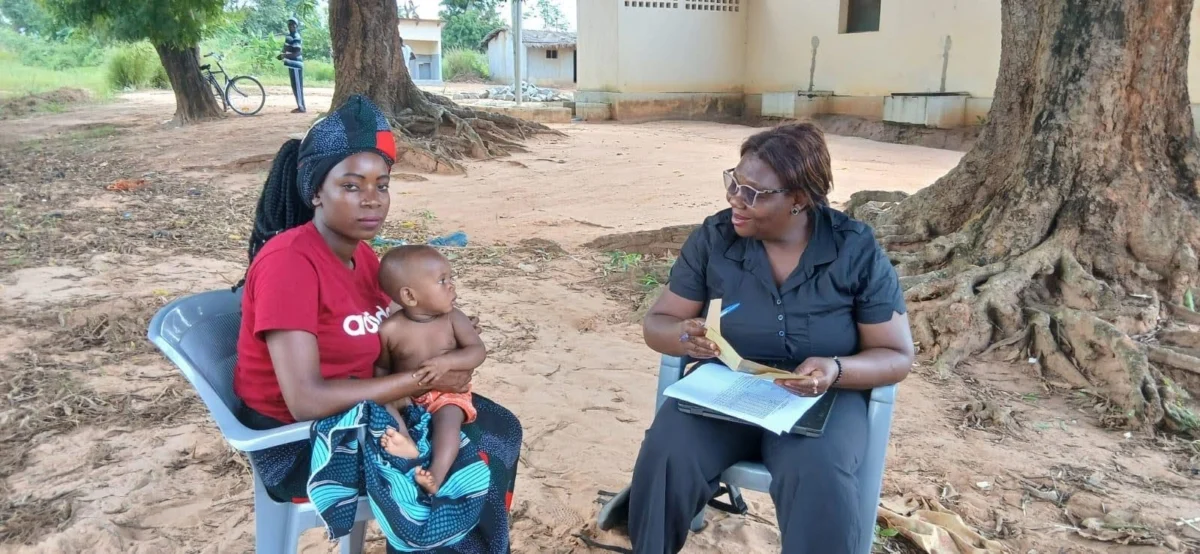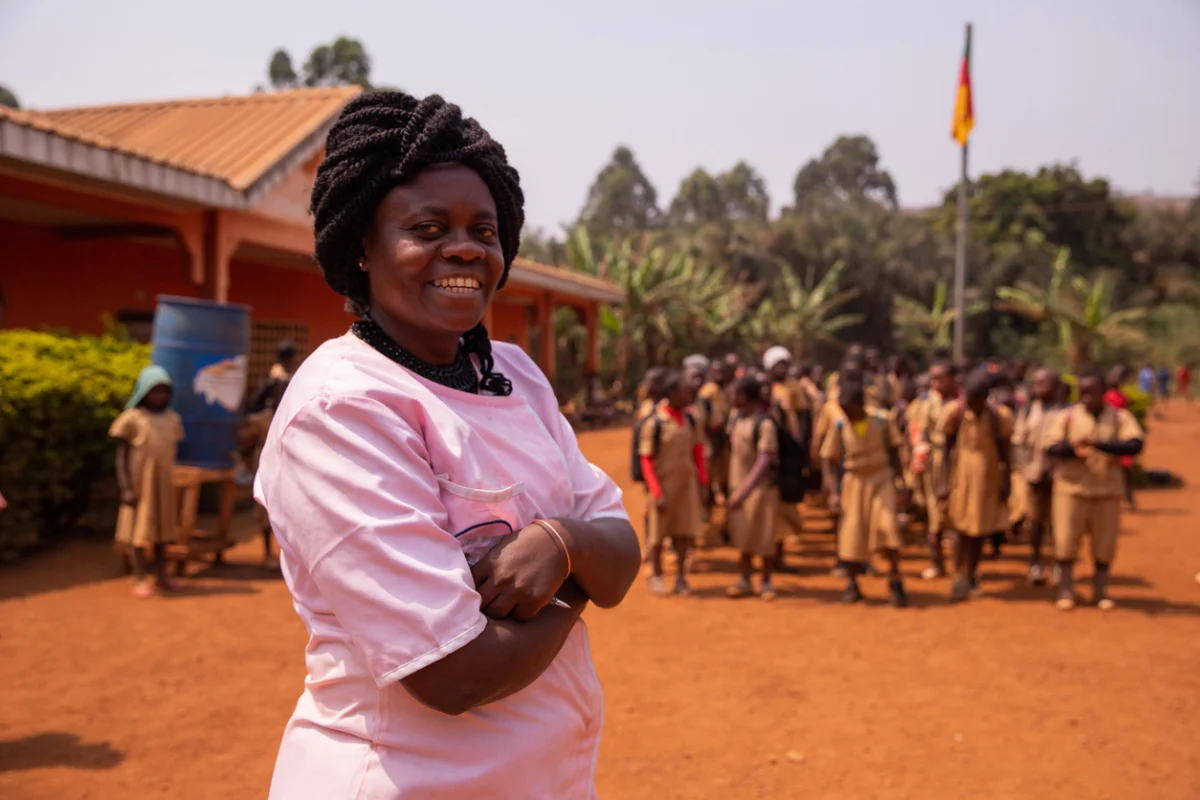
In a significant shift toward localized digital empowerment, health educators and frontline workers in the state of Gujarat, India, have successfully integrated generative artificial intelligence (GenAI) into their daily outreach efforts. This initiative, a collaborative venture between World Education—an initiative of John Snow, Inc. (JSI)—and John Snow India Private Limited (JSIPL), has demonstrated how advanced technology can be harnessed to bridge communication gaps in regions where connectivity is inconsistent and literacy levels vary. By utilizing GenAI features within Adobe Express, local health teams in the Devbhumi Dwarka District have moved beyond being mere consumers of health content to becoming creators of culturally relevant, high-impact educational materials.
The project addresses a long-standing challenge in the Indian public health landscape: the "last mile" of communication. While national health campaigns often provide standardized materials, these resources frequently fail to resonate with local populations due to language barriers, lack of cultural representation, and a reliance on text-heavy formats. In the rural coastal district of Devbhumi Dwarka, where the Anganwadi system serves as the backbone of community health, the need for agile, visual-first communication has never been more pressing.
The Anganwadi System and the Communication Bottleneck
To understand the impact of this GenAI intervention, it is essential to consider the role of the Anganwadi Worker (AWW). Established in 1975 as part of the Integrated Child Development Services (ICDS) program, Anganwadi centers are the primary point of contact for maternal and child health, nutrition, and early childhood education in India. There are approximately 1.4 million AWWs across the country, tasked with guiding families on critical issues such as breastfeeding, immunization, and neonatal care.
In Gujarat, as in much of rural India, AWWs often struggle with outdated communication tools. Traditionally, health education materials were produced through a centralized, outsourced design process. This method was not only expensive but also agonizingly slow. By the time a poster or pamphlet reached a remote village, the specific health crisis it addressed might have evolved, or the imagery used might have felt foreign to the local community. Furthermore, in areas with varying literacy rates, text-based pamphlets often went unread, leaving a void that only visual and oral storytelling could fill.
The digital divide further complicated these efforts. While smartphone penetration and the use of WhatsApp have surged in rural India, the professional capacity to create high-quality digital content remained concentrated in urban centers. This created a paradox: frontline workers had the tools to distribute information (smartphones) but lacked the means to create the specific content their communities required.
A New Paradigm: From Outsourcing to In-House Creation
The partnership between World Education and JSIPL sought to break this cycle by introducing Adobe Express and its GenAI capabilities to district-level staff and frontline teams. The objective was not to replace the human element of health counseling but to augment it.
The implementation followed a "gradual release" model, a pedagogical strategy designed to build sustainable capacity. The timeline of the project was divided into three distinct phases:
- Modeling and Exposure: In the initial phase, World Education specialists demonstrated the potential of GenAI tools. They showed how simple text prompts could generate images of local mothers, children, and health settings that looked and felt familiar to the people of Gujarat.
- Co-Design and Collaboration: During the second phase, district staff and health educators worked alongside technology experts to create materials for priority health topics. This collaborative environment allowed for immediate feedback. For instance, if an AI-generated image depicted clothing or household settings that did not match the cultural reality of Devbhumi Dwarka, the teams adjusted the prompts to ensure accuracy.
- Independent Production: In the final phase, the local teams took full ownership of the tools. Staff began creating their own templates, translating content into Gujarati, and producing short videos and GIFs specifically designed for WhatsApp distribution.
This transition from "outsourcing" to "in-house creation" reduced the production time for health materials from weeks or months to mere minutes. It also significantly lowered costs, as expensive graphic design contracts were replaced by user-friendly, AI-supported software.
Technical Augmentation: How GenAI Enhances Localization
The integration of GenAI features—specifically those powered by Adobe Firefly within the Adobe Express ecosystem—provided a solution to the "blank page" problem. For many health workers, the prospect of designing a professional-grade poster from scratch was daunting. GenAI lowered this barrier to entry by allowing users to generate high-quality imagery and layout suggestions through natural language.
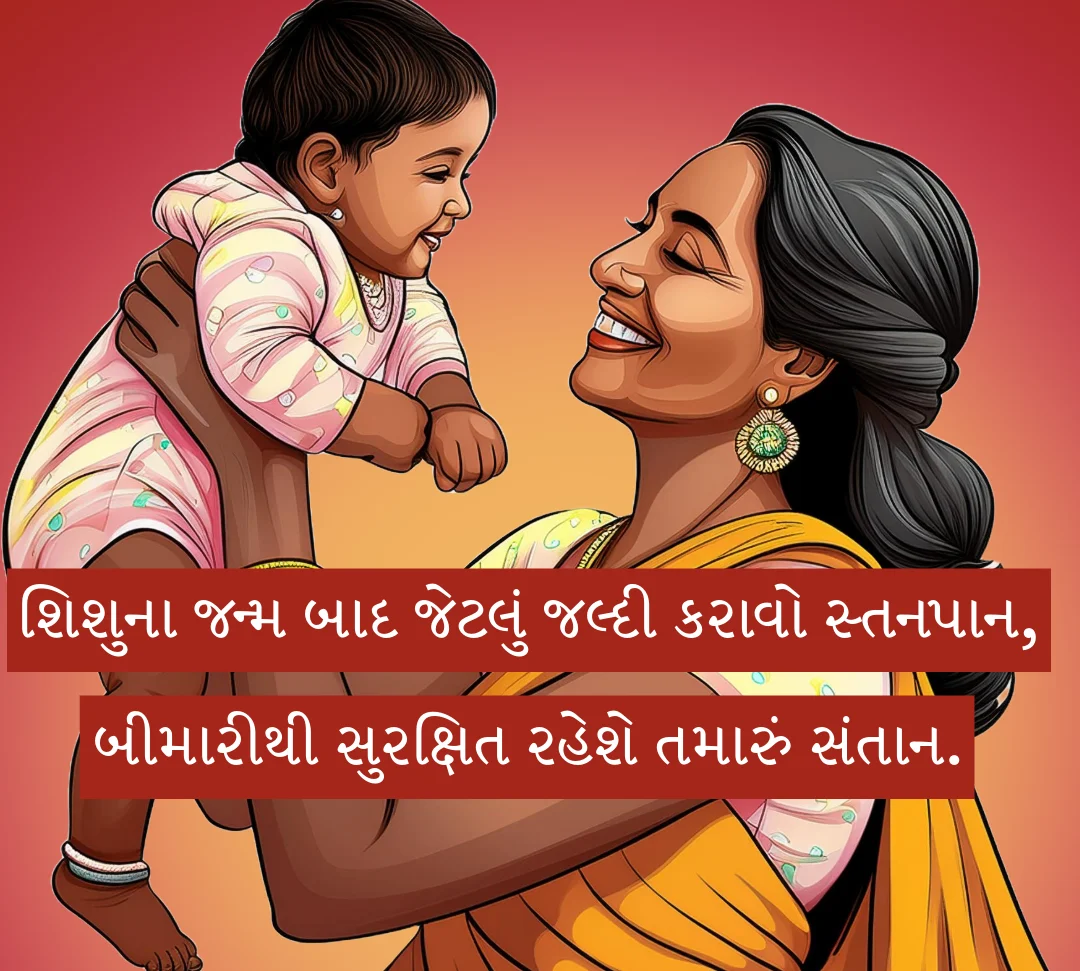
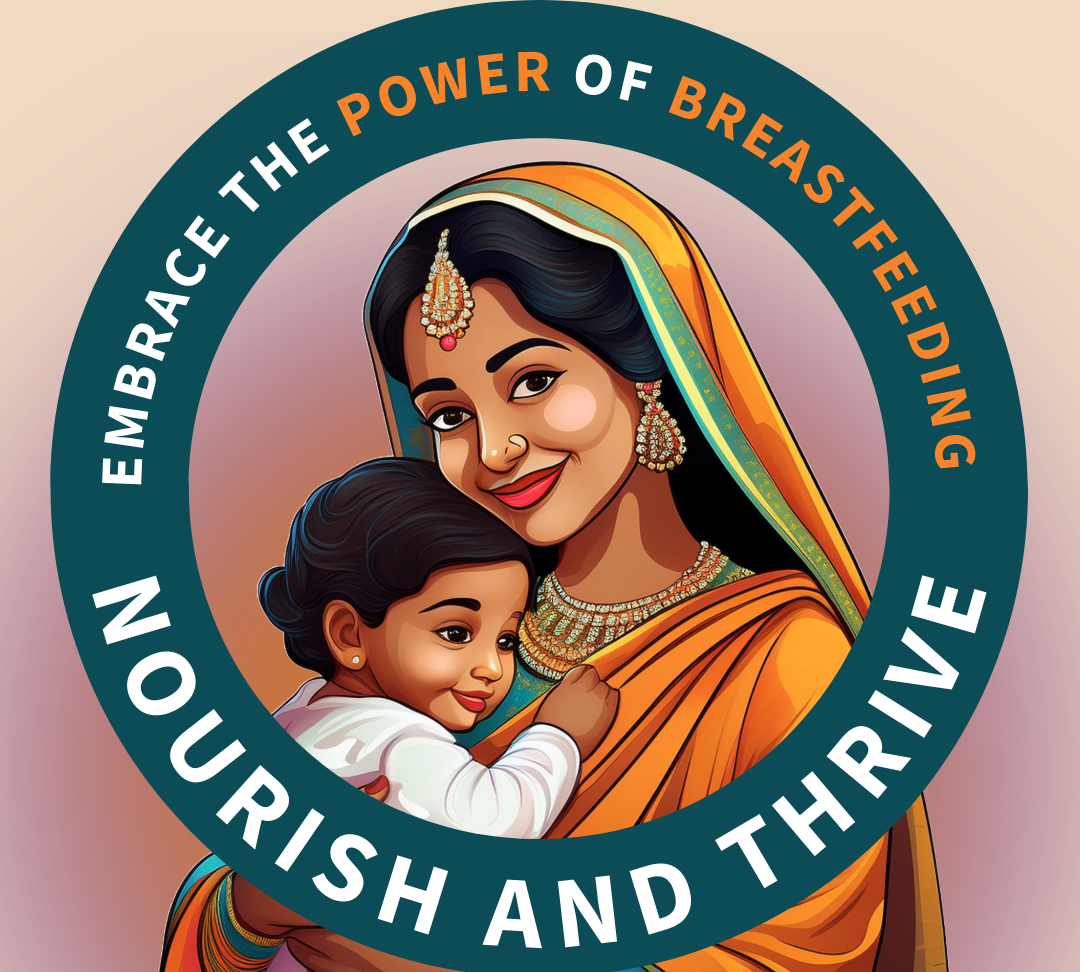
One of the most critical aspects of this technology was its ability to produce culturally appropriate visuals. In public health, representation matters. A mother in rural Gujarat is more likely to engage with health advice if the imagery features women wearing traditional local attire and settings that mirror her own home. When initial drafts produced generic or Westernized imagery, staff used generative fill and text-to-image tools to refine the visuals, ensuring that the skin tones, clothing, and background environments were authentically "Gujarati."
Furthermore, the tool allowed for the rapid adaptation of content for families with limited literacy. By prioritizing visual demonstrations—such as a GIF showing the correct way to hold a newborn or a short video explaining the preparation of nutritious local food—the AWWs could bypass the barriers created by dense text.
Data and Field Observations: The Impact on Community Engagement
While the project is a pilot, the qualitative and quantitative observations from field testing in Devbhumi Dwarka have been promising. Families reported a significantly higher level of comprehension when presented with visual-first content on an AWW’s smartphone compared to traditional printed flyers.
Key findings from the field testing include:
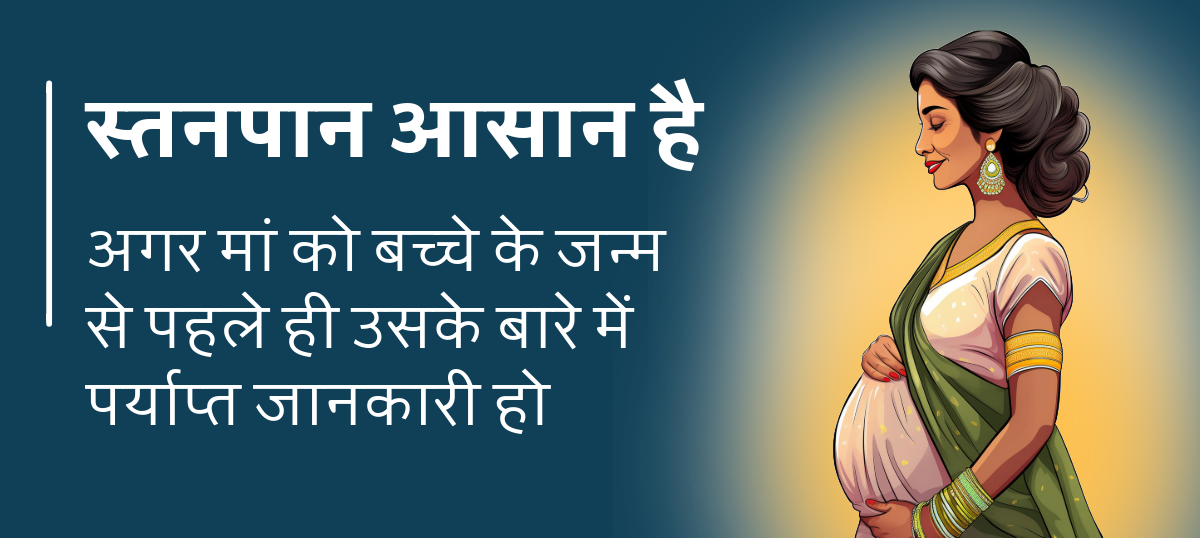
- Increased Responsiveness: AWWs could respond to specific community concerns in real-time. If a particular village expressed confusion about a new vaccine, the district team could generate a visual aid and distribute it via WhatsApp within the same afternoon.
- Enhanced Retention: Visual storytelling, particularly through short-form video and AI-generated graphics, led to better recall of health protocols among mothers.
- Peer-to-Peer Training: The ease of use of the GenAI tools sparked a secondary wave of education. Local staff members who mastered the platform began training their colleagues spontaneously, suggesting a high level of psychological ownership and empowerment.
Dr. Sanjay Kapur, Managing Director of JSIPL, emphasized the scalability of this approach. "This innovation can be scaled easily to millions of such Anganwadi Workers, thus reaching millions of mothers and children in a short period of time," Kapur stated. His assessment highlights a critical shift in global health strategy: the move toward "hyper-localization" enabled by technology.
Analysis of Implications: A Shift in Digital Transformation
The success of the Gujarat pilot offers a broader lesson for the international development community. For decades, digital transformation in the Global South has often been framed as a top-down process where technology and content are "delivered" to communities. This project suggests a more democratic alternative: digital transformation built with and by the communities themselves.
By focusing on augmentation rather than automation, the project avoids the common pitfalls of AI implementation. The AI does not decide which health messages are important; the local experts do. The AI does not replace the Anganwadi Worker; it gives her a more effective "voice" in the digital age. This distinction is vital for maintaining the trust that frontline workers have spent decades building within their communities.
Moreover, the project aligns with the Government of India’s "Digital India" and "Poshan Abhiyaan" (Nutrition Mission) goals. By empowering the grassroots workforce with 21st-century tools, the initiative supports the national mandate to reduce malnutrition and improve maternal health outcomes through innovative technology.
Future Outlook and Scaling Challenges
As World Education and JSIPL look to expand this model, several challenges remain. While GenAI reduces the need for design expertise, it still requires a basic level of digital literacy and reliable smartphone hardware. Furthermore, as AI tools become more prevalent, maintaining the accuracy of health information is paramount. Ensuring that AI-generated visuals do not inadvertently convey incorrect medical advice will require ongoing oversight by health professionals.
However, the precedent set in Devbhumi Dwarka is clear. When local staff are given the tools to tell their own stories and create their own resources, the impact is both immediate and profound. The use of Adobe Express and GenAI has turned a slow, centralized process into a dynamic, community-centered conversation.
In conclusion, the work in Gujarat serves as a blueprint for how generative AI can be used for social good. It proves that the most sophisticated technologies can find their greatest purpose in the most remote settings. By putting the power of creation into the hands of those who know their communities best, the partnership between World Education, JSIPL, and Adobe has opened a new chapter in the effort to ensure health equity for all, regardless of literacy levels or geographic location. The transformation is no longer just about the message being delivered; it is about who has the power to create the message.