The Republic of Côte d’Ivoire, the world’s leading producer of cocoa, is currently navigating a complex intersection of economic necessity and social reform. While the nation accounts for approximately 40 percent of the global cocoa supply, the communities at the heart of this industry have long struggled with systemic barriers to quality education and the persistent challenge of child labor. Since 2012, World Education, an initiative of JSI (John Snow, Inc.), has been at the forefront of a multi-sectoral effort to dismantle these barriers. Through the Mondelez International-funded CocoaLife Quality Education Project, the organization is implementing a community-centric model designed to improve academic performance, upgrade crumbling infrastructure, and ensure that the children of the cocoa belt remain in the classroom rather than the fields.
The Structural Landscape of Education in Côte d’Ivoire
Education in Côte d’Ivoire has seen significant policy shifts over the last decade, yet the implementation of these policies remains uneven, particularly in rural, cocoa-producing regions. The government’s commitment to compulsory education for children aged 6 to 16, established in 2015, set a bold precedent. However, according to Ferdinand Beblai, Country Director for JSI Côte d’Ivoire, the reality on the ground is often dictated by the seasonal rhythms of the cocoa harvest.
The challenges are multifaceted. Foremost is the issue of enrollment and retention. In many rural districts, the distance between homes and schools is a physical deterrent, but the economic draw of the harvest is an even more potent factor. When the cocoa pods ripen, the demand for labor increases, and children are frequently pulled from their studies to assist their families. This seasonal absenteeism creates a ripple effect: children return to school late, struggle to catch up with the curriculum, and eventually see a decline in their academic performance. Data from 2021 highlights the severity of this cycle, indicating that more than 15 percent of primary-level students in the country repeat a grade annually. For many, a single repeated grade is the precursor to a permanent dropout.
Furthermore, the physical environment of learning in these regions has historically been precarious. Many schools were originally constructed using temporary materials like wood and straw. As climate change increases the frequency of extreme weather events in West Africa, these structures have become hazardous, often collapsing or becoming unusable during the rainy season. This infrastructure deficit not only endangers children but also discourages teachers from accepting postings in remote areas, further diluting the quality of instruction.
The Evolution of the COGES Model
To combat these localized failures, the Ivorian government established the Comité de Gestion Établissement Scolaire (COGES). These community-based committees are designed to bring together parents, local leaders, and school staff to manage resources and oversee the daily operations of educational facilities. However, the mere existence of a committee does not guarantee efficacy.
Since 2012, World Education has focused on strengthening these committees by providing them with the tools and training necessary for self-sufficiency. A primary hurdle for most COGES groups was a lack of consistent funding. To resolve this, World Education introduced capacity-building programs that enabled committees to launch income-generating activities (IGAs). By transforming the school management committee into a localized economic engine, communities have been able to fund their own School Improvement Plans (SIPs).
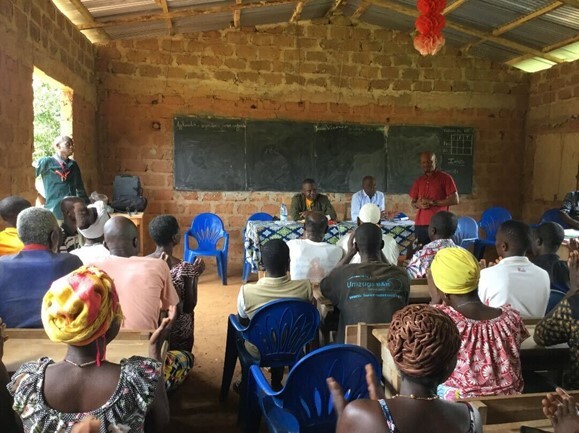
In various villages, these IGAs have taken diverse forms based on local agricultural strengths. Some communities have invested in maize cultivation, while others have established poultry farms. The revenue generated from these ventures is funneled directly back into the school system. These funds are used for critical operational needs, such as purchasing desks, repairing roofs, and—perhaps most importantly—providing stipends to motivate teachers to offer remedial tutoring in core subjects like mathematics and French. This holistic approach ensures that the community is not just a passive recipient of aid but an active stakeholder in the educational success of its youth.
Case Study: The Transformation of Ndrikro
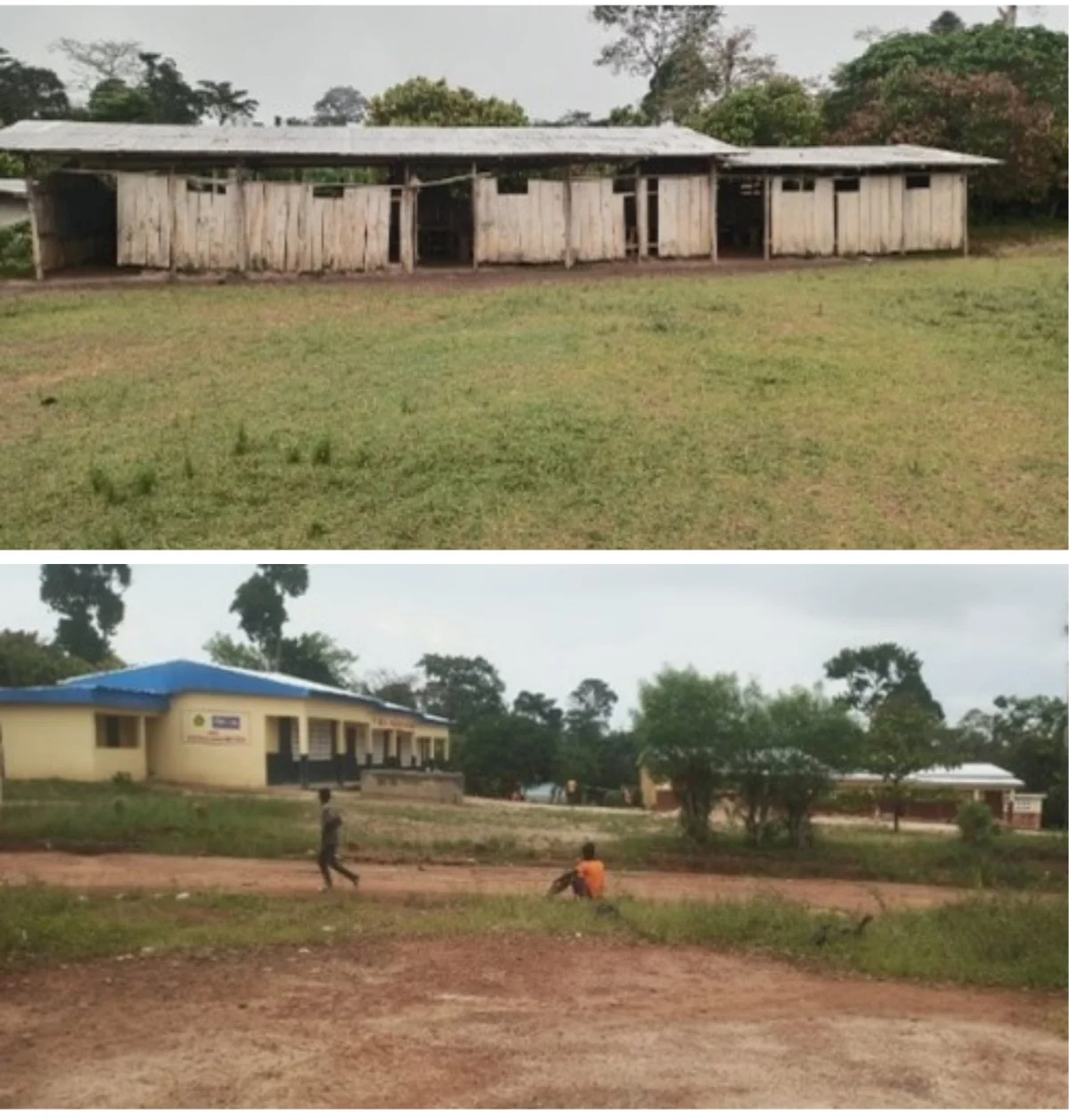
The impact of this community-led model is most visible in the village of Ndrikro, located in the Soubré region. Before the intervention of World Education and the CocoaLife project, the Ndrikro school was a symbol of the region’s educational crisis. Classes were held in "precarious sheds" that lacked basic sanitation facilities, desks, and a secure perimeter. The lack of a stable learning environment was reflected in the students’ performance, with many children unable to meet basic literacy and numeracy benchmarks.
The turnaround began when the COGES in Ndrikro mobilized a broad coalition of local actors, including village leadership, youth groups, and Village Savings and Loan Associations (VSLAs). By treating the school as a collective community asset, they were able to leverage a communal cassava field as a source of steady income.
The results of this synergy were transformative. The income from the cassava harvest, combined with the financial management skills provided by World Education, allowed the community to replace the temporary sheds with two modern school buildings equipped with administrative offices and hygienic toilets. Today, Ndrikro serves as a regional model. The presence of safe, permanent infrastructure has boosted morale among both students and parents, leading to the establishment of excellence awards and consistent remedial classes that have significantly improved academic outcomes.
Bridging the Data Gap in Rural Communities
One of the most significant contributions of the CocoaLife Quality Education Project is its focus on granular, community-level data. National statistics provided by the state are often aggregated by school district, a method that obscures the specific needs of individual villages. For example, national data might show high enrollment in a district while masking the fact that a specific village has dozens of out-of-school six-year-olds.
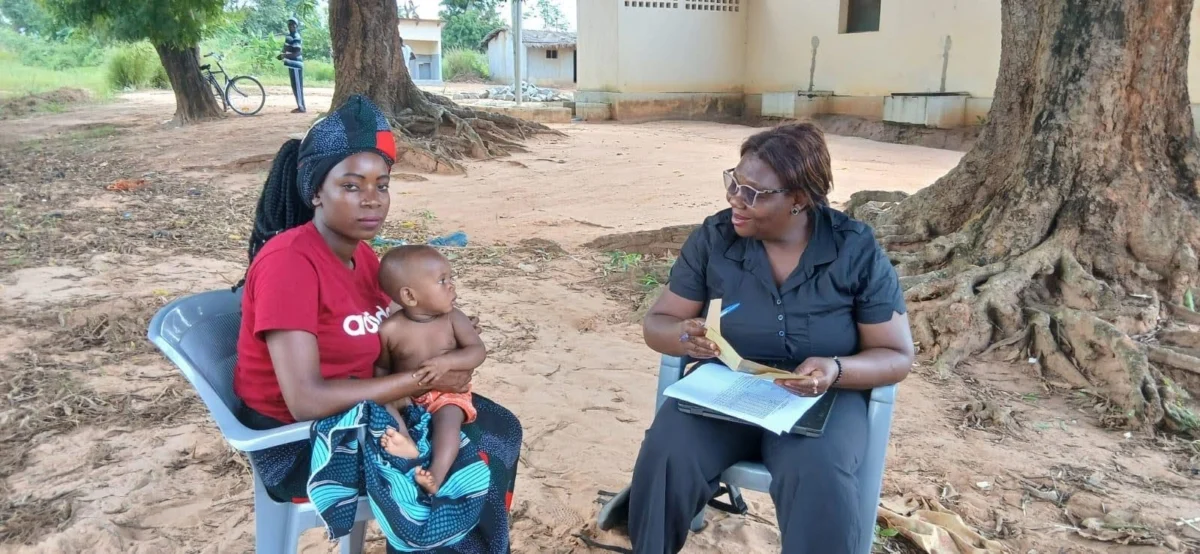
World Education’s implementation team identified a critical disconnect: the timing of the cocoa harvest and the ability of parents to pay for school supplies. Cocoa is harvested twice a year. In the months between these harvests, many farming families experience severe liquidity crunches. By collecting data at the household level, the project identified that many children were being kept home not because of a lack of interest in education, but because their parents could not afford the approximately 80,000 francs (USD 140) required for essential supplies during the "lean" months.
Recognizing this, the project provided targeted grants to the most vulnerable families, ensuring that financial fluctuations in the cocoa market did not dictate a child’s access to the classroom. This data-driven approach allowed for surgical interventions that national-level policies often overlook.
Sustainability and the Path Forward
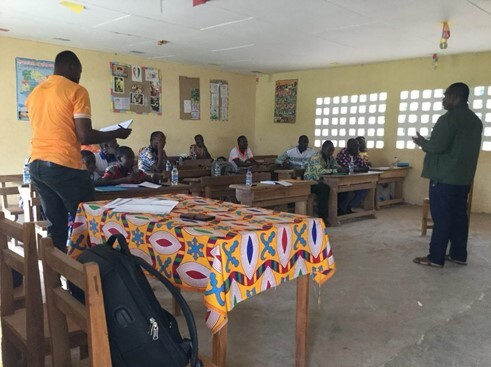
The ultimate goal of the CocoaLife project is to create a system that no longer requires external intervention. Sustainability is being built through the professionalization of COGES committees. By training these members in transparent accounting and resource management, World Education has fostered a culture of traceability and trust. When community members see that their contributions—whether in labor or currency—are being managed effectively to improve their children’s lives, they are more likely to increase their support.
In several regions where direct funding from World Education has concluded, the local communities have successfully taken the reins. These villages continue to finance their own remedial classes and maintain their infrastructure through their established income-generating activities. This shift represents a fundamental change in the perception of education: it is no longer seen as an elite pursuit or a government-mandated chore, but as a practical necessity for the next generation of farmers and citizens.
"We’re starting to see a growing movement," noted Beblai. "Parents understand that even if a child becomes a cocoa farmer, they need to go to school. They learn practical skills that help them to read the labels on insecticides and pesticides to mix them correctly." This realization bridges the gap between traditional agricultural life and modern educational requirements, highlighting the functional literacy needed to navigate the contemporary global economy.
Official Recognition and National Integration
The success of the project has not gone unnoticed by the Ivorian government. Recognizing the efficacy of the COGES strengthening model, the Ministry of National Education and Literacy has requested a formal collaboration protocol with World Education. This agreement marks a significant milestone, as it seeks to integrate the project’s methodologies into the national educational framework.
The formal protocol will allow for the scaling of these community-led initiatives across other cocoa-producing regions, ensuring that the lessons learned in Soubré and Meagui can benefit the entire country. The government’s involvement is seen as the final piece of the sustainability puzzle, providing the policy backing needed to ensure that communities remain self-sufficient in the long term.
As Côte d’Ivoire continues to modernize its economy, the CocoaLife Quality Education Project stands as a testament to the power of localized governance. By addressing the root causes of educational failure—poverty, poor infrastructure, and economic pressure—and empowering communities to solve these issues themselves, World Education and its partners are ensuring that the future of the cocoa belt is defined by the knowledge and skills of its youth, rather than just the yields of its fields.