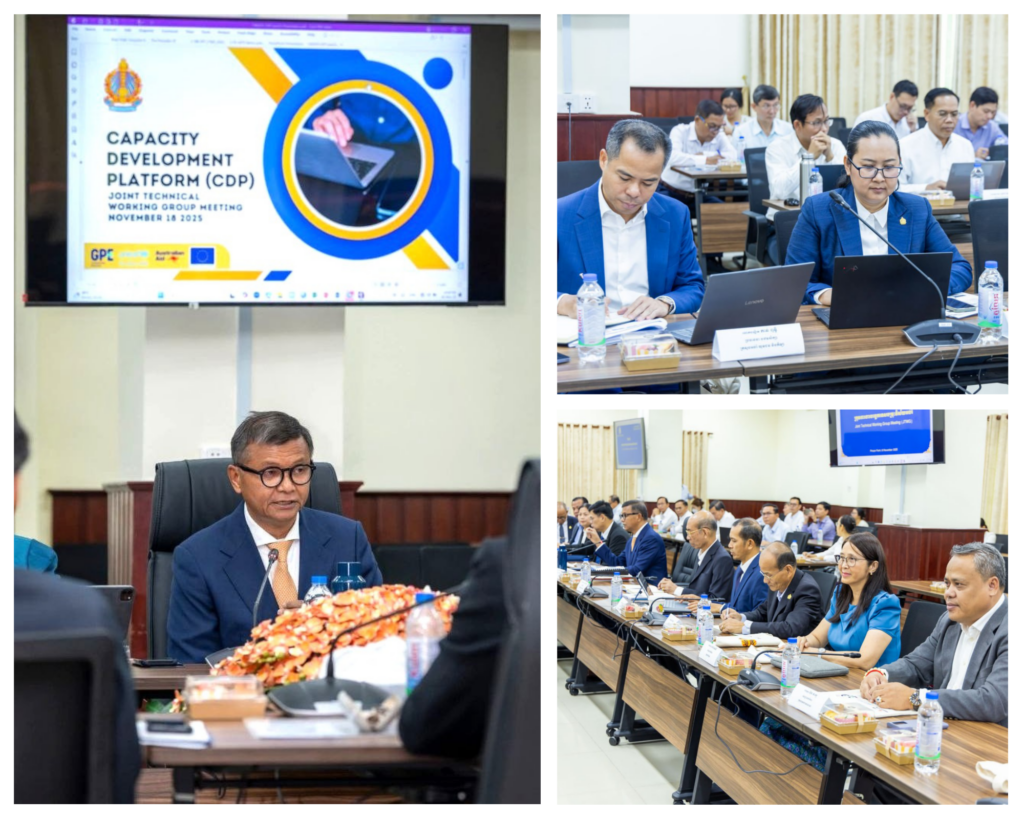
The Ministry of Education, Youth, and Sport (MoEYS) of Cambodia, in a landmark collaboration with UNICEF and World Education, has officially inaugurated the Capacity Development Platform (CDP), a comprehensive digital ecosystem designed to modernize teacher training and professional development across the kingdom. Launched in November 2025, this initiative represents a critical pillar in Cambodia’s broader strategy to digitize its education sector and ensure that high-quality pedagogical resources are accessible to every educator, regardless of their geographical location. The platform, co-designed by World Education—an initiative of JSI—was made possible through multi-lateral funding from the Global Partnership for Education (GPE), the European Union (EU), and the Australian Department of Foreign Affairs and Trade (DFAT). By centralizing professional development, the CDP allows teachers to earn recognized credits, upgrade their official qualifications, and engage in both online and blended learning modules tailored to the specific needs of the Cambodian classroom.
A Strategic Response to Educational Challenges
The inception of the Capacity Development Platform comes at a time when Cambodia is aggressively pursuing the goals outlined in its Education Strategic Plan (ESP) 2024–2028. For years, the Cambodian education system faced hurdles related to the equitable distribution of training resources. While urban centers often had access to workshops and seminars, educators in remote provinces—such as Ratanakiri, Mondulkiri, and Preah Vihear—frequently struggled with the costs and logistical barriers of traveling to the capital for professional growth.
The CDP addresses these disparities by providing a "digital-first" solution that brings the training to the teacher. Unlike previous fragmented efforts to introduce digital tools, the CDP is an integrated system designed to serve as a one-stop hub for all things related to teacher capacity. It is not merely a repository of documents but a dynamic learning management system (LMS) that tracks progress, facilitates peer-to-peer interaction, and provides certified pathways for career advancement.
Human-Centered Design and Technological Adaptability
One of the defining characteristics of the CDP is its adherence to a human-centered design philosophy. World Education and MoEYS recognized early in the development phase that technology is only effective if it is usable within the constraints of the local environment. Cambodia’s digital landscape is characterized by high mobile penetration but varying levels of high-speed internet connectivity in rural districts.
To ensure high adoption rates, the CDP was engineered specifically for low-bandwidth environments. The platform’s interface is optimized for smartphone use, reflecting the reality that most Cambodian teachers access the internet via mobile devices rather than desktop computers. Furthermore, the design process involved extensive consultation with educators at the primary and secondary levels to ensure the user interface was intuitive for those with varying degrees of digital literacy. By lowering the barrier to entry, the platform ensures that even those who are new to digital learning can navigate the system with confidence.
Chronology of Development and Governance
The journey toward the November 2025 launch was marked by several critical milestones in the preceding years. The development process was characterized by a collaborative spirit, moving away from "top-down" implementation toward a co-creation model involving government officials, international NGOs, and frontline educators.
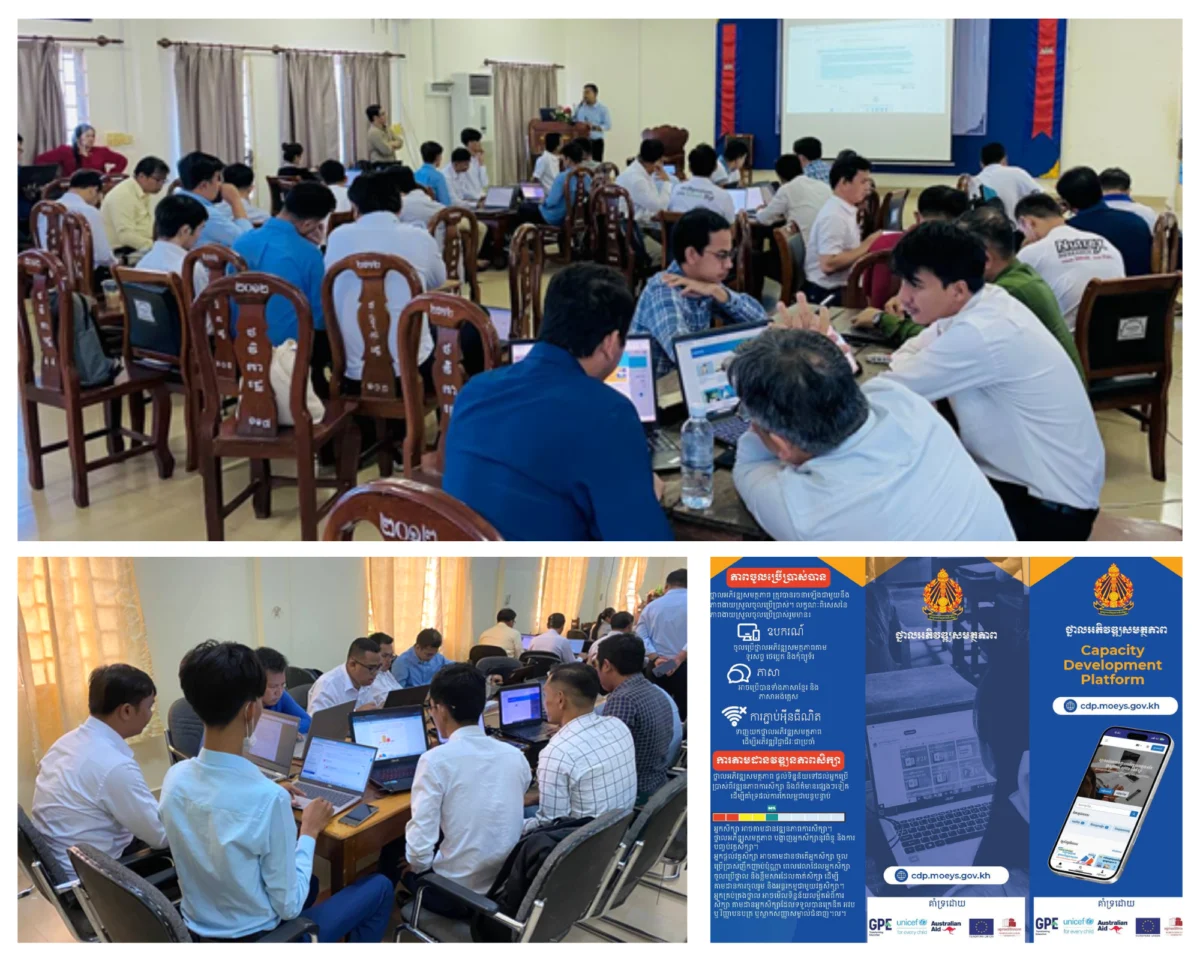
In early 2025, a series of intensive capacity-building workshops were held to lay the groundwork for the platform’s rollout. Specifically, MoEYS staff and key educational stakeholders participated in training sessions on May 5–6 and May 19–20, 2025. These workshops focused on the technical architecture of the CDP, content creation standards, and the governance structures necessary to manage a national-scale digital platform.
Crucially, World Education did not intend for the CDP to exist as a parallel or external system. From the outset, the project prioritized integration into existing institutional frameworks. This led to the formation of a dedicated government governance group responsible for overseeing the platform’s operations. As the system became operational, World Education successfully transitioned technical ownership to the MoEYS Department of Digital Transformation. This transition included specialized training in cybersecurity, server management, and data privacy, ensuring that the Cambodian government possesses the internal expertise to maintain and scale the platform independently in the years to come.
Quantifiable Impact and National Reach
Since its official launch, the Capacity Development Platform has demonstrated rapid scalability and high levels of engagement. Preliminary data indicates that the platform has already registered more than 44,000 active users. More impressively, over 23,000 educators have already enrolled in accredited courses, signaling a strong appetite for professional growth within the teaching workforce.
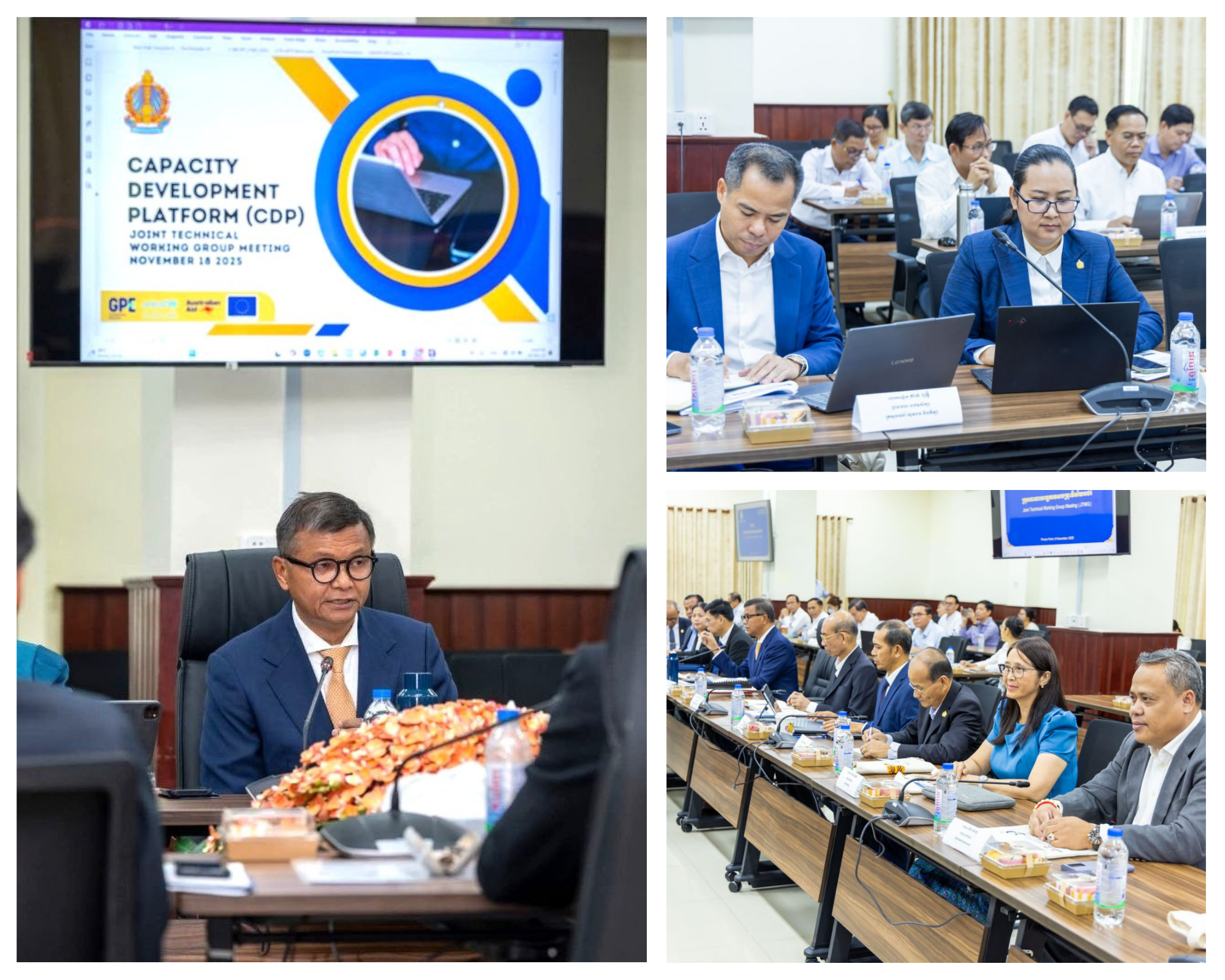
The platform currently offers a diverse portfolio of courses, including:
- Early Grade Reading: Focused on improving literacy outcomes in the foundational years of primary education.
- ICT for Teaching and Learning: Equipping teachers with the skills to integrate digital tools and artificial intelligence (AI) into their daily lesson planning.
- Mathematics Pedagogy: Enhancing instructional techniques for STEM subjects.
- Inclusive Education: Providing strategies for teaching students with disabilities and diverse learning needs.
The impact of these courses is already being felt in classrooms. Mrs. Proeut Sanh, a primary school teacher from the Kralanh District in Siem Reap Province, noted that the ICT modules have fundamentally changed her approach to instruction. According to Mrs. Sanh, the ability to use digital tools has made her students more active participants in their own learning, moving away from rote memorization toward more interactive engagement.
Official Responses and Policy Implications
The launch has drawn high-level praise from government leadership, who view the CDP as a cornerstone of Cambodia’s human capital development. H.E. Dr. Hang Chuon Naron, Deputy Prime Minister and Minister of MoEYS, emphasized the transformative nature of the platform during the launch event. He stated that by digitizing teacher training, the ministry is empowering educators with the "tools, knowledge, and support they need to inspire learning and improve outcomes."
From a policy perspective, the CDP is a game-changer because it links professional development directly to the national career progression system. In the past, verifying a teacher’s participation in various training programs was a manual and often inefficient process. With the CDP, every credit earned is digitally logged and verified, allowing for a transparent and merit-based approach to promotions and salary increments. This alignment provides a powerful incentive for teachers to engage in continuous learning throughout their careers.
Supporting Global Partnerships and Funding
The success of the CDP highlights the importance of coordinated international support. The funding provided by the Global Partnership for Education, the European Union, and the Australian Government through DFAT underscores a shared commitment to the Sustainable Development Goal for education (SDG 4). These partners have recognized that investing in teacher quality is the most effective way to improve student learning outcomes.
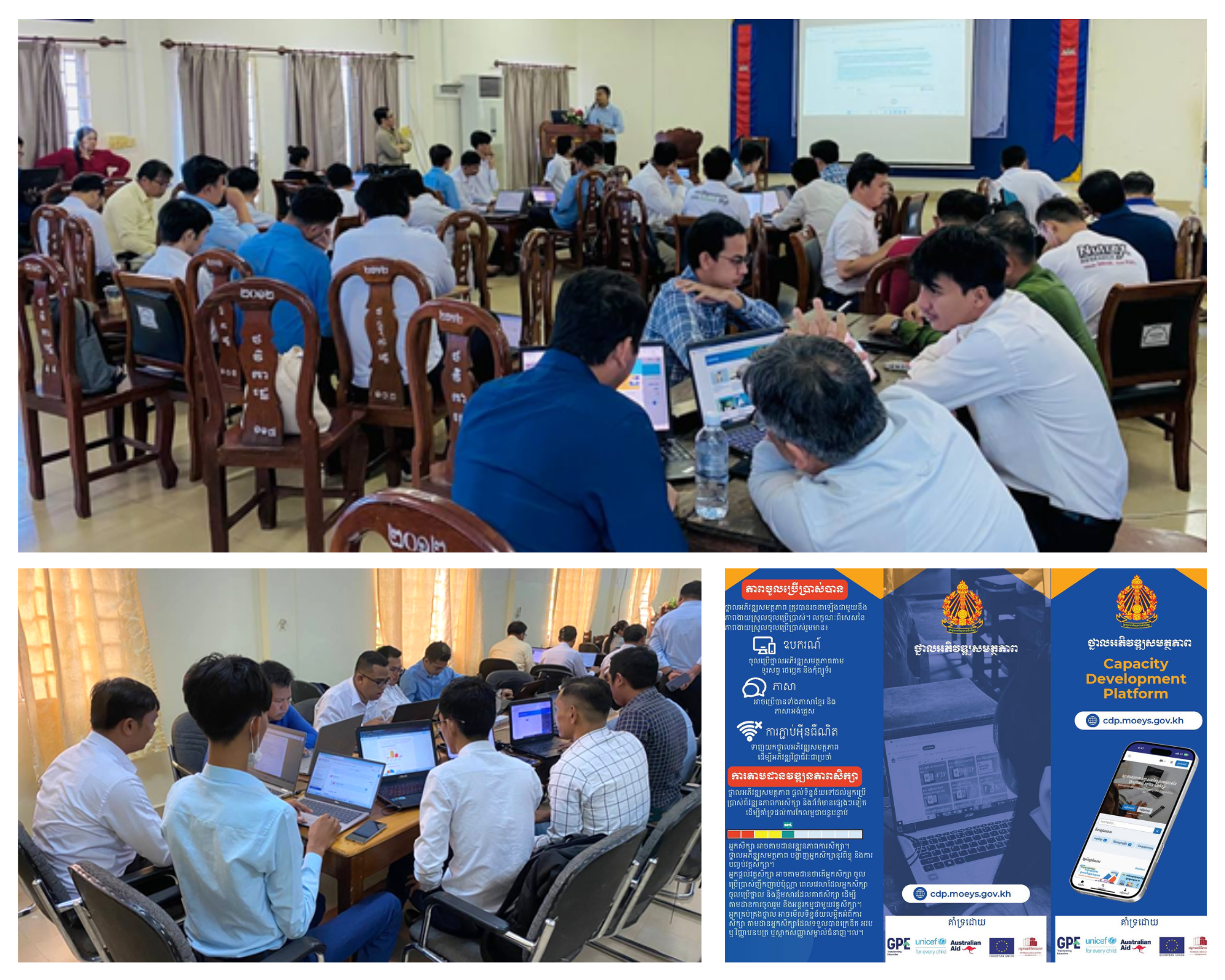
The European Union’s involvement, in particular, aligns with its Global Gateway strategy, which seeks to boost smart, clean, and secure links in digital and education sectors worldwide. Similarly, Australia’s support reflects its long-standing partnership with Cambodia in the areas of infrastructure and human resource development.
The Path Forward: Sustainability and Blended Learning
Looking ahead, World Education and MoEYS are focused on the long-term sustainability of the platform. The next phase of the rollout involves the creation of new content to help teachers meet mandatory standards as part of the national in-service teacher qualification upgrading program.
A key component of this future strategy is the "blended learning" approach. While the CDP provides the digital infrastructure for theoretical learning and resource sharing, it is designed to complement—not replace—in-person instruction. This hybrid model allows for the flexibility of online learning while maintaining the essential human connection and practical mentorship found in traditional workshops.
As Cambodia continues its digital transformation, the Capacity Development Platform stands as a model for other nations in the region. It demonstrates that with the right combination of human-centered design, government ownership, and international cooperation, technology can be a powerful equalizer in the quest for quality education for all. The platform is not just a tool for today but a foundation for the future of Cambodian education, ensuring that the next generation of students is taught by educators who are continuously growing, adapting, and thriving in a digital world.