In the rural landscapes of Northern Benin, a transformative model of agricultural development is taking root, driven by the intersection of youth-led empirical research and traditional community structures. Spearheaded by World Education, a JSI Initiative, and supported by successive rounds of funding from the Darwin Initiative, this movement is redefining the relationship between local populations and their ecosystems. By leveraging local data to reshape agroforestry practices, young researchers in the community of Wèrèkè and surrounding areas are creating adaptive systems that mirror the complex, symbiotic networks found in nature. This initiative does not merely aim to plant trees; it seeks to weave a resilient social and biological fabric capable of withstanding the economic and environmental pressures of the 21st century.
The Genesis of Participatory Research in Wèrèkè
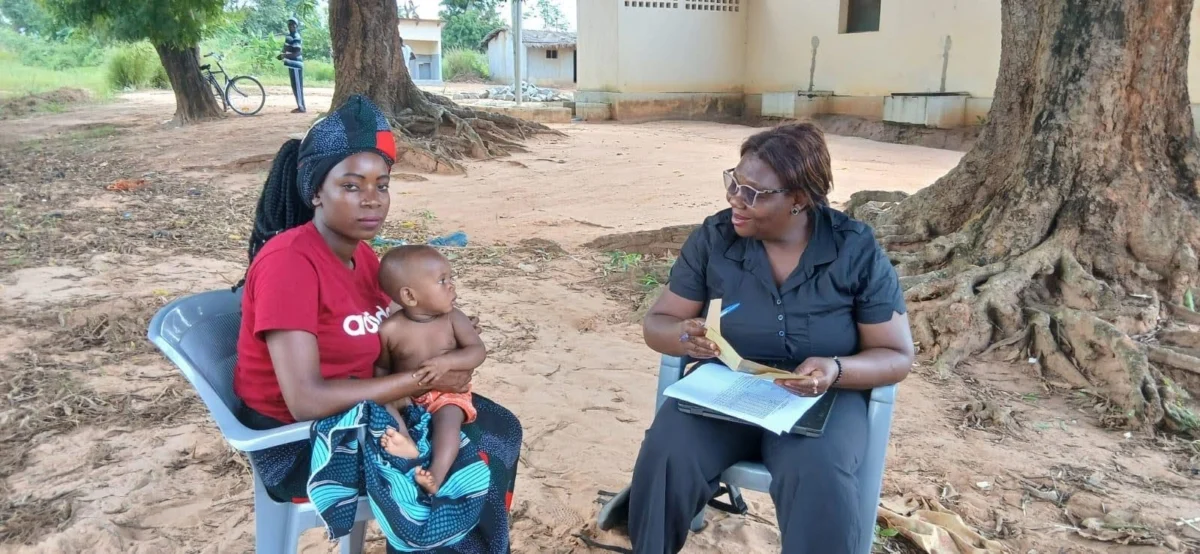
The transformation began in earnest in 2022 when World Education launched a participatory youth-led research activity. The objective was to bridge the gap between academic theory and the lived reality of young people in Northern Benin. Armed with clipboards and smartphones, a dedicated cohort of young researchers ventured into fallow pastures and across newly hydrated streams following the April rains. Their mission was to gather data that could provide answers to critical questions regarding their future: the viability of agricultural entrepreneurship, the biological efficacy of native flora, and the social pressures dictating their career paths.
These researchers utilized behavioral science-informed questionnaires to interview parents and community elders, seeking to quantify the extent to which family expectations deterred the younger generation from pursuing farming. Simultaneously, they engaged in "grassroots science," recording the soundbites of insect-eating birds and surveying grasshopper populations within soya crops. One specific area of focus was the Néré tree (Parkia biglobosa), a native species central to the local diet and economy. The youth sought to prove a biological hypothesis: that the presence of these trees attracted avian predators which, in turn, naturally regulated the pests destroying local harvests.
The results of this data collection were revelatory. The research validated the hypothesis that thriving biodiversity directly safeguards agricultural outputs. Furthermore, the data indicated that eco-friendly agro-entrepreneurship was not only a viable livelihood but perhaps the most sustainable path forward in a region where traditional "desk jobs" are increasingly scarce.
Bridging the Gap Between Policy and Ecology
A critical component of the project’s analysis involved the reconciliation of local practices with national Beninese legislation. Under Decree No 96-271, the government of Benin requires one tree to be planted every 10 meters in certain agricultural zones. While World Education and the youth researchers acknowledged this as a positive legislative step, their empirical findings suggested that the law did not go far enough to ensure ecological health.
From a mycological perspective, a 10-meter gap between trees can represent a "barren sea" for underground mycelium. Mycelium, the fungal network that connects tree roots, is essential for nutrient transfer and soil resilience. When trees are too far apart, these symbiotic connections are severed, resulting in a fractured ecosystem rather than a unified, self-sustaining forest. The youth researchers used this scientific insight to advocate for greater tree density and the preservation of native canopies, arguing that a more integrated approach to agroforestry would yield better long-term results for both the soil and the farmer.
This scientific advocacy was paired with a social strategy. The researchers noted a "social disconnect" where the ambitions of their families—often centered on prestigious but unavailable urban roles—left the youth feeling siloed from the land. To flip this paradigm, the youth began plotting a future as self-employed "eco-entrepreneurs." They proposed a shift from collective village plots to a system of sub-parcels, allowing for individual management within a cooperative framework.
Chronology of Impact: From WSAB to AgroNative
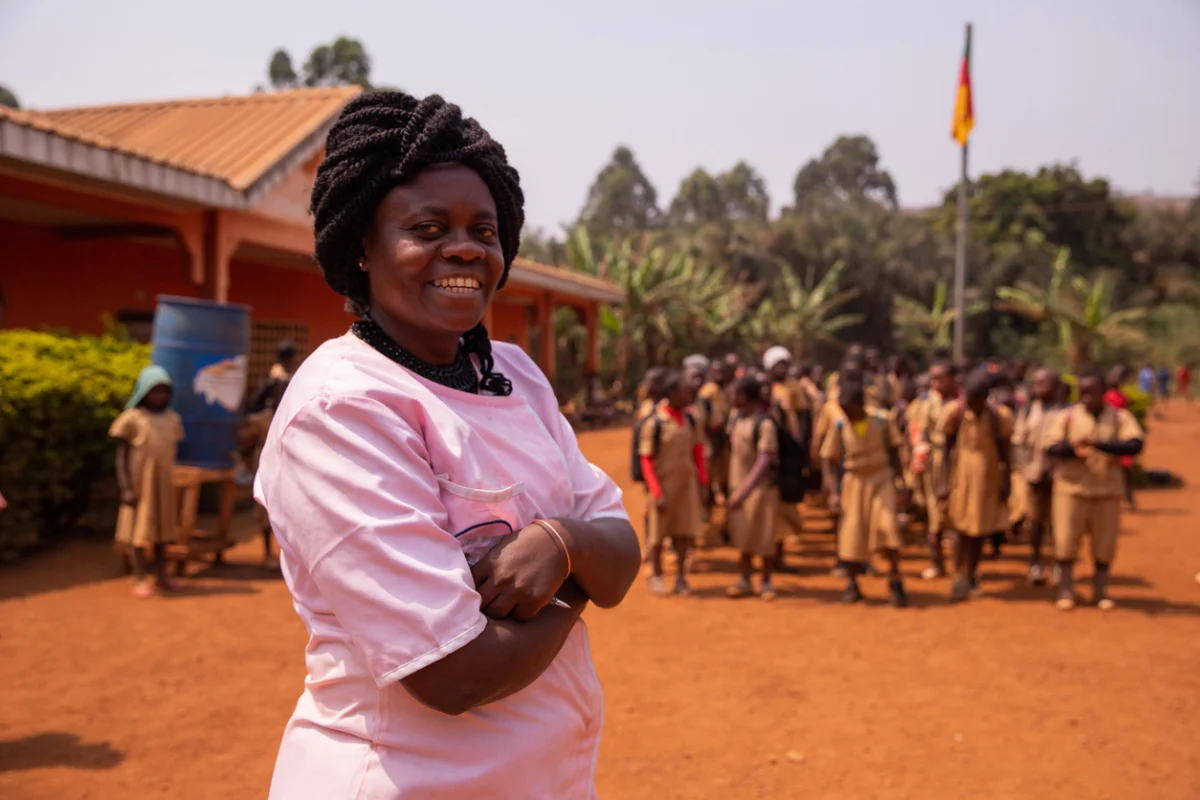
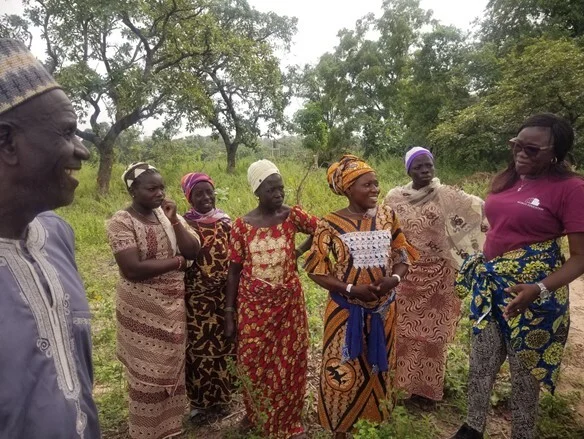
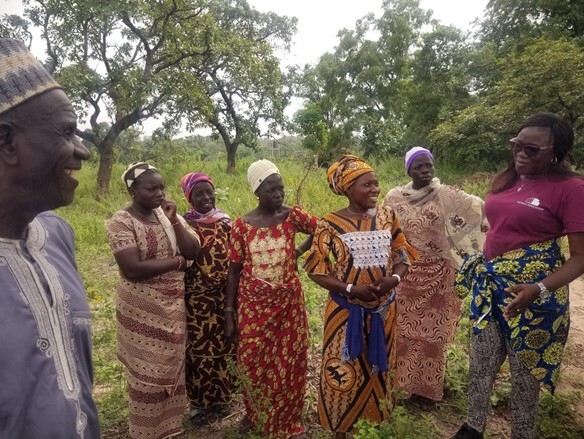
The evolution of this work can be traced through two primary project phases. The first, the Women-led, School-based Agroforestry in Benin (WSAB) project, ran from 2023 to 2025. This initiative focused on the pivotal role of women, specifically the Mothers of Students Associations (AMEs). By integrating native plant species into local agriculture, the AMEs led community planting events that successfully restored 9.5 hectares of degraded land.
The economic impact of the WSAB project was significant. These women-led microenterprises generated 1,180,000 FCFA in revenue. A portion of this—257,000 FCFA—was contributed back to school canteens in the form of cash and crops, directly improving the nutritional outcomes of local students. Perhaps most importantly, the project provided a framework for climate adaptation that indirectly supported over 10,700 people.
However, the success of the WSAB project also highlighted a challenge: the disproportionate labor burden placed on women. Recognizing this, the youth of Wèrèkè stepped in to offer a collaborative vision. In 2024, the project transitioned into the "AgroNative" phase (scheduled to run through 2026). This phase saw the restructuring of agricultural cooperatives to include 10 youth members who took over the maintenance of 40 rent-based sub-parcels. For a symbolic monthly fee of 1,000 FCFA, these young entrepreneurs gained access to land to launch their own startup enterprises, proving that native canopy management could be a profitable business reality.
Data-Driven Results and the BioBlitz Methodology
The AgroNative project has scaled the successes of its predecessor by strengthening the "collaborative web" between communities and government counterparts. The formation of Natural Resource Management Committees (NRMCs) has been central to this expansion. Currently, NRMCs have been established in five new villages, bringing together 150 members dedicated to land stewardship.
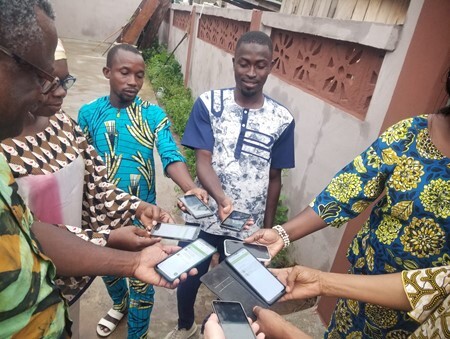
One of the most innovative aspects of this phase is the use of "BioBlitzes." During these events, over 170 community members worked alongside researchers to catalogue native flora and fauna using mobile technology. This grassroots inventory is essential for the project’s new target: the sustainable management of 15 hectares of habitat, which is projected to benefit at least 3,000 people directly.
To ensure the model remains viable, World Education facilitated a second round of participatory research. This follow-up study revealed a vital lesson in organizational structure. The researchers found that when individual farmers received isolated donations to develop their own plots, it inadvertently fractured group engagement. The data suggested that the long-term viability of the project relies on a "fair structure" that prioritizes collective cooperatives over isolated resources. This finding has prompted a shift back toward shared resources, ensuring that the community acts as a unified "adaptive system" rather than a collection of disconnected actors.
Broader Implications and Future Outlook
The work being done in Northern Benin serves as a powerful case study for the "decentralized leadership" model of development. By allowing youth to lead the research and women to lead the microenterprises, World Education has moved away from top-down aid toward a model of grassroots problem-solving. This approach mirrors the mycelial networks the project seeks to protect: it is a complex, adaptive system that senses environmental shifts and dispatches resources where they are most needed.
The implications for climate resilience are profound. As West Africa faces increasing volatility in rainfall and rising temperatures, the ability to maintain native canopies and healthy soil through agroforestry is a matter of survival. The project’s focus on native species like the Néré tree ensures that the agricultural system is adapted to the local climate, reducing the need for expensive chemical fertilizers and pesticides.
As the AgroNative project moves toward its 2026 conclusion, the focus remains on sustainability. In Wèrèkè, the community has taken full ownership of the process. Funds are now being used to hire guards to protect young saplings from wandering livestock, and the youth continue to haul water to ensure the survival of new growth during periods of drought.
The "symbiotic web" built by the youth, the mothers, and the government workers is now a permanent fixture of the landscape. They have successfully decomposed old, fractured paradigms of agriculture and absorbed the lessons of their own research. The result is a future rooted in community knowledge, where the underground mycelium and the people above it work in tandem to create a flourishing, resilient ecosystem. Through this initiative, Northern Benin is demonstrating that when youth are empowered with data and land, they can transform the "barren sea" of exploited land into a thriving, green economy.