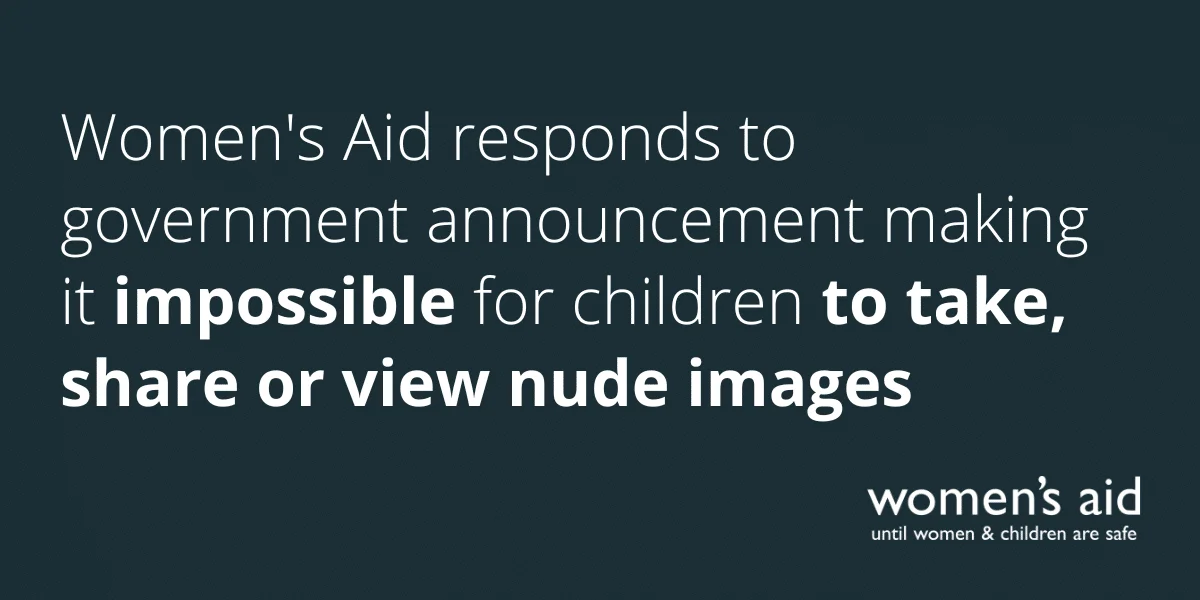
Farah Nazeer, Chief Executive of Women’s Aid, has issued a stark warning regarding the escalating crisis of children and young people being coerced into creating and sharing explicit images of themselves, underscoring the critical need for robust accountability from technology companies. Her comments highlight a disturbing reality where, despite explicit legal prohibitions, the practice remains widespread, inflicting profound and lasting damage on vulnerable individuals. Nazeer’s statement asserts, "Despite it being a criminal offence to create or share explicit images of a child, the reality is that sharing nude images is still prevalent among children and young people, with many feeling coerced into doing so. Under no circumstances should coercive control and pressure be applied to a child to share intimate images of themselves and we welcome any measures that will make the taking and sharing of such images more difficult. This form of abuse is just as real, and just as damaging to the wellbeing of children and young people as other forms of violence against women and children – it is high time that technology companies are held to account and do more to ensure that the most vulnerable of their users are safe." This powerful indictment serves as a clarion call for a concerted, multi-sectoral effort to address a pervasive and often hidden form of child abuse that thrives in the digital age.
The Alarming Reality: Coercion and Prevalence in the Digital Sphere
The core of Nazeer’s concern lies in the disturbing prevalence of non-consensual image sharing among minors, particularly the element of coercion. While the creation and dissemination of child sexual abuse material (CSAM) is unequivocally illegal, the landscape has evolved to include peer-on-peer abuse, often initiated through social media platforms, instant messaging apps, and online gaming environments. This "sextortion" or "image-based abuse" can take many forms, from threats of social exclusion or physical harm to emotional manipulation and blackmail, compelling young people to comply. The perceived privacy of direct messages or ephemeral content can create a false sense of security, making young people more susceptible to pressure from peers, online acquaintances, or even predatory adults posing as minors. The ease with which images can be captured and shared, coupled with the permanent nature of digital content once released, amplifies the potential for harm and the difficulty of its eradication. Victims often experience severe psychological distress, including anxiety, depression, suicidal ideation, and profound damage to their self-esteem and sense of safety.
The Legal Landscape and Its Gaps
In the United Kingdom, the legal framework surrounding CSAM and image-based abuse is robust on paper. The Protection of Children Act 1978, the Sexual Offences Act 2003, and more recently, the Online Safety Act 2023, provide a strong legal basis for prosecuting individuals involved in the creation, possession, and distribution of explicit images of children. The Online Safety Act, in particular, aims to place greater responsibility on social media companies to protect users, especially children, from illegal and harmful content. It mandates platforms to proactively identify and remove CSAM, establish robust age verification measures, and implement systems for users to report harmful content effectively. The concept of "coercive control," as defined in the Domestic Abuse Act 2021, while primarily focused on adult relationships, underscores the severe psychological manipulation involved, a dynamic clearly mirrored in cases of coerced image sharing among minors.
Despite these legislative efforts, Nazeer’s statement points to a significant gap between legal intent and practical reality. Enforcement remains a formidable challenge. The sheer volume of content generated online, the rapid evolution of communication technologies, and the transnational nature of the internet complicate the identification of perpetrators, the removal of offending material, and the provision of justice for victims. Law enforcement agencies, while dedicated, often face resource constraints and technical hurdles in tracing anonymous accounts and prosecuting offenders across jurisdictions. Furthermore, many young victims are reluctant to report incidents due to shame, fear of further exposure, or a lack of understanding regarding the legal implications.
A Chronology of Concern: The Evolution of Online Child Safety
The issue of child safety online has evolved dramatically with the internet itself.
- Early 2000s: Initial concerns focused on predatory adults in chat rooms and forums. Charities like the Internet Watch Foundation (IWF) were established to identify and remove CSAM.
- Mid-2000s: The rise of social networking sites like MySpace and Facebook brought new challenges, with peer-on-peer issues beginning to emerge. Legislation like the Sexual Offences Act 2003 provided updated definitions for sexual offences, including those involving children.
- 2010s: The proliferation of smartphones and instant messaging apps (WhatsApp, Snapchat, Instagram) made image and video sharing ubiquitous. This era saw a significant increase in "sexting" among minors, often blurring the lines between consensual exploration and coercive abuse. Reports from organisations like the NSPCC highlighted the growing problem of online grooming and image-based abuse.
- Late 2010s – Early 2020s: The COVID-19 pandemic, with increased screen time and online interaction, exacerbated the issue, leading to a surge in reports of online child abuse. The UK government began drafting comprehensive online safety legislation, culminating in the Online Safety Act.
- 2023: The Online Safety Act receives Royal Assent, placing legal duties of care on tech companies for user safety, including specific provisions against CSAM and other illegal content. However, implementation and enforcement mechanisms are still being established.
Throughout this timeline, the common thread has been the rapid pace of technological innovation outstripping regulatory and protective measures, leaving children vulnerable in new digital spaces.
Staggering Statistics: The Scale of the Crisis
The data supporting Nazeer’s concerns is alarming. Reports consistently indicate a significant and increasing problem:
- Internet Watch Foundation (IWF): Annually, the IWF reports processing hundreds of thousands of URLs containing CSAM. In 2022, they identified and removed over 1.7 million images and videos of child abuse, a significant portion of which originated from peer-on-peer sharing or coercive contexts.
- National Crime Agency (NCA): The NCA frequently highlights the escalating threat of online child sexual abuse and exploitation. Their reports indicate a year-on-year increase in referrals related to online child abuse, with sextortion cases forming a growing component. In 2022-23, the NCA’s CEOP (Child Exploitation and Online Protection) Command reported a continued rise in referrals, with a significant number involving young people being exploited or coerced.
- NSPCC: The National Society for the Prevention of Cruelty to Children consistently reports high numbers of calls to their helpline regarding online safety concerns, including image-based abuse. Their research has shown that a substantial percentage of young people have either been asked to send nude images or have done so, often under pressure. One study indicated that over a third of young people aged 11-18 had been pressured to send explicit images.
- Global Data: Interpol and Europol also report a global surge in CSAM, with millions of reports annually. A significant portion of these involve images created by children themselves, often under duress, underscoring the international dimension of this problem.
These statistics paint a grim picture, demonstrating that while the legal framework exists, the sheer volume and insidious nature of online abuse require more proactive and effective intervention from all stakeholders, particularly those who profit from the platforms where this abuse occurs.
Voices from the Frontline: Stakeholder Reactions
The call for greater accountability from technology companies resonates deeply across various sectors:
- Government Officials (Home Office, DCMS): While generally welcoming the Online Safety Act as a landmark piece of legislation, government spokespeople often reiterate the need for continued vigilance and robust enforcement. A Home Office representative might state, "The government is committed to making the UK the safest place in the world to be online. The Online Safety Act provides Ofcom with unprecedented powers to hold tech companies to account for protecting children from illegal content, including CSAM. We expect platforms to fully comply with their duties and invest significantly in safety measures."
- Law Enforcement (NCA, Police Chiefs): Law enforcement agencies consistently emphasize the challenges they face. A representative from the National Crime Agency could comment, "Our officers work tirelessly to bring offenders to justice and protect children. However, the sheer scale of online abuse and the technical challenges posed by encryption and global platforms mean we cannot tackle this alone. Technology companies must design safety in from the outset and provide law enforcement with the tools needed to investigate these heinous crimes effectively."
- Other Child Protection Charities (NSPCC, IWF): These organisations strongly echo Women’s Aid’s stance. An NSPCC spokesperson might add, "Farah Nazeer’s comments highlight a persistent and devastating problem. While legislation is crucial, it’s the implementation and proactive measures by tech companies that will truly make a difference. They have the resources and the data to identify patterns of abuse and prevent them before they escalate. It’s not enough to react; they must anticipate and prevent." The IWF would likely stress the importance of immediate content removal and proactive detection technologies.
- Educational Sector: Educators and school leaders frequently call for more resources for online safety education and better support for victims. A headteacher might note, "Our schools are on the front line, dealing with the fallout of online pressures and abuse. We need clear guidance, robust reporting mechanisms, and tech companies to ensure their platforms are not conduits for harm. Education is key, but it must be supported by a safe online environment."
- Technology Companies (Inferred Statements): While often criticised, many major tech companies do issue statements affirming their commitment to child safety. A representative might say, "We are deeply committed to protecting children on our platforms. We invest millions in safety features, AI detection tools, and partnerships with law enforcement and NGOs. We continually review and update our policies to combat CSAM and coercive image sharing, and we are working diligently to comply with the Online Safety Act." However, critics often argue these efforts are insufficient or reactive rather than proactive.
Holding Tech Giants Accountable: The Industry’s Role and Responsibilities
Farah Nazeer’s direct challenge to technology companies underscores a fundamental debate about their ethical and legal responsibilities. Given their immense resources and control over the digital infrastructure, platforms are increasingly seen as having a moral and societal obligation to safeguard their users, particularly the most vulnerable.
Key areas where greater accountability is demanded include:
- Proactive Detection: Investing in advanced Artificial Intelligence and machine learning to detect and flag suspicious content and behavioural patterns indicative of grooming, coercion, or CSAM sharing, before it is reported by a user.
- Robust Reporting Mechanisms: Ensuring that reporting tools are easily accessible, user-friendly, and lead to swift action.
- Age Verification and Appropriate Design: Implementing effective age verification methods to prevent children from accessing adult content or being exposed to adult predators, and designing platforms with "safety by design" principles, considering the developmental needs of young users.
- Transparency and Collaboration: Being transparent about their safety efforts, publishing regular reports on CSAM detection and removal, and collaborating more effectively with law enforcement and child protection agencies, sharing data where legally permissible and necessary for investigations.
- Consequences for Non-Compliance: The Online Safety Act introduces significant fines (up to 10% of global annual turnover) for companies failing to comply with their safety duties, providing a powerful financial incentive for adherence.
The challenge for tech companies is balancing user privacy with safety, particularly with features like end-to-end encryption. While encryption is vital for privacy and security, it also creates a ‘dark space’ where illegal content can proliferate undetected. Finding technological solutions that protect privacy while allowing for the detection of child abuse material remains a critical, albeit complex, frontier.
The Broader Implications: Societal and Individual Impact
The proliferation of coerced image sharing among children has profound societal implications. It normalizes a harmful behaviour, erodes trust in online spaces, and contributes to a culture where young people feel pressured to conform to dangerous expectations. For individual victims, the impact is often devastating and long-lasting. Beyond immediate psychological trauma, the digital permanence of images can lead to:
- Reputational Damage: Images can resurface years later, impacting education, employment, and future relationships.
- Continued Exploitation: Once images are online, they can be used for further blackmail or distributed across illicit networks.
- Mental Health Crises: High rates of anxiety, depression, PTSD, and suicidal ideation are common among victims.
- Erosion of Trust: Victims may struggle to trust others, particularly in relationships, and may withdraw from social interactions.
Addressing this issue is not merely about enforcing laws; it is about protecting an entire generation from a unique form of digital violence that threatens their development and well-being.
Moving Forward: A Multi-faceted Approach
Farah Nazeer’s urgent call underscores that the path forward requires a multi-faceted approach involving legislative action, technological innovation, educational initiatives, and robust enforcement.
- Strengthened Legislation and Enforcement: Fully implementing the Online Safety Act and ensuring Ofcom has the resources and expertise to enforce it rigorously. Continuous review of laws to adapt to evolving digital threats.
- Technological Innovation for Safety: Tech companies must prioritize safety by design, investing heavily in AI and machine learning for proactive detection of abuse, and exploring privacy-preserving methods for identifying illegal content.
- Comprehensive Education: Equipping children, parents, and educators with the knowledge and skills to navigate the online world safely, understand the risks of image sharing, and recognize the signs of coercion.
- Victim Support: Ensuring accessible, well-funded support services for victims of online abuse, offering counselling, legal advice, and practical assistance in image removal.
- International Cooperation: Given the global nature of the internet, enhanced international collaboration among law enforcement agencies and tech companies is crucial to disrupt cross-border abuse networks.
Ultimately, the goal is to create an online environment where children can learn, play, and connect without fear of exploitation or coercion. Women’s Aid’s powerful statement serves as a vital reminder that this is not an optional endeavour, but a fundamental societal imperative that demands immediate and sustained attention.