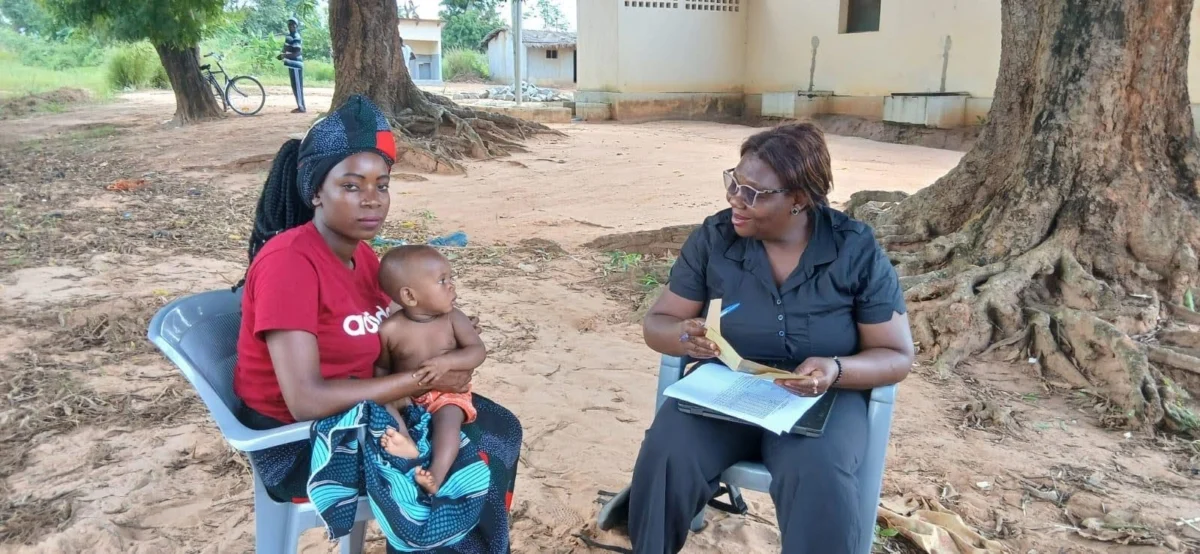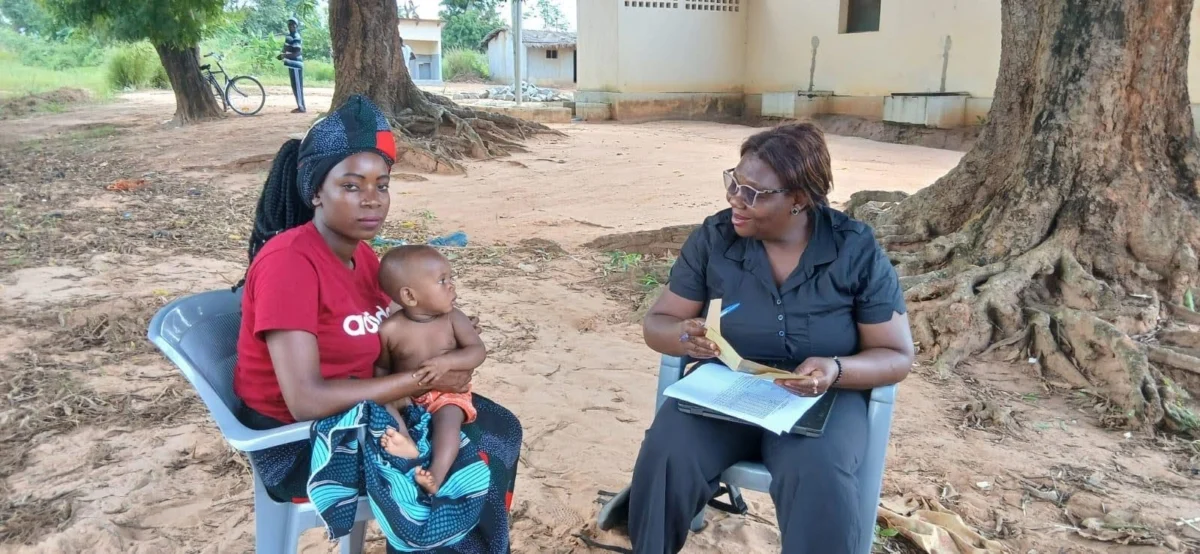
In the Murrupula district of Mozambique’s Nampula Province, a routine visit to a health center often represents the critical juncture between lifelong immunity and the precarious threat of preventable disease. For a mother named Odete, a recent trip to the Kazuzo Health Center highlighted the fragility of this balance. When she arrived seeking routine immunizations for her child, she was informed that the facility was experiencing a temporary stock-out. This occurrence, technically termed a "missed opportunity for vaccination" (MOV), frequently results in children remaining under-immunized as caregivers, often burdened by long travel distances and economic constraints, may not return for a follow-up. However, the trajectory of Odete’s experience was altered by a robust community-based tracking and mobilization system designed to bridge the gap between clinical supply chains and rural households.
The resolution of this specific case serves as a landmark example of how Mozambique’s health system is evolving to address systemic inefficiencies. Rather than allowing the stock-out to result in a permanent lapse in coverage, the health center’s vaccination drop-out tracking system was activated. This system leverages the expertise of Agentes Polivalentes de Saúde (APS), the frontline community health workers who act as the essential link between the Ministry of Health and the population. Once vaccine stocks were replenished, the APS mobilized to inform families in the surrounding areas. Upon receiving word from a community worker, Odete returned to the Kazuzo Health Center, where her child received a comprehensive suite of vaccinations, including the first dose of Measles-Rubella (MR1), the third dose of Pneumococcal Conjugate Vaccine (PCV3), the second dose of Inactivated Poliovirus Vaccine (IPV2), and the critical third dose of the malaria vaccine. Simultaneously, the facility employed an integrated life cycle approach by administering a tetanus toxoid vaccine to Odete herself, ensuring that both mother and child were protected during a single visit.
The Critical Role of Community Health Workers in Rural Outreach
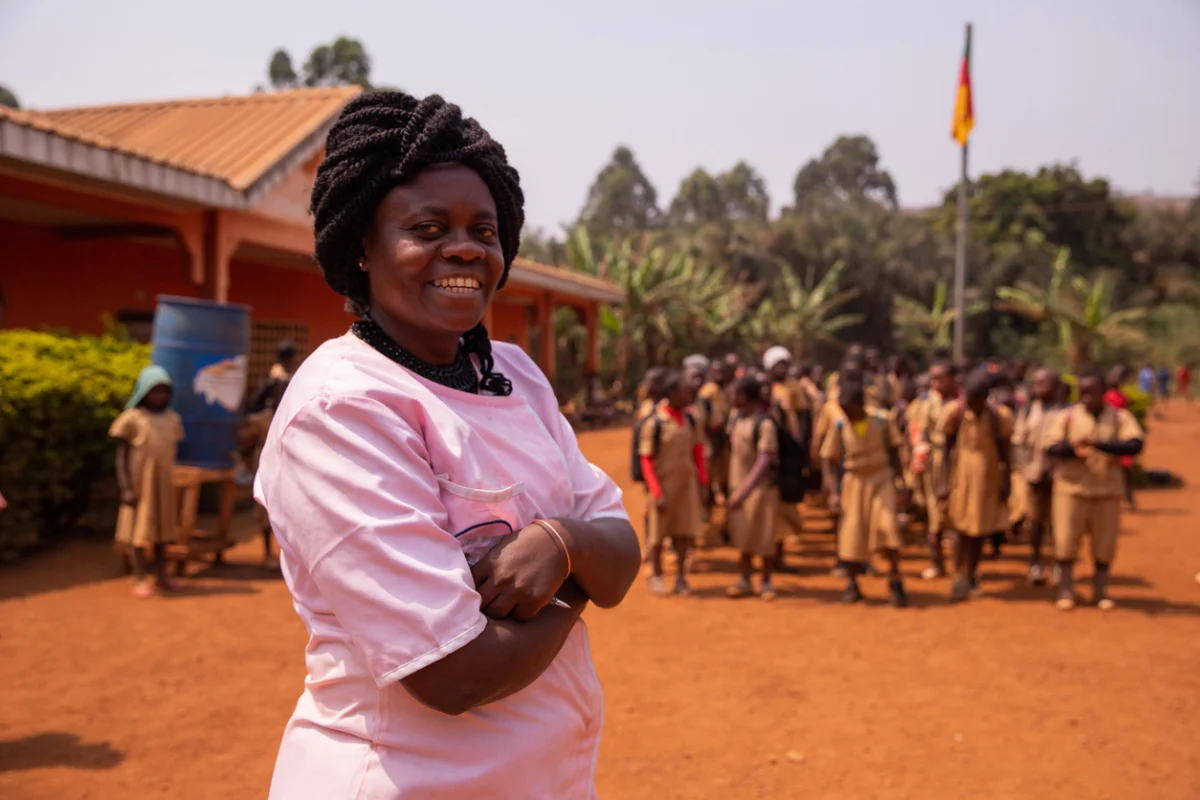
The success of the immunization program in Nampula Province is increasingly dependent on the Agentes Polivalentes de Saúde. These workers are recruited from within the communities they serve, providing them with a level of trust and cultural fluency that external health officials may lack. In resource-constrained environments like rural Mozambique, the "last mile" of healthcare delivery is often the most difficult to navigate. APS workers fill this void by conducting home visits, engaging with families at local markets, and providing health education in religious settings.
Ilda Bila, an immunization officer at JSI (John Snow, Inc.), emphasizes that the APS are the primary engine for closing gaps in the immunization net. During her supportive supervision visits across 15 districts in Nampula, Bila utilizes exit interviews to gauge the effectiveness of these community-facility linkages. It was through one such interview that she encountered Odete. Bila noted that the integration of services—treating the mother’s health needs alongside the child’s—is a hallmark of an effective health system. By providing multiple services in one encounter, the facility reduces the "time poverty" faced by rural mothers, who often have to balance childcare with subsistence farming and domestic labor.
Contextualizing Mozambique’s Immunization Landscape
To understand the significance of the Kazuzo Health Center’s success, one must look at the broader challenges facing Mozambique’s healthcare infrastructure. The country has made significant strides in reducing under-five mortality, which dropped from approximately 240 deaths per 1,000 live births in 1990 to around 70 per 1,000 in recent years. However, vaccine-preventable diseases remain a primary threat. Mozambique is a priority country for Gavi, the Vaccine Alliance, and the World Health Organization (WHO), particularly in the effort to reach "zero-dose" children—those who have not received even a single dose of basic vaccines.
Nampula Province, where this event took place, is one of the most populous and geographically diverse regions in the country. It presents unique logistical hurdles for the Expanded Program on Immunization (EPI). The tropical climate and rural terrain make maintaining the "cold chain"—the temperature-controlled supply chain required for vaccine viability—extremely difficult. When a refrigerator fails or a transport truck is delayed, stock-outs occur. The innovation in Kazuzo lies not in the prevention of the stock-out itself, which is often subject to external logistical factors, but in the systematic way the facility recovered the "lost" patient once the supply was restored.
Data and Technical Framework of the Intervention
The specific vaccines administered to Odete’s child represent the core pillars of the WHO’s Recommended Routine Immunization Schedule. The MR1 vaccine is essential for preventing measles outbreaks, which can be fatal in malnourished populations. The PCV3 and IPV2 vaccines protect against pneumonia and polio, respectively. Furthermore, the inclusion of the third dose of the malaria vaccine marks a significant advancement. Mozambique was among the early adopters of the malaria vaccine rollout, a critical move considering that malaria remains the leading cause of morbidity and mortality in the country.
Data from the Ministry of Health indicates that missed opportunities for vaccination (MOVs) occur in roughly 20% to 30% of clinical encounters in certain districts. A MOV occurs when a person who is eligible for vaccination visits a health facility for any reason but does not receive the vaccines for which they are eligible. By utilizing the APS to track these individuals, Mozambique is implementing a data-driven approach to "catch-up" vaccinations. This proactive strategy is vital for maintaining herd immunity and preventing the resurgence of diseases like wild poliovirus or measles, which have seen global upticks in recent years due to disruptions caused by the COVID-19 pandemic.
Supportive Supervision and the Utility of Exit Interviews
The methodology employed by Ilda Bila and the JSI team involves a process known as supportive supervision. Unlike traditional inspections, which are often punitive, supportive supervision focuses on joint problem-solving and capacity building. The exit interviews conducted by Bila serve as an early warning system. By speaking with caregivers as they leave the facility, supervisors can identify real-time failures in the system.
If a mother leaves without a vaccine, Bila can immediately investigate whether the cause was a stock-out, a lack of staff, or a breakdown in communication. In Odete’s case, the interview confirmed that while the supply chain had failed initially, the community mobilization system had functioned perfectly. This feedback allows the EPI managers at the district level to allocate resources more effectively, perhaps by prioritizing more frequent supply deliveries to Kazuzo while holding up their community outreach model as a best practice for other districts to emulate.
Broader Implications for Global Health Policy
The experience in Murrupula district offers valuable lessons for global health stakeholders. First, it underscores the necessity of moving away from "vertical" health programs—where immunization, maternal health, and malaria are treated as separate silos—toward an integrated model. When Odete received her tetanus shot while her child was vaccinated for malaria and polio, the health center maximized the utility of her visit. This "life cycle approach" ensures that immunization is not just seen as a childhood requirement but as a continuous health intervention for all ages.
Second, the case highlights the resilience provided by community-based human resources. In an era where digital health records are often touted as the ultimate solution, the Mozambican model shows that human intermediaries (APS) remain the most effective tool for navigating the complexities of rural life. These workers provide the "human touch" that encourages a mother to walk several kilometers back to a clinic where she was previously disappointed.
Conclusion and Future Outlook
While the story of Odete and her child is one of success, health officials remain cautious. Ilda Bila acknowledges that there is still significant progress to be made, particularly in stabilizing the supply chain to prevent stock-outs from occurring in the first place. The goal of the Ministry of Health and its partners, including JSI and the EPI, is to create a "no-fail" system where every child is reached on their first visit.
As Mozambique continues to strengthen its National Health Service (SNS), the focus will remain on scaling the APS network and refining the data systems that track vaccine drop-outs. The integration of the malaria vaccine into the routine schedule provides a new opportunity to bring families into the health system more frequently, creating more touchpoints for other essential services. For now, the Kazuzo Health Center stands as a testament to the power of community linkage. By ensuring that a temporary gap in supply did not lead to a long-term risk of disease, the health workers in Nampula are proving that even in the most resource-constrained environments, systemic persistence can lead to life-saving outcomes.